To determine the value of vintage jewelry, evaluate its age, materials, craftsmanship, and condition. Look for hallmarks or maker’s marks, assess the quality of the metal and gemstones, and inspect the piece for signs of wear or damage. For a professional and accurate valuation, a certified appraiser can provide a detailed assessment based on these factors, market trends, and the item’s history.
Table of Contents
- What Is Vintage Jewelry?
- How to Quickly Assess the Quality of Vintage Jewelry?
- Why Do People Love Vintage Jewelry?
- What Eras of Vintage Jewelry Are Most Valuable Today?
- What Factors Influence Vintage Jewelry Value?
- What Role Does Craftsmanship Play in Vintage Jewelry’s Value?
- What Are the Reasons for Losing the Value of Vintage Jewelry?
- What Are the Signs of Damage in Vintage Jewelry?
- What Are the Best Tips to Assess Vintage Jewelry Restoration Needs?
- What Are the Common Misconceptions About Vintage Jewelry Value?
- How to Protect the Value of Vintage Jewelry When Selling It?
- Do Designer Names Affect the Value of Vintage Jewelry?
- Are Unsigned Vintage Jewelry Pieces Worthless?
- Do Vintage Jewelry Appraisals Reflect Selling Prices Accurately?
- How Do Gemstone Quality and Type Determine Vintage Jewelry Value?
- Can You Get a Loan Against Vintage Jewelry?
- Is Vintage Jewelry a Viable Option to Get a Loan with Bad Credit?
- Can You Use Vintage Jewelry to Get a Home Improvement Loan?
- What Are the Differences in Value Between Vintage and Antique Jewelry?
- How to Spot Fake Vintage Jewelry?
- How to Check if My Vintage Jewelry Is Real Silver or Gold?
- Where Can I Sell My Vintage Jewelry for the Best Price?
Vintage jewelry is defined as any piece that is at least 20 years old and reflects the design, materials, and craftsmanship of a specific era. These items include rings, necklaces, brooches, earrings, and bracelets made using the tools, techniques, and styles of their time.
Collectors and buyers admire vintage jewelry for its uniqueness, authenticity, and connection to cultural and artistic movements. Its demand remains strong due to the enduring appeal of well-crafted designs and the sentimental or investment value they carry.
Different eras of vintage jewelry have distinct characteristics that affect both style and value. Art Deco pieces from the 1920s to the 1930s show geometric patterns, symmetry, and bold lines. Retro jewelry from the 1940s features large gemstones and bold designs and often incorporates yellow or rose gold.
Mid-century pieces from the 1950s to the 1960s feature clean lines and modernist influences, while designs from the 1970s to the 1980s display bohemian, colorful, and eclectic styles. Understanding these eras helps identify a piece’s origin and value.
Several core factors influence the value of vintage jewelry. These include the age, condition, material, brand, designer, gemstone quality, and provenance. A well-preserved piece with a known origin or original packaging is likely to have a higher market value.
Precious metals like platinum and 18-karat gold, along with untreated gemstones, increase in value. Diamond Banc’s industry expertise ensures these attributes are properly evaluated, giving clients confidence in the process.
Preserving vintage jewelry correctly is essential for maintaining its value. Storage in soft-lined containers, avoiding harsh cleaning chemicals, and using professional cleaning services protects the integrity of the materials.
When you’re ready to sell, partnering with Diamond Banc guarantees an accurate appraisal and a smooth, secure transaction. The team is committed to providing transparent evaluations, fair pricing, and a respectful approach to both the emotional and monetary value of your vintage jewelry.
What Is Vintage Jewelry?
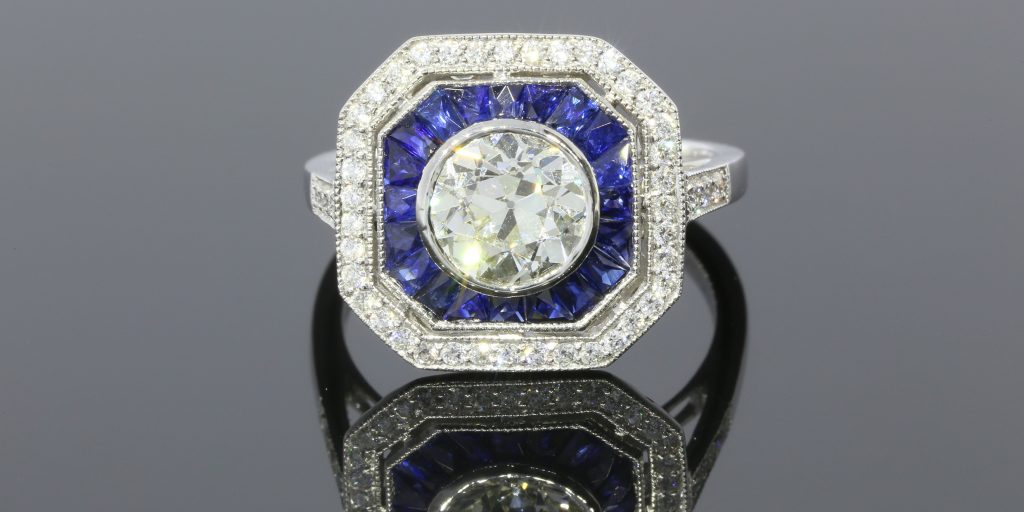
Vintage jewelry is defined as any pre-owned jewelry piece that is at least 20 years old but not yet classified as an antique. Unlike antique jewelry, which is generally 100 years or older, vintage jewelry spans a wide range of design periods, including the 1920s through the early 2000s.
These pieces are recognized for their distinctive craftsmanship, period-specific materials, and design features that reflect the cultural and artistic trends of their respective eras.
What makes vintage jewelry valuable is a combination of age, rarity, design authenticity, and historical significance. Many vintage pieces were handcrafted with techniques no longer used in modern manufacturing, such as hand-cut gemstones, intricate metal filigree, and enamel detailing.
The style of vintage jewelry evolves across decades. Art Deco pieces showcase geometric precision, while retro designs highlight bold curves and vibrant colors. Each era brings unique aesthetics, and pieces that reflect their period are more desirable.
Collectors and sellers value these items not only for their beauty but also for their cultural and investment significance.
How to Quickly Assess the Quality of Vintage Jewelry?
The quality of vintage jewelry is assessed by examining specific physical indicators that reflect authenticity, craftsmanship, and material integrity. These indicators include hallmarks, metalwork details, stone settings, and overall weight.
Each offers clear, factual evidence of a piece’s quality and origin based on historical standards and manufacturing practices. Below are the indicators with precise definitions and their roles in quality assessment:
The typical indicators of vintage jewelry quality are:
-
Hallmarks or Stamps
A hallmark is a small stamp engraved on the inside or back of a piece, indicating the type of metal, purity, origin, or maker. For example, “14K” means 14-karat gold, while “925” confirms sterling silver. These marks are essential for identifying authenticity, estimating age, and determining value. The absence of hallmarks may signal reproduction or altered items.
-
Intricate Details in Metalwork or Engraving
Detailed engravings or fine filigree work are signs of skilled craftsmanship. Hand-engraved or hand-assembled parts indicate higher quality than mass-produced cast pieces. Such intricate details also help place the piece within a specific design era, such as Art Deco or Edwardian.
-
Stone-Setting Style
Vintage pieces use setting techniques such as bezel, prong, or pave. Secure and symmetrical settings indicate quality work, while uneven or loose stones may suggest poor craftsmanship or indicate later repair. Older styles, such as hand-cut stones in hand-built settings, increase both the authenticity of jewelry and its value.
-
Weight and Feel
The weight and feel of its vintage jewelry are noticeable due to its solid construction and high-purity metals. Lightweight or hollow-feeling items may indicate lower material value or modern imitation. Heavier feel correlates with durability and high metal content, especially in gold or platinum pieces.
Each of these indicators provides factual, verifiable evidence of the quality of vintage jewelry and helps in forming a reliable preliminary assessment before a formal appraisal.
Why Do People Love Vintage Jewelry?
People love vintage jewelry because it offers a rare combination of historical value, aesthetic distinction, and emotional connection that modern pieces lack. Each vintage item reflects the design and craftsmanship of a specific era, making it meaningful beyond its material worth. Below are the definitive reasons, based on factual attributes, that explain this enduring appeal:
The reasons why people love vintage jewelry are:
-
Unique Craftsmanship and Design
Vintage jewelry is handmade with intricate detail and precision. Techniques like hand engraving, filigree, and milgrain are rarely used in modern mass production, making each piece visually distinct and artistically rich.
-
Historical Significance and Nostalgia
Every vintage piece connects to a specific period, social movement, or cultural trend. This historical context adds emotional and intellectual value. Wearing vintage jewelry evokes memories or sentiments tied to the past.
-
Sustainability and Eco-Consciousness
Choosing vintage jewelry supports environmental sustainability by reducing the demand for new mining and production. It aligns with eco-conscious consumer behavior and promotes the reuse of existing high-quality materials.
-
Personal Expression and Individuality
Vintage pieces are one-of-a-kind or limited in production. Their uniqueness allows wearers to showcase personal style without duplicating current fashion trends, offering a more authentic form of self-expression.
-
Rarity and Exclusivity
Discontinued styles, materials, and techniques make vintage jewelry difficult to replicate. This scarcity increases its desirability among collectors and fashion-conscious buyers seeking exclusive items.
-
Investment and Long-Term Value
Well-preserved vintage jewelry appreciates over time, especially pieces from iconic designers or historical periods. Their limited supply and enduring demand make them a reliable investment asset.
-
Sensory Experience
The tactile weight, texture, and patina of materials in vintage jewelry contribute to a sensory depth that modern pieces often lack. This physical sensation adds to the satisfaction and emotional attachment associated with ownership.
These factual qualities make vintage jewelry more than decoration; it becomes a personal, historical, and financial asset.
What Eras of Vintage Jewelry Are Most Valuable Today?
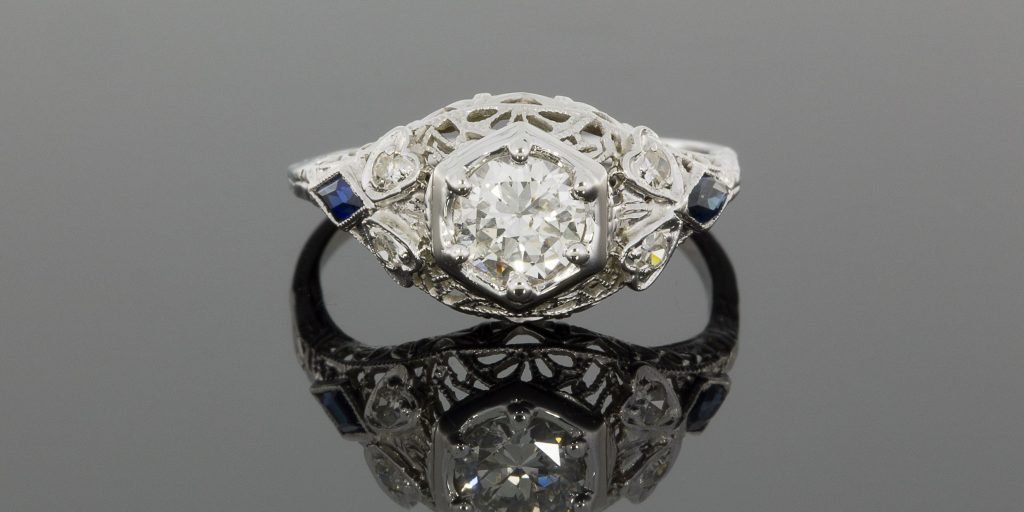
The eras of vintage jewelry that are most valuable today include the Victorian, Art Nouveau, Edwardian, and Art Deco periods. These design eras are highly sought after due to their craftsmanship, rarity, historical significance, and association with influential designers.
Each era is characterized by specific materials, techniques, and aesthetics that define its long-term value in the resale and collector markets.
Most Valuable Eras of Vintage Jewelry
-
Victorian Era (1837–1901)
The Victorian Era (1837–1901), named after Queen Victoria of the United Kingdom, was characterized by jewelry that was rich in symbolism, sentimental and intricate themes, and meticulous detail. This era is typically divided into Early, Mid, and Late Victorian periods, each showcasing unique styles from romantic motifs and floral engravings to Gothic revival and mourning pieces.
Garnets, turquoise, and seed pearls were frequently used. At the same time, prominent jewelers such as Garrard & Co., the crown jeweler appointed by Queen Victoria, became renowned for their royal commissions and intricate designs. Pieces from this era are highly prized for their emotional resonance and fine craftsmanship.
-
Art Nouveau (1890–1910)
The Art Nouveau Era (1890–1910) emerged as a reaction against industrial mass production, favoring artistic expression and organic forms. Jewelry from this period is characterized by flowing lines, enamel techniques such as applique-à-jour, and materials including horn, glass, and natural gemstones.
Nature served as the primary muse, with motifs such as dragonflies, peacocks, and iris flowers. Legendary designers like René Lalique and Georges Fouquet led this movement, producing highly collectible pieces that now command premium prices at auctions and among connoisseurs.
-
Edwardian Era (1901–1910)
The Edwardian Era (1901–1910) introduced a new level of elegance and refinement. Jewelry from this period is notable for its delicate, lacy appearance, made possible by the introduction of platinum, which allowed jewelers to create fine filigree work.
Common design elements included garlands, bows, and floral patterns adorned with diamonds and pearls. Leading maisons such as Cartier and Boucheron perfected this luxurious aesthetic, creating timeless pieces that remain popular with vintage jewelry collectors today.
-
Art Deco (1920–1940)
The bold and glamorous Art Deco Era (1920–1940) marked a dramatic departure from previous styles. Known for its streamlined geometry, symmetry, and vibrant color contrasts, Art Deco jewelry incorporated diamonds, emeralds, sapphires, rubies, onyx, and innovative materials like enamel and rock crystal.
Influenced by the rise of modern architecture and the machine age, the era gave rise to strong, sophisticated designs that continue to resonate in contemporary fashion. Esteemed houses like Tiffany & Co., Van Cleef & Arpels, and Raymond Yard were at the forefront of this movement, contributing iconic pieces that are still highly sought after on the market.
These eras remain valuable due to their unique design identity, the limited number of surviving pieces, and continued demand from collectors and luxury buyers.
What Factors Influence Vintage Jewelry Value?
Factors that influence the value of vintage jewelry include age, craftsmanship, material quality, design originality, and overall condition. These elements determine how rare, authentic, and desirable a piece is in today’s collector and resale markets.
Jewelry that reflects a historical period, is made with premium materials, and remains in original, well-preserved condition tends to hold the highest value. The presence of hallmarks or designer signatures further confirms authenticity and increases market worth.
The factors that influence vintage jewelry value are:
-
Age
Age refers to the time elapsed since a piece of jewelry was made, with “vintage” typically denoting items that are at least 20 years old. Older pieces, especially those crafted in the 19th or early 20th century, are usually more valuable due to their rarity and historical significance.
These early works reflect now-obsolete craftsmanship techniques and aesthetics, making them prized by collectors and antique specialists. The scarcity of such items on the modern market further enhances their desirability and monetary worth.
-
Distinctive Styles
Distinctive style means the jewelry clearly reflects the design identity of a specific historical era. Pieces that display iconic characteristics, such as Art Deco’s bold geometry or the symbolic and romantic motifs of the Victorian era, are far more collectible than generic, timeless designs with no apparent connection to a particular period.
Iconic pieces are easily recognized, tell a visual story, and act as cultural time capsules. In contrast, generic styles lack historical context, which makes them less appealing and typically less valuable in the eyes of collectors and appraisers.
-
Craftsmanship
Craftsmanship refers to the level of artistry and skill required to create a piece of jewelry. High-quality vintage pieces are typically handmade and feature characteristics such as symmetrical settings, crisp engravings, clean soldering, and fine metalwork.
Superior craftsmanship not only adds aesthetic value but also ensures durability and long-term structural integrity. In vintage jewelry, craftsmanship is what distinguishes an ordinary piece from one of exceptional value.
Appraisers and serious buyers pay close attention to these technical details, especially when comparing similar items of the same age.
-
High-Quality Materials
High-quality materials include precious metals such as solid gold and platinum, as well as untreated, natural gemstones like diamonds, sapphires, rubies, and emeralds. These materials significantly increase the value of a piece.
Vintage jewelry made with unaltered gemstones, especially rare cuts or old mine-cut diamonds, tends to be more desirable, particularly if the materials remain in their original setting. Synthetic or treated stones, while sometimes beautiful, don’t carry the same weight in terms of historical or investment value.
-
Hallmarks and Maker’s Marks
Hallmarks are stamps that indicate a piece’s metal purity, while maker’s marks identify the designer or manufacturer. These marks serve as proof of authenticity and are especially valuable when associated with prestigious names such as Cartier, Van Cleef & Arpels, or Tiffany & Co. A recognisable brand enhances the jeweler’s status, particularly among collectors who value provenance and a design legacy.
Hallmarked items tend to fetch higher prices because they offer buyers confidence in the piece’s origin, quality, and long-term resale potential.
-
Rarity and Value
Rarity describes how uncommon a piece of jewelry is, either due to limited production, unique design, or unusual material use. Limited-edition runs, discontinued styles, or jewelry featuring rare gemstone cuts or historical settings naturally attract higher demand.
In vintage markets, rarity significantly increases a piece’s value, especially if it also possesses hallmarks, era-specific traits, and good condition. Rare items perform exceptionally well at auctions and are closely pursued by private collectors and luxury buyers.
-
Specific Era Characteristics
Specific era characteristics refer to design features that are strongly linked to a particular period. For example, Edwardian jewelry showcases delicate platinum filigree and garland motifs, while Retro-era jewelry from the 1940s features large, colorful gemstones and curvaceous, oversized shapes.
Pieces that preserve these historical design elements offer both authenticity and educational value, making them more collectible and valuable. Items that strongly represent their era tend to gain higher market value than those with vague or mixed-period styles.
-
Condition
Condition measures the physical state of a piece, including wear, repairs, restorations, or missing components. Jewelry in excellent, original condition is significantly more valuable than pieces that have been heavily restored or altered.
Collectors prefer items with original finishes, settings, and stones, as these preserve the integrity and story of the piece. Even beautifully styled items can lose value if they show visible damage or replacement parts. In contrast, pristine vintage jewelry, especially when paired with high craftsmanship, becomes a top-tier investment piece.
These factors provide a factual and consistent framework for evaluating vintage jewelry and identifying high-value pieces on the market.
What Role Does Craftsmanship Play in Vintage Jewelry’s Value?
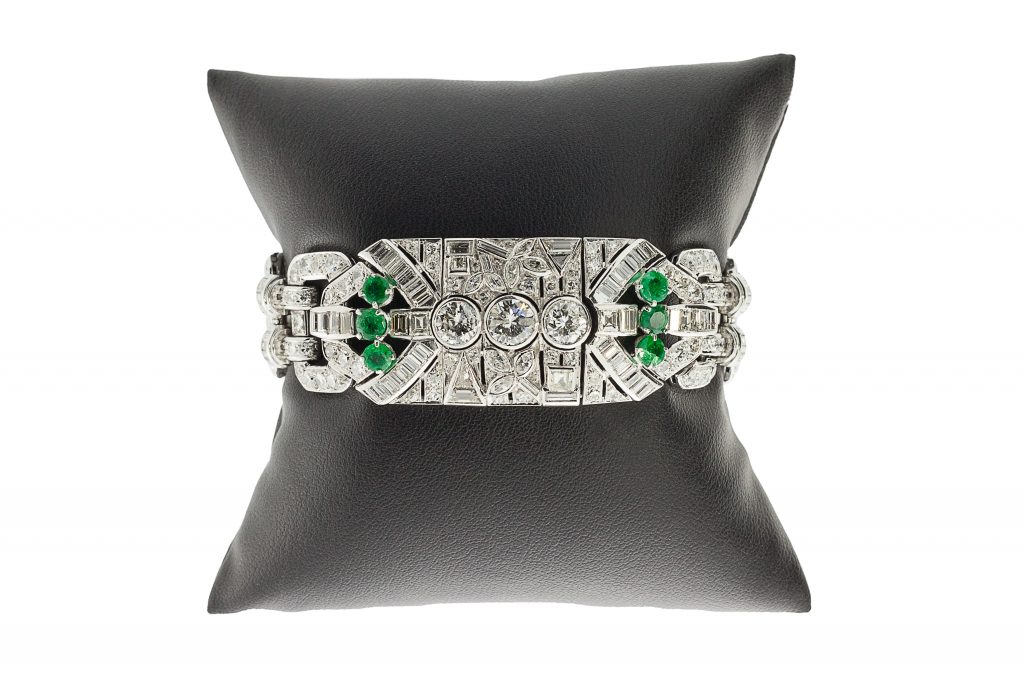
The craftsmanship plays a role in vintage jewelry’s value by directly affecting its quality, durability, authenticity, and historical importance. In vintage jewelry, craftsmanship refers to the precision, skill, and technique employed in creating each piece, particularly in an era before mass production.
Craftsmanship differs across eras. Victorian jewelry shows delicate engraving and symbolic motifs. Edwardian pieces highlight fine filigree work using platinum. Art Deco designs feature symmetrical patterns with precise gemstone settings. Retro jewelry incorporates bold curves and intricate metalwork. Each era used tools and techniques unique to its time, making well-preserved examples highly collectible today.
The craftsmanship impacts vintage jewelry value as:
-
Intricate Designs
Fine detailing in engraving, metalwork, and stone arrangements shows a higher level of artistic effort, increasing both rarity and value.
-
Handwork
Before the advent of automation, most vintage jewelry was handmade. Visible signs of manual shaping, soldering, and stone setting enhance authenticity and collector appeal.
-
Quality Materials
Skilled artisans worked with high-grade metals and natural gemstones. Expert handling of these materials contributes to the piece’s long-term value.
-
Historical Significance
Craftsmanship reflects the technology and aesthetics of its era. This adds cultural and historical context, making the jewelry more desirable.
-
Authenticity
True craftsmanship cannot be easily replicated. Unique construction methods, hallmarked joints, and period-accurate settings help verify a piece’s originality.
In vintage jewelry, exceptional craftsmanship not only increases immediate value but also ensures longevity, making the piece more resilient to wear and more appealing to serious buyers.
What Are the Reasons for Losing the Value of Vintage Jewelry?
The reasons for losing the value of vintage jewelry include poor condition, improper repairs, and shifts in fashion trends, reduced rarity, and the use of lower-grade materials. These factors reduce both the perceived and actual worth of a piece, making it less desirable to collectors, investors, and knowledgeable buyers.
The reasons vintage jewelry loses value are:
-
Condition and Maintenance
Damage, such as missing stones, worn prongs, scratches, and corrosion, reduces both visual appeal and structural integrity. Lack of proper storage or cleaning accelerates deterioration, which lowers both market and appraisal value.
-
Repairs and Alterations
Non-original repairs, replacement stones, or altered settings decrease authenticity. A vintage piece with replaced parts loses historical integrity and becomes less attractive to serious buyers or collectors.
-
Fashion Trends and Market Demand
As buyer preferences shift, some design styles fall out of favor. For example, heavily ornate pieces may be less popular during minimalist fashion cycles, which can reduce their resale potential despite their age or craftsmanship.
-
Rarity and Uniqueness
Vintage items that were once rare may lose value if similar pieces flood the market. Mass production of particular styles or wide availability of similar-looking reproductions diminishes exclusivity and demand.
-
Materials and Craftsmanship
Jewelry made with low-grade metals, synthetic stones, or poor workmanship holds less value over time. Inferior materials degrade more quickly and fail to meet collector or appraisal standards, particularly when compared to high-craft vintage pieces.
These factors weaken a vintage jewelry piece’s historical, visual, and investment value, making expert care and preservation essential to retain its worth.
What Are the Signs of Damage in Vintage Jewelry?
The signs of damage in vintage jewelry include metal wear, gemstone issues, structural weakness, and visible alterations that affect both the piece’s appearance and value.
Identifying these signs through a careful at-home inspection helps assess the condition before seeking a professional appraisal or making a purchase decision.
The common signs of damage in vintage jewelry are:
-
Metal Damage
Bends, dents, deep scratches, or thinning areas in the metal weaken structural integrity. Gold and silver may exhibit signs of erosion or stress cracks, particularly in older pieces that have been worn.
-
Gemstone Damage
Chips, cracks, cloudy surfaces, or missing stones reduce both visual appeal and market value. Hand-cut stones may show wear along facet edges. Authentic stones tend to show their age naturally, while synthetic stones often degrade or discolor over time.
-
Clasp, Chain, and Bail Damage
Broken or stretched chains, faulty clasps, or bent bails make the piece less wearable. These components are critical to functionality, and their failure indicates either poor maintenance or excessive use.
-
Clasp, Chain, and Bail Damage
Prongs that hold stones may become flat, loose, or completely worn down. This increases the risk of losing gemstones and requires immediate repair, reducing the piece’s current value.
-
Jewelry Not Fitting Correctly
Rings that are out of round or bracelets that no longer close securely may have been poorly resized or warped over time due to repairs or metal fatigue.
-
Sharp Spots
Uneven edges, broken filigree, or jagged surfaces are safety risks and signs of structural failure. These usually result from mishandling, accidental drops, or improper storage.
-
Discoloration
Tarnish, oxidation, or green residue indicates metal degradation. Discoloration around gemstones may also suggest glue use or moisture damage, which signals reduced quality or authenticity concerns.
An initial at-home inspection is conducted using a magnifying glass and soft lighting to examine settings, metal surfaces, gemstone clarity, and signs of wear. Noting these signs helps determine whether the jewelry has retained its structural and historical value or has been compromised by age or improper care.
What Are the Best Tips to Assess Vintage Jewelry Restoration Needs?
The best tips for assessing vintage jewelry restoration needs include conducting a detailed examination, consulting a professional, and understanding the restoration process. Proper assessment ensures the piece retains its structural integrity, aesthetic value, and historical authenticity without compromising market worth.
Restoration decisions must be made carefully, as improper repairs or over-restoration reduce value rather than preserving it.
The tips for assessing restoration needs in vintage jewelry are:
-
Detailed Examination
Begin with a close visual inspection using a magnifying glass or jeweler’s loupe. Look for missing stones, worn prongs, bent components, or signs of metal fatigue. Note any discoloration, mismatched parts, or prior repairs.
Examine hallmarks and maker’s marks to verify originality. Identifying all structural and visual issues ensures restoration focuses only on necessary areas, preserving the item’s authenticity.
-
Consider Professional Help
A certified jeweler with expertise in vintage and antique jewelry performs any technical evaluations. Professionals detect hidden structural weaknesses, verify gemstone authenticity, and determine the safest methods for cleaning or repair.
Their assessments also help avoid damage from improper handling, especially with delicate settings or rare materials.
-
Understanding the Restoration Process
Know which processes are reversible and which are not. Cleaning, stone tightening, and minor soldering are generally safe. However, replacing original parts or polishing antique surfaces may erase historical markers.
Always prioritize repairs that stabilize the piece without altering its period-specific design. Request the restorer to provide before-and-after documentation to maintain transparency.
Restoration decisions significantly impact the resale value of vintage jewelry. Over-restoration, such as modern stone replacement or aggressive refinishing, diminishes collector interest. Risks include metal weakening, loss of value, and disputes over authenticity.
Diamond Banc recommends minimally invasive restoration techniques and encourages collaboration with professionals who specialize in vintage and antique jewelry. This approach helps maintain the historical character of each piece while preserving its maximum market value, whether intended for resale or long-term preservation.
What Are the Common Misconceptions About Vintage Jewelry Value?
The common misconceptions about vintage jewelry value include assumptions that all vintage pieces are valuable, that age alone determines worth, and that any appraisal reflects permanent market truth.
These beliefs lead to overvaluation, unrealistic expectations, or poor investment decisions. Understanding the facts helps buyers and sellers make informed and accurate assessments of vintage jewelry.
The common misconceptions about vintage jewelry value are
-
All Vintage Jewelry Is Valuable
Not every old piece holds high value. Items made with low-grade materials, poor craftsmanship, or generic designs may have minimal resale worth despite their age. Value depends on quality, rarity, condition, and market demand, not age alone.
-
Vintage Jewelry Is Always Too Expensive
While rare pieces from well-known eras or designers command high prices, many vintage items remain affordable. Market prices vary widely based on the era, condition, and buyer interest. Assumptions about cost overlook this range.
-
Consider Professional Help
An appraisal reflects the estimated retail replacement cost, not the actual price a buyer is willing to pay. Demand, resale channels, and current trends influence market value. Appraisals are used for insurance purposes, not for resale forecasting.
-
Online or DIY Appraisals Are Reliable
Digital tools or self-evaluations cannot replace hands-on inspection. Professional appraisers examine details such as weight, authenticity marks, craftsmanship, and damage, which digital systems may miss or misinterpret.
-
Appraisals Are Permanent
Jewelry values change over time based on metal prices, design trends, and collector interest. An appraisal from five years ago may no longer reflect the current market. Regular reassessment is needed to maintain accuracy.
-
All Appraisers Provide the Same Quality
Only trained and certified appraisers with expertise in vintage or estate jewelry provide accurate evaluations. Unqualified appraisals may lead to misleading information and financial loss during resale.
-
Restoring a Vintage Piece Always Increases Its Value
Not all restorations add value. Over-polishing, part replacement, or modern alterations reduce originality and collector appeal. Careful restoration that preserves authenticity is preferred to aggressive repairs.
These misconceptions lead to unrealistic expectations and valuation errors, making factual knowledge essential for navigating the vintage jewelry market.
How to Protect the Value of Vintage Jewelry When Selling It?
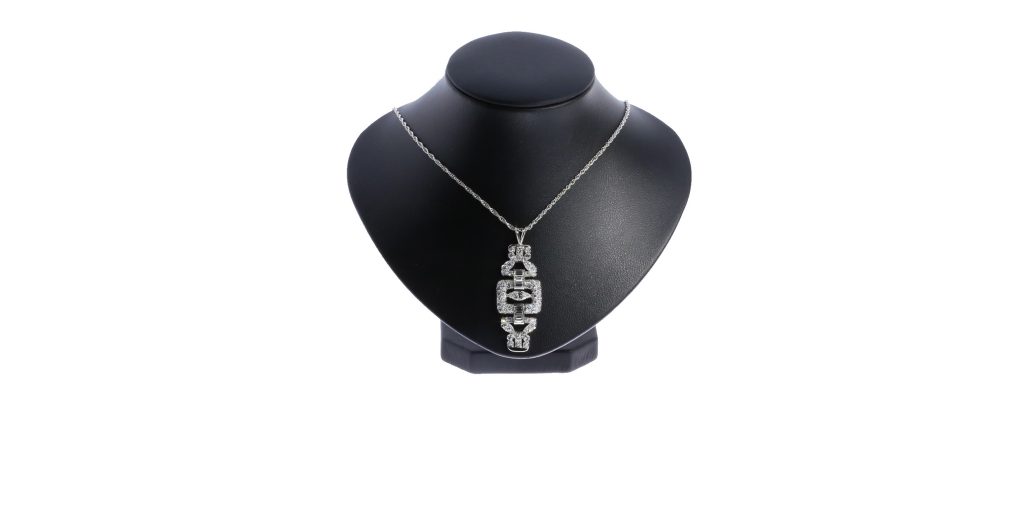
Protecting the value of vintage jewelry when selling it requires a careful, informed approach that considers multiple factors ranging from preservation and documentation to market timing and choice of the buyer.
First, maintaining the original condition of the piece is crucial. Avoid unnecessary repairs, polishing, or gemstone replacements, as these may alter its historical integrity. Only professional cleaning and minimally invasive restoration are considered, ideally performed by specialists in antique jewelry.
Documentation plays an important role in preserving value. Original receipts, appraisals, certificates of authenticity, and packaging significantly enhance a piece’s credibility and price. Pieces with known provenance or ties to prestigious jewelers fetch higher returns when supported by reliable documentation.
Another important factor is having the jewelry properly appraised by a certified gemologist with expertise in vintage or antique pieces. This ensures the valuation reflects era-specific factors such as craftsmanship, rarity, and stylistic significance. An independent appraisal also helps set realistic expectations and act as proof of value during resale negotiations.
Choosing a reputable and experienced buyer is important. Auction houses, estate jewelers, and luxury resellers with strong industry networks are better equipped to understand and market vintage jewelry than general gold or pawn buyers.
For sellers looking to protect both the monetary and historical value of their jewelry, Diamond Banc stands out as a trusted resource. With a deep understanding of vintage and estate jewelry, Diamond Banc provides expert evaluations, transparent market-based offers, and tailored options, including immediate purchase, consignment, or loans secured by the jewelry itself.
The company’s focus on preserving authenticity and maximizing value makes it a preferred choice for clients seeking a professional, secure, and informed selling experience.
Do Designer Names Affect the Value of Vintage Jewelry?
Yes. Designer names significantly affect vintage jewelry value. Pieces from prestigious houses like Cartier, Van Cleef & Arpels, or Tiffany & Co. are more collectible and command premium prices due to brand recognition, superior craftsmanship, and demand among luxury buyers.
Authenticity is the most important hallmark, and documentation helps verify origin. Collectors and investors seek signed pieces from iconic designers because they retain and increase in value over time, making them both sentimental and profitable assets.
Are Unsigned Vintage Jewelry Pieces Worthless?
No, unsigned vintage jewelry is not worthless. While signed pieces from famous designers carry a higher value, unsigned items can still be highly desirable based on age, materials, craftsmanship, and unique design. Jewelry from lesser-known artisans or estate pieces with rare gemstones can command strong prices if well-made and in good condition.
Appraisers assess the full combination of factors, not just the brand, when determining worth. Therefore, many unsigned vintage pieces hold considerable market and collectible value.
Do Vintage Jewelry Appraisals Reflect Selling Prices Accurately?
Not always. Vintage jewelry appraisals reflect insurance replacement value, which may be higher than the actual resale price. While appraisals assess gemstone quality, metal content, and craftsmanship, they don’t always consider current market demand or dealer margins.
For selling purposes, a market-based evaluation from a buyer, i.e., Diamond Banc, provides a more accurate reflection of what sellers can realistically expect. Always seek a second opinion or resale-specific appraisal when preparing to sell vintage items.
How Do Gemstone Quality and Type Determine Vintage Jewelry Value?
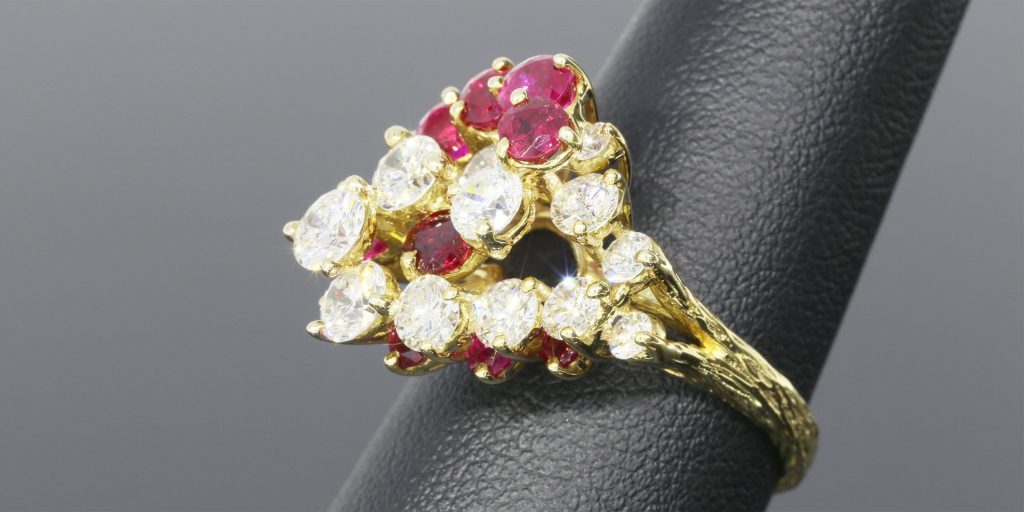
Gemstone type and quality heavily influence vintage jewelry value. Natural, untreated stones like old mine-cut diamonds, Burmese rubies, and Kashmir sapphires command premium prices. The factors include clarity, color, carat weight, cut, and origin.
High-quality stones in original settings add historical and collectible appeal. Poorly cut or heavily treated gems may reduce value. Pieces with rare stones in excellent condition are more likely to retain or grow in worth over time, especially in period-authentic designs.
Can You Get a Loan Against Vintage Jewelry?
Yes. You can get a loan using vintage jewelry as collateral. Lenders evaluate the item’s age, materials, gemstone quality, and overall marketability. Diamond Banc specializes in these types of loans, offering fast funding based on the jewelry’s appraised value.
This option allows owners to retain their jewelry while accessing short-term liquidity without selling it. Unlike traditional loans, there’s no credit check or income verification required, just a straightforward collateral-based lending process tailored to the jewelry market.
Is Vintage Jewelry a Viable Option to Get a Loan with Bad Credit?
Yes. Vintage jewelry is an excellent option for securing a loan with bad credit. Since the jewelry itself serves as collateral, no credit check is needed. Lenders evaluate the value of the piece, not the borrower’s financial history.
This makes vintage items especially useful for people with low credit. If you are concerned about how to get a loan with bad credit, don’t worry, as Diamond Banc offers these options.
Can You Use Vintage Jewelry to Get a Home Improvement Loan?
Yes. Vintage jewelry can be used to get a loan for home improvements through collateral lending. Instead of relying on credit scores or income, the jewelry’s value secures the funds. This is ideal for homeowners who prefer not to use credit cards or tap into equity lines. Diamond Banc offers loans based on the appraised market value of vintage pieces.
What Are the Differences in Value Between Vintage and Antique Jewelry?
The main difference lies in age. Antique jewelry is over 100 years old, while vintage typically spans 20–99 years. Antique pieces are rarer and feature historical craftsmanship no longer in use, increasing their value. Vintage jewelry, depending on the era and condition, may appeal more to modern tastes and investors.
Both categories can hold high value, but antique items tend to be more collectible due to their scarcity and historical importance. Each is assessed differently in terms of market demand.
How to Spot Fake Vintage Jewelry?
Spotting fake vintage jewelry involves examining hallmarks, construction, wear patterns, and materials. Authentic vintage items show consistent patina, era-specific craftsmanship, and signs of natural aging. Be wary of modern clasps, overly shiny finishes, or new-looking solder joints. Research the period style and compare it with verified examples.
Use a loupe to check for authentic maker’s marks. When in doubt, consult a certified appraiser or reputable vintage jeweler for a professional assessment to avoid buying a reproduction or altered item.
How to Check if My Vintage Jewelry Is Real Silver or Gold?
To check if vintage jewelry is real silver or gold, start by looking for hallmarks: 925 for sterling silver, 10k/14k/18k for gold, or platinum marks like PT950. Use a magnifying loupe to inspect stamps. Conduct a magnet test, and precious metals aren’t magnetic.
You can also use acid testing kits, though it’s best left to professionals to avoid damage. For a reliable and risk-free evaluation, bring the piece to a qualified buyer like Diamond Banc for expert testing and valuation.
Where Can I Sell My Vintage Jewelry for the Best Price?
For the best price, sell to buyers who specialize in vintage and estate jewelry. Avoid generic pawn shops or scrap gold dealers that undervalue unique pieces. Diamond Banc offers top-dollar payouts based on real-time market demand, brand value, and gemstone quality.
Our team of expert appraisers understands the true worth of vintage jewelry and provides transparent offers with no pressure to sell. Online platforms and auction houses are alternatives but may involve higher fees and delays.

Like what you’re reading?
Related Posts
 Instagram
 Facebook
 Tiktok
 YouTube