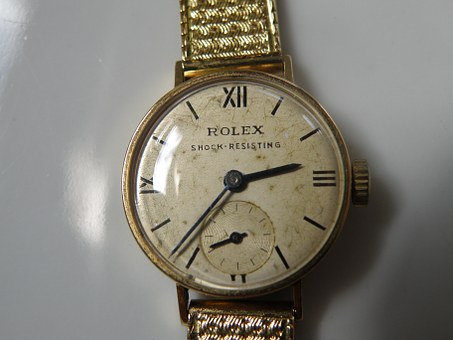
To care for a Rolex, regularly wipe it with a microfiber cloth for daily cleaning. For a deeper clean, use warm soapy water and a soft brush on the case and bracelet (not leather straps), making sure to screw the winding crown down tightly first. For both metal and vintage watches, you will need professional servicing approximately every 4–10 years, depending on the model and usage.
While daily maintenance is key, professional servicing is critical for the longevity of your Rolex. A certified technician thoroughly inspects the internal mechanisms, replaces any worn-out parts, and applies necessary lubrication to ensure the movement operates smoothly. To keep your watch in top condition, it’s recommended to have it serviced every 5 to 10 years, depending on usage and age.
A Rolex is more than just a watch; it is a luxury timepiece that blends precision engineering with timeless design. Known for its exceptional craftsmanship, a Rolex requires careful maintenance to preserve its performance and value over time. Regular care not only ensures that your watch functions perfectly but also safeguards its long-term durability.
Proper storage also plays a significant role in preserving your Rolex. When not in use, store your timepiece in a cool, dry place, ideally in its original box or a watch winder for automatic models. This prevents dust buildup and ensures the internal movement remains properly wound. Diamond Banc is your trusted partner for maximizing the value of your Rolex. We specialize in evaluating, purchasing, and providing collateral loans for luxury timepieces, ensuring you receive top value with transparency and expertise. Whether you’re looking to sell or leverage your Rolex for immediate financial flexibility, Diamond Banc is here to help.
Table of Contents
- Why is Rolex Care Important?
- What Are the Signs That Your Rolex Needs Servicing?
- How to Clean Your Rolex Safely?
- What Are the Common Cleaning Mistakes to Avoid?
- When to Avoid Wearing Your Rolex?
- How to Store Your Rolex Correctly?
- How to Maintain the Water Resistance of a Rolex?
- What Damages a Rolex’s Waterproof Seal?
- How to Prevent Damage to a Rolex Bracelet?
- What’s included in a professional Rolex service?
- How Can You Unlock Your Rolex’s Hidden Value with the Right Care?
- How Does Care Differ Between Vintage and Modern Rolex Watches?
- What’s the Safest Way to Clean a Rolex Bracelet?
- What Factors Influence the Value of Your Rolex When Selling Online?
- Can You Use Soap and Water to Clean Your Rolex?
- Why Is Ultrasonic Cleaning Risky for Rolex Watches?
- How to Set the Time and Date on a Rolex?
- Should You Polish Your Rolex?
- How Often Should You Check the Water Resistance of Your Rolex?
- How Do You Prevent Stretching in a Rolex Bracelet?
- How Often Should You Wind a Manual-Wind Rolex?
Why is Rolex Care Important?
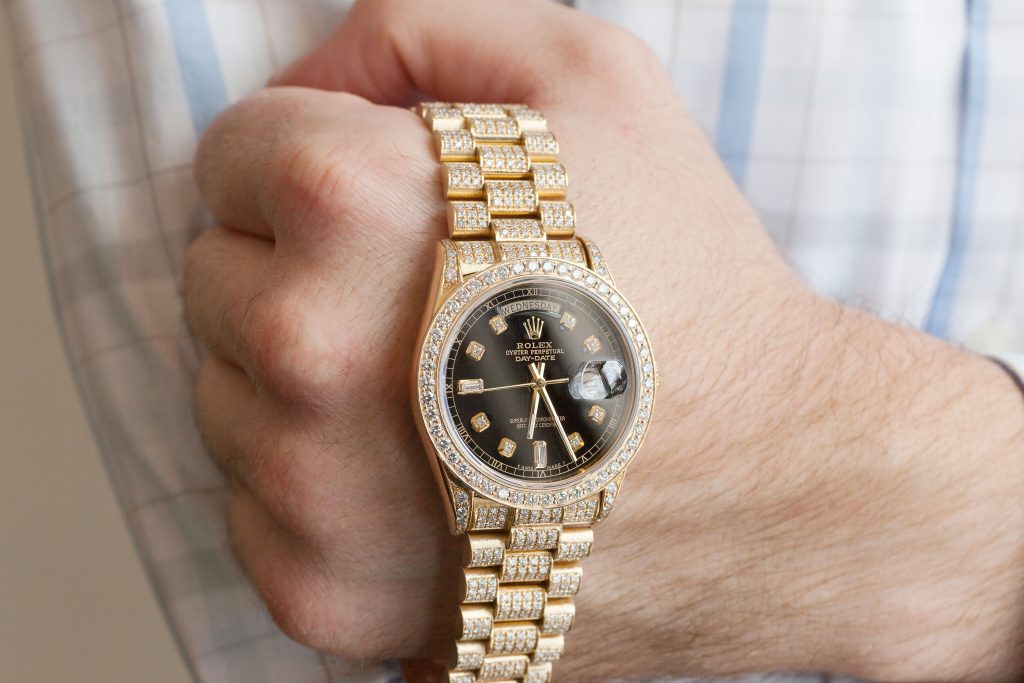
Regular care of a Rolex is essential to protect both its functionality and financial value. Over time, without proper attention, even the most finely crafted watches experience performance issues. Neglecting routine maintenance can lead to mechanical problems, such as inaccurate timekeeping, or cosmetic damage, including scratches and worn-out finishes. These issues not only affect the day-to-day performance of the watch but also significantly reduce its resale value.
Failure to maintain a Rolex also impacts its overall durability and aesthetic appeal. For instance, a lack of proper cleaning and storage may result in the accumulation of dirt or moisture inside the watch, causing irreversible damage. The watch’s exterior, if not properly cared for, also loses its pristine look, diminishing its luxurious appearance.
Certified servicing is crucial to ensure your Rolex stays in top condition. Not only does it ensure that the internal mechanisms are functioning properly, but it also helps maintain key features, such as water resistance.
Furthermore, professional servicing ensures that any remaining warranty is preserved, offering protection in case of future repairs or issues. Regular care and servicing enable your Rolex to continue delivering both performance and value, thereby preserving its status as a luxury timepiece.
How Often Should You Service Your Rolex?
Rolex generally recommends having your timepiece serviced every 5 to 10 years, depending on its usage and condition. This interval helps ensure that the internal mechanics continue to function optimally while preserving the watch’s overall performance and value.
Several factors shorten this interval, such as frequent wear, exposure to harsh conditions, or if the watch has been submerged in water beyond its recommended limits. Watches subjected to extreme environments or rigorous use require more frequent servicing to address wear and tear on both the movement and the exterior.
A full service of your Rolex includes a thorough cleaning, lubrication of the movement, and the replacement of any worn or damaged components. The technician will also check the water resistance, calibrate the timekeeping mechanism, and polish the exterior to restore its pristine condition.
Regular servicing ensures your Rolex stays in optimal condition, continuing to offer precision and luxury for years to come. For current pricing by model, see our guide to how much it costs to service a Rolex.
What Are the Signs That Your Rolex Needs Servicing?
The signs that indicate your Rolex needs servicing are strange noises, stiffness of the crown, losing or gaining time, etc. While Rolex timepieces are crafted for longevity, everyday use and the passage of time cause subtle performance changes. Recognizing the early warning signs helps you maintain your watch’s function and preserve its value.
Here are some common signs:
- Losing or gaining time
If your Rolex is consistently losing or gaining time, it indicates an issue with the movement. A small time deviation is normal over time, but significant variations should be addressed promptly. This is a sign of wear on internal components, such as the mainspring or gears.
- Stops running too soon
If your Rolex stops running shortly after being wound or worn, it suggests an issue with the movement’s power reserve or an internal mechanical problem. This results from a buildup of dust or debris, causing friction during movement, or a worn-out part that needs replacement.
- Moisture under the crystal
The appearance of moisture under the crystal is a clear indicator that your Rolex’s water resistance has been compromised. Even if your Rolex is water-resistant, improper sealing or damage to the case allows moisture to enter, which can damage the internal components and affect performance.
- Strange noises when winding or moving
Unusual sounds, such as grinding or clicking noises when winding or moving your Rolex, signal an internal issue with the movement. These noises indicate that parts are rubbing together due to insufficient lubrication or wear, which affects the accuracy and longevity of your watch.
- The crown feels stiff or loose
If the crown of your Rolex feels stiff when winding or adjusting or becomes loose and wobbly, it means that the stem or the crown itself is damaged or not engaging properly. This is a common sign that the internal mechanism needs attention to restore its functionality and prevent further issues.
- The Second hand ticks unevenly
An uneven ticking motion of the second hand indicates that the movement is out of sync or experiencing friction. If the second hand jumps or hesitates, it’s usually a sign that internal components need servicing to restore proper function and timekeeping.
- Water resistance seems off
If you notice that your Rolex’s water resistance no longer seems reliable, it’s a warning sign that the seals or gaskets have degraded. This happens over time, especially if the watch is regularly exposed to water. Proper maintenance is needed to ensure the watch retains its resistance to moisture.
- No service in 5–10 years
If your Rolex hasn’t been serviced in 5 to 10 years, it’s essential to have it inspected by a certified technician, even if no immediate issues are apparent.
Over time, oils within the movement dry up, and parts wear out. Routine servicing ensures that all parts are functioning optimally and helps prevent future damage.
Changes in performance, even minor ones, should never be ignored. If you notice any of these signs, it’s crucial to seek professional servicing as soon as possible to maintain the precision and value of your Rolex. Regular checks and timely servicing help prevent more serious issues and ensure the continued reliability of your timepiece.
How to Clean Your Rolex Safely?
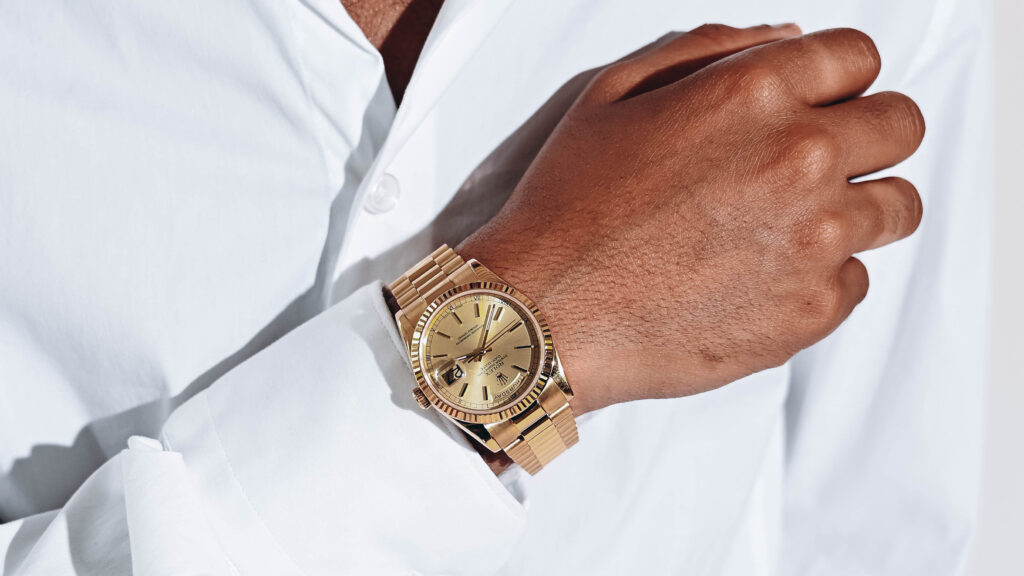
To clean your Rolex safely, it’s essential to maintain its elegance and function, and it’s. It’s important to remember that only gentle, non-abrasive methods are used to avoid damaging the watch. Harsh chemicals or abrasive tools scratch the case or damage the delicate components.
For water-resistant models, follow the cleaning process below to safely care for your Rolex:
- Use lukewarm water and mild soap
Start by filling a bowl with lukewarm water and adding a small amount of mild soap. Avoid using hot water, as it can damage the watch’s seals or materials. This gentle solution will clean your Rolex without damaging its surface.
- Make sure the crown is fully screwed down
Before you begin cleaning, ensure that the crown of your Rolex is tightly screwed down. This is crucial to prevent any water from seeping into the movement and causing internal damage. A secure crown maintains the integrity of the watch’s water resistance.
- Rinse the watch under gentle running water
Hold your Rolex under gentle running water to remove any dust or loose debris. Be sure to use a gentle stream to avoid any forceful water pressure that could potentially damage the seals or the watch’s casing.
- Use a soft toothbrush to scrub gently (especially the bracelet and case)
Take a soft toothbrush and gently scrub the bracelet, case, and other hard-to-reach areas. Pay special attention to the spaces between the links of the bracelet and around the case, as these areas tend to accumulate dirt. Be sure to use a gentle, circular motion to avoid scratching.
- Avoid harsh chemicals or abrasive materials
Never use harsh chemicals, ultrasonic cleaners, or abrasive cloths to clean your Rolex. These cause irreversible damage to the surface and affect the watch’s finish. Stick to mild soap and soft materials to keep the watch in its pristine condition.
- Rinse thoroughly to remove all soap
Once you’ve scrubbed the watch, thoroughly rinse it under running water to ensure all soap is washed away. Residual soap leaves a film on the watch, affecting its appearance.
- Dry with a soft, lint-free cloth
After rinsing, gently dry your Rolex with a soft, lint-free cloth. Avoid using rough materials that scratch the surface. A microfiber cloth is ideal for drying without leaving lint or scratches behind.
- Let it air dry completely before wearing
Allow your Rolex to air dry completely before wearing it. This ensures that any remaining moisture evaporates and the watch is fully dry to the touch. Wearing it too soon causes moisture to become trapped under the crystal.
- For non-waterproof models, use a damp cloth only
For Rolex models that are not water-resistant, avoid rinsing the watch with water. Instead, use a damp cloth to gently clean the surface and avoid any moisture from entering the watch’s interior.
It’s essential to avoid harsh chemicals, ultrasonic cleaners, and abrasive cloths when cleaning your Rolex, as these can damage the watch’s components. After cleaning, dry your Rolex with a microfiber cloth and store it in a proper case to maintain its pristine condition.
By following these careful cleaning practices, you will help preserve the elegance and precision of your luxury timepiece for years to come.
What Are the Common Cleaning Mistakes to Avoid?
Understanding the common cleaning mistakes to avoid is crucial to protecting your Rolex from potential damage. Improper cleaning affects both the appearance and functionality of your luxury timepiece. While Rolex watches are designed for durability, the wrong cleaning methods lead to costly repairs or diminished value.
Here are the most frequent mistakes to avoid:
- Using harsh chemicals or cleaners
Harsh chemicals or abrasive cleaners strip away the watch’s finish or damage the delicate materials. These chemicals weaken the case, affect the seals, and cause discoloration. Always opt for mild soap and lukewarm water to avoid harming the watch.
- Not screwing down the crown before cleaning
Failing to screw down the crown before cleaning is a serious mistake. If the crown is left unscrewed, water easily enters the watch, compromising its water resistance and potentially damaging internal components. Always ensure the crown is tightly screwed down before cleaning.
- Using abrasive brushes or cloths
Abrasive brushes or rough cloths scratch the surface of your Rolex. These materials wear down the case and bracelet over time, diminishing the watch’s appearance. Always use a soft toothbrush and a microfiber cloth to gently clean your watch.
- Soaking the watch for too long
Soaking your Rolex for extended periods, especially in water, can damage the seals and compromise its water resistance. While many Rolex watches are water-resistant, prolonged exposure to water eventually allows moisture to enter the watch. Limit soaking time to ensure the seals are not compromised.
- Cleaning a non-water-resistant model with water
If your Rolex is not water-resistant, avoid using water to clean it. Using water on non-waterproof models can cause irreversible damage. For these watches, use a damp cloth to gently wipe down the surfaces, avoiding exposure to moisture.
- Using hot water (can damage seals)
Hot water can damage the seals and gaskets on your Rolex, leading to a decrease in water resistance and compromising the watch’s integrity. Always use lukewarm water when cleaning your watch to avoid any damage to its seals.
- Skipping drying after cleaning
Failing to dry your Rolex after cleaning results in water or soap residue lingering on the surface. This leads to streaks or water spots, which will negatively affect the appearance of your watch. Always dry your Rolex thoroughly with a soft, lint-free cloth after cleaning.
- Ignoring the bracelet and case back
The bracelet and case back are overlooked during cleaning, but they are crucial parts of your Rolex. Dirt and grime accumulate in these areas, affecting both the appearance and comfort of your watch. Be sure to clean these parts gently to keep the watch looking its best.
- Using ultrasonic cleaners (unless approved by Rolex)
Ultrasonic cleaners seem like an easy solution, but they harm the gaskets and loosen parts over time. Unless Rolex approves the use of an ultrasonic cleaner, it’s best to avoid them entirely. Stick to gentle hand cleaning to ensure the watch remains in excellent condition.
- Cleaning too often or too aggressively
Over-cleaning or scrubbing too aggressively can wear down the watch’s finish and stress delicate parts. It’s essential to clean your Rolex regularly, but do so gently. Excessive cleaning leads to unnecessary wear and tear, so adopt a balanced cleaning routine.
By avoiding these common mistakes, you will ensure that your Rolex retains its elegance and value for years to come. Proper cleaning techniques, using gentle tools and avoiding harsh methods, will protect both the appearance and the internal mechanisms of your luxury timepiece.
When to Avoid Wearing Your Rolex?
There are certain situations where it is best to avoid wearing your Rolex to ensure its longevity and protect its functionality.
Activities such as heavy manual labor, extreme sports, or exposure to chemicals and abrasive materials cause significant damage to the watch’s case, bracelet, or internal movement. These environments can lead to scratches, dents, or wear and tear, which diminish both the appearance and performance of your Rolex.
Additionally, wearing your Rolex in hot environments—such as saunas, hot tubs, or while exposed to high temperatures—should be avoided. Heat causes the lubricants inside the movement to break down, which affects the accuracy and overall longevity of the timepiece. Excessive heat also damages the seals, compromising the water resistance and allowing moisture to enter the watch.
Lastly, exposure to magnets or strong electronics interferes with the timekeeping of your Rolex. Magnetic fields disrupt the movement’s accuracy, causing it to lose or gain time. Electronics such as speakers, refrigerators, or other machinery that emit strong magnetic fields negatively affect the performance of your watch. It’s best to remove your Rolex when around these types of devices to maintain its precision and accuracy.
By avoiding these scenarios, you ensure that your Rolex remains in excellent condition, preserving both its aesthetic appeal and its functionality for years to come.
How to Store Your Rolex Correctly?
To store your Rolex correctly, it is essential to protect it from both physical damage and environmental wear.
When not in use, your Rolex should be kept in a safe and stable environment to ensure that its precision and condition remain intact. A dry, temperature-stable location is crucial, as both extreme heat and cold damage the watch’s internal mechanisms.
Avoid storing your Rolex in areas exposed to direct sunlight or high humidity, as these conditions cause deterioration of the materials, discoloration, and compromise the seals.
For daily storage, it’s highly recommended to use a padded watch box, the original case, or a dedicated watch roll. These options provide essential protection, ensuring the watch is safe from scratches, dust, and accidental impacts.
A padded watch box offers both security and convenience, while the original case keeps the watch in its intended protective environment.
For long-term storage, it’s important to either keep the watch fully wound or use a watch winder for automatic models. This helps preserve the movement’s integrity by preventing the lubricants inside the movement from congealing.
A watch winder ensures that the watch stays in constant motion, maintaining its accuracy and functionality. If you choose to store your Rolex unworn for an extended period, winding it occasionally helps keep the movement in optimal working condition.
Storing your Rolex correctly will ensure it remains in excellent condition and retains its value for years while continuing to perform as the high-precision timepiece it was designed to be.
Does Rolex Need a Watch Winder?
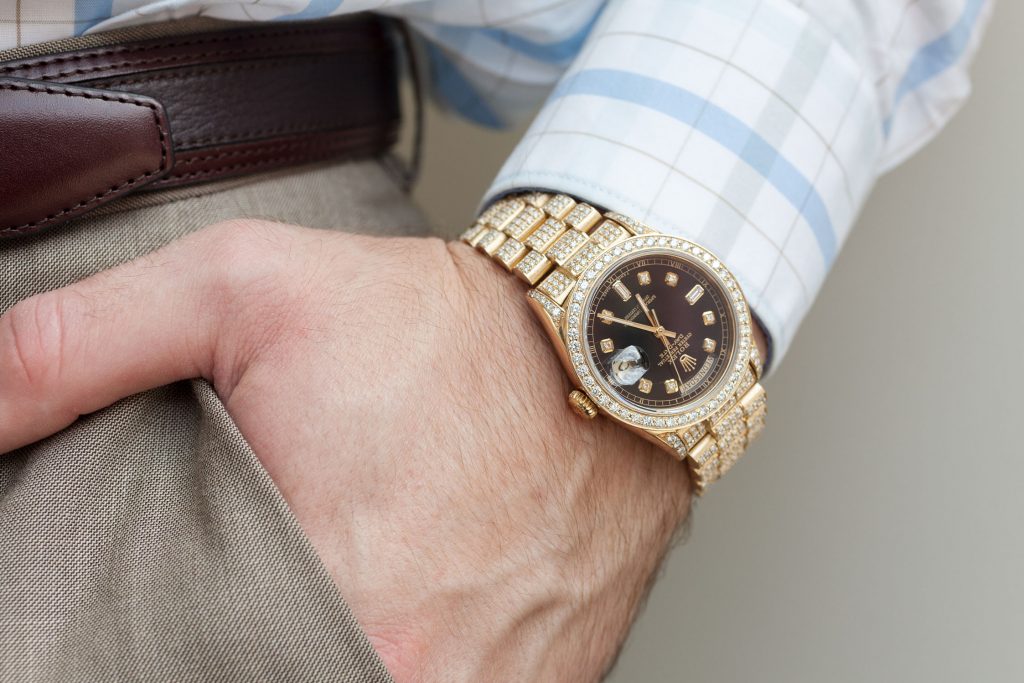
No, a Rolex watch does not need a watch winder, because most Rolex models are automatic and self-winding, which means they rely on the movement of your wrist to wind the watch and keep it running.
As long as the watch is worn regularly, the natural motion of your arm provides enough energy to power the movement and keep accurate time. For those who wear their Rolex daily, a watch winder is typically unnecessary.
A watch winder can be helpful if you wear your Rolex infrequently or want to ensure it remains wound when not in use.
For example, rotate between different watches and leave your Rolex unworn for extended periods. A watch winder will keep the movement running, preventing the watch from stopping and the need to reset the time and date.
While a watch winder is a luxury convenience that ensures your Rolex remains wound and ready to wear, it is not a necessity. The self-winding mechanism of a Rolex is designed to function effectively with regular wear, and a winder is only needed if you prefer the added convenience of having your watch always ready to go.
How to Maintain the Water Resistance of a Rolex?
To maintain the water resistance of a Rolex, it’s essential to inspect the gaskets and seals regularly. Rolex watches are meticulously engineered for water resistance, with designs that withstand various water-related conditions.
The water resistance of a Rolex is largely due to the integration of high-quality gaskets, case seals, and a screw-down crown, all of which work together to form an effective barrier that prevents water from entering the case.
These features help ensure that your watch remains safe from water exposure, whether it’s from splashes, rain, or brief immersion in water.
Over time, the Rolex seals degrade due to wear and tear, which is why professional servicing every 5 to 10 years is important to replace any worn-out parts and maintain the integrity of the water resistance.
Additionally, it’s important to avoid exposing your Rolex to hot water or steam. While the watch can withstand some water exposure, extreme temperatures cause the seals to expand or contract, potentially compromising their ability to keep water out.
Similarly, sudden temperature changes—such as jumping from a hot tub into cold water—affect the watch’s seals and internal components.
By following these precautions and regularly maintaining your Rolex, you ensure that the water resistance remains intact, protecting the watch’s internal movement and preserving its function for years to come.
What Damages a Rolex’s Waterproof Seal?
The factors that cause damage to the waterproof seal of a Rolex are many, compromising its ability to protect the movement from water and moisture.
Here are the main causes of seal damage:
- Impact/shock
Even minor knocks or sudden impacts can misalign the seals or case backs, leading to leaks. Dropping the watch or exposing it to rough physical activities affects the tightness of the seal, potentially causing water to enter.
- Unscrewed crown
Failing to screw the crown tightly after adjusting the time or date is one of the most common causes of water damage. If the crown is not fully screwed down, water easily seeps into the case, affecting the internal mechanisms and compromising the watch’s water resistance.
- Aging gaskets
Over time, the gaskets and seals on your Rolex naturally degrade, even if the watch hasn’t been exposed to water. The materials used in the seals wear down, crack, or lose their elasticity, which decreases their ability to maintain a watertight barrier.
- Heat exposure
Exposing your Rolex to high temperatures, such as in hot water or steam, causes the seals to expand and contract. This movement damages or weakens the waterproof seals, making them less effective in protecting the watch from water damage.
- DIY tampering
Attempting to open the case or adjust components yourself inadvertently damages the waterproof seals. Improper handling, such as using non-professional tools or failing to seal the watch correctly after tampering, can lead to compromised water resistance.
Even minor impacts or exposure to harsh conditions can misalign or damage the seals, leading to potential leaks. Over time, seals naturally degrade without visible signs of wear.
Therefore, regular inspections and professional servicing are essential to ensure that your Rolex maintains its water resistance and continues to function optimally.
How to Prevent Damage to a Rolex Bracelet?
Daily wear naturally exposes the Rolex bracelet to potential damage, such as scratches, stretching, and dirt buildup. Over time, the bracelet shows signs of wear due to constant contact with surfaces, clothing, or other objects. To preserve the bracelet’s appearance and integrity, it’s important to take certain precautions.
First, it’s advisable to remove the watch during heavy physical tasks or while engaging in sports. Activities that involve significant impacts, such as weightlifting, contact sports, or manual labor, cause accidental bumps, bends, or scratches to the bracelet. Removing the watch during these tasks prevents such damage and keeps the bracelet in pristine condition.
Additionally, avoid wearing the bracelet too loosely. When a Rolex bracelet is too loose, it is more likely to get caught on objects or move around excessively, leading to scratches or potential damage to the links and clasp. Ensure the bracelet is snug but comfortable to minimize unnecessary friction and movement that can cause long-term wear.
By following these simple practices, you significantly reduce the risk of bracelet damage and keep your Rolex looking as beautiful as the day you got it. Regular care and attention will preserve both the function and appearance of the bracelet, maintaining its luxury and precision for years to come.
What’s included in a professional Rolex service?
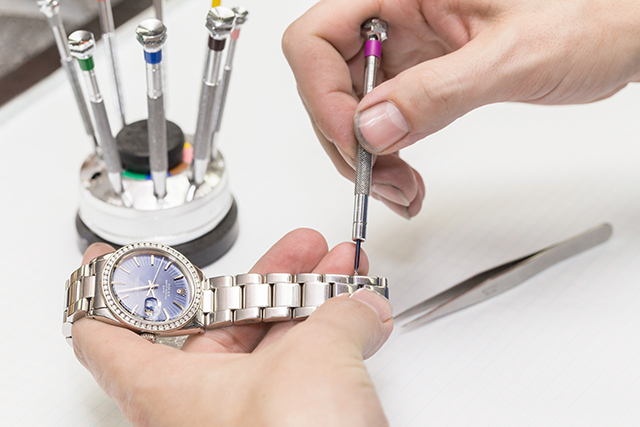
A professional Rolex service is a thorough, multi-step process designed to restore your watch to optimal working conditions. The service begins with disassembly, where the watch is carefully taken apart to inspect each component for wear and tear. This ensures that no part is overlooked and any potential issues are addressed.
The watch undergoes cleaning, with each part meticulously cleaned to remove dirt, dust, and any buildup that has accumulated over time.
After cleaning, lubricating the movement is essential to ensure smooth operation. Proper lubrication helps reduce friction and prevent wear on the delicate components within the movement.
During the service, any worn or damaged parts are replaced with genuine Rolex components. This includes parts such as the mainspring, gaskets, and other critical components that affect the watch’s performance.
The goal is to restore the watch’s accuracy and functionality, ensuring it performs like new.
Finally, the watch undergoes a thorough final inspection to check its timekeeping accuracy, water resistance, and overall condition. After the service, Rolex typically offers a warranty on the work performed, ensuring that the watch is protected from defects for a specified period.
Diamond Banc’s Rolex specialists review service history, condition, and originality every day when valuing watches for sale or as loan collateral. If you’re deciding whether a service is worth the cost, we can give you a clear, market-based valuation first.
How Can You Unlock Your Rolex’s Hidden Value with the Right Care?
Diamond Banc is a trusted luxury buyer renowned for offering top dollar for pre-owned Rolex watches. The company understands that a Rolex is more than just a timepiece—it’s a luxury asset that holds significant value.
Diamond Banc not only appreciates the prestige of the Rolex brand but also takes into account the condition, service history, and authenticity of each watch when determining its worth. This ensures that your Rolex is valued accurately and fairly, maximizing its resale potential.
The company’s evaluation process focuses on every detail, from examining the condition of the case and bracelet to reviewing the movement and confirming the authenticity through Rolex documentation and servicing history. Watches that have been well-maintained, serviced regularly, and kept in pristine condition tend to unlock higher value in the market.
We offer a streamlined process for selling your Rolex, which includes a simple evaluation, instant offers, and quick transactions. The process is designed for ease and transparency, allowing you to get the most for your luxury timepiece without the hassle of lengthy negotiations or complicated procedures.
A cared-for Rolex isn’t just a timepiece; it’s a bankable luxury investment. With the right care and attention, your Rolex can be a valuable asset that continues to appreciate over time.
Diamond Banc helps you cash in on that hidden value with confidence and ease, ensuring that you receive the best possible offer for your pre-owned Rolex.
How Does Care Differ Between Vintage and Modern Rolex Watches?
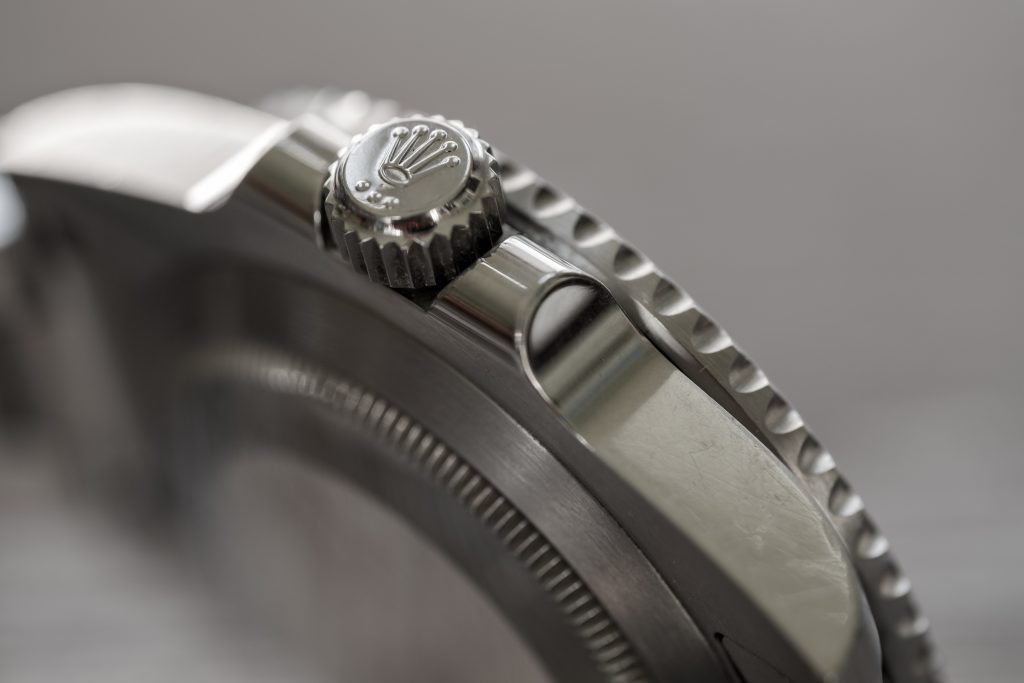
The care for vintage Rolex watches differs from that of modern models primarily due to their age and the materials used. Vintage watches require more delicate handling, as older parts are more prone to wear or damage. Additionally, gaskets and seals may be more vulnerable to degradation over time.
Modern Rolex watches typically benefit from improved materials and manufacturing technology, making them more resilient. Regular servicing is essential for both, but vintage models require more careful, periodic maintenance to preserve their originality and value.
What’s the Safest Way to Clean a Rolex Bracelet?
The safest way to clean a Rolex bracelet is by using lukewarm water, a mild soap solution, and a soft toothbrush. Begin by ensuring the crown is securely screwed down to avoid water damage. Gently scrub the bracelet and case with the toothbrush, focusing on areas where dirt tends to accumulate, such as between the links.
Afterwards, rinse the bracelet under gentle running water and dry it with a soft microfiber cloth. This method avoids harsh chemicals or abrasives that damage the watch’s surface or integrity.
What Factors Influence the Value of Your Rolex When Selling Online?
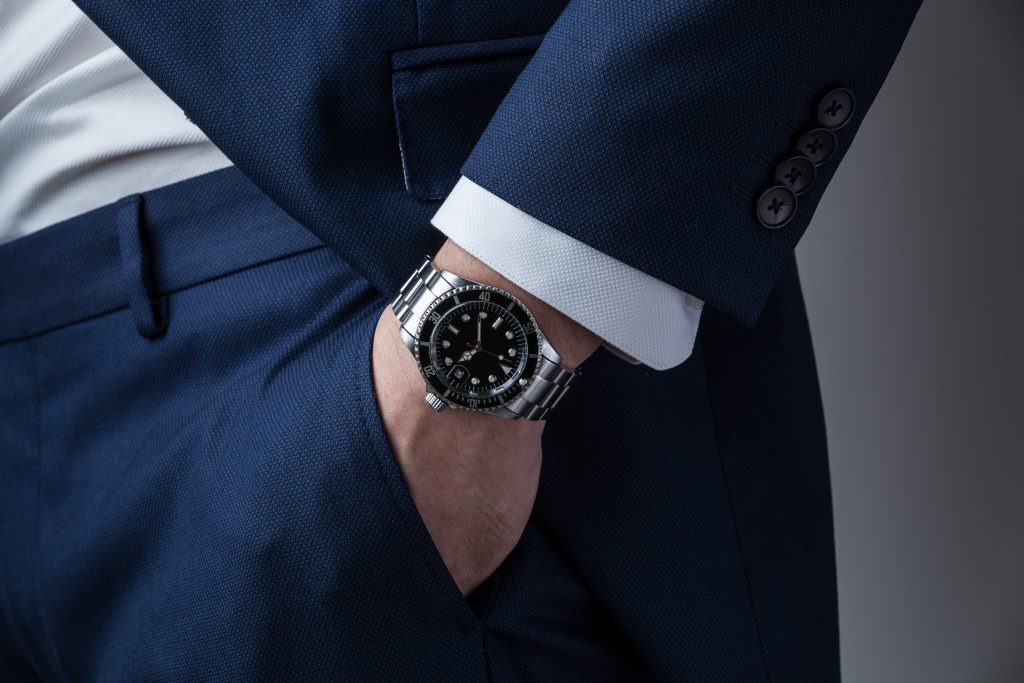
Several factors influence the value of your Rolex when selling online. Condition plays a major role—watches in mint condition fetch higher prices. A complete set, including the original box, papers, and receipts, also adds value.
The model and rarity also influence pricing, with limited-edition or vintage pieces commanding higher prices. Furthermore, service history and authenticity are critical; a Rolex with verified servicing and no alterations is worth more.
Can You Use Soap and Water to Clean Your Rolex?
Yes, you can use soap and water to clean your Rolex, but only mild soap and lukewarm water should be used. Harsh chemicals can damage the finish or compromise the seals. The soap should be gentle, without any abrasive properties. After cleaning, rinse thoroughly to remove soap residue, and then dry carefully with a soft, lint-free cloth to prevent water spots.
This method is safe for most water-resistant models, but it is important to ensure the crown is properly screwed down before cleaning to maintain the watch’s water resistance.
Additionally, storing your watch properly when not in use—preferably in its original box or a watch roll—reduces stress on the bracelet and maintains its structure for longer.
Why Is Ultrasonic Cleaning Risky for Rolex Watches?
Ultrasonic cleaning is risky for Rolex watches because it can damage gaskets, seals, and other sensitive components over time. The vibrations from ultrasonic waves cause small particles inside the movement to loosen, potentially affecting accuracy.
Additionally, prolonged exposure to ultrasonic waves degrades the integrity of the watch’s case, which is crucial for maintaining water resistance. Rolex recommends avoiding ultrasonic cleaners unless they are specifically designed and approved for use with luxury timepieces, as this can prevent risks to the watch’s value and functionality.
How to Set the Time and Date on a Rolex?
To set the time and date on a Rolex, pull the crown out to the second position to adjust the time. Rotate the crown clockwise or counterclockwise until the correct time is displayed. To adjust the date, pull the crown to the first position and rotate it in one direction to change the date. Avoid changing the date between 8 PM and 4 AM to prevent damaging the movement.
Should You Polish Your Rolex?
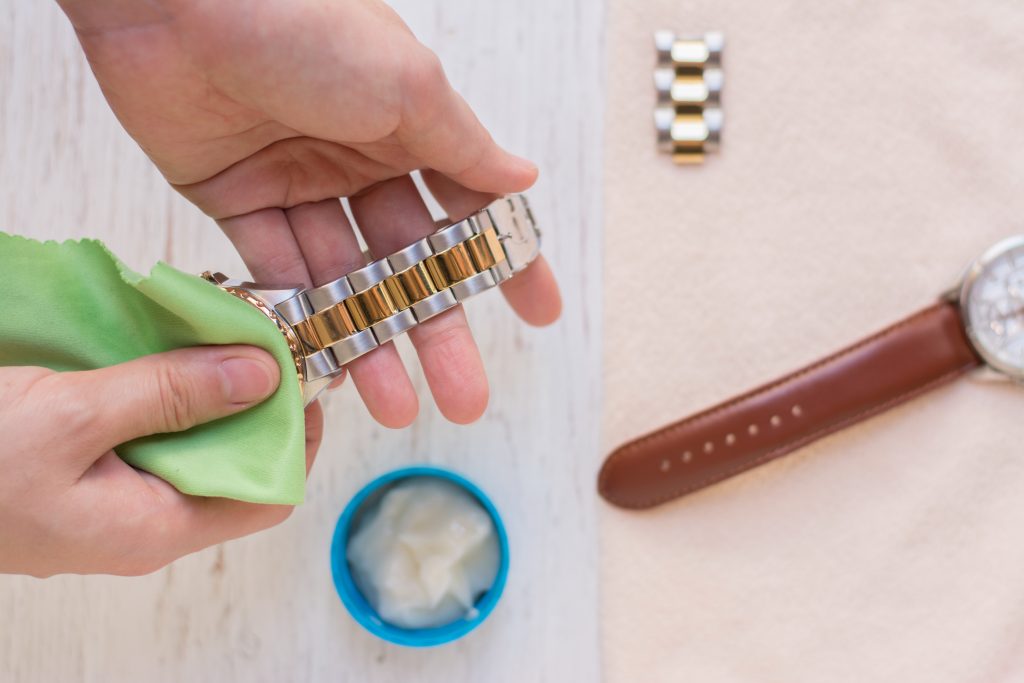
Polishing your Rolex should be done with care, as over-polishing can wear down the watch’s finish and reduce its value. Light polishing to remove minor scratches or scuffs is acceptable, but it’s best left to professionals who specialize in luxury timepieces.
Rolex’s satin or brushed finishes are easily compromised by improper polishing. When considering whether to polish your watch, it’s important to weigh the impact on value, as maintaining the watch’s original patina and condition is preferred by collectors.
How Often Should You Check the Water Resistance of Your Rolex?
It is recommended to check the water resistance of your Rolex every 1-2 years, especially if it is regularly exposed to water. Over time, gaskets and seals naturally deteriorate due to wear, exposure to heat, moisture, or chemicals.
Professional servicing is required to accurately test the water resistance. Rolex also recommends having your watch serviced every 5-10 years, depending on the model and usage, to ensure the seals are replaced and the watch remains properly protected against water damage.
How Do You Prevent Stretching in a Rolex Bracelet?
To prevent stretching in a Rolex bracelet, avoid wearing it too loosely or subjecting it to frequent physical stress. A snug fit helps reduce unnecessary movement and wear on the links. Regular cleaning and keeping the bracelet dry will also prevent the buildup of dirt or grime between links, which causes them to loosen over time.
How Often Should You Wind a Manual-Wind Rolex?
A manual-wind Rolex should be wound daily to ensure it keeps accurate time. Winding it fully until you feel resistance is necessary to maintain the movement’s energy reserve. If worn regularly, the natural motion of the wrist will automatically wind the watch.
However, if not worn daily, it’s essential to manually wind it to keep it running. Avoid overwinding, as it damages the movement. Ensuring the watch is fully wound helps keep it in optimal working condition, offering precision and longevity.
Like what you’re reading?
Add us in Google — more like this is on the wayRelated Posts

 Instagram
 Facebook
 Tiktok
 YouTube