
When a family starts planning a Pasadena estate sale, the jewelry box is usually the last thing anyone wants to deal with and the first thing that causes problems. A ring, a watch, a tangle of chains: none of it comes with a price tag, and unlike furniture or dishware, jewelry has to answer to California probate law before it can be sold, divided among heirs, or set out on a folding table. If you’re sorting through a parent’s or relative’s estate in Pasadena right now, here’s what actually has to happen with the jewelry first, and where the real risk is.
What California Law Requires Before You Sell Estate Jewelry
If the estate is going through formal probate, the personal representative (the executor or administrator) has to file a sworn Inventory and Appraisal listing every asset at its fair market value as of the date of death, and jewelry counts as an asset the same as a house or a car. That filing is due within four months of being appointed, under Probate Code Section 8800(b), so the clock starts running almost immediately.
Here’s the part most families don’t expect: the executor doesn’t get to decide what Mom’s ring or Dad’s watch is worth. Jewelry, watches, and precious metals are valued by a court-appointed probate referee, the same official who values real estate and business interests in the estate. There’s one exception. Under Probate Code Section 8904, the personal representative can ask the court to let an independent expert appraise an item instead of the referee, but only if the piece qualifies as “unique, artistic, unusual, or special.” If you have a collectible Rolex or a signed designer piece that might fit that description, it has to be flagged and arranged well before the four-month deadline, not after.
There’s also a federal layer on top of the state process. If the household and personal effects of an estate (jewelry is specifically named as an example category) exceed $3,000 in total value, federal tax regulations require a sworn expert appraisal to be filed with the estate tax return, separate from the probate referee’s work.
Not every estate needs to go through this. If the estate has no real property and qualifies under California’s small estate rules, heirs can skip formal probate entirely and transfer personal property, including jewelry, using a Small Estate Affidavit under Probate Code Sections 13100-13116. It’s worth checking with the estate’s attorney whether this applies before assuming a full probate referee appraisal is required.
Who Actually Decides What the Jewelry Is Worth
This is where families get tripped up. A probate referee’s number on the Inventory and Appraisal form is a court valuation used to satisfy a legal deadline. It is not a cash offer, and no one is obligated to pay that number for the jewelry. An heir can end up holding a ring that’s “worth” a certain figure on paper, with estate debts or taxes due, and no actual buyer willing to pay that amount. The referee’s job is to satisfy the court record, not to find the jewelry a buyer or set a price a liquidation market will honor.
That gap between the court figure and a real offer is exactly why it helps to get an independent, model-specific valuation alongside the court process, especially for watches and designer pieces where brand, reference number, and condition move the number more than weight alone. A general probate referee may not specialize in current secondary-market pricing for a particular Rolex reference or a signed estate piece the way a watch and jewelry specialist does.
Permits and Rules for an Estate Sale in Pasadena
If the plan is to hold an actual on-site estate sale in Pasadena rather than distribute items privately, the city has its own rules to know about first. Pasadena requires a Personal Property Sales permit under Municipal Code Section 17.50.190 for sales of used personal property at a residence, and it limits a property to two such sales in any 12-month period, each running up to three consecutive days. If a family has already held one estate-related sale this year, a second one at the same address may need to wait.
There’s a useful carve-out here, too. The same ordinance exempts sales of personal property made under court order or process from needing a yard-sale permit at all, which matters for a formal, court-supervised estate liquidation handled through probate rather than a private family sale. If the estate sale is being run as part of the probate proceeding itself, it’s worth confirming with the estate’s attorney whether this exemption applies before pulling a permit unnecessarily.
Is It Really Gold? What to Check Before Anything Gets Priced
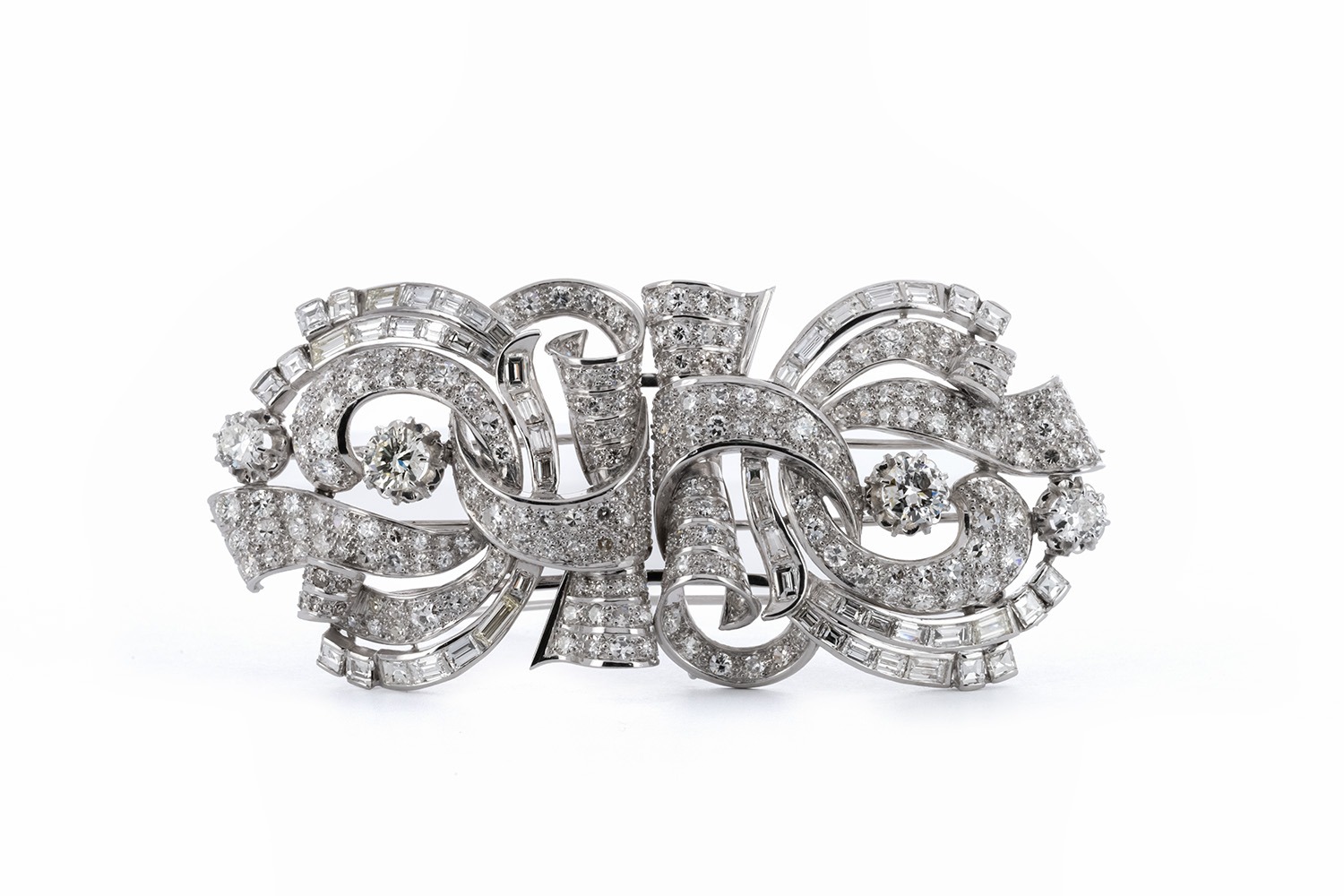
Loose jewelry at estate sales is routinely priced by eye, without being weighed or karat-tested, which is exactly how a gold piece can sell for a fraction of its metal content. Under federal marking rules, the unqualified word “gold” can only be used for pieces that are at least 10 karats fine, and a genuine karat stamp should appear alongside the maker’s mark or registered trademark. Pieces marked “gold filled,” “gold overlay,” or “rolled gold plate” are a mechanically applied layer of at least 10-karat gold over a base metal, and when that layer is thin, the fraction has to be stated in the mark itself (something like “1/40 14K gold overlay”). If the markings are worn off or were never there, that’s a signal to have the piece weighed and tested before it’s priced for a table, not after.
Here’s what that looks like in real numbers. A plain, unmarked 14-karat gold ring weighing 10 grams has a metal-only floor value, calculated from gold’s spot price of roughly $3,635 per troy ounce as of late November 2026, of about $684.80, before any premium for craftsmanship, brand, or stones is even considered. That figure is down about 12% from a year earlier and sits roughly 35% below gold’s all-time high, so a value estimate from even a year or two ago is already out of date. That’s a floor, not a price: an estate sale table that sells the same ring for $150 because nobody weighed it has given away real value, and a buyer who pays $1,200 for the same ring because it carries a known maker’s name isn’t being irrational either. The metal weight is only the starting point.
Turning Inherited Jewelry Into Cash Without the Folding-Table Risk
Once the court paperwork is squared away (or once it’s confirmed the estate qualifies for the small estate process instead), heirs usually have three practical paths: keep the piece, sell it, or use it as collateral for a loan while other estate matters settle. If the goal is actual liquidity rather than a court valuation on paper, a specialist who prices by current secondary-market demand, not just melt weight, will typically get closer to real value than an estate-sale table.
Diamond Banc’s Pasadena office works directly with families in this situation, whether the piece in question is a diamond ring or designer jewelry someone wants to sell in Pasadena or a watch from the estate that needs to be sold in Pasadena, evaluated by someone who knows the specific model and reference, not a general pawn-shop estimate. If the estate needs cash before probate closes but an heir isn’t ready to part with a particular piece yet, it’s also possible to keep the jewelry and use it as collateral for a loan in Pasadena instead of selling it outright.
For a closer look at how this plays out locally, our earlier piece on estate jewelry and watches in Pasadena walks through how families there have handled specific pieces, and our guide to selling estate jewelry for fair value covers how to compare offers once a piece has been through the court process.
Common Questions From Pasadena Families
Do I have to get inherited jewelry appraised before I can sell or distribute it?
If the estate is in formal probate, yes: it has to be listed on the Inventory and Appraisal with a probate referee’s value before the estate can distribute it or sell it under court authority. If the estate qualifies for California’s small estate process instead, a formal referee appraisal generally isn’t required to transfer the jewelry to heirs.
Is the court appraisal the same thing as a cash offer?
No. It’s a legal valuation for the court file, not an offer from a buyer. Heirs still need to get an actual offer, whether through an estate sale, a jewelry buyer, or a specialist, to know what the piece will really bring.
What happens if the estate is small? Do I still need a probate appraisal?
Not necessarily. Small estates without real property can often transfer personal property, including jewelry, using a Small Estate Affidavit under California law rather than going through full probate and a referee appraisal. Check the current dollar threshold with the estate’s attorney, since it’s a statutory figure that can change.
Can I just put the jewelry out at an estate sale in Pasadena, or do I need a permit first?
Residential personal property sales in Pasadena need a permit, limited to two sales per property in any 12-month period, each lasting up to three consecutive days. Sales conducted under court order as part of a formal probate liquidation are exempt from that permit requirement, so it’s worth confirming which category the sale falls into before scheduling it.
Whatever path the estate takes, the jewelry deserves the same care as the real estate or the bank accounts: a clear valuation, a clear process, and a buyer who actually knows what the piece is before it’s priced. If that’s where things stand with a Pasadena estate right now, Diamond Banc’s local office can look at the pieces directly and lay out the options, sell, loan, or hold, without guessing at what’s underneath the markings.
Like what you’re reading?
Add us in Google — more like this is on the wayRelated Posts

 Instagram
 Facebook
 Tiktok
 YouTube