Learning how to sell estate jewelry starts with understanding what you own. An inherited ring, signed bracelet, vintage brooch, or older watch may be valuable for its materials, design, maker, condition, or history. It may also have deep personal meaning. Those are different forms of value, and separating them helps you make a clear decision.
This guide focuses on the practical questions sellers ask before accepting an offer. It explains what estate jewelry means, which overlooked details can affect market interest. How to prepare a piece without damaging it, and how to compare a direct purchase with consignment or a jewelry equity loan. For broader guidance on selling fine jewelry, read Diamond Banc’s guide to selling diamonds and fine jewelry.
To learn how to sell estate jewelry, have the piece examined by an experienced jewelry buyer or gemologist. Gather any available records, and compare the evaluation with your goals. An insurance appraisal or original purchase price can document a piece, but neither automatically equals its current resale value.
A direct sale may be appropriate when you want a defined transaction and are ready to transfer ownership. Consignment may fit a distinctive piece when you can wait for a buyer. A jewelry equity loan is a separate option when retaining ownership matters. The right choice depends on the jewelry and your timeline, not just its age.
Get a fair offer for your estate jewelry
How to Sell Estate Jewelry With Its History Intact
Estate jewelry is previously owned jewelry. The term describes ownership history, not a guaranteed age, quality level, or price. It can include a family heirloom, a vintage designer piece, an antique jewel, or a modern item that has simply changed hands.
Age is context, not proof of value
An older piece is not automatically rare, and a newer piece is not automatically ordinary. A buyer considers whether the jewelry is authentic, wearable, well preserved, and relevant to current demand. A signed design, unusual construction, or documented connection to a recognized maker may attract interest beyond the value of its metal and gemstones. A damaged or altered item may require a different market even when it has an interesting history.
History should be documented carefully
Family stories can point an evaluator toward useful questions, but they should not be treated as proof without supporting records. Look for receipts, previous appraisals, repair documents, laboratory reports, boxes, signed paperwork, and photographs. Note where the jewelry came from and when it was acquired, but distinguish what you know from what you suspect. Clear documentation makes it easier for a buyer to assess the piece without overstating its provenance.
Market value, sentimental value, insurance replacement value, and raw material value answer different questions. An appraisal prepared for insurance may estimate the cost of replacing a comparable item through retail channels. A buyer making a purchase offer evaluates what the piece can support in the current resale market. Knowing that distinction prevents an old insurance figure from creating unrealistic expectations.
How Do Era, Design, and Condition Affect Value?
When you are deciding how to sell estate jewelry, focus on the combination of features rather than one attractive detail. Era, maker, design, gemstones, metal, condition, documentation, and present-day demand all influence how a qualified buyer views the piece.
Look for marks that identify the piece
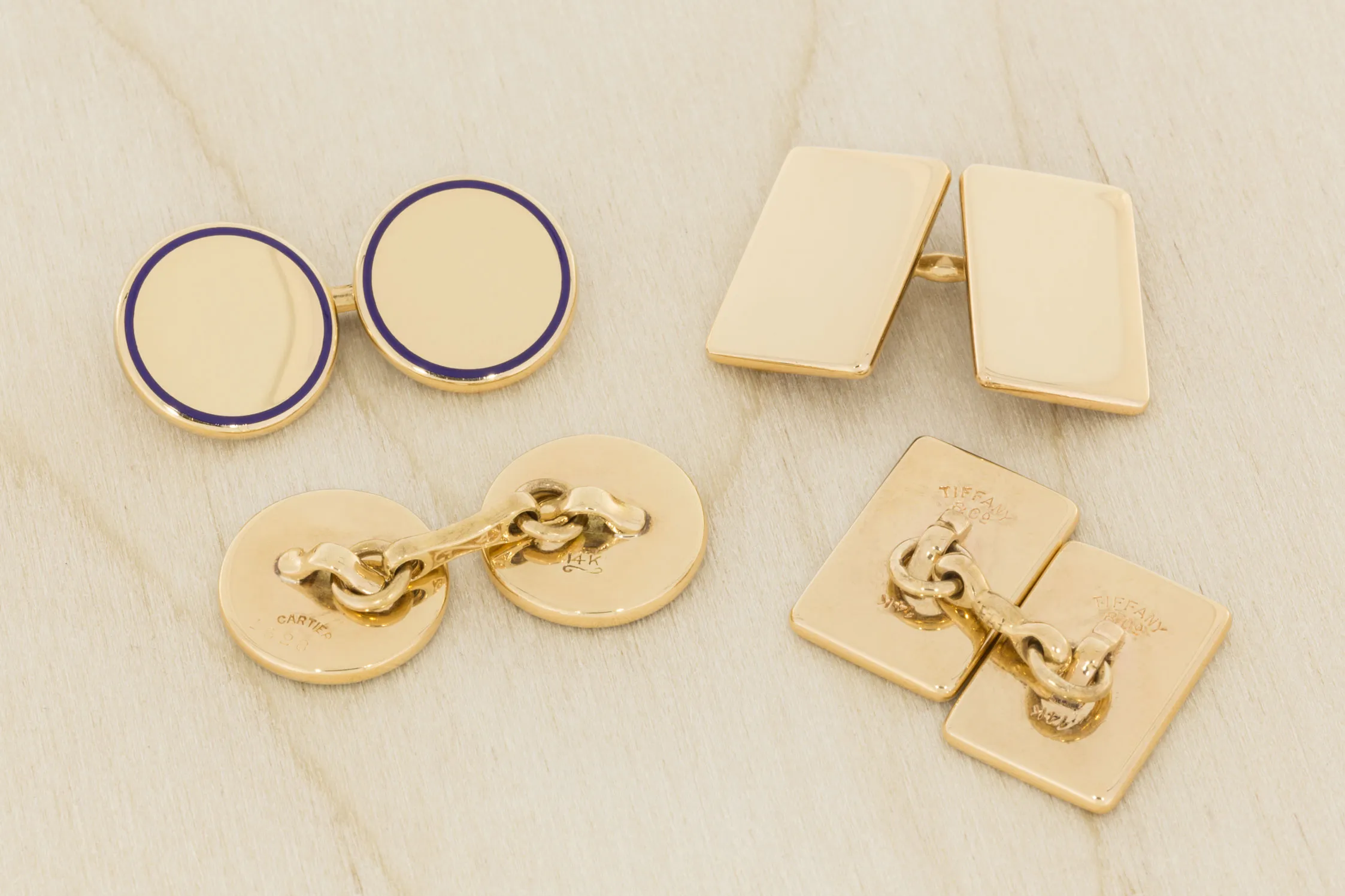
Inspect the inside of a ring, the clasp of a bracelet or necklace, and the back of a pendant. Look for hallmarks, maker’s marks, signatures, patent numbers, serial numbers, or metal stamps. These details can help establish metal content, designer identity, country of manufacture, or an approximate period. They are clues, not standalone proof. Marks can be worn, copied, misread, or associated with a later repair.
Design can add interest when a piece shows recognizable craftsmanship or a sought-after period style. A signed item may need authentication, especially when the mark is difficult to read or the construction does not match the claimed maker. An unsigned piece can still have market value through its gemstones, precious-metal content, workmanship, and wearability.
Condition includes hidden issues
Visible scratches are only one part of condition. An evaluator may look for loose stones, worn prongs, stretched links, damaged clasps, missing components, prior resizing, repairs, and signs of treatment. A diamond or colored gemstone may also need review for identity, quality, treatments, mounting, and available documentation. A credible grading report can make a stone’s characteristics easier to assess, but missing paperwork does not make a piece worthless.
Avoid polishing, dipping, steaming, resizing, or repairing vintage jewelry at home. These changes can loosen stones, remove a finish, obscure construction details, or alter historical character. Do not remove an engraving simply to make a piece appear more marketable. Let a qualified professional recommend any work after examining the jewelry in its existing condition.
Which Estate Jewelry Pieces Are Often Overlooked?
Many sellers begin with the most obvious diamond ring and overlook pieces whose value comes from design, craftsmanship, materials, or a specialist audience. A careful inventory can reveal items worth evaluating separately instead of grouping everything as old jewelry.
Signed and well-made designer pieces
Look closely at bracelets, brooches, necklaces, cufflinks, and earrings for signatures or maker marks. A small mark on a clasp or the back of a pendant can change the research path. Do not assume a missing box means a designer piece has no value, and do not assume a familiar name proves authenticity. The item still needs to be examined as a whole.
Colored gemstone and period jewelry
Colored gemstone pieces may be overlooked when sellers focus only on diamonds. Sapphire, ruby, emerald, and other gems can require a closer review of identity, treatment, condition, and documentation. Period jewelry may also attract interest because of its construction or design language, even when the metal weight is not the primary reason someone wants it.
Gold and platinum pieces without a large center stone
Chains, bracelets, earrings, and brooches can have meaningful precious-metal content and workmanship even without a prominent gemstone. Check for purity marks, missing sections, repairs, and overall weight, but do not treat a stamp as a complete valuation. An in-person or secure remote evaluation can distinguish material value from additional design or resale appeal.
Matching groups and unusual construction
Pairs, suites, and matching components may be easier to evaluate when kept together. Photograph the full group and each individual piece. Articulated links, hand-finished details, unusual clasps, and old manufacturing techniques may be relevant to authenticity and buyer interest. These details are easy to miss when jewelry is quickly sorted into a box for sale.
How Should You Prepare Estate Jewelry for Sale?
Preparation should preserve evidence, not make the jewelry look newer at any cost. A short inventory helps a buyer understand what is being evaluated and helps an estate representative keep records organized.
- Photograph every item from several angles, including hallmarks, maker marks, settings, closures, and visible damage.
- Write down the item type, metal stamp, approximate weight, measurements, stone information, designer name, and known history without guessing.
- Gather boxes, receipts, laboratory reports, previous appraisals, repair records, and paperwork, and match each document to the correct piece.
- Store the jewelry securely and separately while you compare evaluation options. Do not clean, resize, polish, or alter it at home.
- Ask the evaluator which characteristics support the market assessment and whether the proposed transaction is a purchase, consignment, or loan.
If the jewelry belongs to an estate, confirm who is authorized to sell it before transferring possession. Keep copies of the inventory and documents. When several heirs are involved, written records can reduce confusion about which items were examined and what decision was made.
What Is the Best Way to Sell Estate Jewelry?
The best selling method depends on your priorities. Compare the process, privacy, control, timing, and responsibilities attached to each option before you hand over a valuable piece.
| Option | May fit when you want | Questions to ask |
|---|---|---|
| Direct professional buyer | A defined sale and a straightforward evaluation | How was the offer determined? What item and terms are included? When are funds available? |
| Auction or consignment | Time to find a buyer for a distinctive piece | What are the agreement terms, responsibilities, timeline, insurance, and outcome if it does not sell? |
| Private sale | Direct control over negotiation and audience | How will authenticity, payment, shipping, privacy, and personal safety be handled? |
| Jewelry equity loan | Access to funds while retaining ownership | What are the loan-to-value calculation, interest, repayment, storage, and nonpayment terms? |
A direct buyer can be a practical choice when you are ready to transfer ownership and want the transaction explained in one place. Consignment or auction may be worth considering when the piece has unusual provenance or collector appeal and you can accept an uncertain timeline. A private sale gives you control, but it also makes you responsible for screening, payment, shipping, and security.
If you want to keep the jewelry, review the terms of a jewelry equity loan rather than treating it as a sale. If consignment seems appropriate, Diamond Banc’s seller’s agent service explains a separate path. The important point is to confirm the transaction type before accepting an offer.
What Should You Ask an Estate Jewelry Buyer?
A reputable buyer should explain the evaluation in plain language and give you enough information to decide without pressure. Ask questions that reveal both the buyer’s expertise and the practical terms of the transaction.
How will you evaluate the piece?
Ask whether the evaluator will examine the maker, hallmarks, construction, gemstones, metal, condition, documentation, and current market demand. For a diamond, ask how available grading information will be used. For colored gemstones, ask whether treatments or damage need additional review. For designer jewelry, ask how authenticity and any repairs will be considered.
What does the offer include?
Confirm which item was examined, whether the offer is for an outright purchase, and whether any conditions can change the amount. Ask for the terms in writing. An appraisal, a market estimate, and a purchase offer are not interchangeable, so ask which type of value is being discussed.
How will privacy and handling be protected?
Ask how the jewelry is transported, who can access it, whether it is insured while in the buyer’s care, and how it is stored. If you use a mail-in service, ask about packaging, tracking, and the process if you decline an offer. You should be able to review the terms before deciding.
Find out what your diamond ring is worth
Why Consider Diamond Banc for Estate Jewelry?
Diamond Banc evaluates fine jewelry, diamonds, watches, and other luxury assets through an expert-led process. Estate jewelry is reviewed as an individual piece, with attention to its materials, design, condition, documentation, and potential market interest. That approach is useful when a piece’s value cannot be explained by metal weight alone.
Diamond Banc offers direct purchase services, seller’s agent services, and jewelry equity loans. Those options serve different goals. A direct purchase is for an owner who is ready to sell. Consignment may suit a piece and timeline that support waiting for a buyer. A loan may fit an owner who wants to retain the jewelry while borrowing against it.
Customers can use Diamond Banc locations or its national mail-in process. Jewelry entrusted to the company is handled with security and insurance procedures described in its service information. If an offer is declined, the company states that the item can be returned at no cost. Confirm the specific terms and timing for your transaction before sending anything.
For the broader framework, revisit the selling diamonds and fine jewelry guide. It can help you compare an estate piece with other jewelry assets while keeping the decision focused on your goals.
Frequently Asked Questions About Selling Estate Jewelry
What does estate jewelry mean?
Estate jewelry is previously owned jewelry. It may be inherited, vintage, antique, designer, or simply a piece that has changed hands. Age alone does not establish value. The maker, materials, gemstones, condition, documentation, design, and current demand all matter.
Do I need an appraisal before selling estate jewelry?
Not always. A qualified buyer may be able to evaluate the piece and explain a purchase offer without a separate appraisal. An appraisal can still be useful for insurance, estate records, or documentation. Confirm its purpose because replacement value and resale value are different measures.
How can I protect my jewelry’s value before selling it?
Keep boxes, receipts, reports, repair records, and provenance with the piece. Photograph hallmarks and condition issues. Avoid amateur cleaning, polishing, repairs, resizing, or engraving removal before a professional examines the jewelry.
Should I sell estate jewelry or use a jewelry equity loan?
Sell when you are ready to transfer ownership and want a purchase offer. Consider a jewelry equity loan when retaining ownership is important and the repayment terms fit your plans. Consignment may suit a seller who can wait. Compare the written terms, privacy, timing, effort, and control before deciding.
Like what you’re reading?
Related Posts
 Instagram
 Facebook
 Tiktok
 YouTube