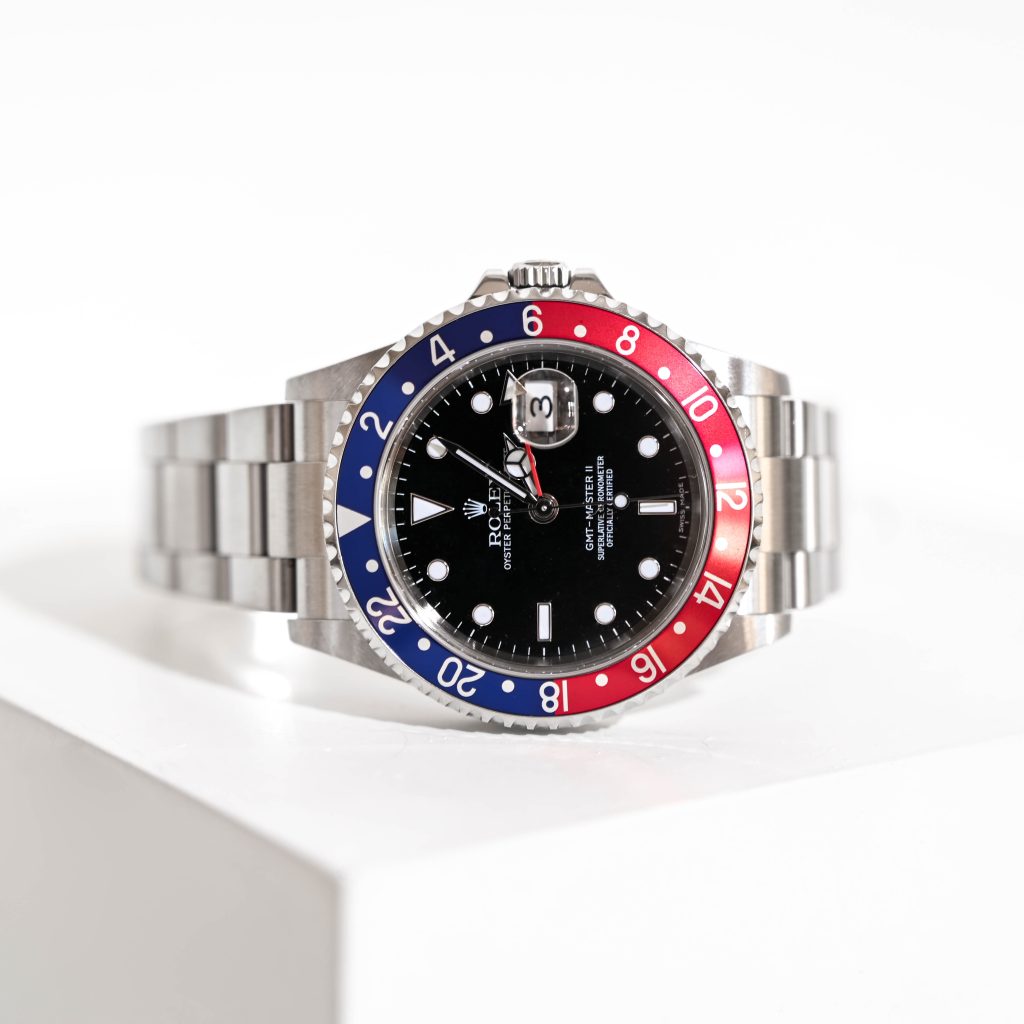
The 2026 Ballon d’Or ceremony handed soccer’s biggest individual award to Harry Kane, but it also did something that matters to anyone who owns a Rolex: it put six and seven-figure watches in front of a global audience and reminded the market exactly what those references are worth right now. If you own a Rolex Daytona, a Submariner, or any watch that shares a case with what walked that red carpet, the real question isn’t whether the exposure happened. It’s what that exposure does to the number a buyer or lender puts in front of you.
What happened at the 2026 Ballon d’Or
The ceremony, the 70th edition of the award, took place on October 26, 2026 at the London Palladium, the first time it has ever been held outside France or Switzerland. UEFA moved it to London specifically to honor Stanley Matthews, the inaugural 1956 Ballon d’Or winner, as part of the award’s anniversary program. Bayern Munich forward Harry Kane won the men’s award for the first time in his career, finishing ahead of Kylian Mbappé and Lamine Yamal after a season in which he scored 73 goals for club and country.
None of that is watch news on its face. But a room full of the sport’s highest-paid athletes, dressed for a televised ceremony, is also one of the most concentrated displays of luxury watch ownership that happens anywhere each year. What they chose to wear tells you a lot about where demand sits for specific references right now.
The watches that stole the red carpet
Kane wore an off-catalog 18k white gold Rolex Cosmograph Daytona, reference 126599TSA, set with 36 custom baguette-cut blue sapphires on the bezel and estimated at more than $1 million. Lamine Yamal, just 19, wore a special rose-gold Richard Mille RM 67-01 Automatic Extra Flat on a pink rubber strap, built around an in-house skeletonized movement with a platinum rotor. Ousmane Dembélé’s wrist carried a Richard Mille RM 055 “Bubba Watson,” a skeletonized golf-themed piece estimated at roughly $850,000. Mbappé wore a comparatively restrained Hublot Classic Fusion Tributo in 18k yellow gold, priced at CHF 25,000 and designed as a tribute to the 1980 original that launched the Hublot brand. Co-host Thierry Henry appeared in his now-signature Patek Philippe reference 5711, fully blacked out by the customization house DiW.
Add those up and the ceremony’s wrists alone carried well over four million dollars in watches, almost none of it off a standard retail shelf.
Is the Daytona on your wrist the same reference Kane wore?
Almost certainly not, and that’s worth sitting with for a moment rather than treating as a disappointment. Kane’s piece is a factory-altered, off-catalog Daytona: a 126599TSA case with a custom sapphire-set bezel that Rolex does not sell through its normal distribution. The standard production Daytona in Oystersteel, reference 126500LN, lists for $16,900 at retail. That’s the watch most owners actually have on their wrist or in their safe, and it’s a meaningfully different asset than a one-off bezel built for a red carpet.
That’s not a problem for resale or collateral purposes. A standard catalog reference is, if anything, easier to value and easier to move than a bespoke piece, because there’s an active, liquid market of comparable sales to price against. A one-of-a-kind sapphire bezel has almost no comparable sales at all; its value is whatever the next buyer who wants that exact piece is willing to pay, which is a much narrower market than the one behind the steel Daytona on your wrist.
Does a celebrity watch actually move resale prices, or is that just hype?
The honest answer is that a single red carpet appearance doesn’t create demand out of nothing, it reinforces demand that’s already there. The Daytona didn’t become a six-figure secondary-market watch because Kane wore a custom one to London; it was already one of the most sought-after references Rolex makes. What a moment like this does is put that existing scarcity and desirability in front of millions of people who weren’t thinking about watches that week, which tends to pull more buyers into a market that was already tight. It’s a visibility event layered on top of a pricing reality that was set well before the ceremony, not the cause of it.
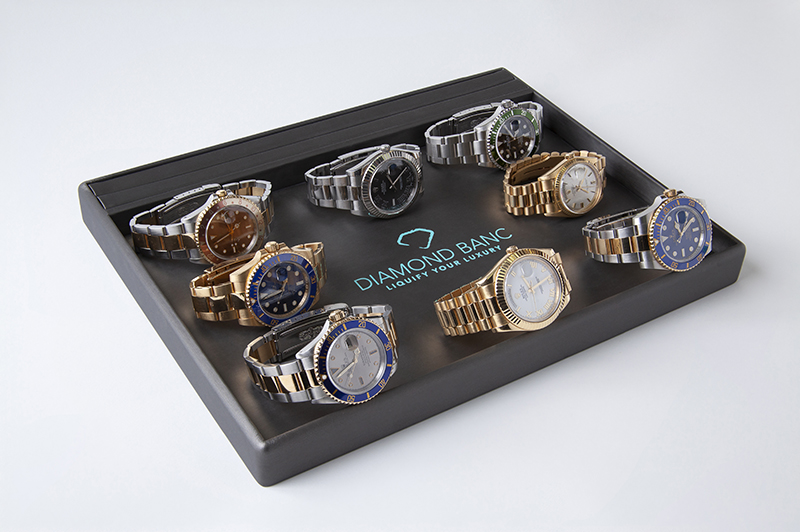
The real gap between Daytona retail and resale right now
That pricing reality is the more useful number for an owner to know. Against the $16,900 official retail price for the steel Daytona, independent market tracker WatchCharts put the pre-owned price of that same watch at $32,114 as of October 16, 2026. That’s a secondary-market premium of roughly 90% over what Rolex charges for a new one. If you want it as a worked example: ($32,114 – $16,900) ÷ $16,900 = a 90% premium riding on top of retail, as of that mid-October 2026 reading.
Zoom out across the Daytona line and the pattern holds, though it varies by reference. WatchCharts tracks 42 different Daytona models, and the collection as a whole shows roughly 40.5% average value retention with an average secondary price near $36,000; individual references range from around $16,000 to well over $380,000 depending on metal, dial, and rarity. It’s worth being precise here rather than nostalgic: today’s premium is real, but it sits below the peak the Daytona market hit in 2022, so an owner should check a live price source rather than assume an older “double or triple retail” figure still applies to their exact reference.
What customization does to loan and resale value
This is the part of the Ballon d’Or story that’s easy to misread. Kane’s sapphire-set Daytona and Henry’s blacked-out Patek are striking precisely because they’re not standard watches, and in both cases the alterations were done by recognized specialists working with (or widely known in) the collector world. But that distinction matters enormously when it’s your own watch being valued. A factory reference with aftermarket diamonds added by a local jeweler, an engraved caseback, or a non-authentic bracelet swap is not the same thing as a documented, brand-adjacent customization commissioned for a red-carpet moment. Unauthorized modifications and non-original parts complicate authentication and typically reduce what a lender or buyer will offer compared to the same watch in unmodified, catalog condition. If your Rolex has been altered from how it left the factory, that history needs to be disclosed and assessed by someone who can tell the difference, not assumed to add value the way it did for a celebrity one-off.
What this means if you’re deciding what to do with your Rolex
None of this changes what your specific watch is worth; it changes how confidently you can act on that value while demand for Rolex sport models is this visible. A model- and reference-specific valuation, checked against current secondary-market data rather than a general sense that “Rolex holds value,” is the only way to know where your piece actually sits. If you’re trying to get a sense of how much your Rolex is worth before deciding anything, start there rather than guessing from headlines about someone else’s custom Daytona.
From there, you have two straightforward paths. If you’re ready to part with the watch, working with the best place to sell a Rolex means getting an offer built on the same kind of current market pricing referenced above, not a flat pawn-shop guess. If you’d rather keep the watch but need liquidity now, a Rolex-secured loan lets you use it as collateral while retaining ownership, which is often the better call when a reference’s resale premium is this strong and you’d rather not give it up permanently. Either way, the starting point is the same: a transparent, reference-specific valuation from someone who actually tracks the secondary market, not an assumption based on what looked good on television.
For more on how specific Rolex references are pricing right now, including models beyond the Daytona, the 2026 Rolex price list and a closer look at what drives Rolex’s reputation for precision and resale strength are useful next reads before you decide whether to sell or hold.
Like what you’re reading?
Add us in Google — more like this is on the wayRelated Posts

 Instagram
 Facebook
 Tiktok
 YouTube