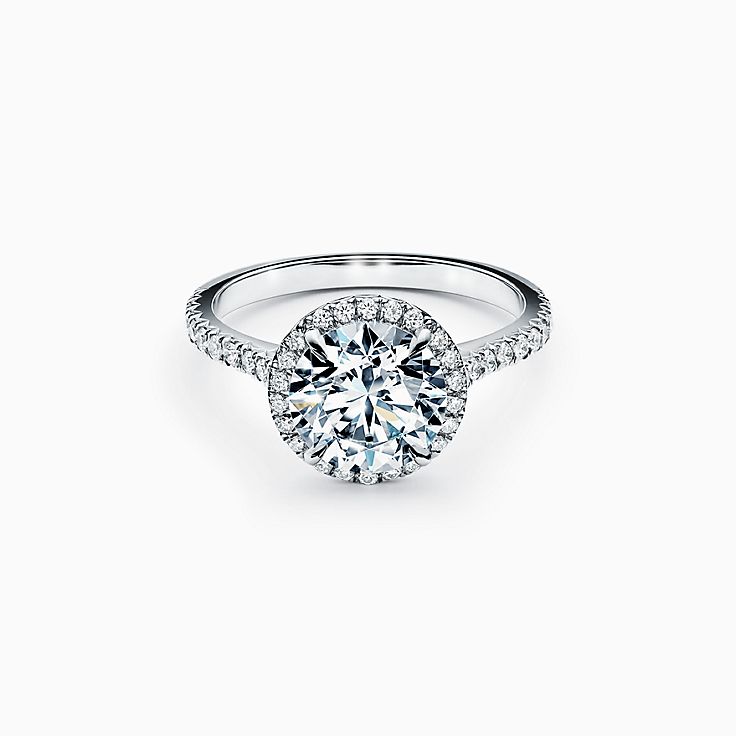
Selling a ring to a jewelry store feels like it should be simple: walk in, hand over the ring, walk out with a check. In practice, the number you’re offered depends on a chain of decisions, how the stone is graded, how the metal is weighed, whether anything has been treated or altered, and whether the person across the counter is qualified to evaluate any of it. Most sellers lose money not because they got a bad offer, but because they didn’t understand what the offer was actually based on.
What a Jewelry Store Actually Pays For When You Sell a Ring
A ring’s resale offer is built from two separate components that get evaluated independently: the metal (melt value, if it’s being bought for scrap or recycling) and the center stone or diamonds (graded on quality and current market demand for that specific combination of characteristics). A store doesn’t pay for sentimental value, original retail price, or what you paid for insurance coverage. It pays for what the metal and stone are worth to a buyer today, and that number moves with the market on a daily basis.
If your ring has a diamond, the store (or an independent lab) will grade it on the traditional 4Cs: cut, color, clarity, and carat weight. If it’s primarily a gold band or a gold-and-diamond combination, the gold content gets weighed and calculated separately from the stone. Understanding which bucket your ring falls into, and sometimes it’s both, is the first step to knowing whether an offer is reasonable.
GIA Reports vs. Appraisals: Why They Answer Different Questions
These two documents get confused constantly, and the confusion costs sellers money. A GIA report is a technical quality assessment: it states the diamond’s cut, color, clarity, and carat weight based on laboratory examination. GIA does not certify or appraise diamonds, and its reports never state a dollar value; they provide the quality data that someone else then uses to determine value.
An appraisal is a different document entirely. It assigns a monetary figure based on current market conditions and the diamond’s measured quality, using the grading report as one input. So when someone asks “which one determines what a store will pay,” the honest answer is neither one directly. The GIA report establishes facts about the stone. The appraisal interprets those facts into a number, but that number is still not the same thing as a cash offer, for reasons explained below.
There’s also a credibility gap between grading labs worth knowing: reports from well established, independent labs tend to carry more weight in resale than reports from labs with looser commercial ties to the diamond trade. If your ring came with a report from an unfamiliar lab, a store may discount its findings or want to regrade the stone before making an offer.
Why the Cash Offer Is Always Lower Than Your Insurance Appraisal
This is the single most common source of seller frustration, and it isn’t a sign you’re being cheated. Insurance appraisals, grading reports, and cash offers are built on three entirely different definitions of value:
- Replacement value (what your insurance appraisal shows) estimates the cost to replace the ring new, at full retail, including the jeweler’s markup, labor, and overhead.
- Fair market value is the standard used for estate and tax purposes: what a willing, knowledgeable buyer would pay a willing, knowledgeable seller, with neither under pressure.
- Immediate liquidation value is the worst-case, forced-sale number, and it’s typically far lower than replacement cost.
These three figures are built on different standards entirely, and the gap between your insurance number and a cash offer is expected, not evidence of a lowball valuation. A store’s cash offer sits closer to fair market or liquidation value because it has to account for the cost of reselling the stone or recasting the metal, plus its own margin. If your ring was insured for $12,000 in replacement value, an offer in the $4,000 to $6,000 range isn’t necessarily unfair; it may simply reflect a different, equally legitimate, way of measuring value.
How Gold Melt Value Is Calculated (With a Real Example)
If your ring’s band is gold, part of its value comes from the raw metal itself, independent of any stone. Gold purity is expressed in karats: an 18-karat item is 18 parts gold to 6 parts other metal by weight, while a 14-karat item is 14 parts gold to 10 parts other metal. That ratio, multiplied by the ring’s weight and the current spot price of gold, is how melt value gets calculated before any dealer margin is applied.
Here’s a worked example using a gold spot price of $4,213 per ounce. A 5-gram, 14-karat gold ring converts to pure gold content as follows:
5 grams x (14/24 karat purity) / 31.1035 grams per troy ounce x $4,213/oz = approximately $395.07 in raw gold value, before any stone value and before the dealer’s margin is subtracted.
That figure moves daily, so a ring’s melt value today could differ meaningfully from its value a few months ago. No store pays full spot price, since refining, assaying, and resale all cost money, but a fair offer should be a transparent percentage of spot, not a flat number pulled out of the air. If you’re weighing whether to sell a gold ring or piece of jewelry outright, it’s worth comparing the melt math against what a specialized buyer offers through a gold and silver evaluation before accepting the first number you hear.
Treatments and Alterations That Quietly Cut Resale Value
Two diamonds that look identical to the naked eye can be worth very different amounts if one has been treated. Federal rules require disclosure of treatments, such as laser drilling, that reduce a diamond’s value relative to an untreated comparable stone. If a seller or a previous owner didn’t disclose a treatment, you may not find out until a buyer’s gemologist spots it during evaluation, at which point the offer drops.
Fracture filling is one of the more damaging treatments because it’s easy to miss without lab equipment. A fracture-filled diamond is heat- and chemical-sensitive, requires special non-ultrasonic cleaning, and typically resells for only 20 to 40 percent of what a comparable untreated diamond would bring. If your ring has ever been repaired, resized, or cleaned at a jeweler you didn’t fully trust, it’s worth asking directly whether the stone shows any sign of filling or drilling before you get an offer, so there are no surprises at the counter.
Gold purity marks deserve a second look too. A karat stamp like 18K or 14K must appear alongside the name or U.S. registered trademark of the company standing behind that mark; a karat stamp with no accompanying trademark is a warning sign that the purity claim may not be reliable, which matters both when you bought the ring and when you’re trying to verify its content before selling it.
How to Tell If a Jewelry Store Is Trustworthy
This is the question with the least regulatory backstop, so it’s worth taking seriously. There are no U.S. laws or regulations setting educational standards or requiring certification to call oneself a jewelry appraiser, which means anyone can hand you an “appraisal” with no guarantee it reflects actual market knowledge. Checking credentials is entirely on you as the seller.
Before trusting a valuation, look for these specifics:
- Professional affiliation. A trustworthy appraiser should belong to a national appraisal organization such as the National Association of Jewelry Appraisers, which requires continuing education and USPAP compliance, the same ethical and methodological standard used in real estate and personal property appraisal nationally.
- Gemological credentials. The appraiser should hold, at minimum, a GIA Graduate Gemologist (G.G.) diploma or an equivalent formal gemological education, not just on-the-job experience.
- Honest numbers, not inflated ones. Intentionally over-valuing an item on an appraisal is considered illegal under FTC guidelines and unethical by every nationally recognized appraisal organization, so a store that pads your appraisal number to make you feel better about a later low offer is not doing you a favor.
- Willingness to explain the math. A store that can walk you through how it reached a figure, metal weight and purity, stone grading, current market comparisons, is operating differently from one that just states a number and waits for you to accept it.
This is also where the type of buyer matters. A general pawn shop or a store that mostly sells new jewelry may not have a gemologist on staff at all, while a buyer that specializes in fine jewelry and watches typically has evaluators trained specifically for resale, not retail, pricing. Diamond Banc’s local market directors and in-house specialists provide model- and stone-specific valuations and walk sellers through exactly how an offer is built, which is worth comparing against a generic in-store number before you commit.
Getting a Second Opinion Before You Sell
Because there’s no regulatory floor on who can call themselves an appraiser, getting a second opinion costs little and protects a lot. If a store’s offer feels disconnected from your ring’s documented grading or current gold spot pricing, it’s reasonable to ask for the grading report, ask which organization the appraiser belongs to, and take the ring elsewhere for comparison before accepting. A ring is rarely a decision you’ll revisit, so a day or two of extra diligence is proportionate to what’s at stake.
If the ring in question is an engagement ring you’re ready to part with, Diamond Banc’s engagement ring evaluation provides a transparent, documented valuation rather than a single take-it-or-leave-it number. For diamonds specifically, a diamond buyer who can explain grading in plain terms, and show the comparable market data behind an offer, is a very different experience from a counter transaction with no explanation. And if you’re not ready to sell outright, it’s worth knowing that a ring’s value can sometimes be accessed through a loan instead; the considerations are different and covered in our guide on using an engagement ring for a jewelry equity loan.
If you’re still deciding between a quick sale and a longer consignment process, our comparison of consignment versus selling outright breaks down the tradeoffs, and our guide to getting the most when selling your jewelry covers preparation steps that apply whether you sell locally or ship the piece in. Whichever path you choose, insist on an evaluator who can explain, in plain terms, how your ring’s grading, metal content, and current market pricing added up to the number on the check.
Like what you’re reading?
Add us in Google — more like this is on the wayRelated Posts
 Instagram
 Facebook
 Tiktok
 YouTube