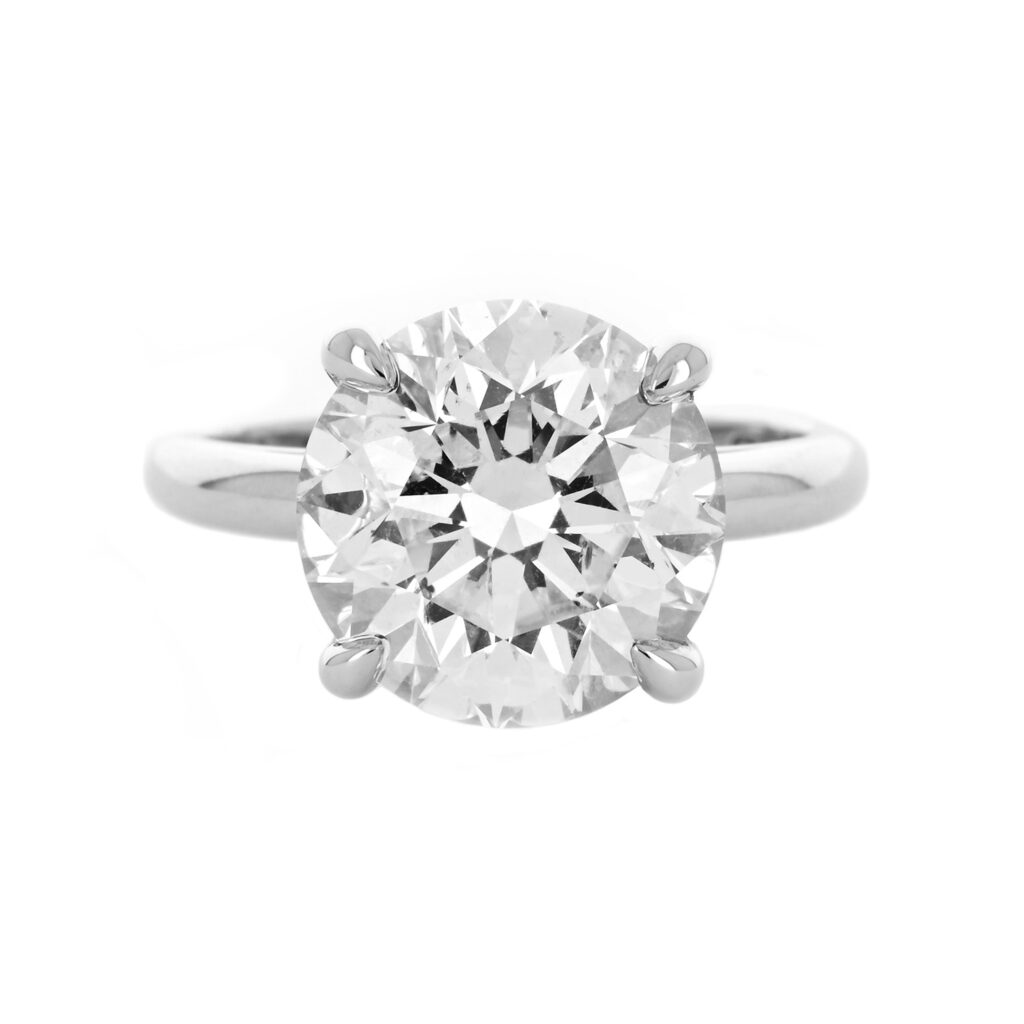
If you need cash but don’t want to sell your engagement ring, you’re not stuck choosing between the two. A jewelry equity loan lets you use the ring as collateral, get funds within days, and get the exact ring back when you repay. It’s a different mechanism than selling outright, and different from a traditional pawn shop transaction, even though the ring changes hands temporarily in both cases. Understanding how the loan amount is calculated, what happens if you can’t repay on schedule, and where regulators require lenders to be honest about cost will tell you whether this is the right move for your specific ring and situation.
What a Jewelry Equity Loan Actually Is
A jewelry equity loan is a secured loan: you hand over your engagement ring, a lender appraises it, and you receive cash based on a percentage of that appraised value. You are not selling the ring. You’re using it as collateral for a ring-secured loan, with the ring itself held as collateral until you repay. This is legally distinct from an outright sale, and it’s also distinct from what most people picture when they hear “pawn shop,” though federal regulators actually classify these as pawn transactions for disclosure purposes.
Diamond Banc structures its jewelry equity loans as renewable 30-day terms that extend indefinitely as long as you make the minimum interest payment each period, and you can draw the balance up or down like a line of credit rather than being locked into a single lump-sum payoff date. That structure matters if your cash need is short-term but you’re not certain exactly when you’ll be able to repay in full.
Will You Get Your Exact Ring Back?
Yes, assuming you repay the loan under its terms. This is the core difference between a jewelry equity loan and selling: when you sell, the ring is gone for good, and the stone may be taken out of its setting and the gold sent to be refined. When you take out a loan against the ring, the lender holds your specific ring, not its melt value or resale equivalent, and returns that same ring to you once the loan is satisfied. If you never repay, the lender’s remedy is to eventually sell the ring to recover what’s owed, but that’s a last resort after the loan period and any grace terms have lapsed, not an automatic forfeiture the moment a payment is late.
How Much You Can Actually Borrow
Loan-to-value ratios on jewelry equity loans are lower than what you’d get on a home or a car, because the collateral is harder to liquidate quickly and its value can be more subjective. According to Diamond Banc’s Kansas City director, the company loans up to 75% of a piece’s appraised value. That percentage is applied to the appraisal figure the lender assigns, not necessarily what you originally paid for the ring, which is a distinction worth sitting with before you go in expecting a specific number.
Cost matters as much as the percentage. The same Diamond Banc director noted the company charges 8% interest for the first 30 days, compared to traditional pawn shops that can charge up to 17% for the same period, an amount that works out to roughly 204% APR when annualized. Over a loan you expect to carry for a few months, that gap compounds quickly.
What Actually Determines the Loan Amount: Diamond, Gold, or Both
An appraiser evaluating your engagement ring for loan purposes looks at two separate value components: the metal in the band and mounting, and the diamond or gemstone itself. These don’t move together, and lately they’ve been moving in opposite directions. Gold has been near record territory, with spot price at $4,273.20 per troy ounce as of September 24, 2026, after setting an all-time high of $5,589.38 per ounce on January 28, 2026. Diamonds have gone the other way: according to IDEX, which tracks global diamond trends, diamond prices had fallen roughly 84% since 2022 as of January 2026, driven in part by competition from lab-grown diamonds. That means the gold in your ring may currently represent a larger share of its loan-eligible value than the center stone does, even if the diamond was the more expensive part of the ring when you bought it.
Worked Example: What the Gold Alone Is Worth
Take a 14-karat engagement ring band, which is 58.3% pure gold, weighing 5 grams. Using the September 24, 2026 gold spot price, converted to $137.39 per gram, the calculation is straightforward: 5 grams x 0.583 purity x $137.39 per gram equals approximately $400.49 in gold melt value alone. That figure excludes the diamond entirely. It’s a useful baseline for understanding that your ring’s metal has a real, calculable floor value independent of the stone, which an appraiser will factor into a loan offer separately from whatever the diamond appraises for.
What Happens If You Can’t Repay
Missing a single payment date does not mean instant, permanent loss of the ring. Because Diamond Banc’s loans run on renewable 30-day terms, the structure is built around ongoing interest payments rather than a single hard deadline, which gives you room to extend the loan as long as you keep current on the minimum interest due each period. The real risk shows up if you stop making payments altogether: at that point, the lender’s collateral agreement allows them to sell the ring to recover the loan balance, the same outcome as any secured loan where the collateral is forfeited after sustained non-payment. Before signing, ask specifically what triggers default, how much notice you get, and whether partial payments can keep the loan active.
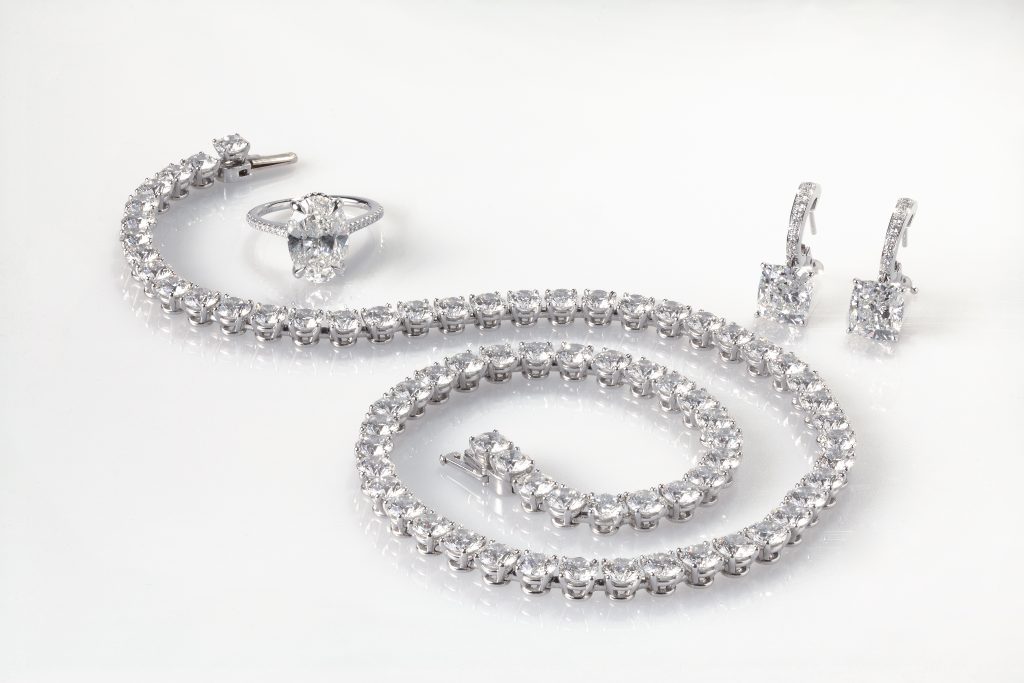
Are These Loans Regulated, or Can a Lender Hide the True Cost?
They are regulated, and the regulation exists specifically because some lenders in this space have tried to obscure the real cost. Federal Truth in Lending regulations specifically address jewelry-secured pawn transactions, defining the finance charge as the difference between the cash you receive and the redemption price you’ll eventually pay, and requiring the APR to be calculated over the actual agreed term rather than a simplified monthly rate. This isn’t a theoretical protection: the CFPB has sued multiple pawn and jewelry-collateral lenders for disclosing artificially low APRs that in some cases understated the true annual cost by as much as half. Before you agree to any jewelry-secured loan, ask the lender to state the APR in writing, calculated over your specific term, not just a monthly interest figure. If they hesitate or can’t produce it, that’s a signal to walk.
A related protection covers how your diamond is described. The FTC’s Jewelry Guides require that if a lender or appraiser makes any grading or quality representation about a diamond, they must disclose which grading system they’re using, such as GIA. If someone tells you your stone is “a G color, VS1 clarity” without naming the standard behind that grade, ask directly. It affects how much weight that grade should carry in your loan valuation.
Why Your Ring Might Appraise for Less Than You Paid
This is the moment that catches most people off guard. The price you paid for your engagement ring reflects retail markup: the jeweler’s margin, the setting’s craftsmanship, the branding, and often a certified appraisal meant for insurance replacement purposes. That insurance appraisal is designed to reflect what it would cost to replace the ring at full retail today, not what the components are worth in a loan or resale transaction. Sharp declines in diamond prices over the past few years mean that the loan-eligible value of many rings now leans more heavily on the gold content than the stone, which is a real shift from how these rings were priced and valued even a few years ago. It’s not a sign anything is wrong with your ring. It reflects how the secondary market for diamonds and the market for gold have diverged.
Loan or Sale: How to Decide
If your need for cash is temporary and you expect to be able to repay within a few months to a year, a jewelry equity loan preserves the ring while giving you access to a meaningful percentage of its value. If the need is permanent, or you no longer have an emotional or practical reason to keep the ring, selling it outright may net you more total cash without an ongoing interest cost. Diamond Banc offers both paths through the same process: a transparent, model- and stone-specific valuation from specialists rather than a generalized pawn-shop estimate, whether you decide to use your engagement ring as collateral for a loan or to sell the ring outright. Local market directors and human specialists handle the appraisal in person at a physical office, or you can ship the ring securely and complete the transaction without visiting in person, since the process works the same way nationwide.
If your ring includes other materials worth separating out in the valuation, such as a larger gold band, side stones, or a designer setting, it’s worth asking the appraiser to break down each component’s contribution to the offer, whether you’re pursuing a gold and silver valuation or a broader diamond buyer assessment. Understanding which part of your ring is driving the number helps you evaluate whether the offer is fair before you commit either to a loan or a sale.
Questions to Ask Before You Commit
- What is the annualized APR on this loan, calculated over my specific term, not just a monthly rate?
- What grading system was used to evaluate my diamond, and can I see that documentation?
- What percentage of the appraised value is attributed to the gold versus the stone?
- What exactly triggers default, and how much notice will I get before the ring is sold?
- Can I make partial payments to keep the loan active if I can’t pay the full balance at once?
If you’re still weighing whether to keep the ring long-term at all, it can help to read through what’s involved in selling an engagement ring online or the broader breakdown of what an engagement ring is worth and how the sale process works before you decide. Either way, getting a clear, specific valuation first, before you commit to a loan or a sale, is what turns a stressful cash need into a decision you can actually stand behind.
Like what you’re reading?
Add us in Google — more like this is on the wayRelated Posts
 Instagram
 Facebook
 Tiktok
 YouTube