An engagement ring can carry years of meaning, but owning it does not mean you have to keep it forever. After a divorce, inheritance, financial change, or simply a decision to close a chapter, selling can turn unused jewelry into useful liquidity while giving you control over what happens next. This guide is part of Diamond Banc’s selling diamonds and fine jewelry guidance, with a specific focus on owners who are ready to sell an existing engagement ring.
Sell your engagement ring with Diamond Banc
The best way to learn how to sell an engagement ring is to compare its current market value with the documentation you have. Then work with a reputable buyer who explains the evaluation and offer clearly. An appraisal can provide helpful context, but it does not guarantee a resale price. The diamond, setting, documentation, and current demand all influence what a buyer may offer.
That makes the decision less about the ring’s original retail price and more about choosing a safe, transparent process that fits your timing and circumstances. Start by considering why selling feels right and what a respectful, practical outcome looks like for you.
Why Selling an Engagement Ring Can Be the Right Decision
Selling an engagement ring can be a practical choice when the meaning, circumstances, or financial role of the piece has changed. An owner may be navigating a divorce, settling an inheritance, upgrading to a different piece, or converting an underused asset into available cash. The decision does not need to be framed as a judgment about the past. It can simply reflect what makes sense for your life now.
For many owners, the best approach is a private, informed evaluation with a professional buyer who understands fine jewelry and treats the process with care. That gives you room to understand your options without turning an emotional transition into a rushed transaction.
Answer capsule: Selling an engagement ring may make sense after divorce, an inheritance, an upgrade, or a need for liquidity. A professional evaluation can help you make the decision with practical information, privacy, and respectful guidance instead of relying on sentiment or pressure.
After a divorce or major life change
An engagement ring can carry memories that no longer fit the owner’s present circumstances. Keeping it may feel uncomfortable, while selling it can create a clear boundary and remove the responsibility of storing or managing an item tied to a difficult period. Professional, empathetic assistance can make this process more manageable, particularly when privacy and a straightforward experience matter. Diamond Banc describes its approach as treating clients’ assets with respect and professional care during significant life transitions.
When an inherited ring does not fit your plans
Inherited jewelry can be meaningful without being wearable, practical, or aligned with your personal style. Several heirs may also need to divide an estate fairly. A professional evaluation gives the owner a starting point for deciding whether to keep, gift, or sell the ring. It can also help separate the ring’s personal history from the question of how it serves the people who own it today.
When you want to upgrade or create liquidity
Some owners choose to sell an existing ring when their preferences have changed and they no longer plan to use the piece. Others need liquidity for a broader financial reorganization or an immediate priority. In either situation, selling can be a way to put an inactive asset to work. The goal is not to force a decision or promise a particular outcome. It is to understand the ring’s current role, learn what a professional buyer is prepared to offer, and decide whether that result supports your next step.
- Consider selling if the ring no longer fits your life or plans.
- Seek a private evaluation when the circumstances are sensitive.
- Take time to review the offer before deciding.
This life-transition perspective is different from shopping for an engagement ring or following a generic resale checklist. It starts with the owner’s circumstances, then moves toward a clear and respectful way to evaluate an existing asset.
What Determines an Engagement Ring’s Resale Value?
Direct answer: An engagement ring’s resale value is based on what a qualified buyer can reasonably sell or use in today’s market, not simply its original price or insurance appraisal. Diamond quality, whether the stone is natural or lab-grown, the setting, documentation, condition, and current supply and demand all influence the offer.
Understanding the numbers begins with separating three different concepts. They can describe the same ring, but they answer different questions:
| Value type | What it describes | What it does not guarantee |
|---|---|---|
| Original retail price | What you paid a retailer, including retail operating costs, markup, design, and service. | The amount a future buyer will pay for the ring. |
| Appraisal value | An estimate prepared for a stated purpose. An insurance appraisal often reflects replacement cost. | The ring’s likely cash resale price. GIA notes that an appraisal is not the same as resale value. |
| Current resale offer | A buyer’s present offer after reviewing the ring, its documentation, and market conditions. | A permanent value. Offers can change as supply, demand, and economic conditions change. |
Retail price and resale offer often differ substantially. Retailers include significant markup in the original purchase price, while a resale buyer must account for the market in which the ring can realistically be resold. That difference is not a judgment about the ring or its emotional importance. It reflects the distinction between a retail transaction and a current asset evaluation.
Diamond quality and documentation
The diamond’s cut, color, clarity, and carat weight, known as the 4Cs, help establish its quality and explain why two diamonds with similar appearance may receive different evaluations. A reputable grading report provides an objective description of the stone. GIA describes its grading system and the 4Cs at GIA’s diamond grading overview.
A grading report is not the same as a jewelry appraisal. The report assesses the diamond, while an appraisal assesses the jewelry piece for a stated purpose. Original reports, receipts, appraisals, and other ownership paperwork can make the evaluation more efficient and give a buyer clearer information. Keep those materials together rather than relying on memory or an old online listing.
Whether the center stone is natural or lab-grown can also affect resale value. Market supply and demand influence both categories, and lab-grown diamonds generally have lower resale value because of increasing supply. The setting matters as well. Its metal, craftsmanship, condition, brand, and design may support the overall offer, but the setting does not automatically preserve the original retail premium.
Market demand and the buyer’s evaluation
Current demand for a particular diamond size, quality range, metal, or style affects what a professional buyer can offer. For that reason, an appraisal can help you understand the ring, but it cannot establish a guaranteed cash result. The most useful comparison is between transparent offers based on a documented evaluation and current market conditions. Ask what information was reviewed, what fees apply, and how the offer was determined.
How to Prepare Your Ring Before You Sell
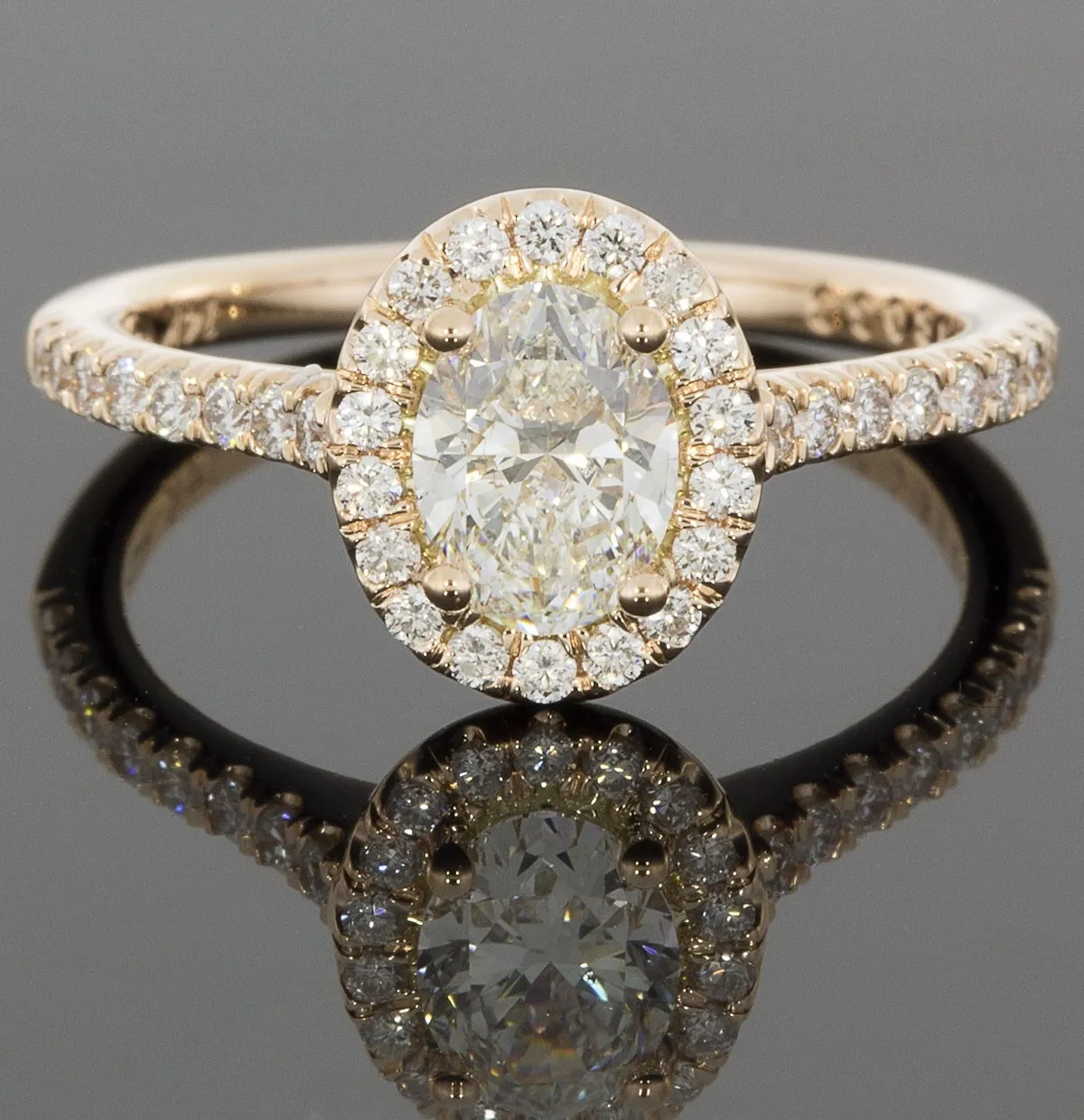
Direct answer: Before you sell an engagement ring, gather its grading report, receipts, appraisal, and ownership records. Learn what the paperwork does and does not prove, clean the ring gently, and document its condition. A complete, organized file helps a buyer evaluate the piece accurately and helps you compare offers with more confidence.
-
Gather every document you already have. Look for the diamond grading report, purchase receipt, insurance appraisal, repair records, and any documentation that identifies the setting or stone. A GIA report can help demonstrate diamond quality, which is important when value is being determined. Keep original paperwork and appraisals together, since organized records can make the selling process easier. You do not need to create a new appraisal simply because you are preparing to sell. GIA explains why documentation matters when selling jewelry.
-
Separate a grading report from an appraisal. These documents answer different questions. A diamond grading report evaluates the stone’s characteristics. An appraisal evaluates the jewelry piece and may assign a value for a specific purpose. An insurance appraisal often reflects replacement cost, not the amount you should expect from a resale transaction. Read the date, purpose, and description on any appraisal before treating its figure as a likely offer. GIA details the difference between a grading report and an appraisal.
-
Review the diamond details. If you have a report, note the four characteristics used to describe diamond quality: cut, color, clarity, and carat weight. These 4Cs provide a common framework for understanding why a diamond may be evaluated at one level rather than another. Do not assume that a report alone determines the final offer, since the complete ring and current market conditions also matter. GIA describes the 4Cs used in diamond grading.
-
Clean the ring gently. Mild soap and water can improve the piece’s presentation before an evaluation. Use a gentle approach and avoid aggressive scrubbing, harsh chemicals, or improvised tools that could damage the setting. Dry it carefully, then inspect it in good light for visible wear, loose stones, bent prongs, or previous repairs. Do not make a costly repair solely to prepare for a sale unless a qualified professional recommends it.
-
Document condition and confirm ownership. Take clear photographs of the ring from several angles and write down any known damage, alterations, or sentimental details you want recorded. Confirm that you have the right to sell the piece and gather records that support its history. If another person, estate, or legal process may have an ownership interest, pause and resolve that question before sending or transferring the ring. This is a practical recordkeeping step, not legal advice.
Once your documents and notes are organized, you can approach buyers with a clearer understanding of what they are evaluating. Ask how the ring will be examined, which documents they considered, and whether any fees or conditions apply before accepting an offer.
Where Is the Best Place to Sell an Engagement Ring?
Answer: The best place depends on whether you value speed, privacy, control, or the possibility of reaching an individual buyer. A professional direct buyer is usually the most efficient option, while consignment, auction, marketplace. And peer-to-peer routes can offer more control but often require more time, effort, and risk.
Before choosing a route, decide what a successful sale looks like for you. Someone managing a major life transition may prioritize a discreet process and a clear offer. Another seller may be willing to wait longer to manage the listing, communicate with prospective buyers, and negotiate. Getting quotes from several types of buyers can help you benchmark a reasonable resale price rather than relying on an unsupported “highest price” promise. For more guidance, read this overview of the best place to sell jewelry.
| Selling route | Speed | Privacy | Seller control | Key tradeoff |
|---|---|---|---|---|
| Professional direct buyer | Often fast | Typically high | Clear decision after evaluation | The offer reflects current market conditions, so it may differ from the original retail price or an insurance appraisal. |
| Consignment | Variable | Moderate | Some control over terms and asking price | Payment depends on a future sale, and fees, timing, and markdown terms should be understood in advance. |
| Auction or online marketplace | Variable to slow | Low to moderate | More control over presentation and listing terms | Results can vary with audience demand, fees, bidding activity, shipping, and dispute procedures. |
| Peer-to-peer listing | Unpredictable | Low | High control over the listing and conversations | You must handle buyer screening, negotiation, payment, delivery, and personal safety yourself. |
Professional direct buyers
Established professional buyers are often safer and faster than peer-to-peer websites because the process is designed around evaluation and purchase rather than an open-ended listing. Look for a buyer with a physical business location or verifiable industry credentials. Ask how the ring will be evaluated, what documentation is considered, whether any fees apply, and when payment would be made. A transparent process makes it easier to compare an offer with other options.
Consignment, auction, and marketplace sales
These routes can make sense when you want to retain more control over the asking price or presentation. However, control also brings responsibility. Confirm the commission structure, insurance coverage, minimum price, storage arrangements, return policy, and expected timeline. An auction or marketplace may expose the ring to more potential buyers, but visibility does not guarantee a sale or a particular price.
Peer-to-peer listings
A private listing may appear straightforward, but it places nearly every part of the transaction on you. Avoid sharing unnecessary personal information, verify payment before releasing the ring, and use a secure process for any in-person meeting or shipment. If you are uncertain how to assess a buyer’s credentials, this guide explains how to find a trusted diamond buyer.
How to Sell an Engagement Ring Through a Professional Buyer
Answer: To learn how to sell an engagement ring with less uncertainty, choose a professional buyer that explains its evaluation process. Reviews the ring against current market conditions, and presents an offer without pressure. You can typically arrange an office visit for an in-person experience or use a secure, insured, trackable mail-in service when privacy and convenience matter.
A direct buyer evaluates an existing engagement ring as an asset rather than asking you to recreate its original retail purchase story. Diamond Banc offers an outright purchase option. And its approach is designed to be transparent and comfortable for people handling a significant life transition or a private financial decision. The final offer depends on the ring and the market, so no reputable buyer should promise a specific amount before evaluation.
- Choose a verifiable professional buyer. Look for an established business with a physical location or another verifiable industry presence. This gives you a clear place to direct questions and a way to confirm who is handling your jewelry. A professional process should also explain what happens after you submit the ring, how the evaluation works, and whether any fees apply.
- Select the evaluation path that fits your circumstances. An office appointment can provide a direct, face-to-face experience. If visiting an office is inconvenient or you prefer to limit exposure during a sensitive transition, Diamond Banc also supports a secure mail-in route. The mail-in service is fully insured and trackable, helping you follow the shipment while your ring is being evaluated. You can sell an engagement ring through the path that best fits your needs.
- Provide the ring and available documentation. Share the engagement ring, along with any grading report, appraisal, purchase records, or other ownership documentation you have. These materials can help the buyer understand the piece, but an appraisal is not the same as a resale offer. The evaluation should account for the ring itself and current market conditions rather than simply repeat an older figure.
- Ask how the offer was determined. A clear buyer should discuss the relevant characteristics of the diamond and setting, explain the evaluation in understandable terms, and be transparent about the transaction. Diamond Banc positions its process around professional care, privacy, and clarity. If an offer comes with unexplained fees, pressure to decide immediately, or a guarantee unsupported by an inspection, pause and ask for more information.
- Review the offer and decide without pressure. Take time to compare the terms with your goals and the information you have gathered. The purpose of a professional buyer is not to force a decision, but to make the next step easier to understand. For a broader explanation of the information professionals review, see how diamonds are appraised.
A respectful transaction should leave you clear on what was evaluated, what the offer means, and what happens next. That combination of privacy, traceability, and straightforward communication can be especially valuable when selling an engagement ring is part of a larger life change.
Find out what your diamond ring is worth
Frequently Asked Questions
How can I sell an engagement ring for the best price?
Start with a clear record of the ring, including its grading report, appraisal, receipts, and any ownership documentation. Compare offers from established buyers, and ask how each one evaluates the diamond, setting, current demand, and any associated fees. Avoid a specific “highest price” promise before the ring has been professionally inspected.
Where is the best place to sell a diamond engagement ring?
The best option depends on whether you prioritize speed, privacy, or the possibility of finding an individual buyer. An established professional buyer can provide a direct transaction and a defined evaluation process, while a marketplace or consignment route may require more time and seller involvement. Verify the buyer’s physical location or established industry credentials before sending valuable jewelry.
Is it worth selling an engagement ring?
It can be, especially when the ring no longer fits your plans or you need liquidity during a life transition. The amount you receive will not necessarily match the original retail price or an insurance appraisal. A professional evaluation can help you compare the current market offer with the ring’s practical and personal value.
Do I need GIA certification to sell my engagement ring?
No, a GIA grading report is not required for every sale. However, documentation can make the diamond’s quality easier to verify. A grading report assesses the diamond, while an appraisal assesses the jewelry piece and may estimate a different type of value. GIA explains the distinction.
What is the process to sell an engagement ring to Diamond Banc?
Diamond Banc begins with an evaluation by professional GIA graduate gemologists. After reviewing the ring and current market factors, the team presents a purchase offer for your consideration. You can use a local office or the secure, insured, trackable mail-in service, depending on your location and preference.
Get started with a confidential valuation
If you are considering selling an existing engagement ring, an informed valuation can help you understand its current value and choose your next step with greater confidence. Diamond Banc offers a professional, seller-first way to begin without pressure or retail purchase advice. Contact the team to find out what your ring may be worth and start a confidential valuation.
Find out what your diamond ring is worth
Like what you’re reading?
Related Posts
 Instagram
 Facebook
 Tiktok
 YouTube