Finding the right buyer for your high-value assets can feel overwhelming when you want to secure a strong return. The best place to sell jewelry depends entirely on your goals for speed, convenience, and transaction security. Understanding your options upfront helps you protect your investment and make a smart financial decision with total confidence.
The best place to sell jewelry is a professional luxury buyer that employs GIA-trained gemologists and offers immediate, secure funding. While online auctions and consignment services can reach a large pool of bidders over several weeks, direct sales provide same-day payment and bank-level security. Before choosing a venue, the Federal Trade Commission recommends asking for personal referrals, reading online reviews, and checking consumer complaints. Getting a professional appraisal from an expert also establishes a clear baseline price. This allows you to evaluate offers with confidence and get a competitive return for your luxury diamonds, watches, or jewelry. An expert GIA-trained team can accurately grade your item to ensure you receive a fair, market-driven offer immediately.
Get a free no-obligation quote from Diamond Banc and discover what your jewelry is worth today.
Top Places to Sell Jewelry, Compared
If you are searching for the best places to sell jewelry, here is a quick breakdown of the major options available today, and how each one stacks up on speed, fees, and expertise.
- Direct Luxury Buyers (Diamond Banc): GIA-trained gemologists provide same-day cash offers with zero seller fees, bank-level security, and 15 physical locations plus a nationwide insured mail-in service.
- Online Auction Platforms (Worthy): A broker model that lists your jewelry for competitive bidding among a professional buyer network. Offers can be strong, but expect 10-18% commission fees and a 14-18 business day wait before payment.
- Traditional Auction Houses (Sotheby’s, Christie’s): Best suited for museum-quality or rare pieces, but timelines can stretch for months and fees are comparable to or higher than online auction platforms.
- Local Pawn Shops: Fast, same-day cash, but staff typically lack GIA training and offers are usually based on scrap metal weight rather than true gemstone or brand value.
- Online Marketplaces (eBay, Facebook Marketplace): No listing expertise or fraud protection, slow to sell, and carries the highest risk of scams or chargebacks.
Choosing the right selling avenue is much simpler once you have a clear picture of what your luxury assets are actually worth on the secondary market. We will now break down how expert appraisers calculate this baseline value, starting with the details of understanding what your jewelry is worth.
Understanding What Your Jewelry Is Worth
Before you look for the best place to sell jewelry, you need to understand how experts find its value. The price of luxury jewelry depends on several key parts. These include the purity of the precious metals, the quality of the gemstones, and the strength of the brand. Knowing how these factors work helps you set realistic expectations and spot strong offers from professional buyers.
The Role of Appraisals and Legal Baselines
Getting a fair market value appraisal is a critical first step when selling jewelry to establish a baseline price, as noted by the Gemological Institute of America (GIA). This type of appraisal shows what a willing buyer would pay a willing seller in the open market. It is different from a retail replacement appraisal, which shows the cost to buy a new item for insurance purposes. You must also know that GIA does not certify appraisers themselves. While they teach students how to grade gems, writing an appraisal is a separate legal skill. A proper appraisal is a legal document, so you should choose an expert with specific training from a national appraisal association.
How the 4Cs Determine Diamond Value
If your jewelry has diamonds, their value depends heavily on the 4Cs: cut, color, clarity, and carat weight. Cut grade tells you how well the stone reflects light. Color grades run from completely colorless to light yellow, with colorless stones holding the highest value. Clarity measures the presence of tiny natural marks inside or on the surface of the gem. Carat weight measures the size of the stone. According to guidelines from the Federal Trade Commission (FTC), one carat equals one-fifth of a gram and is split into 100 points. Both the weight and the physical dimensions in millimeters impact the final price. Larger stones with high cut and clarity grades are rare and command much higher prices per carat.
Precious Metals and Gold Purity
The metal that holds your gems also has solid value. Most jewelry uses gold, platinum, or silver. Gold purity is measured in karats, which show the ratio of pure gold to other alloy metals.
- 24-karat gold is pure gold but too soft for daily wear
- 18-karat gold contains 75% pure gold and is common in fine jewelry
- 14-karat gold contains 58.3% pure gold and is the most durable for everyday pieces
- 10-karat gold contains only 41.7% gold and offers the lowest melt value
When buyers look at the scrap gold value of a piece, they multiply its total weight by its purity percentage to find the melt value. Platinum is denser and more pure than gold, which often makes it more valuable.
Brand Premiums and Market Trends
While metal and gemstone values form the physical baseline, designer brands can add huge premiums. Pieces from luxury houses like Rolex, Cartier, Tiffany, and Van Cleef hold their value very well. Buyers often pay much more for these designer items than they would for the raw materials alone. The GIA notes that when a gemstone is mounted in jewelry, current fashion trends can significantly affect its price. If a style is currently popular, you will get a stronger return. If the style is dated, the piece might only sell for the value of its raw gold and loose gems.
Your jewelry’s value comes from four sources: the gemstone’s 4Cs (cut, color, clarity. Carat weight), the precious metal’s purity and weight, the brand’s market desirability, and current fashion trends. A GIA-trained appraiser evaluates all four factors to determine fair market value, which is typically 20-50% below retail replacement cost.
Should You Sell Directly to a Jeweler or Jewelry Buyer?
When you want to trade your luxury items for fast funding, selling to a direct jewelry buyer is often the best choice. This method bypasses the long wait times of consignment or auction houses. Instead of waiting weeks to find a buyer, a direct purchaser evaluates your items and makes an offer on the spot. If you accept, you can get paid the very same day. This makes a professional jewelry buyer the best place to sell jewelry when you value speed and simplicity.
How the Direct Selling Process Works
The direct sales path is simple and clear. You bring your jewelry to a local office or send it through a secure, insured mail-in service. An expert evaluator then inspects your pieces to find their true market value. At Diamond Banc, we use GIA-trained experts to evaluate every item. This ensures your diamonds, luxury watches, and gold pieces get a fair and highly accurate assessment. Once the inspection is complete, you receive an immediate purchase offer. You have no obligation to accept, and you can walk away at any time.
The Tradeoff Between Speed and Return
When choosing where to sell your luxury assets, you must balance how fast you need funding against your potential return. Selling to a direct buyer versus through an auction model affects both your timeline and your final selling price. Online auctions can take 14 to 18 business days to complete, and consignment agreements can drag on for months. A direct purchase from a high-volume buyer offers immediate liquidity, often with same-day funding. This speed advantage makes direct sales highly convenient.
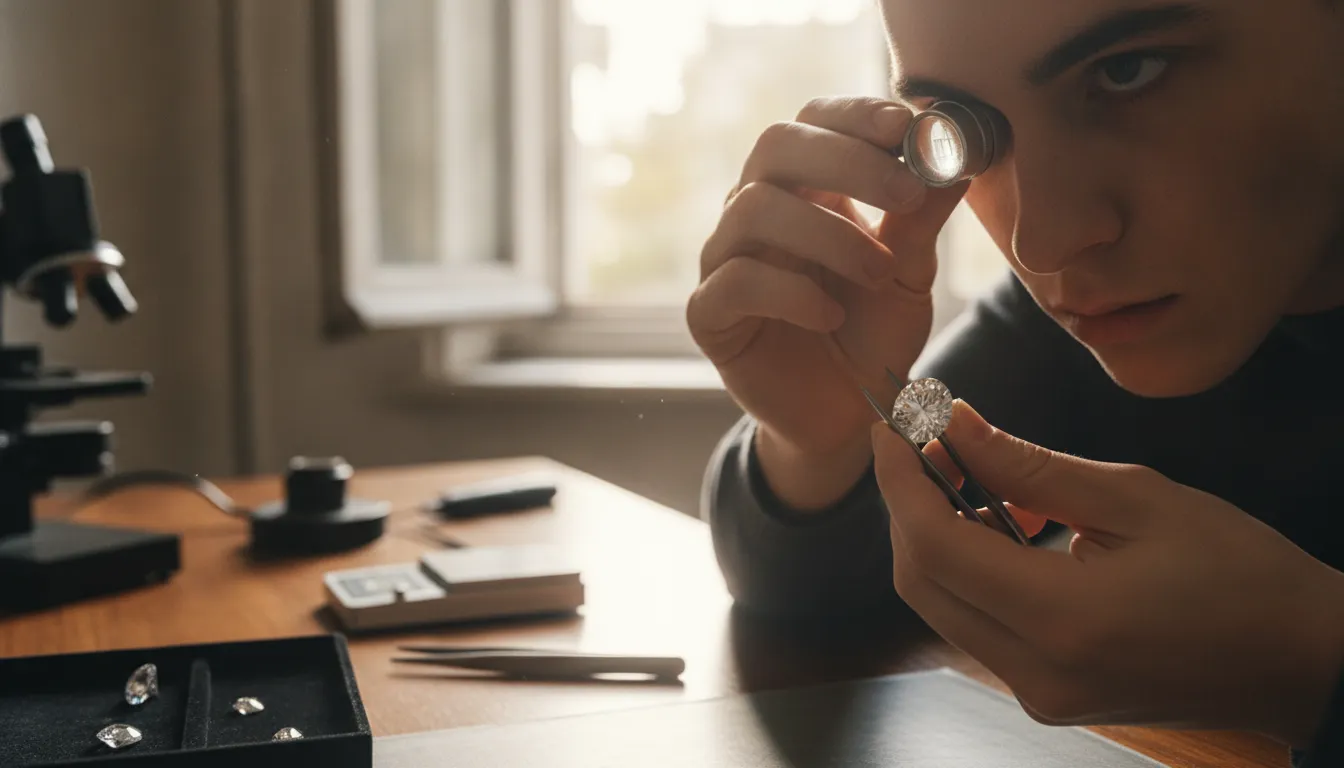
Get a free no-obligation quote from Diamond Banc and discover what your jewelry is worth today.
Why Expertise and Reputation Matter
To secure a strong offer, work with a well-known buyer who employs certified gemologists. Before you visit a shop or mail your luxury items, do some background research. The Federal Trade Commission recommends checking online reviews and searching for complaints about the business. Choosing an established national buyer like Diamond Banc ensures you work with a trusted partner. Our expert team evaluates luxury goods with precision and charges zero seller fees. We also provide flexible options, including same-day purchasing or immediate loans with no credit checks for items under $30,000.
Consignment and Auction: What to Expect
Selling high-value jewelry through consignment or an auction platform is a popular option. This path is often considered by those looking for the best place to sell jewelry when they do not need immediate cash. Understanding how these models work can help you decide if they align with your timeline and financial goals.
How Consignment and Auction Models Work
In a consignment or auction model, you do not sell your jewelry directly to the business. Instead, a third party acts as a broker to find a buyer. Online platforms like Worthy or traditional auction houses like Sotheby’s use a professional buyer network to bid on your items. This network helps drive up the final bid because they understand the true market value of fine jewelry, diamonds, and luxury watches.
Before the process begins, you will typically set a reserve price, the lowest amount you are willing to accept. If bidding does not reach this minimum, you can decline the sale and have your items returned.
Fee Structures and Timelines
While auctions can bring competitive bids, they come with substantial fees and a longer process. Here is what you should expect:
- Commission fees typically range from 10% to 18% of the final sale price
- Listing and photography fees can add several hundred dollars upfront
- Timeline from arrival to payment typically takes 14 to 18 business days
- Reserve price risk if bidding does not meet your minimum, you receive nothing and may still owe listing fees
- Return shipping costs are often your responsibility if the item does not sell
An Elevated Alternative for Premium Jewelry
If you have premium jewelry valued at $25,000 or more, standard consignment or high-volume online auctions may not give your items the expert care they deserve. For these high-value pieces, Diamond Banc offers a specialized Seller’s Agent Consignment service. Rather than charging a flat rate, we work on an elevated consignment structure designed to earn you up to 15% more for your jewelry. We handle every step using our deep network of elite private buyers and retail partners to secure the maximum possible return.
Consignment and auction models connect you with multiple buyers through a broker, potentially driving up your final sale price. However, they charge 10-18% in fees, take 2-3 weeks to close, and carry no guarantee that your item will sell at your reserve price. Direct buyers eliminate these fees and uncertainties.
Is It Better to Sell Jewelry Online or In Person?
When you decide to sell fine jewelry, you must choose between the convenience of an online process and the immediacy of an in-person meeting. Finding the best place to sell jewelry involves comparing how each option handles security, valuation, and transaction speed.
The Convenience and Security of Selling Online
Selling jewelry online from the comfort of home has become highly popular. Reputable online buyers offer fully insured shipping to ensure your items are safe from the moment they leave your hands. This removes the need to travel or visit multiple shops to find a competitive offer. However, timelines can vary. While some online buyers can finalize a direct purchase quickly, online auction models typically take between 14 to 18 business days from arrival to payment.
The Immediacy of In-Person Sales
For those who prefer face-to-face interaction, visiting a local office is often the preferred choice. An in-person meeting allows you to watch the evaluation process and ask questions in real time. The largest benefit is speed. Instead of waiting weeks, selling to a local buyer typically lets you walk out with same-day funding. Visiting a physical office removes shipping wait times entirely.
How Diamond Banc Combines Both Options
Diamond Banc provides the best of both worlds with a premium national mail-in service and physical luxury offices. If you prefer in-person expertise, you can visit one of our 15 locations in major metropolitan areas to sell jewelry near me with immediate same-day funding. If you prefer to stay at home, our free, insured mail-in service reaches all 50 states. Every item is evaluated by GIA-trained experts, and your assets are secured under bank-level protection. Whether you choose online or in person, we deliver a professional, discreet financial service with a 24-hour funding promise.
Online selling offers convenience with insured shipping and no travel required, but adds shipping timelines. In-person selling provides immediate same-day funding and face-to-face trust. Many national buyers like Diamond Banc offer both options, letting you choose whichever works best for your schedule and comfort level.
Pawn Shops vs Jewelry Buyers vs Auction Houses: Which Is the Best Place to Sell Jewelry?
When you want to turn your luxury assets into liquidity, finding the best place to sell jewelry is key to a secure and profitable deal. Different selling channels offer vastly different experiences in terms of speed, safety, expertise, and final payouts.
How Pawn Shops Work
Many people think of a local pawn shop when they need fast funds, but these shops are often the worst choice for luxury jewelry. Pawn shops operate on a high-volume, low-payout model because they do not specialize in high-end diamonds or designer brands. Their staff rarely have GIA training to grade precious stones, which means they often make low offers based only on the scrap weight of the gold.
The Auction House Route
Public auction houses and online auction platforms require patience. Selling through an auction is a slow process that often takes between 14 to 18 business days from start to finish. While auctions can connect you to a large network of professional buyers, they come with high transaction costs. Standard auction fees often range from 10% to 18% of the final sale price. There is also no guarantee your item will meet its reserve price, leaving you back at square one.
Dedicated Jewelry Buyers
For most luxury sellers, a dedicated, national jewelry buyer like Diamond Banc offers the best balance of safety, speed, and fair pricing. Unlike pawn shops, luxury buyers employ GIA-trained experts who understand the true market value of fine jewelry and luxury watches. The process is fast, with many direct purchases completed in less than 24 hours. There are no middleman fees, no listing costs, and no waiting weeks for an auction to close.
Comparing Your Options
To help you decide, this table compares the key features of each major selling channel.
| Selling Option | Speed of Funding | Fees and Costs | Expertise Level | Typical Payout |
|---|---|---|---|---|
| Dedicated Jewelry Buyer | Immediate (Under 24 hours) | None (Direct purchase) | High (GIA-trained gemologists) | Strong (Based on market value) |
| Auction Houses | Slow (14 to 18 business days) | High (10% to 18% seller fees) | High (Specialized catalogers) | Variable (Depends on bids) |
| Pawn Shops | Immediate (Same day) | None (But high loan interest) | Low (Generalist staff) | Low (Often scrap metal value) |
| Online Marketplaces | Slow (Weeks or months) | Moderate (Listing fees) | None (Self-managed) | Variable (High scam risk) |
Get a free no-obligation quote from Diamond Banc and discover what your jewelry is worth today.
How to Prepare Your Jewelry for Sale
Preparing your items the right way can help you get a much stronger offer. When you choose the best place to sell jewelry, coming ready with the right paperwork and clean items makes the process fast and easy. Follow these steps to maximize your return.
- Get a Professional Appraisal
Getting a fair market value appraisal is a critical first step when selling jewelry, as noted by the Gemological Institute of America (GIA). This legal document gives you a starting point for what a willing buyer may pay. GIA does not certify appraisers, so choose an expert with specific training in writing legal appraisals.
- Understand Gemstone Metrics
The weight and dimensions of a gemstone impact its price directly. According to the FTC, one carat equals one-fifth of a gram and is divided into 100 points. Knowing these measurements keeps you informed during evaluations.
- Identify the Gem Origin
Distinguishing between natural, lab-created, and imitation gemstones can be difficult. Professional buyers must use specialized testing equipment to tell natural mined diamonds from lab-created alternatives. Gathering your original GIA certificates helps prove origin and secures a fair deal.
- Gather Paperwork and Packaging
Find any original paperwork, receipts, diamond certificates, or brand boxes. For luxury watches like Rolex, having the original warranty card and box can dramatically increase the value. These items prove authenticity and make your jewelry more desirable to buyers.
- Check Current Fashion Trends
When a gemstone is mounted in jewelry, current fashion trends can significantly affect its price. Working with a national buyer ensures your piece is priced based on larger national demand rather than just local trends.
- Clean and Photograph Your Items
Clean your jewelry gently with warm water and mild soap. If you are getting a quote online, take clear, well-lit photos from multiple angles. This helps evaluators see details clearly, leading to a faster and more accurate initial offer.
Find the Right Buyer
Once your items are ready, research your selling options. Look for buyers with GIA-trained experts who can evaluate items accurately. Always check online reviews and ask for written offer details before committing.
Understand the Sales Policy
Before you hand over your jewelry, make sure you understand the terms. Reputable buyers generally allow you to decline an offer before the sale is finalized. Get all terms, including return policies, in writing to ensure a safe transaction.

What Sellers Say About Working With Diamond Banc
Thousands of sellers have trusted Diamond Banc with their diamonds, watches, and fine jewelry. Here is what a few of them had to say about their experience.
“I was nervous about shipping my ring, but the process was fully insured and I had my payment the same day it arrived.” — Diamond Banc Seller
“No hidden fees, no waiting weeks for an auction. I walked in, got an offer, and walked out with a check.” — Diamond Banc Seller
“Their gemologist explained exactly how they arrived at the offer, which made me feel confident I was getting a fair price.” — Diamond Banc Seller
How Can You Spot Jewelry Selling Scams and Red Flags?
Selling fine jewelry should be a secure financial transaction. But the market has untrustworthy buyers who look for unaware sellers. Knowing the common warning signs is the best way to protect your assets and find the best place to sell jewelry safely.
- High-pressure tactics buyers who demand an immediate decision or refuse to put offers in writing
- Lack of credentials buyers without GIA-trained gemologists or proper gem-testing equipment
- Hidden fees surprise charges for shipping, appraisal, or storage buried in the fine print
- Poor online reputation consistent negative reviews or unresolved complaints with the BBB
- Verbal-only offers refusal to provide written documentation of the valuation and offer terms
High-Pressure Tactics and Verbal Offers
A major red flag is a buyer who pressures you to make an immediate decision. Safe buyers know that fine jewelry represents significant capital and will always give you time to consider an offer. Watch out for buyers who refuse to put their offer in writing. A verbal quote holds no weight and can easily change later. Always ask for a clear, written offer that lists the specific details of your items before you agree to any transaction.
Lack of Credentials and Gem Testing Tools
Never deal with a buyer who lacks certified experts or proper testing tools. To evaluate high-value items, a buyer must have deep gemological knowledge. The FTC notes that telling natural and lab-created gems apart is very hard without specialized tools. A reputable buyer will use advanced testing equipment right in front of you.
Protect yourself by always getting written offers, verifying GIA credentials, checking online reviews and BBB ratings, asking about all fees upfront, and never succumbing to high-pressure sales tactics. A reputable buyer welcomes due diligence and transparent pricing.
Unclear Fees and Hidden Policies
Some buyers use confusing fee structures to lower your final payout. They may hide shipping fees, appraisal costs, or storage rates in the fine print. Get all refund and return policies in writing before you hand over your jewelry. Safe buyers clearly outline every cost upfront and let you decline an offer at any point before the sale is finalized.
Poor Online Reputation and Reviews
Before you contact any jewelry buyer, research their reputation. The FTC suggests asking friends for tips and looking up the business online. Search for the company name along with words like complaints or reviews to see what past clients have experienced. A pattern of negative feedback is a clear sign to look elsewhere.
Frequently Asked Questions
How can I sell my jewelry for the most money?
To get the most money, start by getting a fair market value appraisal to establish a baseline price. According to the GIA, this helps you decide on a reasonable asking price. Sell directly to a specialized buyer with GIA-trained staff to avoid middleman fees and get a strong offer.
How long does the jewelry selling process take?
The time depends on the model you choose. Selling directly to an established jewelry buyer can take just one day with same-day funding. Selling through an online auction model typically takes between 14 and 18 business days from arrival to payment.
How much does it cost to sell jewelry?
The cost depends on the sales channel. Selling directly to a reputable jewelry buyer is free with no hidden fees. Online auction services charge fees based on a successful sale, often ranging from 10% to 18% of the final bid.
Can I back out of selling my jewelry?
Yes, you can decline an offer. Reputable jewelry buyers generally let you decline any offer before you finalize the sale. You should always check a buyer’s reviews and get their refund policies in writing.
Where is the best place to sell jewelry for cash?
A professional luxury jewelry buyer offers the best cash payout because they employ GIA-trained gemologists and buy directly. This avoids the 10% to 18% fees charged by auction platforms and the lowball offers from pawn shops that only value scrap metal.
How do I sell jewelry online instantly?
To sell jewelry online instantly, use a direct jewelry buyer that offers same-day funding through a secure mail-in service. Diamond Banc provides free insured shipping and GIA-trained evaluation with offers funded within 24 hours of arrival.
Ready to Sell Your Jewelry for a Strong Offer?
Holding onto jewelry you no longer wear has an invisible cost. Waiting means your assets sit idle instead of providing smart liquidity. Whether you have a diamond engagement ring, a Rolex, or gold jewelry collecting dust, professional buyers are ready to evaluate your items today. If an engagement ring is what you’re looking to sell, our step-by-step guide to selling an engagement ring online covers pricing, photography, and safe shipping in detail.
Diamond Banc makes the process simple. GIA-trained experts provide a fair, no-obligation offer based on true market value. Funding is often completed the same day with no seller fees and no waiting weeks for auction results.
Call our team at (573) 864-4454 or get your free quote online to start the process. Our specialists can evaluate your items at one of our 15 locations nationwide or through our free insured mail-in service.
Like what you’re reading?
Add us in Google — more like this is on the wayRelated Posts
 Instagram
 Facebook
 Tiktok
 YouTube