A bridge loan is a short-term loan that provides quick capital. It is used when someone needs immediate funds but is waiting for longer-term financing or the sale of an asset. This type of loan helps cover gaps in cash flow during a transition period.
Bridge loans work by using collateral, such as real estate or high-value assets. The loan amount is based on the value of the asset, and the repayment period is typically between 6 to 12 months. These loans come with higher interest rates due to their short duration and quick approval process.
There are three main benefits of bridge loans. First, they offer fast access to funds, approved within days. Second, they provide flexibility, allowing the borrower to use the funds for buying a new property, paying off debt, or meeting short-term business needs. Third, they enable borrowers to leverage existing assets without having to sell them immediately.
However, bridge loans carry certain risks. They have higher interest rates compared to standard loans. There is also a risk of repayment pressure if the expected long-term financing is delayed or the asset fails to sell. Failing to repay on time may lead to the loss of collateral.
To apply for a bridge loan, the borrower must provide proof of ownership, asset value, and an exit strategy. Diamond Banc offers a secure and fast bridge loan solution, using luxury assets such as watches, jewelry, or precious metals as collateral. This allows clients to access capital without credit checks or lengthy approval processes.
Bridge loans are best suited for borrowers who need speed, flexibility, and asset-based lending to cover short-term funding gaps.
Table of Contents
- What is a Bridge Loan?
- How Does a Bridge Loan Work?
- How Does a Jewelry-Backed Loan Make a Great Bridge Loan?
- What Are the Requirements for a Bridge Loan?
- What Documents Are Required to Apply for a Bridge Loan?
- What Are the Benefits of Using a Bridge Loan?
- What Are the Potential Risks of Bridge Loans?
- What Are the Factors Affecting Interest Rates for Bridge Loans?
- What Tax Issues Come With a Bridge Loan?
- How to Calculate Your Bridge Loan Payments?
- How Do You Apply for a Bridge Loan?
- How to Get a Bridge Loan From a Lender in the US?
- What Collateral Secures a Bridge Loan?
- How Can I Get a Bridge Loan Against My Rolex Watch?
- Do Bridge Loans Require an Appraisal?
- Can I Use My Diamond Jewelry to Get a Bridge Loan?
- How to Spot Bridge Loan Scams?
- Can I Get a Bridge Loan with Bad Credit?
- Why Diamond Banc Is the Best Place to Get a Bridge Loan?
What is a Bridge Loan?
A bridge loan provides short-term financing by using valuable assets as collateral, such as luxury watches, diamonds, or real estate. It is used to cover urgent funding needs during a financial transition, like waiting for a property sale or long-term loan approval.
Unlike payday or personal loans, bridge loans involve asset-backed lending. This structure results in lower interest rates, no reliance on credit scores, and no long-term debt traps. Payday loans charge high fees and create repayment pressure, while bridge loans offer secured capital without risk to credit.
Bridge loans are approved quickly because they depend on the asset’s market value. With items like Rolex watches or diamond jewelry, the funding process can take hours instead of days. There are no credit checks or lengthy applications, making bridge loans an ideal option for emergency use.
In urgent situations, bridge loans offer a more stable and cost-effective solution than high-interest alternatives. They turn luxury assets into liquid funds without requiring sales or incurring heavy debt.
When Do You Need a Bridge Loan?
A bridge loan is used to manage the financial gap between buying a new property and selling an existing one. It provides immediate funds to secure a new home while the current property is still on the market.
The primary purpose of a bridge loan during a home purchase is to cover the down payment or the full cost of the new property without having to wait for the sale of the old home. This avoids missing out on time-sensitive real estate deals.
Ideal scenarios for using a bridge loan include competitive housing markets, where buyers must act quickly, or when a homeowner’s equity is locked in a property that has not yet sold. It is also useful when a homeowner has found a new home but has not completed the sale of the current one.
Bridge loans help prevent delays and lost opportunities, ensuring that real estate transactions continue smoothly without financial interruption.
How Does a Bridge Loan Work?
A bridge loan works by providing short-term funding based on the value of pledged collateral. The loan fills a temporary financial gap, usually lasting from a few weeks to 12 months, until long-term financing or asset liquidation is completed.
The temporary nature of bridge loans makes them suitable for urgent needs. Borrowers repay the loan once they receive proceeds from a property sale, business revenue, or another funding source.
Collateral is central to the loan process. Traditional bridge loans typically use real estate as collateral, whereas Diamond Banc accepts luxury assets, including diamond jewelry, Rolex watches, and precious metals. The lender evaluates the asset’s market value to determine the loan amount.
Common lenders include private lenders, specialized asset-based financiers, and select banks. Approval depends more on the asset’s value than the borrower’s credit history.
Businesses use bridge loans to cover short-term expenses, stabilize cash flow, fund operations, or complete acquisitions. This flexibility supports growth without long-term debt, making bridge loans a practical tool during transitions.
How Does a Jewelry-Backed Loan Make a Great Bridge Loan?
A jewelry-backed loan makes a great bridge loan because it offers fast, flexible, and secure short-term financing. It uses valuable items as collateral, like gold, diamonds, or luxury watches as collateral. This eliminates the need for credit checks or income verification. It is ideal for those needing quick cash while waiting for more permanent funding.
Diamond Banc offers a unique bridge loan model designed around high-value personal assets. Clients use luxury jewelry, Rolex watches, or loose diamonds to secure short-term funding. The process requires no credit check, no income verification, and no loan application in the traditional sense. Funds are issued quickly, within 24 hours.
The loan is entirely secured by the pledged item, which is stored safely during the loan term. Repayment terms are flexible, and once the loan is repaid, the asset is returned in full condition.
Traditional bridge loans carry higher risks, including heavy interest rates, dependence on credit history, and potential damage to credit scores due to missed payments or hard inquiries. In contrast, jewelry-backed bridge loans avoid credit exposure and reduce financial stress.
What Are the Requirements for a Bridge Loan?
The requirements for a bridge loan include defined financial benchmarks and asset-based qualifications that lenders use to evaluate borrower risk. Each requirement serves a specific purpose to ensure repayment and collateral adequacy.
- Credit Score:
A credit score is a numerical representation of a borrower’s credit history. Lenders use it to assess repayment behavior. Traditional bridge loans require a score above 650. However, luxury asset lenders like Diamond Banc do not use credit scores for approval, making the process accessible to clients with low or limited credit history.
- Equity in Your Current Home:
Equity refers to the difference between a property’s market value and the amount owed on its mortgage. For property-backed bridge loans, borrowers need at least 20% equity. This ensures there is sufficient value in the home to secure the loan and protect the lender from loss if the borrower defaults.
- Debt-to-Income (DTI) Ratio:
The Debt-to-Income (DTI) ratio is the percentage of a borrower’s monthly gross income that goes toward paying debts. Lenders prefer a DTI ratio below 43%. It indicates that the borrower has sufficient income to manage the new bridge loan without compromising their other obligations.
- Exit Strategy:
An exit strategy is the planned method for repaying the loan. Lenders require a clear explanation, such as selling a property, receiving a lump sum, or finalizing permanent financing, to ensure repayment within the short loan term.
- Documentation:
Documentation includes financial records required to verify a borrower’s ability to repay. These documents include income proof, ownership records, tax returns, or bank statements. For jewelry-backed loans, asset photos, appraisals, or in-person evaluations are required.
- Loan-to-Value Ratio (LTV):
The Loan-to-Value (LTV) ratio measures the loan amount against the collateral’s current market value. Traditional lenders accept LTV ratios between 65% to 80%. For luxury asset loans at Diamond Banc, this calculation is based on the verified resale value of items such as Rolex watches or diamond jewelry.
Each requirement ensures the loan is issued with minimal risk and maximum financial alignment between borrower and lender.
What Documents Are Required to Apply for a Bridge Loan?
The documents required to apply for a bridge loan include personal, financial, and asset-related records. These documents help lenders assess the borrower’s financial stability, repayment ability, and collateral value.
- Proof of Income:
Proof of income shows the borrower’s regular earnings from employment or business. It helps the lender determine if the applicant has enough income to manage the bridge loan alongside other financial obligations.
- Tax Returns:
Tax returns are official records of income filed with tax authorities, typically for the past two years. They provide a comprehensive view of the borrower’s financial history and help verify consistent earnings.
- Credit Report:
A credit report summarizes credit history, including scores, debts, and repayment patterns. Traditional lenders use this to evaluate creditworthiness. For asset-backed loans, such as those from Diamond Banc, this may not be required.
- Bank Statements:
Bank statements detail recent transactions and current balances across financial accounts. They help confirm cash flow, available reserves, and spending habits relevant to loan servicing.
- Property Appraisal or Valuation:
An appraisal estimates the market value of real estate or assets used as collateral. This ensures the asset has sufficient value to secure the loan. For jewelry-backed loans, professional evaluations are done on items like diamonds or watches.
- Purchase Agreement:
A purchase agreement outlines the terms of a pending real estate or asset transaction. It demonstrates to the lender that the borrower is actively engaged in buying or selling a property, thereby supporting the bridge loan’s exit strategy.
- Mortgage Statement:
This statement shows the current balance and payment terms on existing property loans. It helps calculate available equity and informs the loan-to-value ratio assessment.
- Identification Documents:
Valid ID confirms the borrower’s identity and legal eligibility. This is required for compliance with lending regulations and to prevent fraud.
- Business Financials (if for commercial use):
These include profit and loss statements, balance sheets, and cash flow records. For business bridge loans, lenders assess the company’s financial health and repayment capacity.
Providing accurate documentation ensures a faster approval process and helps align the loan terms with the borrower’s financial position.
What Are the Benefits of Using a Bridge Loan?
The benefits of using a bridge loan include fast liquidity, minimal documentation, flexible repayment, and short-term funding during critical transitions. These loans are designed for individuals and businesses that need capital immediately, without relying on credit scores or lengthy approval processes. They are especially useful when timing is crucial, such as in real estate or business deals.
- Fast Access to Funds
Bridge loans are designed for speed. Traditional loans take weeks to process, but bridge loans deliver funds within 24 to 72 hours. Diamond Banc offers same-day funding by using high-value assets like Rolex watches, diamond jewelry, or gold as collateral. There are no delays due to credit reviews or income checks.
- Enables Property Purchase Before Selling the Existing One
Bridge loans help secure new property without waiting to sell the current one. This prevents the loss of desired homes in competitive markets. The loan covers the down payment or full purchase cost, giving buyers the freedom to act fast.
- Short-Term Financing Solution
These loans are designed to be temporary, typically lasting 6 to 12 months. They provide capital just long enough to bridge the gap between two financial events, such as selling a home, closing a business funding round, or completing a sale.
- Flexible Repayment Options
Borrowers choose to pay only interest during the loan term. Full repayment is made once the expected cash inflow, such as the sale of an asset or refinancing, is completed. This flexibility reduces short-term financial strain.
- Helps Avoid Missed Investment Opportunities
Quick funding means borrowers don’t miss out on deals. This is especially valuable for real estate investors, entrepreneurs, or collectors needing immediate liquidity to take advantage of limited-time opportunities.
- Improve Cash Flow During Transitions
Bridge loans help maintain operations during times of uncertainty. Businesses use them to cover payroll, buy inventory, or settle urgent obligations while awaiting future revenue or financing.
- Interest-Only During the Loan Term
Bridge loans usually require only interest payments initially. This structure lowers monthly payments and protects working capital for other expenses.
- Lower Credit Impact
Asset-based bridge loans do not affect credit scores. Diamond Banc does not run hard credit checks. Approval is based on the collateral’s value, preserving the borrower’s financial profile.
- No Need to Liquidate Assets
Valuable items are used as collateral but not sold. Borrowers retain ownership of jewelry, luxury watches, or collectibles, which are safely stored and returned in full after repayment.
- Minimal Documentation
Fewer documents are required compared to bank loans. Diamond Banc’s process typically involves ID verification, asset inspection, and loan agreement, all of which are completed within hours.
- No Income Proof Required (for Asset-Backed Loans)
Self-employed individuals or those with irregular income benefit the most. Since approval is based on asset value, not on income. Bridge loans offer a viable solution for freelancers, investors, or seasonal business owners.
- Versatile Usage
Funds are used for nearly any legal purpose. This includes real estate closing costs, business expenses, debt repayment, emergency repairs, or short-term personal needs.
Bridge loans deliver speed, flexibility, and financial control. With Diamond Banc, borrowers receive reliable funding backed by assets, not credit, making it a secure and efficient solution during urgent financial situations.
What Are the Potential Risks of Bridge Loans?
The potential risks of bridge loans include higher borrowing costs, strict repayment conditions, and the possibility of losing the collateral if repayment fails. While bridge loans offer fast access to funds, borrowers must fully understand the financial responsibility involved.
- Higher Borrowing Costs
Bridge loans have higher interest rates and fees compared to traditional financing. Because they are short-term and issued quickly, lenders charge more to compensate for the increased risk. Interest rates range from 8% to 15%, depending on the lender and the type of collateral.
- Strict Repayment Terms
Repayment periods are typically short, ranging from 6 to 12 months. Borrowers must repay the entire amount within this time. There are no extensions unless pre-negotiated, which puts pressure on individuals relying on delayed funding or property sales.
- Property as Collateral
Real estate or luxury assets are used to secure the loan. If repayment fails, the lender is legally allowed to sell the collateral to recover the balance. This risk applies to homes, diamond jewelry, Rolex watches, or any pledged asset.
- Risk of Unsold Property Within the Loan Term
If a borrower fails to sell their current property or asset promptly, they are unable to repay the bridge loan. This leads to forced sales, discounted valuations, or loss of equity.
- Risk of Losing Collateral (e.g., Property)
Failure to repay leads to forfeiture of the asset used as security. In real estate, this could result in foreclosure. With luxury items, it means a permanent loss of high-value personal possessions.
- Late Fees and Penalties
Missed payments trigger additional charges. Lenders often apply daily or monthly penalties, which can significantly increase the total repayment amount over time.
- Damage to Credit Score
Defaulting on a bridge loan appears on credit reports. Though some asset-based lenders do not report to credit bureaus, others may. Non-payment can reduce creditworthiness and impact future borrowing ability.
- Legal Action from the Lender
In case of default, lenders pursue legal recovery options. This includes collections, lawsuits, or asset seizure, depending on the terms of the loan agreement.
- Difficulty Obtaining Future Financing
A history of bridge loan default makes it harder to secure new loans. Lenders view past non-payment as a sign of financial instability, which can reduce access to mortgages, business lines of credit, or personal loans.
- Possible Foreclosure (in Real Estate Cases)
When a home secures a bridge loan, non-payment leads to foreclosure proceedings. This results in the forced sale of the property and loss of homeownership.
- Increased Debt from Accumulating Interest
Unpaid interest adds to the total balance. If the loan is not repaid promptly, the debt accumulates, especially with interest-only loans that still require full principal repayment at the end of the term.
While bridge loans are effective for short-term funding, it is essential to understand these risks before borrowing. Responsible planning, a clear repayment strategy, and working with reputable lenders, i.e., Diamond Banc, help minimize these drawbacks.
What Are the Factors Affecting Interest Rates for Bridge Loans?
The factors affecting interest rates for bridge loans include borrower-specific details, asset conditions, and lender constraints. Each factor is assessed to determine the risk level and influence the final rate offered, with more variation than traditional loans.
- Loan-to-Value Ratio (LTV)
Loan-to-Value (LTV) ratio is the percentage of the loan amount compared to the appraised value of the collateral. A lower LTV ratio (e.g., 50–65%) indicates a higher level of equity and lower risk, resulting in lower interest rates. A higher LTV signals greater lender exposure, increasing the rate. Compared to traditional loans, bridge loans allow higher Loan-to-Value (LTV) ratios but charge more to balance the risk.
- Loan Amount Requested
The total amount of money requested from the lender. Larger bridge loans typically carry higher rates due to their greater exposure, while very small loans also incur higher costs due to fixed underwriting expenses. Traditional loans, particularly mortgages, offer more predictable rates based on loan tiers rather than on urgency.
- Financial Strength of the Borrower
The borrower’s income, debt levels, and cash reserves. Strong finances reduce risk, encouraging lenders to offer more favorable rates. Weak financials increase pricing or lead to denial. In asset-based bridge loans, this factor is bypassed entirely, unlike in personal loans, where it’s critical.
- Credit Score of the Borrower
A numerical measure of a borrower’s creditworthiness. Higher scores result in better interest rates in traditional bridge loans. Poor scores increase risk and lead to higher pricing or loan denial. In contrast, luxury asset-backed bridge loans do not require credit checks, removing this risk-based pricing layer.
- Property Location and Condition
The geographical area and physical state of the collateral asset. Real estate in prime locations or high-quality jewelry and watches offers better resale value, reducing risk and improving rates. Poor location or worn items result in higher risk premiums. Mortgage loans also account for location, but bridge loans adjust pricing more aggressively due to shorter repayment terms.
- Borrower’s Exit Strategy
A clearly defined method for repaying the loan, such as selling an asset or securing permanent financing. A strong exit plan lowers perceived risk, encouraging better terms. A vague or unrealistic plan increases the likelihood of default, which can result in a higher interest rate or loan rejection. This factor is less emphasized in traditional loans, where structured repayment schedules are predefined.
- Lender’s Current Funding Capabilities
The lender’s available capital and lending activity at the time of application. When funds are limited or demand is high, rates rise to balance risk and capacity. Bank loans are more stable due to institutional funding, while Diamond Banc offers speed and flexibility with dynamic pricing models.
Each factor influences bridge loan interest rates based on risk exposure, asset reliability, and repayment confidence. Compared to traditional financing, bridge loans offer faster access and greater flexibility, but at higher and more variable costs depending on these core factors.
What Tax Issues Come With a Bridge Loan?
The tax issues associated with a bridge loan include the treatment of interest payments and the use of the loan. Interest paid on a bridge loan is tax-deductible if the funds are used for qualified business or investment purposes. For example, if a business uses a bridge loan to finance operational costs or acquire income-generating assets, the interest is deductible as a business expense under IRS regulations.
If the bridge loan is used for personal reasons, such as buying a primary residence, the interest is typically not tax-deductible. In real estate, deductibility only applies if the loan meets specific IRS requirements, such as being secured by the home and used for acquisition or improvement purposes.
Since tax laws are complex and vary by location and usage, borrowers should not rely on general assumptions. It is crucial to consult a qualified tax advisor or accountant to understand the exact tax implications of their bridge loan. A professional evaluates individual circumstances, confirms eligibility for deductions, and ensures full compliance with current tax regulations.
How to Calculate Your Bridge Loan Payments?
To calculate your bridge loan payments, begin by understanding that payments typically include interest-only installments during the loan term, followed by a balloon payment covering the full principal at the end.
Bridge loans are short-term, so many lenders structure them with monthly interest payments only, allowing the borrower to repay the entire principal in a single lump sum at the end. This structure helps maintain cash flow during the transition period.
Here’s a simple example:
Suppose you borrow $100,000 at an annual interest rate of 10% for 12 months. Monthly interest is calculated as:
$100,000 × 10% ÷ 12 = $833.33/month
For 12 months, you would pay $833.33 each month in interest. At the end of the loan term, you would make a balloon payment of $100,000 (the full principal).
To calculate the balloon payment, use this formula:
Balloon Payment = Total Principal – Any Principal Already Paid
If no principal was paid during the term (interest-only loan), the balloon payment equals the full loan amount.
Bridge loan calculators or lender tools automate this process, but understanding this structure helps borrowers plan repayments and assess their affordability before committing.
How Do You Apply for a Bridge Loan?
To apply for a bridge loan, you need to follow a step-by-step process that ensures proper evaluation, documentation, and approval. Bridge loan applications are faster than traditional loans but still require structured preparation.
Step 1: Identify the Need and Use of Funds
Start by clearly defining why you need the loan, for example, to buy a new property before selling the current one or to cover short-term business expenses.
Step 2: Choose the Right Lender
Select a lender that matches your needs. Traditional lenders offer real estate-backed loans, while asset-based lenders, such as Diamond Banc, provide loans using luxury assets, including diamond jewelry, Rolex watches, or gold.
Step 3: Prepare the Required Documents
Gather key documents such as proof of income, tax returns, bank statements, property valuation or asset appraisal, purchase agreements, and ID documents. For asset-backed loans, photos or in-person evaluations of the asset are required.
Step 4: Submit the Application
Complete the application with your chosen lender. This includes providing all documentation, specifying the loan amount, and stating your repayment plan or exit strategy.
Step 5: Underwriting and Valuation
The lender reviews your documents and evaluates the asset or property to determine the loan-to-value ratio (LTV) and assess the associated risk level. This stage affects loan approval and interest rate.
Step 6: Receive Loan Offer and Terms
Once approved, you’ll receive a loan offer outlining the interest rate, repayment terms, and fees. Review the terms carefully before signing the agreement.
Step 7: Finalize Agreement and Receive Funds
Sign the loan agreement. For fast lenders i.e. Diamond Banc, funds are released the same day after collateral is verified and secured.
Applying for a bridge loan is a structured but fast process when documentation is complete and a clear repayment plan is provided.
How to Get a Bridge Loan From a Lender in the US?
To get a bridge loan from a lender in the US, start by identifying your short-term funding need, such as buying a property or covering temporary expenses. Choose between a real estate-backed lender or an asset-based lender. Gather documents such as income proof, collateral valuation, and identification. Submit your application with a clear repayment strategy.
Upon approval, review and sign the loan agreement. Funds are disbursed quickly. Diamond Banc offers same-day funding using luxury assets, providing a fast and secure lending experience without credit checks.
What Collateral Secures a Bridge Loan?
High-value, tangible assets typically secure bridge loans. In real estate transactions, the collateral is property, such as a home or commercial building. For asset-based bridge loans, acceptable collateral includes luxury items such as diamond jewelry, gold, or Rolex watches.
The asset’s value is appraised to determine loan eligibility and amount. Using valuable physical items allows borrowers to access immediate capital without credit-based approvals, making asset-backed bridge loans a preferred option during urgent financial transitions.
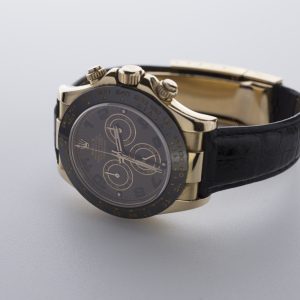
How Can I Get a Bridge Loan Against My Rolex Watch?
To get a bridge loan against your Rolex watch, start by selecting an asset-based lender that specializes in luxury collateral. To get a loan against your Rolex, begin by submitting details about your watch, including the model, condition, and images. The lender evaluates its market value and extends a loan offer. No credit check is needed. Upon agreement, you send the watch to a secure facility or visit a location in person. Once verified, the funds are released within 24 hours.
Do Bridge Loans Require an Appraisal?
Yes. Bridge loans require an appraisal to determine the value of the collateral securing the loan. For real estate-backed loans, this involves a property appraisal conducted by a certified professional.
For asset-based loans, the appraisal focuses on luxury items like jewelry or watches. This step is critical because the loan amount depends directly on the asset’s appraised market value. Appraisals ensure that both lender and borrower understand the loan’s risk and potential recovery value if repayment fails.
Can I Use My Diamond Jewelry to Get a Bridge Loan?
Yes. You can use your diamond jewelry to get a secured, short-term bridge loan. The process begins with an appraisal based on quality, carat weight, and current market demand. Once evaluated, a loan offer is extended without credit checks.
If accepted, your jewelry is held securely, and the funds are released quickly within 24 hours. This solution is ideal for those seeking fast liquidity without selling valuable personal items. To get loan on diamond jewelry, Diamond Banc is the best option.
How to Spot Bridge Loan Scams?
To spot bridge loan scams, look for warning signs such as requests for upfront fees, unlicensed lenders, vague loan terms, or guaranteed approvals without evaluation. Scammers avoid physical addresses and rely solely on digital communication. Always verify the lender’s credentials, check customer reviews, and ensure loan terms are transparent and documented. Legitimate lenders, like Diamond Banc, provide detailed appraisals, secure collateral handling, and no-pressure contracts. Avoid dealing with entities that refuse to offer written agreements or demand payment before approval.
Can I Get a Bridge Loan with Bad Credit?
Yes. You can get a bridge loan with bad credit, especially from asset-based lenders. The approval is based on the value of your collateral. Get a loan with bad credit by using valuable assets like jewelry or watches. First these are evaluated, and then funds are disbursed based on their market worth. Since no hard credit checks are performed, borrowers with poor credit histories still qualify. This makes asset-backed bridge loans a reliable option during financial hardship or credit recovery.
Why Diamond Banc Is the Best Place to Get a Bridge Loan?
Diamond Banc is the best place to get a bridge loan because it offers fast, secure funding using luxury assets instead of credit scores.
Loans are based on the market value of items like diamond jewelry, gold, and Rolex watches. There are no hard inquiries, long applications, or income verification. The process is discreet, and funds are delivered the same day. With physical locations nationwide and a strong reputation for client service, Diamond Banc provides unmatched speed, safety, and flexibility.
Like what you’re reading?
Related Posts


 Instagram
 Facebook
 Tiktok
 YouTube