A Rolex valuation in 2025 determines how much your watch is worth based on its model, condition, rarity, documentation, and current market demand. Popular sports models like the Submariner, Daytona, and GMT-Master II continue to hold strong value, especially with original parts and papers. For the most accurate price, experts use real-time market data and detailed inspections to assess your Rolex and provide a fair, top-dollar valuation.
The value of a Rolex in 2025 is determined by five key factors: model, condition, rarity, documentation, and current market demand. Among these, model and rarity carry the greatest influence.
Models like the Submariner, Daytona, and GMT-Master II retain higher resale prices due to strong collector interest. Limited editions or discontinued references, such as the Hulk Submariner (Ref. 116610LV), appreciate over time if demand exceeds supply.
Condition significantly affects valuation. A Rolex with original parts, minimal wear, and a recently serviced movement commands more than a scratched or modified version. Even small changes, such as aftermarket bezels or dial replacements, reduce resale value by up to 40%.
Documentation also matters. Original boxes, warranty cards, and service records enhance buyer trust, leading to an average price increase of 15–20%.
Valuing a Rolex is not always straightforward. The luxury resale market fluctuates due to shifts in supply and demand, as well as changing economic trends and evolving consumer preferences.
For example, in 2022–2024, Rolex prices surged due to shortages. In 2025, supply has stabilized, but demand from buyers for popular models remains strong, especially in U.S. cities such as New York, Miami, and Los Angeles.
To achieve the highest resale price, owners must present the watch professionally, maintain accurate service records, and sell to trusted luxury buyers who utilize real-time market pricing tools. Avoiding online listing platforms and lowball offers from pawn shops is essential. For help vetting who to work with, see our breakdown of the most reputable companies that buy used Rolex watches.
Diamond Banc provides expert Rolex valuations backed by live market data and transparent appraisals. With a national presence and private offices in major U.S. markets, Diamond Banc ensures sellers receive top-dollar offers for their luxury timepieces, combining industry expertise with unmatched service.
Table of Contents
- What Determines the Value of a Rolex?
- Why is Rolex valuation important?
- How Does Rolex Valuation Work?
- Why Does Rolex Hold Its Value So Well?
- What Challenges Exist in Valuing a Rolex?
- How to Get the Best Price for Your Pre-Owned Rolex?
- Do Rolex Watches Lose Value?
- Does a Rolex appreciate or depreciate over time?
- Which Rolex models hold their value best?
- Which Rolex models lose value quickly?
- How do you calculate the worth of your Rolex watch?
- How accurate are online Rolex price estimators?
- Does a scratched Rolex lose value?
- How much does polishing a Rolex decrease its value?
What Determines the Value of a Rolex?
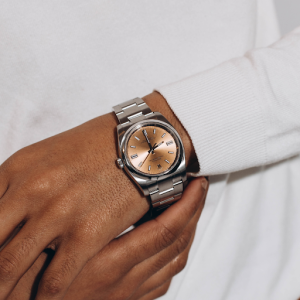
Rolex is a Swiss luxury watch brand known for precision engineering, long-term durability, and strong resale value in the secondary market. The value of a Rolex in 2025 is determined by a combination of brand prestige, specific attributes of the watch, and market demand at the time of sale.
Rolex valuation begins by identifying the exact model and reference number and then comparing its condition, components, and history to current market trends. This process involves cross-referencing recent resale data and auction results, taking into account the model’s popularity, and verifying whether the watch has original parts and documentation.
The factors that determine Rolex value include the following:
-
Model and Reference
The model and reference number define the design, function, and production run of the watch. Popular models, such as the Daytona (Ref. 116500LN) and GMT-Master II (Ref. 126710BLRO), retain higher resale value due to consistent buyer demand. The model is one of the most influential factors in determining resale price.
-
Condition
Rolex watches in mint or excellent condition command 15-30% higher prices than watches with visible wear, scratches, or replaced parts. Any non-original parts, such as bezels, dials, or bands, reduce value by up to 40%, as collectors prefer all-original configurations.
-
Rarity
Limited editions or discontinued models tend to increase in value due to their scarcity. For instance, the discontinued “Hulk” Submariner appreciated significantly after Rolex ceased its production.
-
Materials
Watches crafted from gold or platinum or featuring unique dials (such as meteorite or mother-of-pearl) have higher intrinsic and collectible value.
-
Age and Vintage Appeal
Vintage Rolex models (pre-1980s) command premiums in excellent condition, especially if they feature rare dial variants or a distinctive patina. However, the value drops sharply for older models without original components.
-
Box and Papers
The box & papers are important for Rolex value. Original boxes, warranty cards, and service papers add credibility and assurance, increasing resale value by up to 20%. On average, 10–15% of value is lost when a Rolex is sold without its original paperwork.
-
Service History
A Rolex with documented service from an authorized Rolex center retains its higher value due to the assurance of authenticity and mechanical condition. Missing service history reduces buyer trust and lowers offers.
-
Market Demand
Current buyer interest, particularly in key regions such as the U.S., drives value. For example, Rolex sports models remain highly liquid assets due to strong resale activity in 2025.
-
Provenance
Watches with a notable ownership history (e.g., celebrities or historical events) fetch much higher values at resale, though this applies to a small segment of high-profile Rolexes.
Diamond Banc uses real-time Rolex market data and in-depth inspections to provide precise valuations, ensuring U.S. sellers receive accurate and top-tier offers.
Why is Rolex Valuation Important?
Rolex valuation is the process of determining the current market value of a specific Rolex timepiece based on its model, condition, documentation, and demand. This valuation is important for owners who want to understand the financial significance of their watch beyond its craftsmanship or design.
Knowing the exact value of a Rolex helps in three key ways. First, it ensures a seller receives a fair market offer when parting with the watch.
Second, it supports accurate insurance coverage by listing the verified replacement cost. Third, it enables owners to use the watch as collateral for secure, short-term loans, which is particularly valuable for high-end models.
In 2025, Rolex valuation plays a critical role in financial planning, resale strategy, and luxury asset management. Diamond Banc provides detailed appraisals backed by current market data, making it a trusted partner for Rolex owners across the U.S.
How Does Rolex Valuation Work?
Rolex valuation follows a structured process that combines objective data and expert judgment to determine a watch’s current market value.
Experts analyze both quantifiable factors, such as model, reference number, and material, and subjective factors, like wear, service history, and rarity, to produce an accurate valuation aligned with real-time market trends.
The valuation process includes these steps:
-
Market Comparison
Rolex valuation begins with a market comparison, where experts review recent sales data for the same model and reference information across platforms such as Chrono24, WatchBox, and auction houses.
This comparison helps determine a fair price range based on current trends, ensuring the valuation reflects the real-time market worth of the watch.
-
Model and Reference Check
A specific model and reference number identify each Rolex watch. These details reveal the series, style, production year, and feature set.
Popular references such as the Daytona 116500LN or Submariner 126610LN tend to retain or increase in value due to consistent demand and limited production, making this step fundamental to accurate valuation.
-
Condition Assessment
The physical state of the Rolex significantly impacts its value. Experts evaluate scratches, dents, crystal clarity, bezel condition, and overall wear and tear.
Watches in excellent or mint condition sell for 20–30% more than those in heavily worn condition. Even slight cosmetic damage reduces a watch’s resale potential.
-
Authenticity Verification
Authenticity is critical. Valuators inspect the serial number, dial markings, movement, and case engravings to confirm the Rolex is genuine. Forgeries or modified pieces immediately lose most of their resale value. An authentic Rolex is a verified luxury asset; a counterfeit holds no market trust.
-
Original Parts
Factory-original components enhance a Rolex’s desirability. Any part replaced with an aftermarket version, such as the bezel, bracelet, or crown, lowers the value by up to 40%. Collectors prioritize originality, and deviations from factory specs are considered major drawbacks.
-
Box and Papers Review
A Rolex, accompanied by its original box, warranty card, and user manuals, carries a higher market value. These documents confirm the watch’s authenticity and origin. Typically, a complete set increases resale value by 10–20% and provides greater buyer confidence.
-
Service Records
A Rolex with documented servicing from an authorized service center is more attractive to buyers. Service records confirm that the movement has been properly maintained and that no unauthorized repairs have been made. This is especially valuable for vintage models, where mechanical integrity is crucial.
-
Rarity Evaluation
Limited-production Rolex watches, or those discontinued by the brand, become collectors favorites. Rare dials, bezels, or unique editions, such as the “Kermit” or “John Mayer” Daytona, command premium prices. Diamond Banc’s guide to famous Rolex nicknames breaks down how these and other collector favorites earned their names. Rarity directly influences resale value when combined with condition and authenticity.
-
Current Market Demand
Market demand changes frequently. In 2025, sports models like the GMT-Master II and Daytona continue to be highly sought after, particularly in major U.S. markets. Valuators assess buyer interest using live data, ensuring the watch is priced according to its desirability at the moment.
-
Age and Collectibility
Older Rolex watches are evaluated for their vintage appeal. While age increases value, this only holds if the watch retains original parts and is in excellent condition. Collectibility depends on rarity, production history, and cultural relevance, not just age alone.
Rolex valuation is crucial for selling, insuring, or using the watch as collateral. Experts or reputable buyers should perform it to ensure accuracy, transparency, and optimal financial outcomes for owners.
Why Does Rolex Hold Its Value So Well?
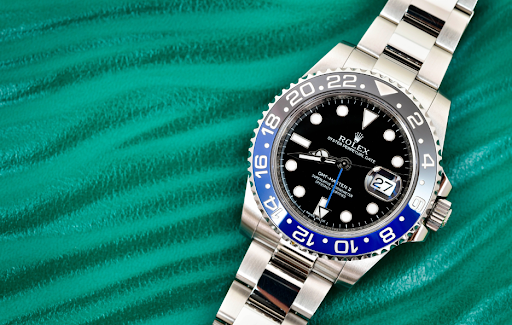
Rolex holds its value exceptionally well due to controlled supply, brand prestige, and consistently high global demand. The company deliberately limits production, making many models difficult to purchase at retail.
This scarcity fuels resale interest, particularly in the U.S., where waitlists for popular models exceed 12 months.
Certain Rolex models retain their value better than others due to their popularity, limited availability, and historical significance. Sports models like the Submariner, Daytona, and GMT-Master II consistently perform best on the secondary market.
These watches have proven track records of appreciation, especially when they include rare features, such as ceramic bezels or exclusive dial variations.
Limited production and strong collector demand contribute directly to Rolex’s investment appeal. For example, the Daytona 116500LN and Submariner “Hulk” (Ref. 116610LV) experienced significant appreciation due to their discontinued status and growing interest from both collectors and everyday buyers.
Rolex is widely regarded as a stable investment because it combines luxury appeal with long-term financial performance. In 2025, models such as the GMT-Master II “Pepsi” (Ref. 126710BLRO), the Explorer II (Ref. 226570), and the Datejust 41 with a fluted bezel and jubilee bracelet are considered top-tier investment options.
These pieces not only hold value but are appreciated when maintained in excellent condition, complete with original boxes and papers.
Diamond Banc recognizes the financial strength of Rolex watches. It offers high payouts based on real-time market data, making it an ideal partner for U.S. owners seeking to unlock the full value of their luxury timepieces.
What Challenges Exist in Valuing a Rolex?
The challenges that exist in valuing a Rolex watch include a range of market, physical, and subjective factors that make precise pricing difficult without expert assessment. Small variations in model references, subtle design changes, and shifting buyer preferences add complexity.
Determining an accurate value also involves risk due to counterfeit parts, incomplete records, or emotional overvaluation by owners.
The main challenges in Rolex valuation include:
-
Market Fluctuations
Rolex values shift due to changes in economic conditions, alterations in the supply chain, and shifts in consumer behavior. A watch that sold at a peak price in early 2024 does not command the same value in 2025 if demand softens or newer models are released.
These fluctuations create difficulty in assigning a stable value. To avoid pricing errors or undervaluing your Rolex, always use real-time data and consult valuation experts, such as Diamond Banc, who track current trends in the U.S. luxury watch market.
-
Condition Subjectivity
Grading a Rolex’s condition isn’t standardized across sellers. One person’s “excellent” may be another’s “good,” especially when subtle wear, such as hairline scratches or light polishing, is involved.
These cosmetic differences shift value by thousands. To get an accurate valuation, have the watch assessed in person by professionals who use consistent, industry-accepted grading methods.
-
Aftermarket Modifications
Replacing original Rolex parts with aftermarket components, such as bezels, dials, or bracelets, significantly devalues the watch. Even if the watch functions well, collectors and serious buyers demand factory-original parts.
Modified Rolexes lose 30-40% of their value. Always request verification of originality during valuation, and avoid buyers who don’t inspect these components closely.
-
Fake or Franken Watches
Counterfeit and “Franken” Rolexes (assembled from mismatched parts) are increasingly difficult to detect without deep expertise. These watches appear authentic but include non-original movements, cases, or dials, rendering them nearly worthless in the resale market.
The safest way to avoid scams is to work only with certified luxury buyers who verify all serial numbers, case engravings, and movement authenticity.
-
Missing Papers/Box
The original box, warranty card, and manuals add value and provide proof of authenticity. Their absence typically reduces resale value by 10–20%, as buyers question the watch’s history. To maintain value, keep and present all original materials during the selling process. Without them, you’re likely to receive lower offers and face buyer hesitation.
-
Inconsistent Service History
A Rolex without an official service record raises concerns about its mechanical condition. Buyers want assurance that the watch has been properly maintained, especially for vintage or high-value models. Irregular servicing or undocumented repairs signal hidden issues.
To protect the value of your Rolex, service it at an authorized center and retain all receipts and documentation for future resale or appraisal. Before booking, compare what a Rolex service costs for your model against what it will add at resale.
-
Rarity Confusion
Sellers misidentify their Rolex as “rare” based solely on age or discontinued status. True rarity is defined by limited production, unique features, and confirmed collector demand. Mislabeling a watch’s rarity leads to inflated expectations and pricing errors.
Verify rarity claims using trusted third-party evaluators or brand archives before setting value or listing for sale.
-
Emotional or Sentimental Value
Personal milestones or family history lead owners to overvalue their Rolex emotionally. However, emotional attachment doesn’t increase market value. Buyers evaluate watches based on objective criteria, not sentiment. To get a realistic price, rely on third-party valuation reports rather than personal opinion or emotional worth.
-
Vintage Complexity
Older Rolex watches are complex to evaluate due to variables like dial type, aging (patina), lume material, and production history. Slight changes, such as the difference between tritium and luminova, significantly alter the watch’s value.
Because vintage models are prone to misinformation and manipulation, they should always be reviewed by specialists with experience in Rolex’s historical details.
-
Changing Trends
Rolex market preferences evolve. Styles that were popular five years ago fall out of favor, while others gain traction. For example, two-tone Datejusts once had strong resale but now lag behind all-steel sports models like the GMT-Master II.
Sellers should time their sales according to demand cycles and track style shifts through market reports before listing their properties.
To avoid scams and inaccurate pricing, sellers and buyers should work with trusted Rolex valuation experts who verify authenticity, identify hidden modifications, and evaluate market conditions. Proper valuation requires more than guesswork, and it demands experience, precision, and real-time data.
Diamond Banc offers accurate Rolex appraisals through expert inspections and national market analysis, helping U.S. clients avoid costly mistakes and maximize the value of their watches.
How to Get the Best Price for Your Pre-Owned Rolex?
To get the best price for your pre-owned Rolex, Diamond Banc is a trusted option. With years of expertise in luxury asset evaluation, Diamond Banc offers U.S.-based Rolex owners a streamlined process that prioritizes value, speed, and accuracy.
The evaluation is simple and convenient. Clients begin by submitting an online application or visiting one of our secure nationwide offices for an in-person assessment.
The process is discreet and fully transparent. Each Rolex is examined by experts using real-time market data to ensure owners receive the highest possible offer based on the watch’s model, condition, paperwork, and demand.
Whether you’re selling or using your Rolex as collateral for a short-term loan, the experience is designed to be safe, quick, and stress-free.
A Rolex is more than a timepiece, and it’s a high-value asset. Diamond Banc offers a trusted and professional way to unlock its true value without pressure or delays. Sell your pre-owned Rolex and receive payment quickly and privately, with every step designed to ensure security and clarity.
Do Rolex Watches Lose Value?
Yes, a Rolex loses value in some cases, though most models hold up far better than watches from other brands. Whether a Rolex loses value depends heavily on the specific model, its condition, and how it is cared for. Popular sports models like the Submariner, Daytona, and GMT-Master II generally hold or gain value due to strong collector demand and limited supply.
By contrast, less sought-after references, such as certain Cellini dress watches or two-tone Datejust variants, are more prone to losing value over time. A Rolex also loses value when it has aftermarket parts, missing box and papers, visible damage, or an inconsistent service history, sometimes by 20–40% compared to a well-documented, original example.
So does a Rolex lose value in every case? No. With the right model, original condition, and complete documentation, a Rolex is far more likely to hold or increase its value than depreciate, which is why owners looking to sell should have their watch evaluated by an expert familiar with current market data.
Does a Rolex appreciate or depreciate over time?
Yes, Rolex models appreciate over time, while others hold their value or experience slight depreciation, depending on demand and condition.
Limited-edition, discontinued, and sports models, such as the Submariner or Daytona, experience price increases, especially when kept in excellent condition with their original boxes and papers.
Conversely, models with mass availability or aftermarket modifications tend to depreciate. Market demand, rarity, and collector interest directly influence appreciation. Owners should monitor resale trends and consult with expert buyers, such as Diamond Banc, for real-time valuations and selling opportunities. For a deeper look at how the overall Rolex market is performing in 2026 and which models offer the strongest upside, see our guide on whether Rolex watches are still a good investment.
Which Rolex models hold their value best?
Rolex models that consistently hold their value include the Submariner, Daytona, GMT-Master II, and Explorer II. These watches have strong global demand, limited availability, and enduring popularity among collectors.
Stainless steel sports models, in particular, retain high resale value due to their versatile design and rarity at retail.
Discontinued references or those with unique features, such as ceramic bezels or colored dials, are especially stable. For owners seeking to maximize their market value, Diamond Banc offers expert evaluation and competitive purchase options.
Which Rolex models lose value quickly?
Rolex models that lose value more quickly include less popular dress watches, such as the Cellini, as well as some two-tone Datejust variants. These models face lower demand in the secondary market and greater availability at retail.
Watches with aftermarket modifications, missing papers, or excessive wear also depreciate more quickly. Style trends, original price, and condition influence value loss. To avoid significant depreciation, maintain factory originality and service records, and consult trusted buyers who offer transparent market assessments.
How do you calculate the worth of your Rolex watch?
To calculate the worth of your Rolex watch, experts assess its model, reference number, condition, originality, and market demand. Factors such as box and paper, recent service history, and current resale trends are also considered.
A professional appraisal gives the most accurate value, especially when done by buyers who track real-time market shifts. For immediate access to Rolex valuation insights, calculate directly with Diamond Banc’s secure online tool.
How accurate are online Rolex price estimators?
Online Rolex price estimators provide a general value range but lack the accuracy of expert evaluation. These tools typically use outdated or limited data, and they can’t factor in condition, originality, or complete service history.
While helpful as a starting point, they overestimate or underestimate a watch’s true market value. To obtain a precise and up-to-date valuation, a professional appraisal from a trusted Rolex buyer, such as Diamond Banc, is strongly recommended.
Does a scratched Rolex lose value?
Yes, a scratched Rolex loses value depending on the severity and visibility of the damage. Light surface scratches have minimal impact, but deeper marks on the crystal, bezel, or case reduce the resale price by 10–30%.
Collectors seek pieces in pristine or lightly worn condition. To learn how to take care of your Rolex, follow clear steps like addressing wear and tear exactly.
How much does polishing a Rolex decrease its value?
Polishing a Rolex decreases its value by 5–20%, especially if done improperly or too frequently. Over-polishing can round the case edges, remove original finishes, and reduce collector appeal.
While minor polishing by a Rolex-certified technician may be acceptable, frequent polishing can erase defining features and significantly affect resale value. Serious buyers prefer unpolished examples with visible, yet natural, wear. For best resale outcomes, limit polishing and document any professional servicing.
Like what you’re reading?
Related Posts
 Instagram
 Facebook
 Tiktok
 YouTube