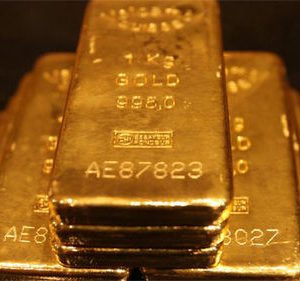
Precious metals are rare, naturally occurring metals with high economic value, known for their resistance to corrosion and use as a store of wealth. Common examples include gold, silver, platinum, and palladium. These metals are used mainly in jewelry, electronics, and investment. In contrast, base metals such as copper, nickel, zinc, and aluminum are abundant and widely used in construction, manufacturing, and infrastructure. They oxidize more easily and have lower intrinsic value.
The key difference lies in rarity, value retention, and market function. Precious metals are valued for their role in providing financial security and long-term stability. Base metals serve industrial needs and reflect broader economic trends. Precious metals tend to move independently of stock markets, whereas base metals fluctuate in line with global manufacturing demand.
Precious metals offer benefits such as inflation protection, wealth preservation, and liquidity. However, they carry risks like price manipulation, storage fees, and limited short-term growth. Base metals benefit from rising industrial activity, offering higher returns during economic booms; however, they are also exposed to price volatility, geopolitical risks, and oversupply.
Choosing between the two depends on investment objectives. Precious metals are well-suited for conservative investors seeking stability. Base metals appeal to those seeking growth tied to industrial expansion. A well-diversified strategy includes both balanced risk and opportunity.
Diamond Banc offers U.S.-based investors expert guidance and flexible financial solutions backed by precious metals. With deep industry knowledge and secure asset-backed lending services, Diamond Banc helps clients leverage their metal holdings with confidence and clarity.
Table of Contents
- What is a Precious Metal?
- What is a Base Metal?
- What Are The Differences Between Precious And Base Metals?
- What Are The Similarities Between Precious And Base Metals?
- What Are Some Examples Of A Precious Metal?
- What Are Some Examples Of A Base Metal?
- What Are The Benefits of Investing in Precious Metals?
- What Are The Benefits Of Investing In Base Metals?
- What Are The Risks Of Investing In Precious Metals?
- What Are The Risks Of Investing In Base Metals?
- How to Choose a Better Option: Base vs. Precious Metal for Investing?
- How Do Investors Feel About Precious Metals?
- What Are the Reasons to Invest in Gold Coins?
- Why Do Base Metals Rust Faster Than Precious Metals?
- Are all Base Metals inferior?
- How Do Precious Metals React to Market Crashes?
- Can I Borrow Money Against Gold?
- Does White Gold Need More Upkeep Than Other Metals?
- Is Gold a Safe-Haven Investment?
- Which US Lender Offers Loans Against My Gold Investment?
What is a Precious Metal?
A precious metal is a rare, naturally occurring metallic element with high economic value due to its scarcity, durability, and resistance to corrosion. The most recognized precious metals include gold, silver, platinum, and palladium. These metals do not oxidize easily and maintain their luster and chemical properties over time, making them ideal for long-term use and preservation.
The primary purposes of precious metals are found in three core areas: jewelry and art, investment and wealth preservation, and industrial applications. Gold and silver are widely used in luxury goods and decorative items due to their aesthetic appeal and malleability.
In finance, precious metals serve as a store of value and a hedge against inflation, especially during periods of economic uncertainty. They are commonly held in physical form or through financial instruments, such as ETFs (Exchange-Traded Fund) and bullion (trading) accounts. Industrially, platinum and palladium are essential in sectors like automotive manufacturing and electronics due to their catalytic and conductive properties.
The combination of beauty, rarity, and utility makes precious metals both a tangible asset and a strategic component in diversified investment portfolios.
What is the Precious Metal Used For?
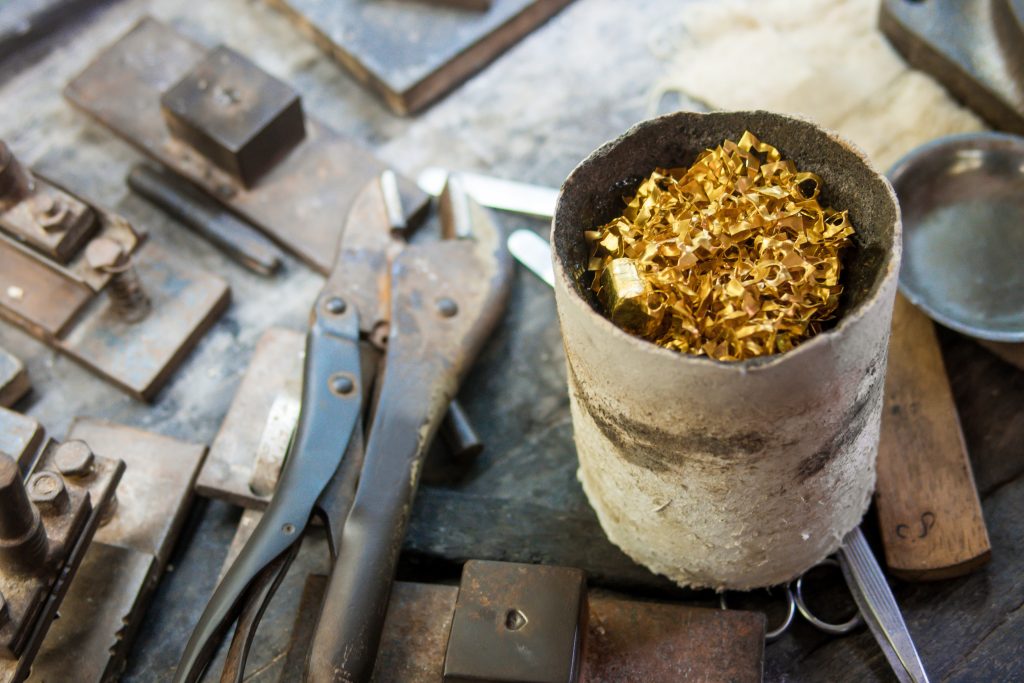
Precious metals are utilized across various sectors, including financial, decorative, and industrial, due to their unique physical and chemical properties. In the financial world, metals such as gold and silver are widely regarded as investment assets and used to hedge against inflation, currency fluctuations, and economic instability. They are stored in the form of coins, bullion, and exchange-traded products.
In the luxury goods market, precious metals are essential for the creation of jewelry, watches, and fine art, valued for their aesthetic appeal and enduring shine. Gold and platinum are especially favored for high-end pieces due to their rarity and resistance to tarnish.
Industrially, platinum and palladium are critical in automotive manufacturing, particularly in catalytic converters that reduce vehicle emissions. Silver is widely used in electronics, solar panels, and medical devices due to its superior electrical conductivity and antimicrobial properties.
These diverse applications highlight the economic importance and versatility of precious metals, making them a vital resource in both traditional and modern industries.
What is a Base Metal?
Base metal is a common, non-precious metal that is widely available, chemically reactive, and used primarily in industrial applications. Unlike precious metals, base metals oxidize or corrode over time and do not retain high intrinsic value. Examples of base metals include copper, nickel, zinc, lead, aluminum, and tin.
Base metals are essential to global infrastructure and manufacturing. They form the backbone of industries such as construction, transportation, electronics, and power generation. For instance, copper is used in electrical wiring and plumbing, while aluminum is key to packaging and aviation due to its lightweight and strength.
Because of their abundance and functional importance, base metals are traded in large volumes and are closely tied to economic growth and industrial demand. Their prices tend to fluctuate based on supply chains, geopolitical factors, and construction activity worldwide.
While base metals lack the rarity of precious metals, their role in daily production and infrastructure development makes them economically significant and highly utilized across sectors.
What is the Base Metal Used For?
Base metals are primarily used in construction, manufacturing, transportation, and electrical industries due to their strength, conductivity, and affordability.
Copper, for example, is widely used in electrical wiring, circuit boards, and plumbing systems because of its excellent conductivity and corrosion resistance. Aluminum plays a key role in packaging, automotive parts, aerospace components, and building materials thanks to its lightweight and durable properties.
Nickel is essential in producing stainless steel and other corrosion-resistant alloys used in kitchenware, tools, and industrial machinery. Zinc is mainly used for galvanizing steel to protect it from rust, making it critical in infrastructure and automotive sectors. Lead is used in batteries, radiation shielding, and cable sheathing.
These applications show that base metals are indispensable to modern infrastructure and industrial production, serving as the foundation for economic development and technological advancement.
What Are The Differences Between Precious And Base Metals?
The differences between precious and base metals are based on rarity, corrosion resistance, market behavior, and investment value. Precious metals are rare, durable, and stable assets, while base metals are abundant, reactive, economically sensitive, and primarily industrial in use.
The detailed comparison of these differences is as follows:
Rarity and Value
Precious metals are extremely rare in the Earth’s crust, which gives them a significantly higher value per unit compared to base metals. For example, only about 244,000 metric tons of gold have ever been mined, making it one of the scarcest natural resources. As a result, the price of gold exceeds $2,700 per ounce.
In contrast, base metals like copper or aluminum are much more abundant and cost far less, with copper averaging around $5 per pound. This difference impacts how each metal is used. U.S. investors rely on precious metals for wealth preservation, while DIY enthusiasts and industrial users choose base metals for affordability and wide availability in construction and manufacturing.
Corrosion Resistance
Precious metals are highly resistant to corrosion and oxidation, which is why gold, silver, and platinum maintain their shine and structure even after decades of use.
Gold does not rust or tarnish, making it ideal for jewelry, fine art, and electronics. Base metals, on the other hand, corrode easily when exposed to air or moisture. Copper develops a green patina, iron rusts, and zinc oxidizes without protection. This makes base metals less durable over time unless treated or coated. For U.S. consumers, this means precious metals are preferred for long-lasting applications, while base metals require more maintenance in DIY projects, tools, and infrastructure components.
Market Fluctuations
Precious metals typically act as safe-haven assets. Their prices rise during periods of inflation, geopolitical uncertainty, or economic downturns. For example, gold is known to gain value when stock markets fall or the U.S. dollar weakens. Base metals, in contrast, are highly sensitive to industrial demand and economic cycles. Prices for copper, nickel, and aluminum tend to rise during economic booms and fall during recessions.
Understanding this behavior helps U.S. investors manage risk; precious metals offer portfolio protection, while base metals are more suited for those tracking global production and growth trends.
Investment Value
Precious metals are widely used for investment purposes due to their ability to store value over time. American investors frequently hold gold and silver as physical assets, through ETFs or within IRAs, to guard against inflation and preserve purchasing power. These metals are easy to buy, sell, and store in small quantities.
Base metals, however, are rarely used in personal investing because of their bulk, lower value, and industrial focus. Investing in base metals typically involves commodity trading or mining stocks by institutional investors. U.S. buyers benefit from understanding these distinctions when selecting metals for investment, personal wealth, or resale value.
What Are The Similarities Between Precious And Base Metals?
The similarities between precious and base metals include shared physical characteristics, overlapping industrial roles, and mutual influence by global market forces. Both are naturally occurring elements extracted from the Earth and processed into usable forms. Despite differences in rarity and value, they are crucial to manufacturing, infrastructure, and commerce. Investors and industries in the U.S. utilize both categories for diverse purposes, ranging from economic stability to large-scale production. Some of the common similarities are:
- Shared Uses
Shared uses refer to the overlapping functional roles of precious and base metals in key industries. Both precious and base metals are used in key sectors like electronics, medical equipment, and automotive manufacturing. For example, silver (precious) and copper (base) are essential for wiring due to their high electrical conductivity. Their shared utility in essential goods highlights their functional overlap despite value differences.
- Allotment
Allotment is the process of combining a metal with another element to form an alloy, enhancing mechanical or chemical performance. Precious metals like gold are alloyed with copper or silver for durability in jewelry. Base metals like nickel and zinc are used in alloys like stainless steel. This shared metallurgical use supports both decorative and structural applications.
- Market Fluctuations
Market fluctuations describe the changes in metal prices due to global economic factors. Both metal types are traded on global commodity markets and experience price changes driven by supply, demand, and economic factors. While precious metals respond to inflation and investor behavior, base metals follow industrial activity. However, both react to interest rates, geopolitical events, and market sentiment.
- Industrial Applications
Industrial applications are the large-scale, functional uses of metals in manufacturing, infrastructure, and energy systems. Precious and base metals are critical to manufacturing and infrastructure. Platinum (precious) and nickel (base) are used in catalytic converters. Silver and copper are vital in solar panels and power systems. These shared roles are essential to technological and economic development.
- Coinage
Coinage is the production and circulation of metal-based currency units. Both have historical and modern relevance in currency production. Precious metals like gold and silver were used in early coinage for their intrinsic value. Today, base metals like copper and nickel are standard in circulating coins due to cost-efficiency and durability, showing functional continuity across both classes.
What Are Some Examples Of A Precious Metal?
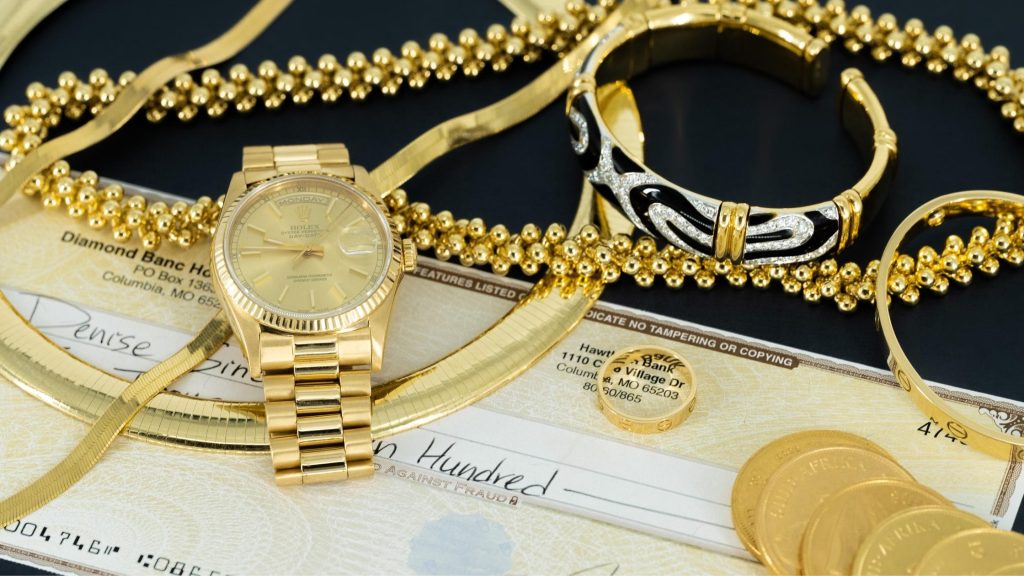
Some examples of precious metals include gold, silver, platinum, palladium, and other rare, corrosion-resistant elements like rhodium, iridium, osmium, rhenium, and ruthenium. These metals are valued for their rarity, beauty, durability, and functional versatility across industries such as jewelry, electronics, medical devices, and investment markets. Each example listed below plays a distinct role in both economic and industrial systems.
- Gold
Gold is a soft, yellow metal prized for its brilliance, resistance to tarnish, and ease of shaping. It is widely used in fine jewelry, investment bullion, and electronics due to its conductivity and aesthetic appeal. Its high market value and global acceptance make it a primary store of wealth.
- Silver
Silver is a white, lustrous metal known for its brilliant finish and highest electrical conductivity among all metals. It is used in jewelry, solar panels, medical tools, and currency. Though more abundant than gold, its industrial demand enhances its economic relevance and trading value.
- Platinum
Platinum is a dense, silvery-white metal recognized for its high melting point and corrosion resistance. It is used in catalytic converters, dental equipment, and high-end jewelry. Its strength and rarity position it among the most valuable precious metals.
- Palladium
Palladium is a silver-white metal mainly used in automotive catalytic converters, as well as in electronics and hydrogen purification. It is lightweight yet durable, and its price rivals gold due to limited supply and high demand.
- Rhodium
Rhodium is a reflective, corrosion-resistant metal used primarily to coat jewelry and automotive parts. It is rarer than gold and trades at a higher price due to its scarcity and industrial significance.
- Iridium
Iridium is an extremely hard, brittle metal that resists heat and chemical attack. It is used in spark plugs, crucibles, and electronics. Its durability and resistance make it essential in harsh environments.
- Osmium
Osmium is the densest naturally occurring element, used in fountain pen tips, electrical contacts, and scientific instruments. It is valued for its hardness, though limited due to toxicity in some forms.
- Rhenium
Rhenium is a rare, heat-resistant metal used in jet engines and high-temperature turbines. Its melting point and stability make it vital in aerospace and military applications.
- Ruthenium
Ruthenium is a rare, silver-gray metal known for its catalytic efficiency and structural strength. It is used in electronics for chip resistors and electrical contacts due to its conductivity and stability. Ruthenium is used in electronics, chemical catalysts, and solar energy systems. It enhances the hardness of platinum and palladium when alloyed, increasing their lifespan in demanding applications.
What Are Some Examples Of A Base Metal?
Some examples of base metals include copper, lead, nickel, tin, aluminum, and zinc. These metals are widely available, structurally strong, and essential to industrial and commercial applications. Base metals serve as the foundation of construction, electronics, transportation, and manufacturing due to their functional properties and affordability. Each example listed below plays a vital role in the global economy and everyday use.
- Copper
Copper is a reddish-brown metal known for its high electrical and thermal conductivity. It is widely used in electrical wiring, plumbing, motors, and electronics. Its durability and corrosion resistance make it ideal for long-term infrastructure and renewable energy systems. Despite its lower cost compared to precious metals, copper holds high industrial value.
- Lead
Lead is a dense, soft metal with excellent radiation shielding and soundproofing capabilities. It is commonly used in batteries, cable sheathing, and protective barriers in medical and nuclear facilities. Its ability to absorb vibrations and block radiation gives it unique utility in specialized sectors.
- Nickel
Nickel is a strong, corrosion-resistant metal used primarily in stainless steel production, batteries, and electroplating. It enhances the strength and resistance of alloys, making it critical in aerospace, automotive, and energy storage applications. Its durability and performance under extreme conditions make it a high-demand industrial metal.
- Tin
Tin is a lightweight, silvery metal known for its resistance to corrosion and ability to form alloys. It is used in soldering, coatings, and tin-plated steel packaging. Tin improves bonding in electronics and extends the life of metal surfaces in food and beverage containers.
- Aluminum
Aluminum is a lightweight, silvery-white metal valued for its strength-to-weight ratio and corrosion resistance. It is used in aircraft, vehicles, packaging, and construction. Its recyclability and energy efficiency make it a preferred material in sustainable manufacturing.
- Zinc
Zinc is a bluish-white metal used mainly for galvanizing steel to prevent rust. It also serves in batteries, die-casting, and pharmaceutical products. Zinc’s anti-corrosive properties make it essential in protecting structural steel, automotive parts, and outdoor equipment.
What Are the Benefits of Investing in Precious Metals?
The benefits of investing in precious metals include portfolio diversification, inflation protection, long-term value retention, and global liquidity. Precious metals such as gold, silver, platinum, and palladium offer tangible, globally recognized assets that perform well during market volatility and economic uncertainty. Their unique financial properties make them attractive to conservative investors, long-term planners, and those seeking stability across fluctuating markets. The specific benefits are:
- Diversification
Diversification is the process of spreading investments across different asset classes to reduce risk. Precious metals have a low correlation with equities and bonds, making them effective in balancing portfolio exposure during market downturns.
- Inflation Hedging
Inflation hedging is the process of protecting investment value from rising consumer prices. Precious metals serve this function because, unlike paper currency, they retain purchasing power when inflation devalues the dollar. Gold prices, for instance, historically increased during inflationary periods in the U.S.
- Store of Value
A store of value is an asset that maintains its worth without depreciating over time. Precious metals meet this definition because they are physically durable, globally accepted, and inherently scarce, making them suitable for preserving wealth across generations.
- Capital Preservation
Capital preservation refers to the strategy of protecting invested capital from loss. Precious metals contribute to this by offering price stability during market downturns, unlike equities, which suffer sharp declines in crises.
- Long-Term Value Appreciation
Long-term value appreciation means an asset increases in price over extended periods. Gold and silver qualify due to their limited global supply and consistent demand, which historically resulted in gradual, sustained value growth over decades.
- Liquidity
Liquidity is the ease with which an asset is converted to cash. Precious metals are highly liquid because they are traded globally through dealers, exchanges, and financial institutions, enabling fast sales without major price concessions.
- Global Demand
Global demand refers to the widespread and ongoing need for a resource. Precious metals are in continuous demand for jewelry, electronics, and investment, supporting stable pricing and making them a reliable long-term holding.
- Self-Directed IRA Options
A Self-Directed Individual Retirement Account (SDIRA) is a retirement account that allows alternative asset investments. Under IRS (Internal Revenue Service) guidelines, individuals hold physical precious metals like gold and silver within an SDIRA, enabling tax-deferred or tax-free growth depending on the IRA type.
- Favorable Tax Treatment
Favorable tax treatment means certain legal provisions reduce tax burdens. In the U.S., several states exempt investment-grade gold and silver from sales tax, making acquisition more cost-efficient for investors purchasing large quantities.
What Are The Benefits Of Investing In Base Metals?
The benefits of investing in base metals include diversification, consistent industrial demand, inflation hedging, and the potential for capital gains during economic expansion. Base metals like copper, nickel, zinc, aluminum, and lead are essential to global infrastructure and production. Their economic relevance, physical utility, and price responsiveness offer unique advantages for investors seeking growth-linked exposure and tangible assets. The specific benefits are:
- Hedge Against Inflation
Hedge against inflation refers to the ability of an asset to retain or grow in value as the cost of goods rises. Base metals perform this role by increasing in price alongside construction and industrial material costs, especially during periods of global infrastructure spending or supply constraints.
- Economic Uncertainty
Economic uncertainty is when financial markets become unpredictable. While precious metals are traditional safe havens, base metals benefit from stimulus-driven recoveries. During rebuilding phases or green energy transitions, demand for base metals rises, offering counter-cyclical investment (investments that tend to perform well or increase in value during economic downturns) opportunities.
- Diversification
Diversification is a risk management strategy involving multiple asset types. Including base metals in a portfolio adds exposure to industrial growth trends, providing balance against assets like stocks or bonds that underperform during commodity-driven booms.
- Consistent Demand
Consistent demand means continuous use across industries. Base metals are used in transportation, electronics, renewable energy, and construction, ensuring broad, stable demand regardless of consumer market shifts. For example, copper and aluminum are essential in EVs and power grids.
- Tangible Assets
Tangible assets are physical items with intrinsic utility. Base metals are real, usable materials with fundamental economic value, unlike speculative financial instruments. They support real-world industries, making them resilient during global supply chain cycles.
- Potential for Capital Gains
Capital gains refer to profit made from asset appreciation. Base metals experience price increases during economic growth, infrastructure investment, or material shortages. Investors gain when demand outpaces supply, particularly in sectors like construction and renewable energy.
What Are The Risks Of Investing In Precious Metals?
The risks of investing in precious metals include financial, logistical, and strategic limitations that affect overall returns. While assets like gold and silver provide stability, they also come with non-income-generating characteristics, high holding costs, and market dependencies. Understanding each risk helps investors maintain realistic expectations and balance their portfolios effectively. The common risks of investing in precious metals are:
- Lack of Income Generation
Lack of income generation refers to the absence of regular earnings from the asset. Precious metals do not pay dividends or interest, meaning they cannot generate passive income like stocks or bonds.
- Storage and Insurance Costs
Storage and insurance costs refer to the physical and financial requirements of protecting metal holdings. Investors must secure precious metals in vaults or deposit boxes and pay insurance fees, which reduce overall returns.
- Market Volatility
Market volatility means frequent and unpredictable price changes. Although considered safe long-term, gold and silver fluctuate sharply due to currency movements, interest rate changes, or geopolitical events.
- Limited Liquidity
Limited liquidity involves the difficulty of converting an asset into cash without loss. Certain precious metal products, such as rare coins or large bullion bars, do not sell quickly at full value in all market conditions.
- Lack of Control
Lack of control highlights the investor’s inability to influence price or supply. Precious metal values are determined by global economic factors and mining output, offering no strategic control to individual holders.
- Potential for Scams
The potential for scams refers to the risk of counterfeit products or dishonest dealers. The unregulated nature of some parts of the gold and silver market increases exposure to fraud.
- High Premiums and Commissions
High premiums and commissions are transaction costs added by dealers. Buyers pay more than the spot price and also incur selling fees, reducing potential profits.
- Opportunity Cost
Opportunity cost is the lost potential from not investing elsewhere. Money tied in precious metals could earn higher returns in growth-focused assets like equities or real estate during economic expansions.
What Are The Risks of Investing In Base Metals?
The risks of investing in base metals include market-driven volatility, dependence on industrial demand, physical degradation, and investment channel exposure. While base metals like copper, nickel, and aluminum offer strong growth potential, they also come with economic sensitivity and structural risks that investors must evaluate to make balanced, informed decisions. The common risks of investing in base metals are:
- Market Volatility
Market volatility refers to unpredictable price swings caused by global supply-demand shifts. Base metal prices react strongly to economic cycles, geopolitical tensions, and raw material shortages, which lead to rapid gains or steep losses.
- Industrial Demand Fluctuations
Industrial demand fluctuations are changes in usage levels driven by manufacturing activity. Since base metals are tied to sectors like construction and electronics, a slowdown in global production lowers demand and depresses prices.
- Storage Costs
Storage costs refer to the logistical burden of holding physical metals. Unlike gold, base metals are bulky and less valuable per unit, requiring large storage space and increasing handling and protection expenses.
- Fraud and Scams
Fraud and scams involve counterfeit materials or false trading claims. Investors are exposed to impure metals, fake documentation, or illegitimate dealers, particularly when sourcing from unverified platforms.
- Tarnishing and Corrosion
Tarnishing and corrosion refer to the chemical degradation of metals like copper or zinc. These metals react with air and moisture, requiring protective coatings or storage to maintain usability and value.
- Counterparty Risk
Counterparty risk is the possibility that a broker, trader, or fund manager defaults on obligations. In base metal contracts or ETFs, the investor’s return depends on the reliability of the intermediaries involved.
- Stock-Based Investment Risks
Stock-based investment risks arise when buying base metals through mining or manufacturing companies. Company-specific issues such as debt, mismanagement, or legal problems affect returns even if metal prices rise.
- Leverage Risk
Leverage risk refers to losses amplified by using borrowed funds to invest. Commodity trading in base metals involves futures or margin accounts, where small price shifts lead to large financial losses if positions are overleveraged.
How to Choose a Better Option: Base vs. Precious Metal for Investing?
To choose a better option between base and precious metals for investing, you must evaluate four key factors: investment goal, time horizon, risk tolerance, and market outlook. Each factor determines which metal category better fits your financial strategy.
If your investment goal is to preserve wealth, hedge against inflation, and reduce portfolio volatility, precious metals such as gold, silver, and platinum are better options. These metals maintain value during economic downturns and currency depreciation, making them ideal for defensive positions. If your goal is capital growth tied to industrial expansion, base metals such as copper, aluminum, or nickel are more suitable, as they tend to perform well when manufacturing and infrastructure spending increase.
Your time horizon also matters. Precious metals are suitable for long-term investors who prioritize safety and gradual appreciation. Base metals favor shorter or cyclical timelines, allowing investors to benefit from commodity price surges during economic booms.
Risk tolerance is a critical factor. Precious metals are lower-risk assets with stable historical performance and high liquidity. Base metals are more volatile due to industrial demand fluctuations and economic sensitivity. They offer higher reward potential but with greater price swings.
Consider your market outlook. In times of recession, high inflation, or currency instability, precious metals typically outperform. In periods of economic growth, urbanization, or technological expansion, base metals show stronger gains due to rising industrial use.
Choosing the right option depends on aligning these four factors with your financial profile. For investors in the U.S. seeking professional guidance on building a metal-backed investment strategy, Diamond Banc offers trusted expertise in both precious and tangible asset-based financial solutions.
How Do Investors Feel About Precious Metals?
Investors generally view precious metals as safe, long-term stores of value, especially during periods of inflation or economic instability. They appreciate the metals’ historical price stability, physical tangibility, and independence from traditional financial systems.
While precious metals do not generate income, many U.S. investors include them in their portfolios to diversify and reduce overall risk. Their value retention across time makes them a favored choice for conservative and wealth-preserving investment strategies, particularly in uncertain or volatile markets. Precious metals are not speculative; they are security-focused assets.
What Are the Reasons to Invest in Gold Coins?
Gold coins offer three reasons to invest in gold coins: portfolio diversification, tangible wealth storage, and global liquidity. They are recognized globally and easily exchanged, making them a flexible financial asset. Coins often carry numismatic or collectible value, adding premium potential beyond market spot prices. Many investors choose gold coins to safeguard against inflation and currency fluctuations.
Why Do Base Metals Rust Faster Than Precious Metals?
Base metals rust faster than precious metals because they are more chemically reactive. Metals like iron, copper, and zinc easily oxidize when exposed to air and moisture.
In contrast, precious metals like gold and platinum are noble metals, meaning they resist corrosion due to their stable atomic structure. This resistance gives precious metals a longer lifespan and aesthetic durability, which is why they’re used in fine jewelry, electronics, and wealth preservation tools, whereas base metals require coatings or maintenance to prevent degradation.
Are All Base Metals Inferior?
No, not all base metals are inferior. While base metals lack the rarity and monetary role of precious metals, they offer functional strength, affordability, and industrial value. Copper, aluminum, and nickel are vital for construction, electronics, transportation, and clean energy systems. Their performance is judged by utility and economic demand, not scarcity. Base metals often outperform in periods of industrial growth. Their wide application makes them essential, especially in sectors focused on infrastructure, technology, and energy transformation.
How Do Precious Metals React to Market Crashes?
Precious metals typically gain value or remain stable during market crashes. As stock markets decline, investors often move funds into safe-haven assets like gold and silver, driving demand and price. Historically, gold prices rise when confidence in financial systems drops. These metals are not tied to company earnings or credit systems, making them resilient in times of crisis. Their inverse correlation to equities helps cushion portfolio losses, which is why many U.S. investors turn to precious metals in market downturns.
Can I Borrow Money Against Gold?
Yes, you can borrow money against gold by using it as collateral for a secured loan. Lenders assess the gold’s weight, purity, and market value to determine loan terms. This method allows you to access cash without selling your asset. It’s especially useful for short-term liquidity without triggering capital gains tax — or without borrowing from a 401K and losing years of retirement growth.
Does White Gold Need More Upkeep Than Other Metals?
Yes, white gold generally requires more maintenance than yellow gold or platinum. It is alloyed with metals like nickel and then plated with rhodium to give it a bright white finish. Over time, this rhodium plating wears off, requiring reapplication to restore appearance. White gold may also scratch more easily compared to platinum. Regular polishing and replating are necessary to maintain its luster, especially for jewelry worn daily, such as rings. Despite the upkeep, many choose white gold for its modern aesthetic.
Is Gold a Safe-Haven Investment?
Yes, gold is widely considered a safe-haven investment. What you need to know to invest in gold is that it retains value in times of economic uncertainty, inflation, and currency decline. Gold’s physical nature and historical use as a global currency provide trust and stability that stocks or fiat currencies cannot offer. It has a long record of price resilience during financial crises, making it a preferred hedge in diversified portfolios.
Which US Lender Offers Loans Against My Gold Investment?
Diamond Banc is a leading U.S. lender that offers loans against your gold investment. We provide secure, confidential funding solutions based on the real-time market value of your gold assets. Whether you own coins, bullion, or fine jewelry, Diamond Banc allows you to unlock liquidity without selling your metals. With fast evaluations, competitive rates, and no credit checks, Diamond Banc is trusted for flexible lending across the United States.
CONTACT DIAMOND BANCGET A LOANSELL MY JEWELRY
Like what you’re reading?
Add us in Google — more like this is on the wayRelated Posts



 Instagram
 Facebook
 Tiktok
 YouTube