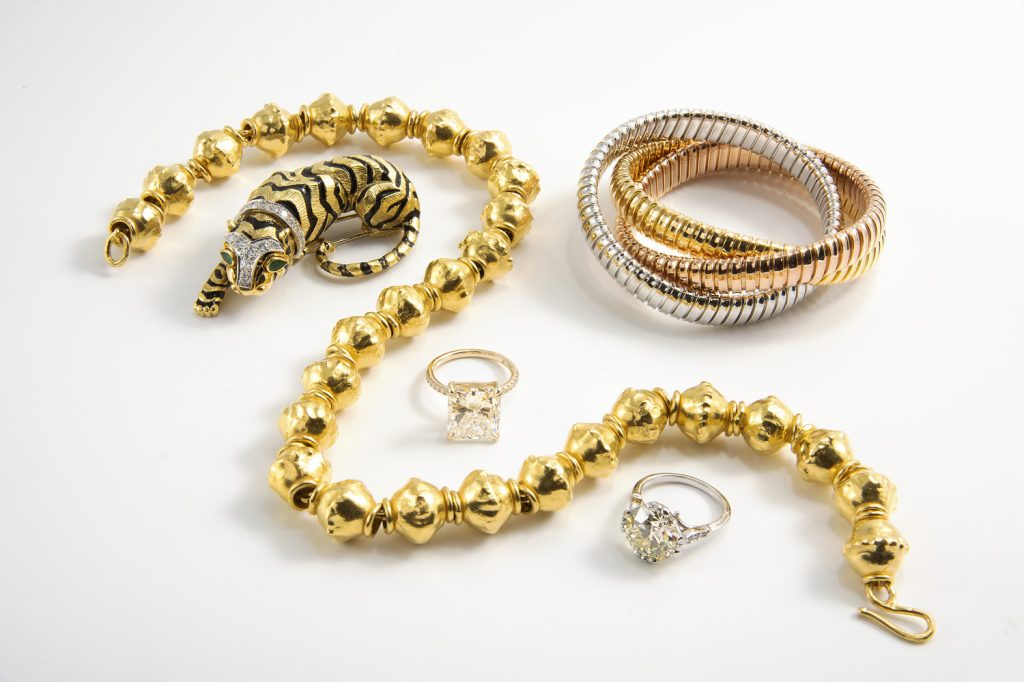
If you own a Rolex, a fine diamond piece, or anything else with real resale value, a high-value jewelry loan can turn that asset into cash without giving it up for good. But the way these loans get priced surprises a lot of first-time borrowers: the number on your insurance appraisal or the receipt from the jeweler often has little to do with what a lender will actually offer. What matters is condition, documentation, and current market data for that exact model or piece, not what you paid or what it would cost to replace.
This matters more now than it did a few years ago, because the secondary market for luxury watches and fine jewelry moves constantly, and it doesn’t move the same way for every brand or model. Understanding how that pricing actually works, and what a lender is legally required to disclose to you, puts you in a much stronger position before you sign anything.
What a Lender Actually Values (Not Retail, Not Insurance)
There are three numbers that often get confused in this conversation: retail price, insurance replacement value, and the figure a lender will actually use. Retail price is what the piece cost new. Insurance replacement value is typically set higher, since it reflects what it would cost to replace the item today at a retail jeweler, including markup. Neither of those is what secures your loan.
A lender offering a high-value jewelry loan is pricing the item against what it could realistically recover if the loan isn’t repaid, which means looking at current secondary-market data for that specific reference number, metal, size, and condition. For a Rolex, that means knowing the difference between a steel Datejust and a two-tone one, or a discontinued Daytona reference versus a current-production model, because those details move the number significantly. This is why using your jewelry as collateral works best with a lender who specializes in the category rather than one treating every item the same way.
Documentation, Hallmarks, and Why They Change Your Offer
Original box and papers matter for a watch loan, but their absence isn’t disqualifying. What changes is how the lender verifies the piece. A watch with its full set, including the original warranty card, can usually be authenticated and valued faster. Without it, a specialist will rely more heavily on serial numbers, movement inspection, and case markings to confirm authenticity, which can affect timing more than it affects the final number if the piece checks out.
The same logic applies to jewelry. If a piece’s metal isn’t stamped, or the stamp has worn away, a reputable lender will test the metal content directly rather than simply declining it. Diamonds and colored stones get the same treatment: a GIA or AGS certificate speeds up the process, but a trained appraiser can evaluate an unstamped or uncertified piece in person. What you lose by not having paperwork isn’t necessarily value, it’s convenience and speed.
Condition is where two seemingly identical pieces diverge. A Rolex Submariner with a polished case, replaced bezel insert, or an aftermarket bracelet link will be valued differently than one in original, unpolished condition, even if both are the same reference number. The same is true of a diamond ring where prongs have been re-tipped or a stone has been reset. Lenders who do model-specific valuation account for these details individually, not with a flat percentage of retail.
Is a High-Value Jewelry Loan a Pawn Transaction, and What Are You Owed?
Many borrowers aren’t sure whether this kind of loan is legally a pawn transaction. If the structure involves pledging your item for cash with the right to redeem it for a larger amount within a set period, it generally falls under federal Truth in Lending disclosure requirements under Regulation Z. That means you are entitled to clear, written disclosure of the amount financed and the loan terms, not just a verbal quote. Any lender offering this kind of loan, whether you’d describe it as a jewelry loan or you’re specifically looking to pawn a Rolex at a specialist rather than a general pawn shop, should be putting those terms in writing before you hand over the piece.
This is also where the difference between a general pawn shop and a specialist lender shows up most clearly. A shop without watch or jewelry expertise may undervalue a piece simply because they don’t know what they’re looking at, while still being fully compliant on paperwork. Compliance and accurate valuation are two separate things, and you want both.
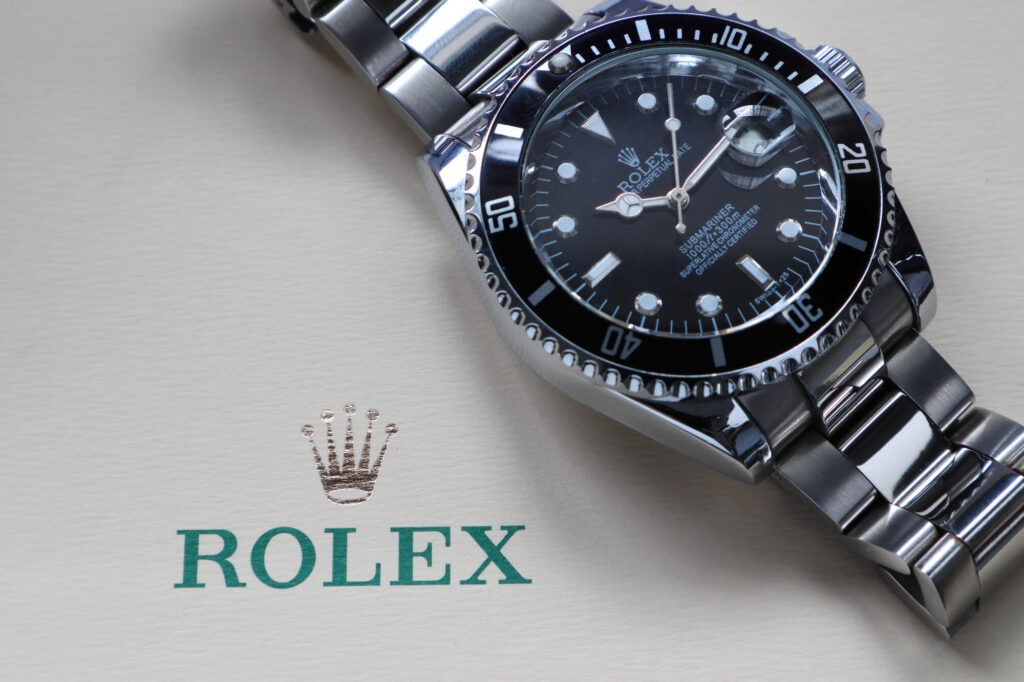
Why the Same Watch Can Get Two Different Offers Right Now
Secondary-market pricing for luxury watches isn’t a single number that moves up or down uniformly. The WatchCharts Rolex Market Index, which tracks the top 30 Rolex models by transaction value, stood at 28,881 in its August 2026 update, up 6.8% year-over-year. But within that same index, the Daytona collection sub-index sat at 45,244, up 7.7% year-over-year, a noticeably stronger move than the broader Rolex average.
That gap matters for anyone comparing a loan offer against what they remember a watch being worth a year ago. Working backward from the Daytona figure: 45,244 divided by 1.077 puts that collection’s index value at roughly 42,009 a year earlier. A collection moving that much faster than the overall Rolex average means a loan offer tied to today’s data can look very different from what the same watch would have generated twelve months ago, in either direction depending on the model. This is exactly why a specialist lender prices against current, model-specific data rather than a number pulled from memory or an old appraisal.
Servicing a Watch You Plan to Use as Collateral
Rolex’s own guidance is to service a watch approximately every 10 years, depending on the model and how it’s actually worn, rather than on a fixed calendar schedule. The brand also provides a five-year international guarantee on new watches purchased through an Official Rolex Jeweler, but that guarantee only holds up if the original warranty card was completed and is presented with the watch.
Here’s the part that catches people off guard: a full factory service can involve replacing components that no longer meet current specifications, including dial, hands, or bezel parts in some cases. For most owners that’s a non-issue. But if you’re planning to use a watch as collateral, or eventually sell it, and originality matters for that particular reference, it’s worth asking a specialist whether servicing now or waiting makes more sense for the piece’s value, rather than assuming service is always a simple maintenance decision with no downside.
High-End Watch Loans Across the Country, Including NYC’s Boroughs
A lot of searches for loans on high-end watches come from people in dense metro areas, Queens, Brooklyn, the Bronx, Flushing, and Manhattan among them, who are looking for a specialist rather than a corner pawn shop. You don’t need a storefront on your block to get accurate, model-specific pricing. Diamond Banc operates physical local offices alongside a nationwide process built around secure, insured mail-in shipping, so a watch owner anywhere, including New York City’s boroughs, can get the same specialist appraisal and high-end watch loan terms as someone walking into an office in person. The valuation process, the documentation review, and the offer itself don’t change based on geography; what changes is simply how the item physically gets to the lender. For a closer look at how a mail-in appraisal and funding process actually works, see how an online jewelry loan is handled from intake to payout.
Getting the Most From a High-Value Jewelry Loan
A few decisions, made before you contact a lender, tend to have the biggest effect on your offer:
- Gather what you have. Box, papers, warranty cards, appraisal certificates, and receipts all speed up verification, even if none of them are strictly required.
- Don’t assume last year’s price still applies. As shown above, a model like the Daytona can move at a different pace than the overall Rolex market within the same twelve months, so ask for a current, model-specific valuation rather than relying on an old comparison.
- Ask about service timing before, not after. If a piece needs factory service, decide with the lender whether that happens before the loan, after redemption, or not at all, especially if originality affects the piece’s value.
- Get the terms in writing. Under federal disclosure rules, you’re entitled to see the amount financed and repayment terms clearly stated, not just quoted verbally.
- Compare a loan against selling outright. If the goal is cash without walking away from the piece permanently, a Rolex-secured loan keeps ownership intact; if you’ve already decided to part with it, a straightforward sale may make more sense.
High-value jewelry loans work because they’re priced on real, current data rather than sentiment or an old receipt. The lenders worth working with are the ones who can explain, in specific terms, why your piece is valued the way it is, not just hand you a number. For items like diamonds, gold, or platinum jewelry where documentation and metal testing play the same role condition plays for watches, the same principle applies: ask what the number is based on, and expect a clear answer. If you’re ready to see what a specialist offer looks like for your own piece, a model-specific, asset-based approach to high-end jewelry lending is worth understanding before you commit to any offer.
Like what you’re reading?
Add us in Google — more like this is on the wayRelated Posts
 Instagram
 Facebook
 Tiktok
 YouTube