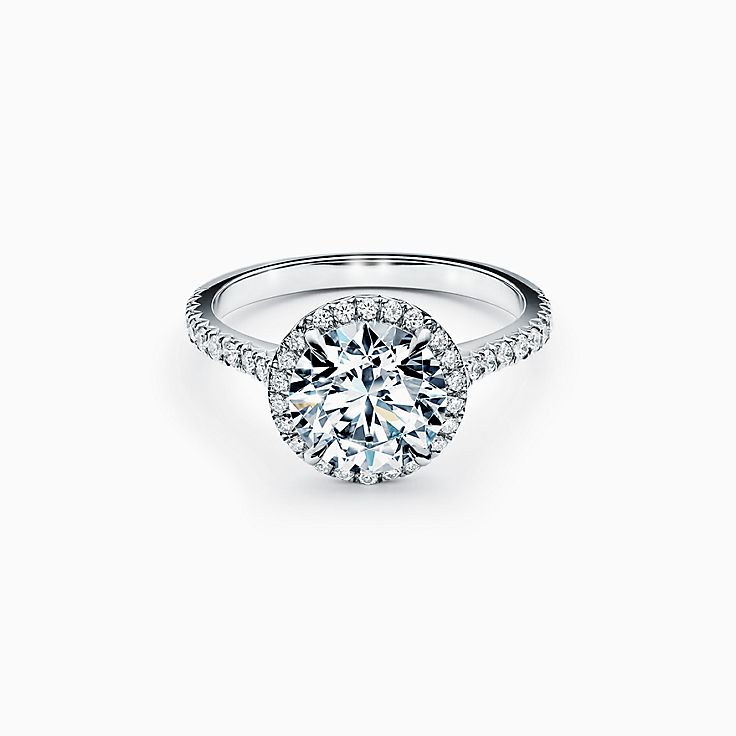
Selling a diamond ring online can get you a fair price without the pressure of a walk-in pawn shop, but it also puts you, not a jeweler’s counter, in charge of every safeguard a storefront would normally handle: verifying the buyer, protecting the payment, and getting the ring to its new owner intact. The best practices for selling diamond rings online come down to three things: what you disclose in the listing, how you vet whoever is paying you, and how you ship the ring once money changes hands. Skip any one of them and a ring worth several thousand dollars can turn into a total loss with nothing to show for it.
What You’re Required to Disclose in a Diamond Ring Listing
The FTC’s Jewelry Guides, revised in 2018, aren’t optional background reading for sellers. They set specific rules for how a diamond’s weight, quality, and any treatments have to appear in an online listing, and getting this wrong isn’t just bad practice, it can expose you to a legitimate complaint. If you describe a stone’s weight as a fraction, such as “1/2 carat,” the listing has to clearly state that the weight isn’t exact and spell out the tolerance range, right next to the fraction, not buried in a disclaimer further down the page. If you give the weight as a decimal instead, the rule is stricter: a diamond sold as “.5 carat” actually has to weigh between .495 and .504 carats to be described that way.
Treatment disclosure works on the same principle. If a diamond has been clarity-enhanced, laser-drilled, fracture-filled, or treated in any way that isn’t permanent or that materially affects its value, that has to be stated in the listing description itself, not added as a footnote at checkout or in a follow-up message after the buyer has already committed. A buyer who discovers after the sale that a “flawless” stone was actually fracture-filled has real grounds for a dispute, a chargeback, or worse, and the disclosure rule exists specifically to prevent that.
Vetting a Buyer Before You Ship
Most diamond ring scams don’t look like scams at first. The buyer is enthusiastic, responds quickly, and sometimes even offers to pay more than the asking price. That last detail is often the tell. The FTC’s guidance for online sellers describes the classic version of this scam: a buyer sends a check for more than the agreed price and asks you to wire back the difference, often citing a shipping agent or a “clerical error.” Banks are required to make deposited funds available within about two days, but it can take weeks for a bank to discover the check was counterfeit. Imagine listing a ring for $8,000 and receiving a check for $9,500 with a request to wire back the extra $1,500. By the time the bank flags the check as fake, you’ve already wired $1,500 in real money and, if you shipped before the check cleared, lost the ring as well. The $9,500 check is reversed out of your account, and both losses are yours.
Before you ship anything, independently confirm the buyer’s name, address, and phone number rather than taking a marketplace profile at face value. Be skeptical of anyone who pressures you to “act now,” insists on an unusual payment method, or asks you to share a one-time verification code sent to your phone, since the FTC flags all three as common precursors to fraud targeting sellers of high-value items specifically.
Payment Methods That Actually Protect a Seller
Not every payment method carries the same risk, and the difference matters more with a diamond ring than with almost anything else you’d sell online.
- Never accept a mobile payment (Venmo, Zelle, Cash App) from a stranger. These transfer instantly and are difficult or impossible to reverse once the buyer disputes the charge or claims the item never arrived.
- Never deposit a check for more than the agreed price. Any request to wire back an “overpayment” is a scam, without exception. A legitimate buyer has no reason to overpay you and then ask for cash back.
- Never wire funds back to a buyer under any circumstance. Wired money carries little to no recourse once sent, and the FTC has warned about this exact pattern for two decades because it still works on sellers.
- Consider an escrow service for a high-value sale. A legitimate escrow service holds the buyer’s payment until you ship and the buyer confirms the ring matches the listing, then releases the funds to you. The catch is that you have to verify the escrow service yourself, independently, rather than trusting one the buyer recommends. Fraudsters sometimes build fake escrow sites that look convincing but simply collect the payment and disappear. Check for a working customer service line, a clear terms of agreement, and no history of complaints with the Better Business Bureau or your state attorney general before you rely on one.
Best Practices for Safe Shipping of High-Value Items
If you do ship the ring yourself, the carrier’s standard insurance is almost certainly less than the ring is worth, and this applies whether you’re shipping to an online buyer or sending an item to a pawn shop for evaluation. USPS’s standard insurance, available on Priority Mail, Priority Mail Express, and Ground Advantage, caps out at $5,000 for a lost, damaged, or missing package. UPS is worse for jewelry specifically: its default liability for gold, silver, platinum, and loose gemstones is capped at $1,000 regardless of what declared value you list on the shipment, unless you’ve arranged a negotiated high-value goods contract in advance. FedEx sits in between, but only if you plan ahead: enrolling in its Declared Value Advantage program lets you declare coverage up to $100,000 per domestic shipment, far above its standard ceiling.
The one option actually built for this problem is USPS Registered Mail, the Postal Service’s highest-security domestic service. It can be insured up to $50,000 for items that warrant it, which is exactly the bracket most diamond rings fall into. Registered Mail moves more slowly than a standard Priority Mail label and requires more paperwork at the counter, including a sealed, tamper-evident package and a signature at every point of custody, but it’s the only common carrier option that actually matches the value of a mid-to-high-end ring. Whatever service you choose, package the ring so the box doesn’t announce its contents, require a signature on delivery, weigh and photograph the sealed package before you hand it to the carrier, and keep every receipt until the buyer confirms the ring arrived as described.
Verifying a GIA Certificate Matches the Stone
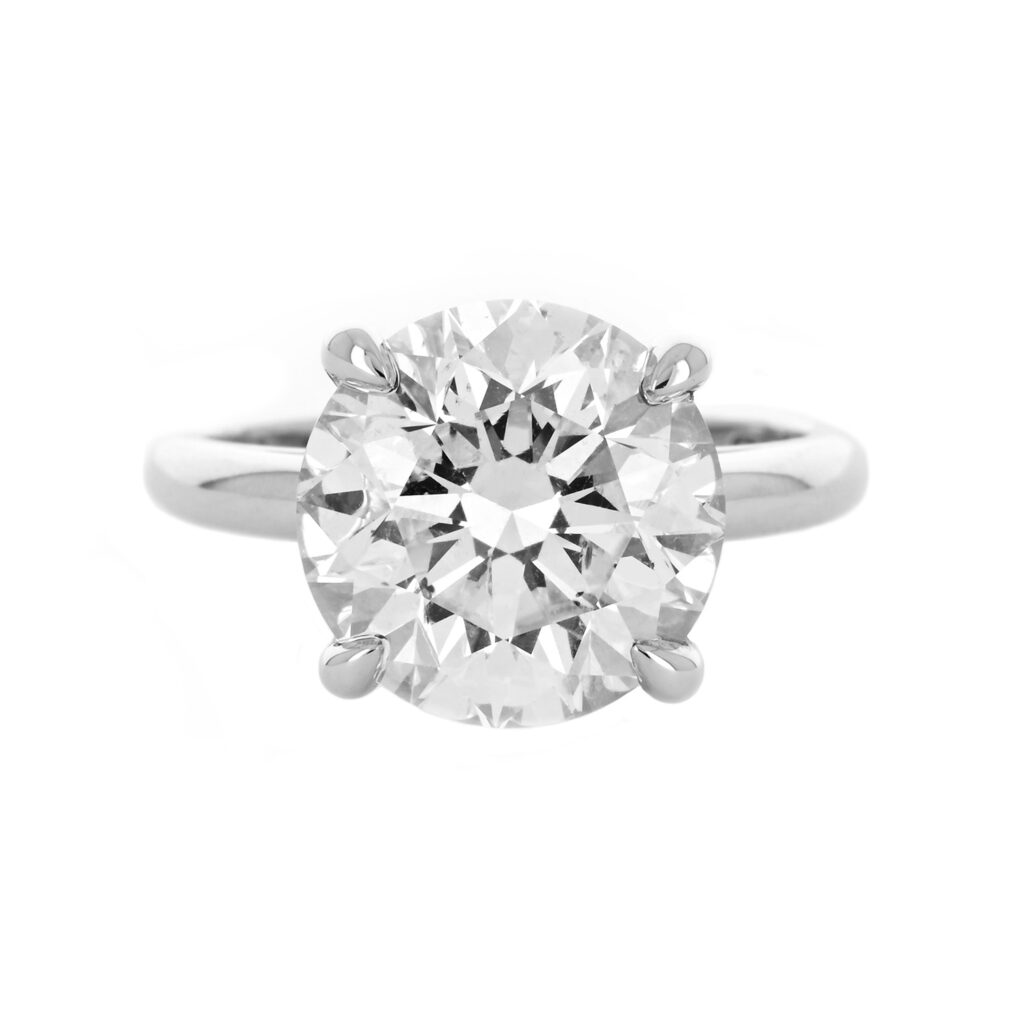
A GIA certificate is only worth something if it’s real and it belongs to the exact ring you’re selling or buying. GIA’s free Report Check tool at gia.edu requires no account: enter the report number printed on the certificate, and it pulls the original grading data GIA has on file, shape, carat weight, color, clarity, and cut, so you can confirm the certificate itself is genuine before a sale moves forward.
That match only proves the paper is real. It doesn’t prove the stone in your hand is the one the paper describes. A dishonest seller, or a swap that happens after a certificate is issued, can still pair a legitimate GIA report with a different, lower-quality stone. The fix is to check the laser inscription on the diamond’s girdle, usually starting with the GIA prefix followed by the report number, under 10x magnification, and confirm it matches both the certificate number and the plotting diagram showing the stone’s internal characteristics. If you’re listing the ring yourself, note in the description that the inscription is visible and matches the report. If you’re the one paying, ask to see it before you send money. For more on what a grading report does and doesn’t tell you, see our guide to understanding diamond grading reports.
Best Practices for Jewelry Listings on an Online Marketplace
Good practices for a jewelry listing overlap heavily with the legal disclosure requirements above, but a few extras are worth adding even when they’re not mandatory:
- Include the GIA (or other lab) report number in the listing text itself, not just in a photo, so a serious buyer can run Report Check before ever contacting you.
- Photograph the ring next to the physical certificate, with the report number visible in the same shot, so there’s no question whether the two belong together.
- State the metal purity (14k, 18k, platinum) and the setting type plainly; vague listings attract more lowball offers and more scam attempts than detailed ones.
- Keep your home address, full name, and other identifying details out of the listing, and route all communication through the marketplace’s messaging system until payment has actually cleared.
A Safer Alternative to Listing and Shipping to a Stranger
Every precaution above exists because selling to an unknown buyer online carries real risk that a dedicated buyer absorbs on your behalf in a traditional sale. If the vetting, the payment risk, and the shipping insurance gap feel like more exposure than a single ring is worth, selling to a buyer who specializes in evaluating and purchasing diamonds is the more direct route. Diamond Banc’s online diamond buying process uses the same secure, insured mail-in shipping a seller would otherwise have to arrange alone, but the valuation, payment, and insurance coverage are handled by a buyer whose business depends on getting it right, not a stranger from a classified ad. You can get a sense of what your ring might be worth first through a free diamond valuation, and Diamond Banc’s local offices and nationwide shipping give you the option to sell in person or by mail, whichever you trust more with a ring of this value. If you’re still weighing your options, our overview of what to expect when selling a diamond walks through the rest of the process.
For anyone trying to identify the best place to sell a diamond ring, the honest answer depends on how much risk you’re willing to manage yourself. A private online sale can occasionally net a slightly higher price, but it puts every safeguard in this article on your shoulders: the disclosure wording, the buyer screening, the payment method, and the insured shipment. A dedicated buyer removes that burden in exchange for a transaction that’s typically faster and verified on both ends.
Before You Hit “List”
None of these precautions exist out of distrust for its own sake. A diamond ring is small enough to ship in a padded envelope and valuable enough that a single bad payment or an underinsured package can wipe out the entire sale. Disclose the stone’s weight and any treatment accurately, verify the buyer independently before you ship, never accept a payment method you can’t trace or that pressures you to send money back, insure the shipment for what the ring is actually worth rather than what a standard label covers, and confirm the certificate matches the physical stone, not just the paper it’s printed on. Do all five, and selling a diamond ring online is a reasonably safe transaction. Skip any one, and it usually isn’t.
Like what you’re reading?
Add us in Google — more like this is on the wayRelated Posts

 Instagram
 Facebook
 Tiktok
 YouTube