The Ultimate Guide to Understanding Diamond Grading Reports
Buying or selling a diamond can be an exciting journey. At Diamond Banc, we operate as both a premier jewelry buyer and a trusted lender, giving clients flexible options whether they want to sell outright or use their diamond as collateral.
If you’re new to diamond grading, understanding a grading report might seem like a challenge. Our GIA-trained experts interpret these reports clearly, empowering you to make informed decisions.
Whether you’re reviewing a GIA certificate or wondering how a diamond’s grade influences its value, we’re here to explain the key details in simple terms.
Questions about a diamond or grading report? Call us at 573-875-2265 or visit one of our nearby locations. Diamond Banc is ready to assist you as both a leading buyer and a trusted lender, helping you move forward with clarity and confidence.
Table of Contents
- What Are Diamond Grading Reports and Why Do They Matter?
- Who Issues Diamond Grading Reports?
- The 4Cs: Core Elements of Diamond Grading
- Additional Grading Factors
- How to Read Your Diamond Grading Report
- Empower Your Diamond Decision-Making
- Frequently Asked Questions
What Are Diamond Grading Reports and Why Do They Matter?
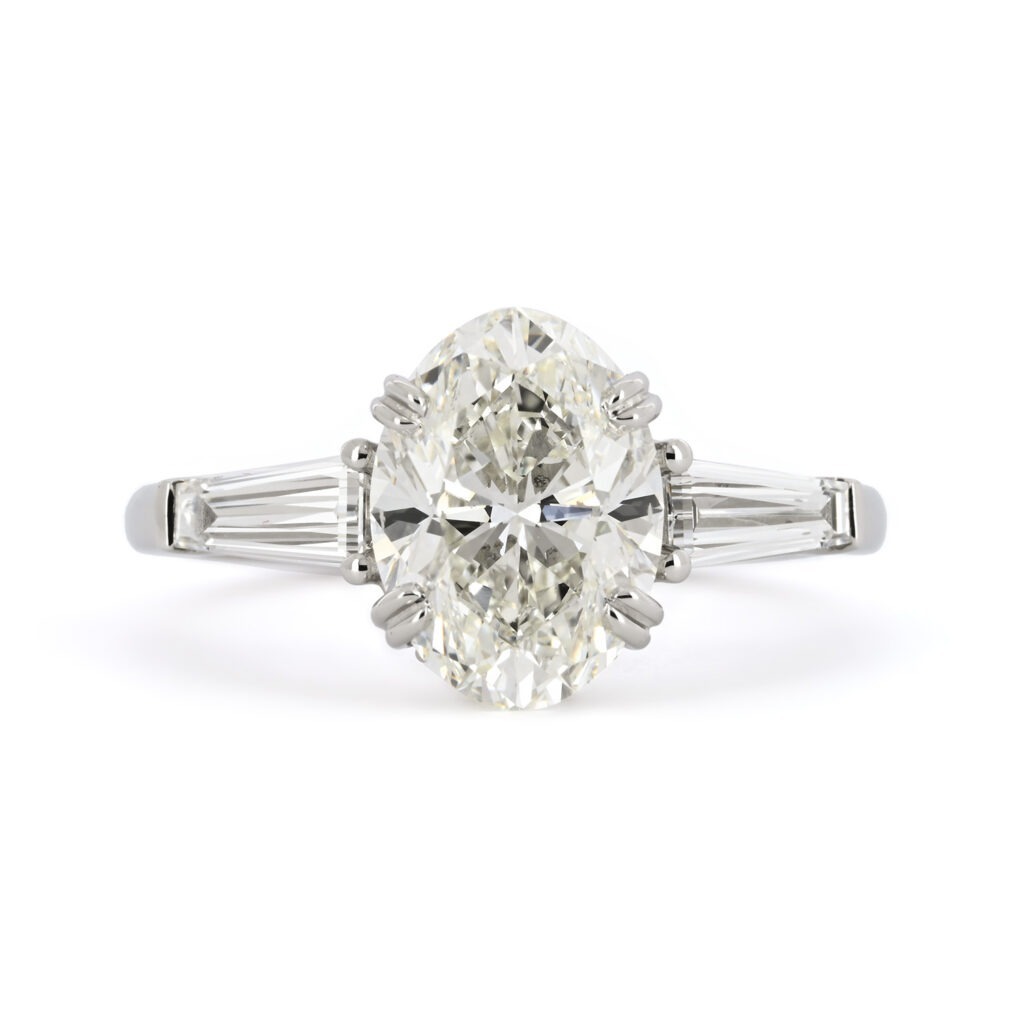
Diamond grading reports are key documents in the diamond industry, offering official certification of a diamond’s characteristics. These reports are important for both buyers and lenders, offering protection against misrepresentation and providing standardized benchmarks for comparing diamonds across different sellers and price points.
When purchasing a diamond, especially for significant purchases like engagement rings or investment pieces, understanding these reports is important. They provide transparency and confirm that the diamond’s quality matches its price tag. Without a grading report, buyers risk being misled by overstated claims or inflated prices.
Diamond grading reports are important for buyers and valuable for lenders. While lenders like Diamond Banc can assess diamonds without a report, having one adds credibility, helps establish accurate value, and can support stronger loan offers.
These reports help verify the right amount of collateral is offered, protecting against financial risk and potential regret. Having a trusted grading report helps keep the transaction clear, fair, and transparent.
Who Issues Diamond Grading Reports?
The laboratory that issues a diamond grading report determines its credibility. Knowing the reputation and grading standards of these laboratories can help you make a more informed purchasing decision and ensure your diamond investment is properly documented.
Gemological Institute of America (GIA)
The GIA is widely regarded as the gold standard in diamond grading. Founded in 1931, it developed the modern 4Cs grading system and has since set the standard for diamond evaluations worldwide. Buyers seeking long-term value and transparency often prefer GIA reports due to their widespread trust.
GIA’s grading process is rigorous, using state-of-the-art technology and a team of highly trained gemologists who uphold the highest standards of accuracy and precision. As a result, diamonds with a GIA report typically command higher resale values due to the laboratory’s reputation for consistency.
American Gem Society (AGS)
Another reputable organization, the AGS, is known for its detailed analysis of diamond cut quality. The AGS uses a unique 0-10 scale where 0 represents the highest quality. Known for its light performance analysis, AGS reports provide a more in-depth evaluation of a diamond’s brilliance, making them a top choice for buyers interested in cut quality.
In 2022, AGS merged with GIA, and its advanced cut grading research is now part of GIA’s grading system. Older AGS reports remain respected, but new reports are issued under GIA.
Other Notable Laboratories
Several other laboratories provide reliable grading reports, although they may not be as widely recognized as GIA or AGS:
- Gübelin Gem Lab: Specializes in colored stones, including colored diamonds.
- SSEF: The Swiss Gemmological Institute is known for its accuracy in grading.
- EGL: The European Gemological Laboratory offers comprehensive diamond grading with branches around the globe.
- IGI: The International Gemological Institute provides reliable grading, often used for lower-priced diamonds.
Despite these alternatives, GIA and AGS remain the most trusted laboratories for grading diamonds across all price ranges.
The 4Cs: Core Elements of Diamond Grading
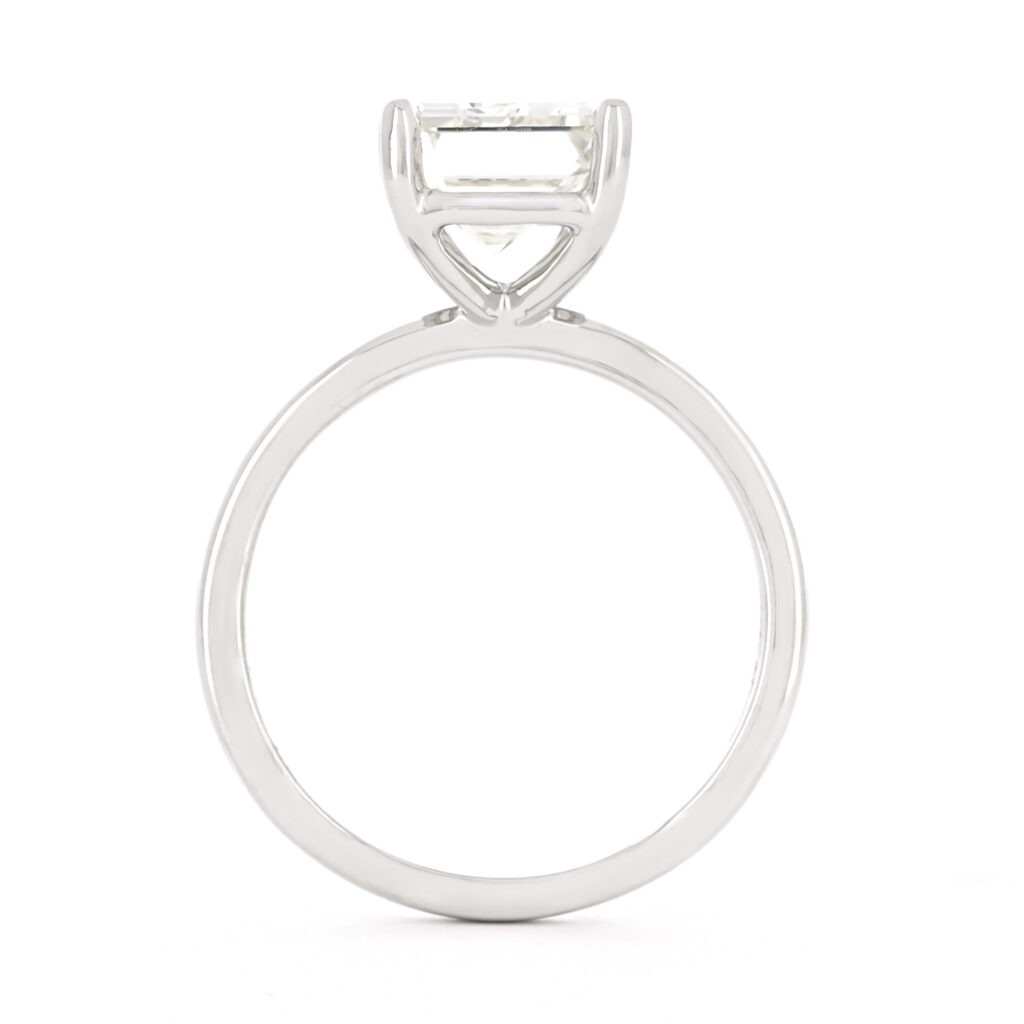
The 4Cs, which are cut, color, clarity, and carat weight, form the foundation of diamond grading. Together, they determine a diamond’s beauty, rarity, and value.
Cut Quality
The cut of a diamond determines how well it reflects light, which directly affects its brilliance and fire. Grading reports evaluate several aspects of the cut:
- Proportions: This aspect includes measurements like table percentage and crown angle.
- Symmetry: How well the facets are aligned to create a balanced look.
- Polish: The quality of the diamond’s surface finish.
GIA rates cut quality as excellent, very good, good, fair, or poor for round diamonds. The cut is often the most important factor influencing a diamond’s visual appeal, making it the most valuable aspect of any diamond’s overall grade.
Color Grading
Diamonds range from colorless to light yellow or brown. The color scale starts with D (colorless) and goes to Z (light yellow or brown). Colorless diamonds are the rarest and most expensive, but diamonds in the G-J range (near-colorless) can provide excellent value without sacrificing beauty.
The color grade affects both the aesthetic of the diamond and its resale value. Colorless diamonds (D-F) are rare and often more expensive, while diamonds in the G-J range can offer similar beauty at a more affordable price.
Clarity Assessment
Clarity refers to the presence of inclusions (internal flaws) or blemishes (external flaws). The clarity scale includes:
- Flawless (FL): No inclusions or blemishes visible under 10x magnification.
- Internally Flawless (IF): No internal inclusions, but minor surface blemishes may be visible.
- Very Slightly Included (VVS1, VVS2): Very small inclusions that are hard to detect.
- Included (I1, I2, I3): Inclusions that are visible to the naked eye and affect the diamond’s transparency and brilliance.
Understanding clarity helps buyers avoid diamonds with imperfections that could impact both their appearance and their market value.
Carat Weight
Carat weight measures the diamond’s mass. One carat equals 200 milligrams, and diamond reports specify the weight to the hundredth of a carat. Larger diamonds are rarer and generally more expensive, but the overall quality of the stone, including cut, clarity, and color, is just as important in determining value.
Additional Grading Factors
In addition to the 4Cs, diamond grading reports often include other details that impact the stone’s value and appearance.
Fluorescence
Fluorescence refers to how a diamond reacts under ultraviolet (UV) light. It is graded from None to Very Strong and can be blue, yellow, or other colors. Strong fluorescence may alter the diamond’s appearance, particularly in higher color grades, and it can affect its value.
Measurements and Proportions
Grading reports provide the exact measurements of the diamond, including length, width, depth, and table percentage. These details give buyers insight into how a diamond’s proportions influence its overall brilliance and visual appeal.
Polish and Symmetry
The polish and symmetry grades focus on the craftsmanship of the diamond:
- Polish: Measures the smoothness of the diamond’s surface.
- Symmetry: Assesses the alignment of the facets.
Both factors are graded from excellent to poor and affect the diamond’s visual appeal.
How to Read Your Diamond Grading Report
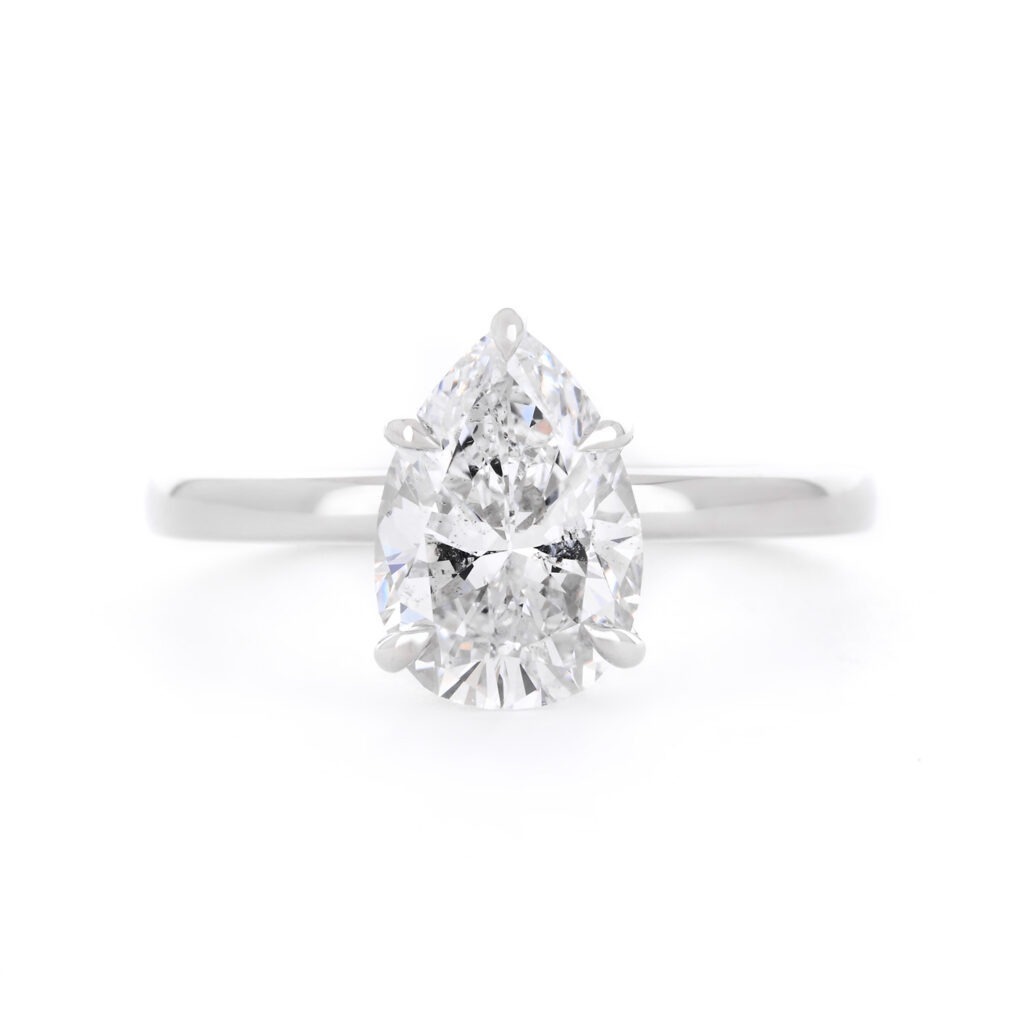
Reading a diamond grading report can seem overwhelming at first, but once you understand the key sections, interpreting it becomes much easier.
Report Header Information
The report header contains essential details such as the laboratory’s name and logo, the report number (which is used for tracking and verification), the date of issue, and the shape and cutting style of the diamond.
Grading Results Section
This section of the report provides the diamond’s grade for the 4Cs and includes the measurements and proportions. It’s important to ensure that the cut quality matches the diamond’s proportions and symmetry grades in order to understand its overall appearance.
Additional Comments and Security Features
Some reports may also include additional notes, such as treatments applied to the diamond (like laser drilling), clarity plotting that shows the locations of inclusions, and security features like QR codes, holograms, or watermarks, all of which help verify the authenticity of the report.
Empower Your Diamond Decision-Making
Choosing the perfect diamond is an exciting yet important decision. By understanding how to read a diamond grading report and recognizing the factors that affect its quality and value, you are equipped with the knowledge to make a well-informed choice.
Whether you’re buying an engagement ring, an investment piece, or a special gift, ensuring that you fully comprehend the grading system helps you select a diamond that fits your needs and budget.
At Diamond Banc, we understand the significance of finding the right diamond, and we are here to assist you every step of the way. Our GIA-trained experts can help you interpret grading reports, answer any questions you may have, and guide you through the process with confidence.
For expert guidance on diamond selection, grading report interpretation, and making the best investment, don’t hesitate to contact us today.
Let us help you secure a diamond that perfectly aligns with your expectations and investment goals.
Frequently Asked Questions
Q: How long is a diamond grading report valid?
A: Diamond grading reports don’t expire. However, diamonds can be re-graded if they are recut or damaged. The report remains valid as long as the diamond is unchanged.
Q: Can I trust online diamond purchases with grading reports?
A: Yes, as long as you’re buying from reputable dealers who provide reports from recognized laboratories. Always verify the report online to ensure the diamond matches its documented characteristics.
Q: What’s the difference between a grading report and an appraisal?
A: A grading report assesses a diamond’s characteristics, while an appraisal estimates its monetary value, typically for insurance or resale.
Q: Should I only buy GIA-accredited diamonds?
A: While GIA is highly respected, other labs like AGS and IGI offer reliable grading too. The key is to choose reputable, recognized laboratories.
Q: How much should a grading report influence my purchase decision?
A: The grading report is key but should be considered alongside personal preferences, budget, and the diamond’s visual appeal.
 Instagram
 Facebook
 Tiktok
 YouTube