When you need cash quickly and don’t want to sell the ring, necklace, or watch you’ve spent years choosing, a loan secured by that piece is often the fastest and least disruptive option available. But not every lender can actually assess what you own. A qualified fine jewelry lender needs to verify metal content, grade gemstones, and track resale markets that move daily, which is a very different skill set than appraising a car title or a used laptop. Understanding how that verification works, and why precious metals and gemstones make such dependable collateral in the first place, helps you know whether a lender’s offer reflects what your jewelry is actually worth.
Why Fine Jewelry Holds Up as Collateral Better Than Most Assets
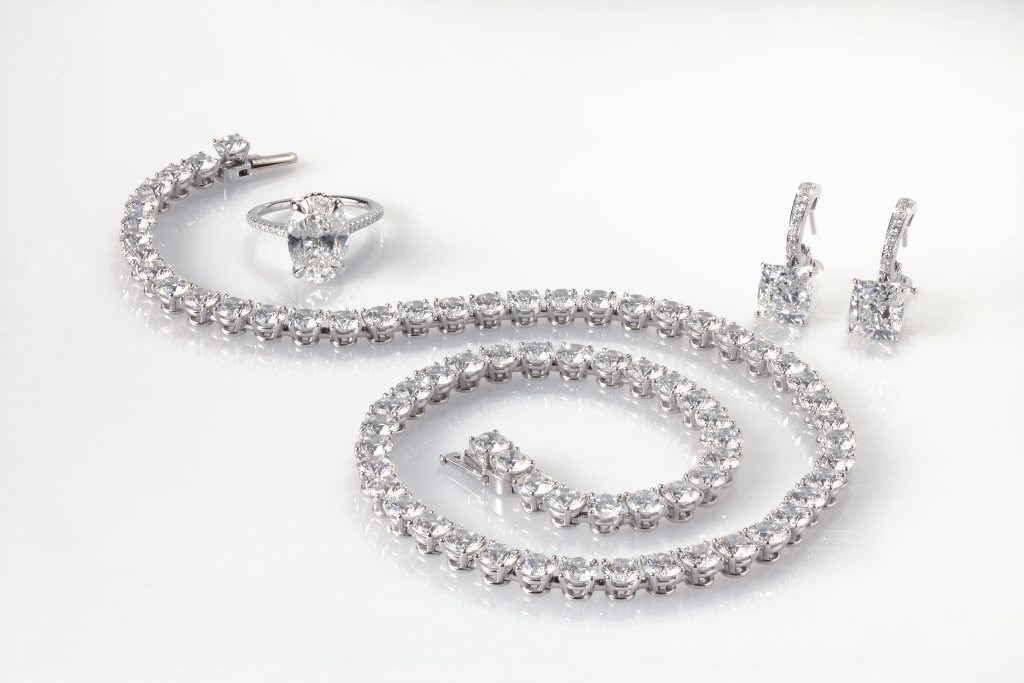
Electronics lose most of their value the moment a new model ships. Vehicles depreciate on a predictable curve the day they leave the lot, and transferring a title adds paperwork a lender has to untangle before the asset is worth anything to them. Fine jewelry works differently. The core materials, gold, platinum, and graded diamonds or colored gemstones, trade on established global markets with documented pricing history, which gives a lender a factual basis for valuation rather than a guess.
That doesn’t mean the value never moves. Precious metal prices fluctuate, sometimes sharply, within a single quarter. But unlike a phone or a car, a well-made piece of jewelry or a mechanical watch doesn’t become functionally obsolete. A one-carat diamond graded by a major lab in 2015 is still assessed the same way in 2026. That continuity is what makes fine jewelry and fine watches a collateral category lenders can underwrite with confidence, and it’s why a dedicated fine jewelry loan or a loan against a fine watch looks fundamentally different from financing secured by depreciating consumer goods.
How a Fine Jewelry Lender Verifies What You Own
Before a lender sets a loan amount, they need to know, not assume, what’s actually in front of them. For diamonds, the gold standard is a grading report from the Gemological Institute of America. A GIA Diamond Grading Report evaluates the 4Cs, color, clarity, cut, and carat weight, and includes a plotted clarity diagram and proportions analysis, but it’s only issued for loose, natural diamonds of D-to-Z color weighing at least 0.15 carats. If your piece already carries a report like this, it removes most of the guesswork from a lender’s valuation.
Metal content gets verified differently. Federal rules govern how gold and silver can be marked and sold, and those rules matter directly to an appraisal. Any use of the word “gold” has to be immediately preceded by an accurate karat-fineness number, and a piece can only be labeled “solid gold” if it’s that fineness all the way through. A “vermeil” mark is only accurate when a sterling silver base is coated in gold of at least 10 karat fineness at a specific minimum thickness. A lender who understands these distinctions can test and confirm your metal’s actual composition instead of taking a stamp at face value, which protects you from an undervaluation based on a mislabeled or worn marking.
When you’re ready to move forward, whether that means financing or an outright sale, these verification steps are the same ones that determine what you’re offered for a piece through a fine jewelry sale.
Natural Diamonds vs. Lab-Grown: Why a Lender Treats Them Differently
Not all diamonds are assessed the same way, and this is one of the more consequential distinctions for anyone offering a diamond as collateral. GIA now issues a simplified, two-tier grading system for lab-grown diamonds instead of the detailed 4Cs scale used for natural stones, a deliberate change meant to signal that lab-grown and natural diamonds should not be valued using the same framework. Stones below a certain quality threshold may not receive a grade at all.
The reason comes down to supply and resale economics. Natural diamond prices have pulled back from their 2022 peak but have largely leveled off since, while lab-grown diamond prices have continued falling steadily as production keeps expanding, with no sign of that trend reversing. A lender weighing a lab-grown stone as collateral has to account for the fact that its value can keep eroding after the loan is issued, which is why natural, graded diamonds with documented 4Cs reports are treated as far more dependable collateral than lab-grown stones of similar apparent size and clarity.
Does Gold’s 2026 Volatility Undercut the “Stable Collateral” Argument?
Gold is often described as a stable store of value, but 2026 has been a reminder that “stable” doesn’t mean “flat.” Gold hit an all-time nominal high of $5,501.70 on the LBMA benchmark on January 29, 2026, then fell nearly 27% over the following five months, closing June at $4,026.05. That’s a significant swing within a single year, and it’s a fair question to ask whether that kind of movement weakens the case for precious metals as reliable collateral.
It doesn’t, but it does explain why a responsible lender builds a cushion into how they calculate loan-to-value. Even after that correction, gold had still gained more than 50% over the 18 months ending June 30, 2026, outperforming the S&P 500 over the same stretch. The long-term trend remains upward even when short-term swings are sharp. A lender who understands this history prices a loan with enough margin that a quarter’s worth of volatility doesn’t put the loan underwater, which is a very different approach than simply quoting the spot price on the day you walk in.
What Standards Back Up a Lender’s Appraisal
Jewelry appraisers aren’t state-licensed the way real estate appraisers are, which means the quality and objectivity of an appraisal depends entirely on who’s doing it and what standards they follow. A qualified appraiser should hold a gemological credential, such as GIA Graduate Gemologist status, and comply with the Uniform Standards of Professional Appraisal Practice, which Congress designated in 1989 as the governing standard for appraisal work in the United States. USPAP Standards 7 and 8 specifically govern how personal property, including jewelry, should be developed and reported.
Two protections built into USPAP compliance matter most for a borrower. First, a USPAP-compliant appraiser must certify they have no bias toward the property or either party involved in the transaction. Second, they’re barred from charging a fee based on a percentage of the appraised value, which removes the incentive to inflate a number just to collect a larger fee. If a lender or appraiser can’t speak to these standards, that’s worth treating as a red flag before you rely on their number.
Choosing the Right Fine Jewelry and Fine Watch Lender
General pawn shops handle a wide range of goods, but model-specific, reference-specific valuation for a fine watch or a graded diamond requires expertise that a generalist shop usually can’t offer. A lender focused on luxury jewelry and watches should be able to price your piece against current secondary-market data, not a decades-old price guide, and explain exactly how they arrived at that number.
Diamond Banc works with clients through local physical offices as well as secure, nationwide mail-in transactions, so geography isn’t a barrier to getting an accurate valuation. Local market directors and in-house specialists assess fine jewelry and watches using model- and reference-specific data, and every valuation is explained in plain terms rather than handed down as a flat number. If your piece is a fine watch, the same verification process applies, whether you’re considering a fine watch loan or, for Rolex owners specifically, a Rolex-secured loan that lets you access funds without giving up ownership.
Whichever direction you choose, selling outright or using the piece as collateral, the starting point is the same: a transparent, standards-based valuation from someone who actually understands what they’re looking at. If you’re still weighing which path makes sense, it can help to read through the considerations for selling versus financing before you decide, or review what separates a specialized luxury lender from a general pawn shop if that comparison is part of your decision.
Like what you’re reading?
Add us in Google — more like this is on the wayRelated Posts
 Instagram
 Facebook
 Tiktok
 YouTube