If you inherited a luxury watch and are deciding between a dealer, auction, or online sale, Diamond Banc helps clients nationwide evaluate their timepiece, understand current market value, and choose the most practical path to liquidity. Our experts offer a quote for you to sell or get a watch-backed loan.
Selling an inherited watch can feel more complex than selling other valuables. Questions about watch authentication, resale value, paperwork, provenance, and timing often come up immediately. The right sales channel depends on your goals: maximum exposure, a private transaction, or a faster conversion to cash.
For many owners, the best first step is not listing the watch right away. It is getting a professional opinion on authenticity, condition, demand, and realistic market value before choosing where to sell. Our broader guide on what to do with inherited jewelry covers similar first steps if the estate includes other pieces beyond a watch.
Inherited a luxury watch — dealer, auction, or online?
If you inherited a luxury watch, the best selling route depends on the watch’s brand, rarity, condition, paperwork, and how quickly you want to sell. Dealers usually offer the fastest and most direct transaction, auction houses may suit rare or highly collectible pieces, and online marketplaces can provide broad exposure but often require more time, effort, and risk management.
- Choose a dealer or specialized buyer if you want expertise, privacy, and a streamlined process.
- Choose an auction house if the watch is rare, vintage, or likely to attract strong collector interest.
- Choose online marketplaces if you are comfortable managing listings, buyer communication, shipping, and platform fees.
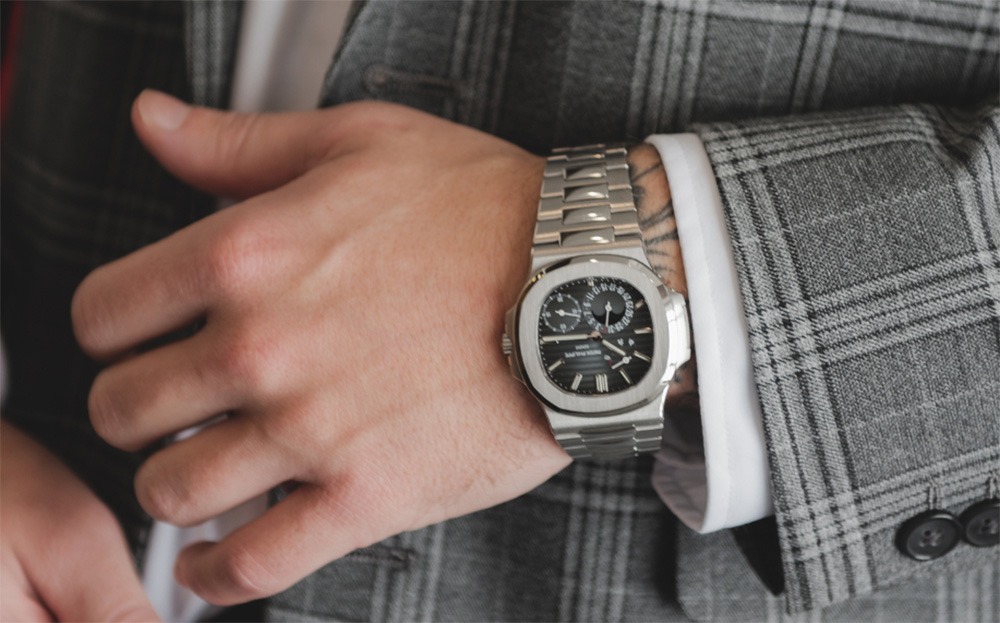
Start with watch appraisal and authentication before you sell
Before comparing auction houses, watch dealers, or online platforms, confirm exactly what you have. A proper watch appraisal and watch authentication review can protect you from undervaluing the piece or encountering disputes later in the selling process. Diamond Banc can provide a watch appraisal.
A professional evaluation typically considers:
- Brand and model
- Serial and reference numbers
- Movement authenticity
- Case, dial, bracelet, and crystal condition
- Service history
- Original box and papers
- Provenance and ownership history
- Current market demand
- Comparable recent sales
This is especially important for watches from leading luxury watch brands such as Rolex, Patek Philippe, Audemars Piguet, Cartier, Omega, and Vacheron Constantin. Even small differences in originality, polish, or documentation can materially affect collector interest and resale value — and counterfeit risk is real enough that understanding common red flags before you sell is worth the extra step.
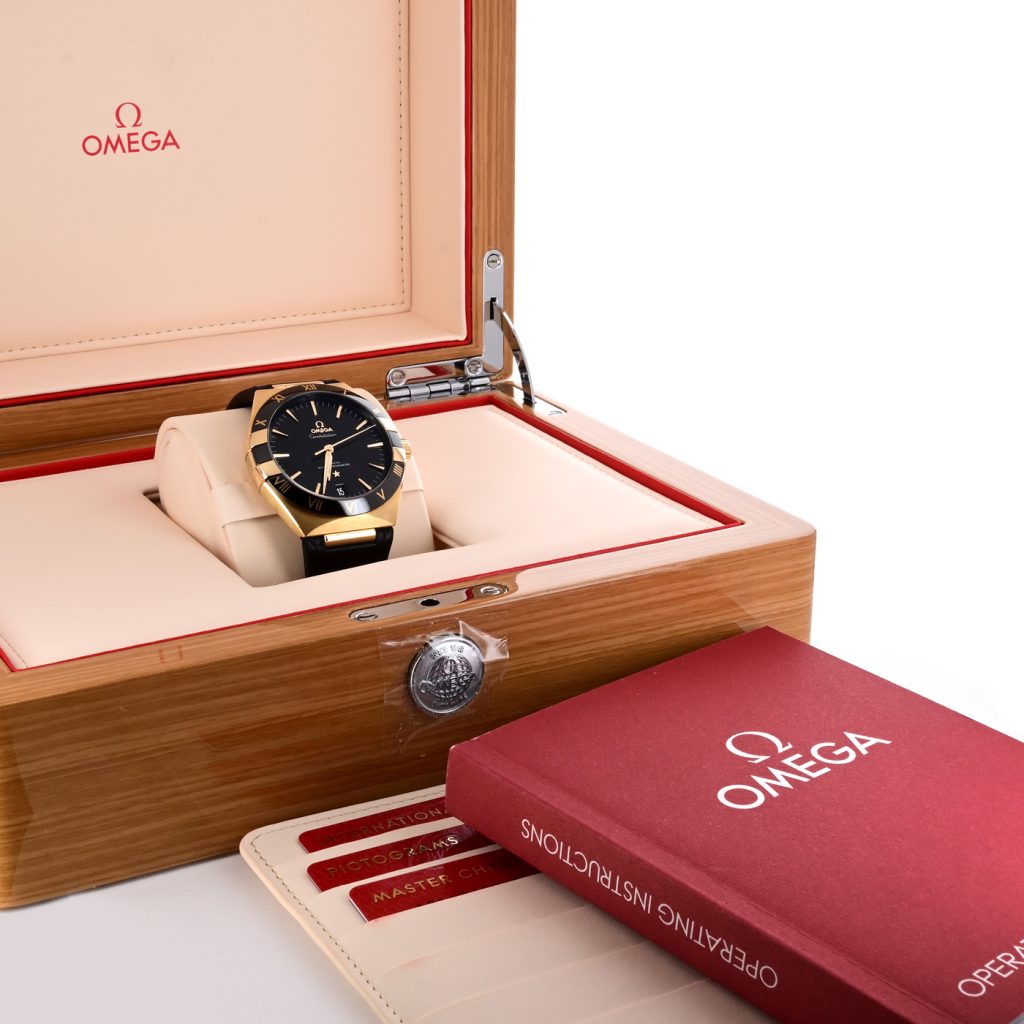
Dealer sales: the most direct option for inherited watches
Selling to a reputable watch dealer is often the most efficient route for inherited luxury watches. A dealer assesses the watch, verifies condition and authenticity, and may present an offer based on current market value and resale potential. Some dealers also offer consignment instead of an immediate purchase; consignment arrangements typically take 60 to 120 days to close and carry a commission of roughly 15% to 30% of the sale price (commonly around 20%), according to a comparison of direct-sale and consignment options, compared with a same-day direct purchase.
This option is often best for people who prioritize simplicity, privacy, and expert handling over waiting for the uncertainty of open-market bidding.
Advantages of selling to a dealer
- Private and discreet transaction
- Faster process than most auctions or online listings
- Professional watch authentication and valuation
- No need to manage public listings or negotiate with multiple buyers
- Useful for standard-production luxury models and many estate watches
Potential drawbacks
- The offer reflects the dealer’s need to resell the watch
- Rare museum-quality pieces may perform better in a specialized auction setting
Getting an expert opinion — whether from a dealer or another experienced buyer — can remove much of the uncertainty. This kind of guidance is especially helpful when heirs are settling an estate, dividing assets, or simply want clarity from a knowledgeable professional before deciding how to sell.
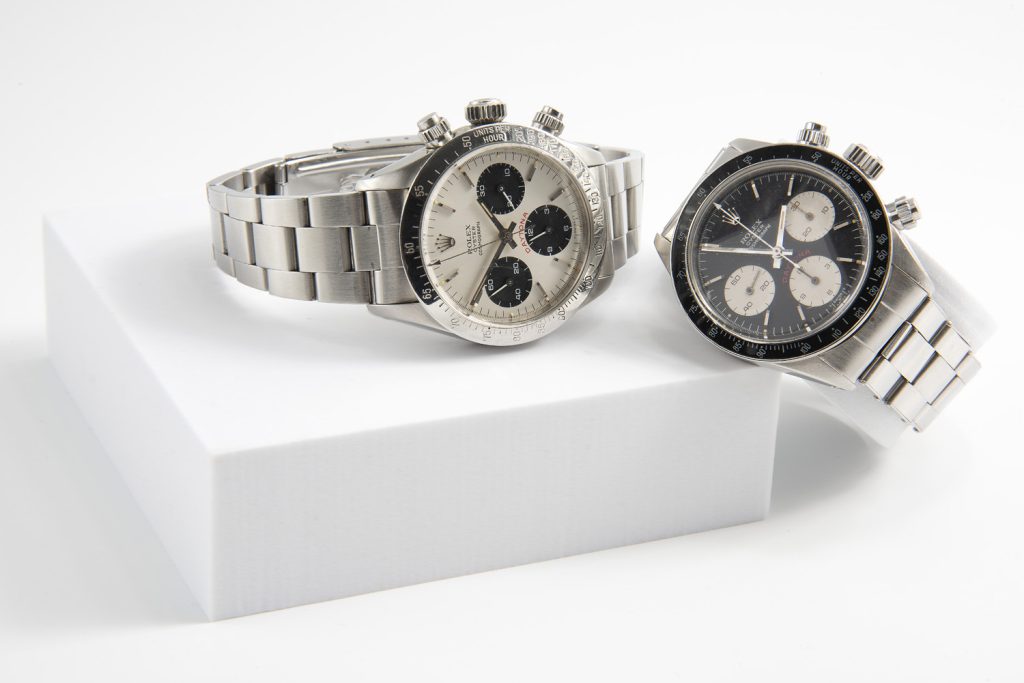
Auction houses: when collector interest may justify the wait
Auction houses can be a smart option for rare, historically important, or highly desirable vintage watches. If your inherited timepiece has exceptional provenance, unusual complications, or strong demand among a watch collector audience, an auction may create competitive bidding.
Major auction houses such as Christie’s and Sotheby’s are often considered for top-tier collectible watches because they reach a global collector base. Their category pages and selling guides can also help owners understand submission standards and specialist review processes. For general reference on how luxury watch auctions work, see Christie’s watch guide and consignment resources at christies.com and Sotheby’s watch selling resources at sothebys.com.
Auction houses are also selective about what they accept — Christie’s and Sotheby’s typically only consider watches valued above roughly $500,000, and consignors should expect to net somewhere between 60% and 80% of the hammer price once commissions and fees are deducted, with payment generally arriving about a month after the sale closes. Record-setting results, like Phillips’ $96.3 million Geneva Watch Auction in May 2026, can shape private-market pricing expectations even for owners who never plan to consign a watch themselves.
Advantages of auction houses
- Strong exposure to collectors
- Competitive bidding may help exceptional watches perform well
- Particularly useful for rare vintage watches and unique references
- Marketing support and catalog presentation for select pieces
Potential drawbacks
- Longer timeline than a dealer sale
- Seller commissions and other fees may apply
- No guaranteed sale outcome
- Condition, estimate range, and lot placement affect final results
Auction participation may feel like the obvious route for any inherited watch, but it is not automatically the best one. Many inherited watches are valuable yet not rare enough to benefit from the longer auction process.
Online marketplaces: broad visibility with more responsibility
Online platforms can expose your watch to a wide range of buyers, but they generally require more work from the seller. You may need to create the listing, photograph the watch, answer questions, verify buyers, manage shipping logistics, and navigate platform rules. Fee structures vary widely by platform — the watch-specific marketplace Chrono24 charges sellers roughly a 6.5% commission, while eBay’s fees run about 12.35% on the first $1,000 of a sale price and drop to roughly 2.35% on amounts above $7,500, according to a breakdown of watch-selling platform fees. Our complete guide to selling luxury watches online covers platform-specific pros and cons in more depth.
This path can work for sellers who are comfortable handling the transaction personally and who understand how online marketplaces for luxury goods operate.
Advantages of online selling
- Broad audience reach
- Control over listing details and asking price
- Useful for researching demand for certain references
Potential drawbacks
- Longer selling timeline in many cases
- Greater exposure to fraud, returns, or disputes
- Platform fees and shipping/insurance costs
- More seller effort and less privacy
Even with active luxury demand nationwide, you may still prefer a professional in-person evaluation first. That helps you avoid listing an inherited watch at the wrong price or missing issues that affect value.
Where to sell a used watch, inherited or not
Many of the same considerations apply whether you inherited a watch or simply have one you no longer wear. Dealers, auction houses, and online marketplaces all buy used watches, and the right choice still comes down to condition, authentication, and how quickly you want to sell.
Before you sell a used watch through any channel, have it authenticated and assessed for condition — movement function, case and bracelet wear, dial originality, and whether the original box and papers are present all affect what a buyer will offer. Diamond Banc buys used watches from clients nationwide, offering a professional evaluation and a direct purchase or watch-backed loan without the wait or fees associated with consignment or auction.
What affects the value of an inherited luxury watch?
The value of an inherited watch depends on more than brand name alone. Market value is shaped by authenticity, condition, rarity, provenance, and current buyer demand.
- Brand and model: Some makers and references command stronger resale value.
- Condition: Case wear, dial originality, over-polishing, bracelet stretch, and movement condition matter.
- Documentation: Original box, warranty papers, service records, and receipts may support value.
- Provenance: Ownership history can matter, especially for vintage watches.
- Rarity: Limited-production or unusual dial/configuration pieces may attract more attention.
- Collector demand: Even excellent watches fluctuate with market trends.
Market-wide momentum matters too. As of August 2026, the WatchCharts Overall Market Index — which tracks 300 watches across the ten leading luxury brands — was up roughly 10% over the trailing year, though performance varies sharply by brand and reference. A watch collector may pay more attention to originality and rarity than a casual buyer. That is why professional guidance is valuable before choosing between a dealer, auction house, or online marketplace.
Liquidity and timing: how quickly can you convert a timepiece to cash?
If speed matters, the best route is often different from the route designed for maximum exposure. Timelines vary meaningfully across sales channels.
- Dealer or specialized buyer: Often the quickest path, sometimes the same day or within a short review period.
- Auction house: Commonly takes weeks or longer due to intake, catalog scheduling, marketing, and settlement.
- Online marketplace: May take days, weeks, or months depending on demand, pricing, and buyer confidence.
Choose speed when you need straightforward liquidity, estate resolution, or privacy. Choose broader market exposure when the watch appears rare enough to justify additional time and uncertainty.
How Diamond Banc helps nationwide clients make informed decisions
Diamond Banc works with clients across the country who want a professional, discreet evaluation of inherited luxury watches. We help owners understand what they have, how current market conditions affect resale value, and whether a direct sale to a professional buyer makes sense compared with other channels. For heirs who would rather keep the watch while still accessing cash, a loan secured by the watch is often available as an alternative to an outright sale.
Clients often come to Diamond Banc when they want:
- A knowledgeable review of a luxury watch brand or model
- Clear guidance on watch condition and marketability
- A private alternative to public listings
- A straightforward selling process with experienced professionals
Scheduling a consultation is a practical first step before committing to any path.
Request a confidential consultation to have your inherited watch evaluated by a luxury asset expert.
How do I appraise a luxury watch?
To appraise a luxury watch, consult a qualified watch appraiser or reputable dealer specializing in luxury timepieces. They assess brand, model, condition, authenticity, and provenance to estimate current market value. Original box, papers, and service records can help support a more accurate appraisal.
Is it better to sell a luxury watch at an auction or to a dealer?
Selling to a dealer or another specialized buyer is usually faster, simpler, and more private. Selling at auction may suit a rare or highly collectible watch that could attract competitive bidding. The better option depends on your priorities, the watch’s rarity, and whether speed or broader market exposure matters more.
How can I authenticate my inherited watch?
Have the watch inspected by a professional experienced in luxury watch authentication. They review serial numbers, movement, case, dial, bracelet, and overall consistency with the model. Avoid relying only on online opinions, especially for Rolex, Patek Philippe, and other heavily counterfeited luxury watch brands.
What are the best online platforms for selling luxury watches?
The best online platform depends on the watch’s value, brand, and your comfort with managing the sale. Established marketplaces with authentication procedures and buyer protections are generally preferable. However, sellers should review fees, shipping obligations, fraud safeguards, and dispute policies before listing.
What affects the value of a luxury watch?
Value is influenced by brand, model, condition, originality, provenance, rarity, documentation, and current collector demand. Service history, box and papers, and whether components are original can materially affect resale value. Market trends also play a role, especially for sought-after vintage watches.
How long does it take to sell a watch at auction?
Selling a watch at auction often takes several weeks or longer. The process may include specialist review, consignment approval, photography, catalog production, marketing, the auction event itself, and post-sale settlement. It is usually slower than selling directly to a professional dealer.
What paperwork do I need to sell a luxury watch?
You may need government-issued identification and, if available, the original box, warranty card, purchase receipt, service records, and any appraisal documents. For inherited pieces, estate-related paperwork or proof of ownership may also help support provenance and simplify the transaction.
Inherited luxury watches often carry both financial and emotional value. Taking time to understand authentication, market value, and selling options can help you make a confident decision. If you would like an expert perspective before choosing between a dealer, auction house, or online listing, Diamond Banc is available to provide a private, professional consultation.
Like what you’re reading?
Add us in Google — more like this is on the wayRelated Posts
 Instagram
 Facebook
 Tiktok
 YouTube