Watch auction records are reshaping the luxury resale landscape, and this current watch price shift is affecting what exceptional collections may command today across the national market. Diamond Banc helps clients nationwide evaluate, sell, or borrow against luxury watches through a professional, private process rooted in real-time market expertise. For owners nationwide, understanding auction-driven value changes is an important first step before making any decision.
If you are considering selling a Rolex, Patek Philippe, Audemars Piguet, Cartier, or another fine timepiece, today’s market requires more than a quick online estimate. Recent auction activity, changing collector demand, economic indicators, and brand-specific momentum all influence current value. Diamond Banc provides expert watch evaluations designed to help owners understand their options clearly and confidentially.
Watch Price Shift: Why Auction Records Matter Right Now
A significant watch price shift is occurring because record-setting auction results are influencing how collectors, private buyers, and professional buyers assess luxury watches today. When rare or highly desirable models perform strongly at major auctions, it can affect expectations for similar pieces in the broader resale market, though condition, provenance, metal type, and reference number still matter greatly.
The scale of the current cycle is hard to overstate. Phillips’ Geneva Watch Auction XXIII realized $96.3 million in May 2026 — the highest-grossing single watch auction in history, producing 43 new world records — while Christie’s followed with its own best-ever various-owner watch result at $42.3 million. A 1943 stainless-steel Patek Philippe Ref. 1518 sold for CHF 14,190,000, a world record for a vintage Patek Philippe wristwatch, underscoring how selectively today’s market rewards rarity and provenance.
Luxury watch pricing is not static. It moves with demand, scarcity, brand reputation, and confidence in the broader economy. In major collecting hubs across the country, clients are paying closer attention to auction news because those headline sales often shape conversations around private market value.
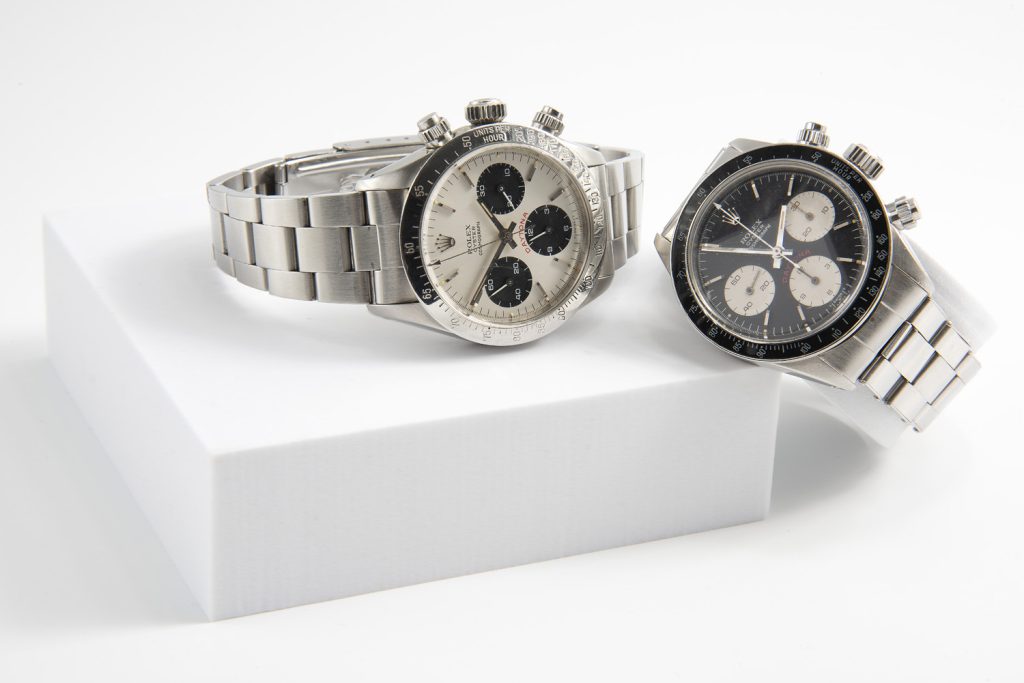
How Christie’s Auction Market Shifts Are Driving Record Watch Prices
Christie’s watch specialists, including Remi Guillemin, have pointed to structural changes in the auction market that continue to support premium pricing for important watches. The market has matured, collectors are more informed, and global bidding participation has widened. That combination has helped elevate top-tier watch values and brought greater visibility to exceptional examples from leading brands.
Why does this matter to current sellers? Because auction houses do more than report high numbers. They help establish market sentiment. When standout Rolex Daytonas, Patek Philippe complications, or highly collectible independent watches achieve notable results, those outcomes reinforce demand for similar categories in private transactions and professional resale channels.
- More global bidders can increase competition for notable watches
- Collector education has sharpened focus on rarity and originality
- Condition sensitivity has become even more important
- Provenance and documentation can play a larger role in value
- Top auction results can strengthen pricing confidence in adjacent models
Real-world examples reinforce this pattern. After Rolex confirmed the discontinuation of its two-tone “Pepsi” GMT-Master II references at Watches & Wonders 2026, secondary-market prices moved quickly — the steel Ref. 126710BLRO gained nearly 12% in the first quarter alone before easing as listings surged to record levels. Our Rolex GMT-Master II Pepsi value guide breaks down what that kind of shift can mean for owners of similar discontinued references.
For clients nationwide, this means watch owners should not rely on outdated assumptions about value. A watch purchased years ago may sit in a stronger resale category today, especially if it aligns with current collector interest.
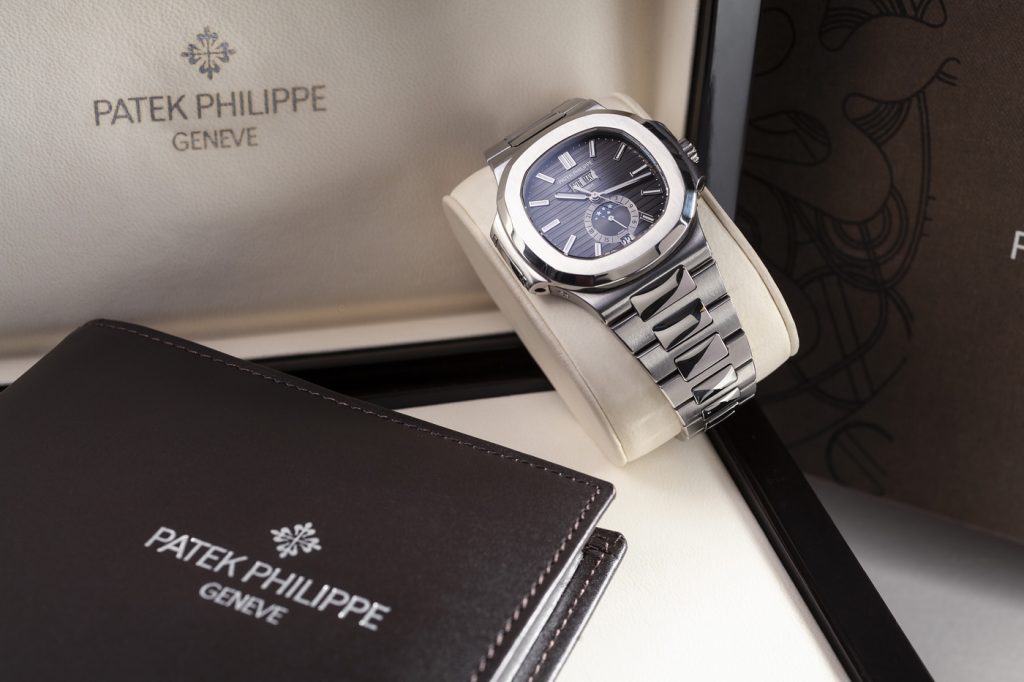
How Record Auction Results Affect Your Watch’s Market Value Nationwide
Record auction sales do not automatically mean every luxury watch is worth more, but they do influence timepiece valuation across the market. Strong results can increase buyer confidence, draw renewed attention to specific references, and support firmer pricing for comparable watches in private resale settings.
Across the country, the most meaningful impact is often seen in watches that share important traits with auction leaders, including:
- Desirable reference numbers
- Limited production or discontinued status
- Strong brand heritage
- Excellent condition
- Original box and papers
- Unpolished cases or highly original components
At the same time, there is an important distinction between auction theater and realistic private market pricing. Auction headlines can create enthusiasm, but not every watch benefits equally. Some categories see sharp momentum, while others remain stable or experience more modest price volatility. That is why an expert, market-based evaluation matters.
Diamond Banc looks beyond broad averages. The company evaluates each watch individually, taking into account brand reputation, model desirability, historical price trends, current consumer demand, and resale market dynamics. This creates a more useful valuation than a generic online calculator or forum estimate.
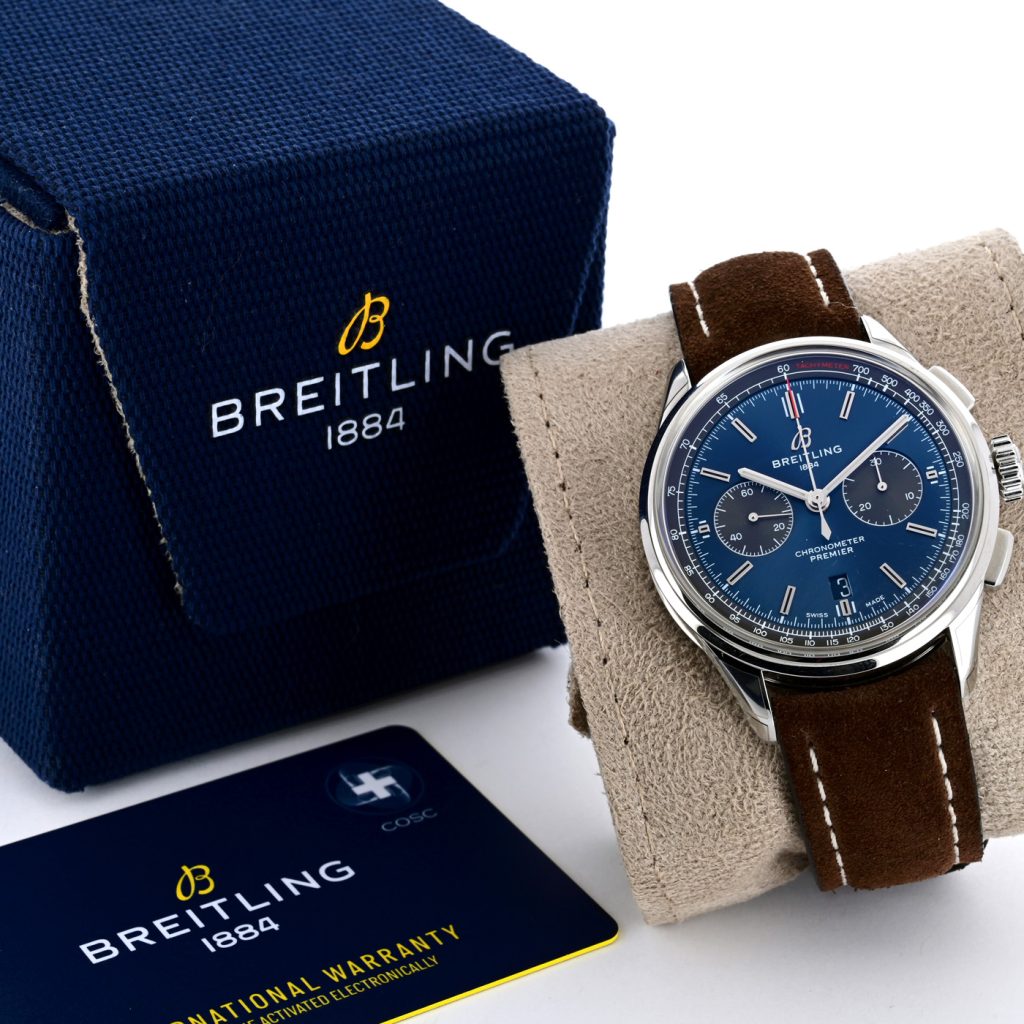
Factors Influencing Watch Prices Across the National Market
Watch prices fluctuate because several forces interact at once. Brand prestige matters, but so do economic conditions, seasonal demand, collector sentiment, and even currency exchange rates. This is why two watches from the same brand can perform very differently in the market.
Key factors influencing watch prices include:
Brand reputation and pricing power
Prestige brands such as Rolex, Patek Philippe, Audemars Piguet, and Cartier generally maintain stronger resale demand because of global recognition, collector trust, and a long history of performance in the luxury market.
Historical price trends
Some references build value steadily over time, while others rise and cool more quickly. Looking at past market behavior helps identify whether current pricing is part of a long-term trend or a short-term spike. As of May 2026, the WatchCharts Patek Philippe index had climbed 18% over the prior year, while the Rolex index rose 9% and Cartier gained a similar 9%, showing how differently even top-tier brands can trend at the same moment.
Market demand fluctuations
Consumer demand changes based on trends, availability, collector enthusiasm, and cultural visibility. Certain sport models, complications, or precious metal references may see more interest at specific times.
Economic impact on luxury watch prices
Luxury watch pricing is tied to broader economic indicators. Strong consumer confidence can support pricing, while economic uncertainty may reduce discretionary purchasing and create softer resale conditions for some models.
Currency exchange rates
Because the luxury watch market is global, exchange rates can affect pricing, especially when international buyers compare values across regions. Currency movement can influence both retail pricing and resale behavior.
Condition, originality, and completeness
A watch with original parts, minimal wear, service history, and full accessories may command materially stronger interest than a heavily polished or incomplete example.
Online vs. in-store pricing
Online asking prices are not always the same as actual transaction prices. In-person evaluations remain essential because condition, authenticity, wear, bracelet stretch, dial originality, and service needs can materially affect value.
For owners nationwide, these variables can make a meaningful difference in whether now is the right moment to sell or leverage a watch.
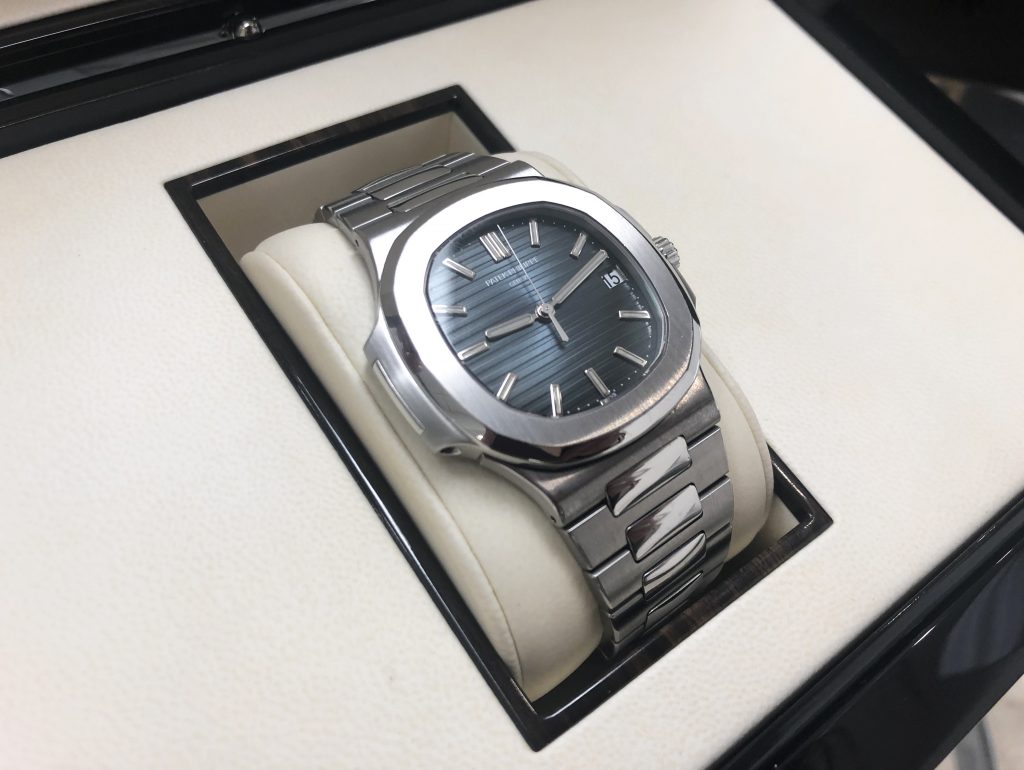
Watch Price Shift Trends Over the Years
The watch price shift seen today is part of a broader evolution in the luxury watch market. Over the years, more buyers have come to view certain timepieces not only as wearable luxury goods, but also as collectible assets. That change has expanded the audience for rare and desirable watches.
Several historical patterns have shaped the market:
- Growing collector sophistication around reference-specific details
- Greater international visibility through auctions and digital platforms
- Increased focus on independent makers and hard-to-source models
- Stronger attention to provenance and originality
- More defined separation between ordinary inventory and truly collectible watches
This does not mean every luxury watch should be viewed as an investment. Rather, it means the market has become more selective. Exceptional watches may perform very well, while others remain primarily lifestyle purchases with ordinary resale outcomes.
Selling Your Watch Now vs. Waiting: What to Consider
If you are deciding whether to sell now or hold your collection longer, the right answer depends on your watch, your goals, and current market conditions. Across major metro areas nationwide, strong auction momentum has encouraged many owners to revisit older valuations that may no longer reflect today’s market.
It may make sense to consider selling now if:
- Your watch belongs to a category currently receiving strong collector attention
- You own a rare, discontinued, or highly original reference
- You want to capture liquidity while demand remains healthy
- You have complete accessories and documentation that strengthen desirability
It may make sense to wait if:
- Your watch is in a softer segment of the resale market
- You believe an upcoming anniversary, release cycle, or market development may renew demand
- You are not under any timeline and prefer to monitor market demand fluctuations
The most practical step is to obtain a current expert evaluation. Diamond Banc helps clients understand whether a sale or a loan against the watch may be the better fit, based on actual market conditions rather than guesswork.
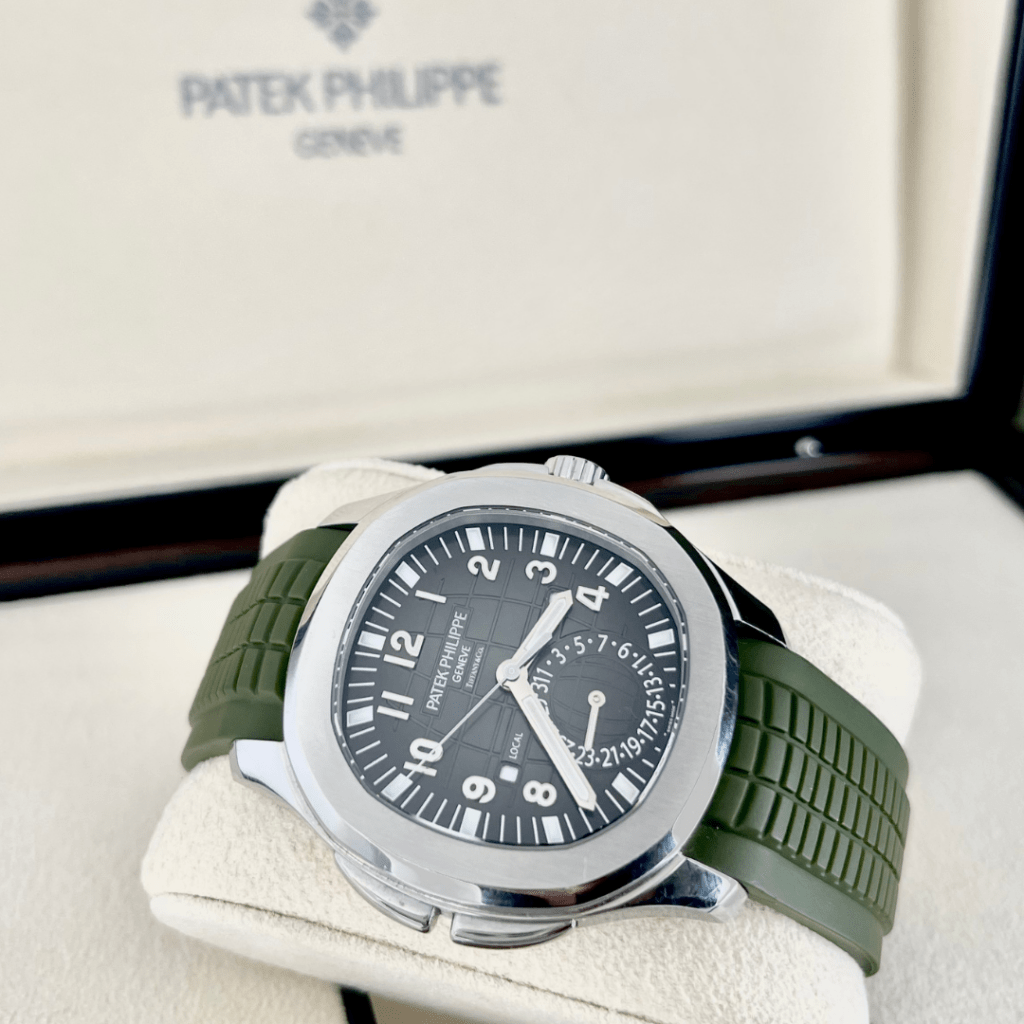
How Diamond Banc Helps Watch Owners Evaluate Their Options
Diamond Banc serves clients nationwide who want a professional, discreet way to unlock value from luxury watches. The company offers two core options for watch owners: an immediate sale or a loan secured by the watch. Both begin with a market-driven evaluation performed by experienced professionals.
Clients choose Diamond Banc because the process is:
- Private and confidential
- Informed by current luxury market analysis
- Focused on real-world resale demand
- Clear, professional, and pressure-free
- Designed for owners of significant luxury assets
Wherever you are located, understanding your watch’s current position in the resale market can help you make a more informed financial decision.
Request a Confidential Watch Evaluation
If recent auction headlines have prompted you to reconsider what your watch collection could be worth, Diamond Banc can help you evaluate your next step with clarity and discretion. Whether you are considering a sale or exploring a loan secured by your watch, the first step is a professional assessment based on current market conditions.
Contact Diamond Banc to request a confidential evaluation and learn how today’s watch price shift may affect your collection’s value.
What causes watch prices to fluctuate?
Watch prices fluctuate due to brand reputation, market demand, economic conditions, collector interest, and currency exchange rates. Limited production, discontinued references, auction visibility, and resale market dynamics also shape value. Condition, originality, and the presence of box and papers can further influence pricing for an individual watch.
How do economic conditions affect watch prices?
Economic conditions affect watch prices by influencing buyer confidence and discretionary spending. In stronger markets, luxury demand often improves, which can support resale pricing. During periods of uncertainty, some watch categories may soften. Inflation, interest rates, and global currency movement also affect international pricing behavior.
Are luxury watches a good investment?
Some luxury watches have performed well over time, especially rare, highly collectible, or historically important references. However, not every watch should be treated as an investment. Performance depends on brand, rarity, condition, provenance, and broader market demand. A professional timepiece valuation offers more useful guidance than assumptions alone. For a closer look at which categories have historically held value best, see our luxury watch investment guide.
How does brand reputation impact watch prices?
Brand reputation impacts watch prices by shaping buyer trust, collector demand, and perceived long-term desirability. Watches from globally respected maisons often attract stronger resale attention because of craftsmanship, heritage, and market recognition. That said, the specific model, condition, and originality still play a major role in actual value.
What are the trends in watch price shifts over the years?
Over the years, watch price shifts have reflected growing collector sophistication, stronger global participation, and increased visibility through auctions and digital marketplaces. The market has become more selective, rewarding rarity, originality, and provenance. As a result, exceptional watches often perform differently from more common luxury models.
How do exchange rates affect international watch prices?
Exchange rates affect international watch prices because luxury watches are bought and sold across global markets. Currency strength can influence retail price alignment, buyer behavior, and cross-border demand. When one currency weakens or strengthens materially, resale opportunities and comparative pricing between regions may shift as well.
Is there a best time of year to buy a watch?
There is no universal best time of year to buy a watch, but seasonal pricing changes can occur based on demand cycles, auction schedules, and brand activity. Some buyers monitor quieter periods for opportunity, while others track major collector seasons. The best timing depends on the specific watch and market conditions.
Like what you’re reading?
Add us in Google — more like this is on the wayRelated Posts
 Instagram
 Facebook
 Tiktok
 YouTube