When cash is needed quickly, most people default to a personal loan, a credit card cash advance, or a payday lender without ever pricing out a jewelry-secured loan. That’s a mistake. A loan secured by jewelry or a Rolex is priced against the value of the item, not against a credit score, and the math usually favors the person holding the collateral. Here’s how jewelry loans actually stack up against mainstream lenders on rate, speed, and what happens if repayment doesn’t go as planned.
How Jewelry-Secured Loan Rates Compare to Personal Loans, Credit Cards, and Payday Loans
Start with the numbers a typical borrower is comparing against. As of October 21, 2026, the average personal loan rate for a borrower with a 700 FICO score taking a $5,000 loan over three years was 12.55% APR. Credit cards cost more: in the third quarter of 2026, the average APR on credit card accounts actually accruing interest was 22.36%, and new card offers averaged 23.96%. Payday loans sit far beyond either: the typical payday loan carries an average APR near 391% as of 2026, and app-based earned wage access products aren’t much better, averaging well over 200% annualized.
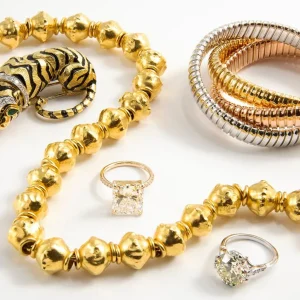
Here’s what that spread means in dollars. Carry a $5,000 balance for 90 days at the average personal loan rate and the interest alone comes to $154.73. Carry that same balance on a credit card assessed interest at 22.36% APR and the cost is nearly double. A jewelry-secured loan, by contrast, is priced against the appraised value of the piece itself, not a credit profile, which is why rates on a well-documented Rolex or diamond jewelry loan can land competitively with, or below, the personal loan average, without a credit check or income verification standing in the way.
Why a Higher Sticker Rate Doesn’t Tell the Whole Story
Comparing APRs side by side misses the two factors that matter most to someone who needs money this week: approval odds and speed. Personal loans and credit cards typically require a hard credit inquiry, proof of income, and employment verification, any of which can delay funding by days and can temporarily lower a credit score just from the application itself. A jewelry or watch-secured loan skips all of that. The collateral is the underwriting. Once a piece is appraised, funding can happen the same day, which is the real reason someone with strong credit might still choose a jewelry equity loan over a personal loan even when the headline rate looks similar.
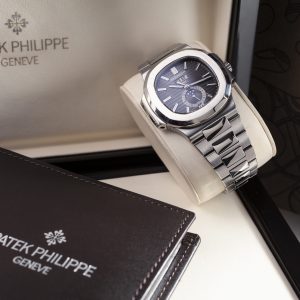
This is also where generic pawn shops fall short of what a specialized lender can offer. The average general pawn shop loan is under $180 and funds at only 25% to 60% of resale value, numbers built around low-value household items, not fine jewelry or luxury watches. A lender that understands model-specific Rolex valuation and current secondary-market pricing can extend a loan amount that actually reflects what the piece is worth, not a pawn-shop fraction of it.
Does a Jewelry Loan Affect Your Credit Score?
No. Collateral loans, including pawn and jewelry-secured loans, are not reported to credit bureaus, so taking one out has no effect on a credit history, positive or negative. That cuts both ways: it won’t help build credit the way an on-time personal loan payment might, but it also means there’s no inquiry, no new account on file, and no risk to a score for someone who simply needs short-term liquidity without touching their credit profile at all.

What Happens If You Can’t Repay a Jewelry-Secured Loan?
This is the question that stops most people from considering a jewelry loan, and it’s also where the structure actually favors the borrower. Jewelry and watch-secured loans are non-recourse: the pledged item is the only security behind the loan. If it isn’t repaid, the lender keeps the collateral and the debt ends there. There’s no deficiency balance, no collection calls, no lawsuit, and no credit score damage. Compare that to a defaulted personal loan or credit card balance, which can follow a borrower through collections, judgments, and years of credit damage. The tradeoff is real: not repaying a jewelry loan means permanently losing the piece. But the financial exposure stops at the item, which is a meaningfully different risk profile than unsecured debt.
Is Jewelry Loan Lending Regulated the Same Way Pawn Shop Loans Are?
Jewelry-secured and pawn-style collateral loans are state-regulated, and the rules vary more than most borrowers expect. New York caps collateral loan interest at 4% per month, while Georgia allows 25% for the first three months and 12.5% after that, a gap that means the identical piece of jewelry could cost very different amounts to finance depending on which state the loan is written in. Every collateral loan ticket, regardless of state, is required under federal Truth in Lending rules to disclose the APR, finance charge, amount financed, and total of payments in writing, so the full cost is never hidden in fine print the way some unsecured credit products can be.
That disclosure requirement is exactly why it pays to compare lenders, not just loan types. Two collateral lenders in the same state can offer very different terms on the same item depending on how they value it.
Specialized Rolex and Jewelry Lenders vs. Generic Pawn Shops and Banks
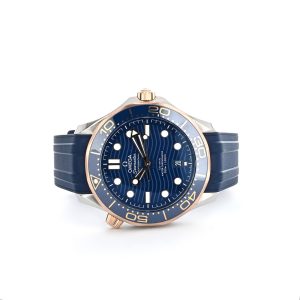
The lender matters as much as the loan structure. A general pawn shop or a bank evaluating jewelry as incidental collateral is working from limited expertise and conservative, often outdated pricing. A lender built specifically around luxury watches and fine jewelry, with model and reference-specific valuation, current secondary-market pricing, and human specialists who actually work with Rolex references daily, is going to land closer to true market value, which translates directly into a larger loan amount and a fairer rate.
Diamond Banc structures loans on Rolex watches and fine jewelry around that kind of valuation, with local offices, nationwide service, and secure mail-in shipping for anyone not near a physical location. For a broader look at how collateral lending compares to unsecured credit, the full breakdown of why asset-based loans beat personal loans walks through the approval and speed advantages in more depth, and the primer on interest rates and APR for jewelry pawn loans is worth reading before signing anything with a lender that isn’t willing to show the math.
Choosing Between a Jewelry Loan and a Mainstream Lender
The right choice depends on what matters more: avoiding a credit inquiry and getting funded fast, or preserving the lowest possible headline rate on an unsecured product with strong credit. For someone who needs cash within a day, doesn’t want a hard inquiry on their report, or simply prefers a loan where the worst-case outcome is losing an item rather than owing more money, a jewelry-secured loan is usually the more practical option. For someone who already qualifies for the lowest advertised personal loan rates and doesn’t mind the credit check and paperwork, an unsecured loan can still make sense, particularly for smaller amounts where a jewelry item’s appraised value wouldn’t support the cash needed.
Either way, the comparison only works if the collateral is priced correctly. A piece undervalued by a generalist lender erases whatever rate advantage a jewelry loan might otherwise offer. That’s the real reason to work with a lender that specializes in the item being pledged rather than one that treats it as an afterthought.
Like what you’re reading?
Add us in Google — more like this is on the wayRelated Posts
 Instagram
 Facebook
 Tiktok
 YouTube