Sell your gold with confidence through Diamond Banc, a national luxury asset buyer and lender serving clients across the United States. If you want to sell your gold, sell your gold jewelry, or understand whether this week’s sharp market move creates a smart opportunity, Diamond Banc provides professional gold appraisal, transparent evaluations, and discreet service based on current market conditions.
Gold climbed from $4,352.81 to $4,520.01 per troy ounce this week, a gain of roughly 3.8% in just seven days. For many sellers, that kind of move is significant. Short-term price spikes can meaningfully affect what your gold bullion, coins, jewelry, and certain luxury items may command in the secondary market. Understanding the difference between headline gold prices and actual buyer offers is essential before making a decision, no matter where you’re located.
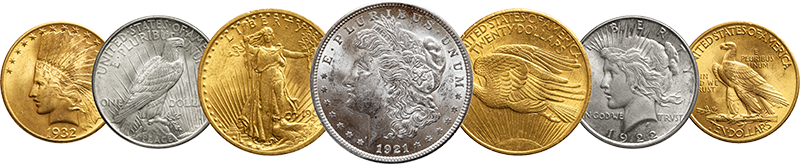
Sell Your Gold as Prices Reach $4,520/oz
Gold’s rise to $4,520.01 per troy ounce has prompted many owners to reevaluate whether now is the right time to sell. If you have been waiting for stronger pricing to sell your gold for cash, this week’s increase may justify getting a current appraisal and comparing your options.
It is important to remember that the gold spot price is not the same as the amount a buyer will pay. The current gold market value reflects raw metal pricing, while actual offers depend on purity, weight, item type, brand, condition, resale demand, and refining or resale considerations. A simple gold chain will be valued differently than signed designer jewelry, and gold bullion is evaluated differently than estate pieces.
- Gold moved from $4,352.81 to $4,520.01 per ounce in seven days
- That short-term increase can raise the liquidation value of many gold items
- Timing matters more during volatile markets
- Professional appraisal helps clarify whether selling now makes sense
Why Short-Term Gold Spikes Matter for Sellers Nationwide
Short-term spikes matter because even modest percentage changes in gold can materially affect the value of heavier items or larger collections. The current rally has real, identifiable drivers: gold has traded above $4,500 an ounce and was on pace for a third consecutive weekly gain as investors sought safe-haven assets amid currency and bond market volatility, continued central bank gold buying, and a U.S. Treasury plan to expand long-term debt buybacks. For sellers across the country, this kind of market movement often leads to renewed interest in converting dormant jewelry or bullion into liquidity.
When prices rise quickly, some people choose to capitalize on momentum rather than wait for a potentially uncertain future peak. Others may hold if they believe broader economic conditions could push gold higher. The right decision depends on your goals. If you need immediate liquidity, want to part with unworn jewelry, or have inherited gold you do not plan to keep, this week’s move makes a fresh valuation especially worthwhile.
What Affects the Value When You Sell Your Gold
The value of your gold is determined by more than one number on a commodities chart. Sophisticated sellers typically look at several variables before accepting an offer, no matter the size of their local market. Knowing these factors helps you negotiate from an informed position.
The core components of a gold appraisal usually include:
- Gold purity testing: Determines whether an item is 10K, 14K, 18K, 22K, or 24K
- Weight: The total precious metal content affects baseline value
- Current gold market value: Based on the live or recent gold spot price
- Item type: Gold bullion, coins, watches, broken jewelry, and signed designer pieces are valued differently
- Condition and resaleability: Fine jewelry may carry value beyond melt content
- Brand and craftsmanship: Certain luxury makers command stronger secondary-market demand
Understanding karats is especially important. Higher karat gold contains a larger percentage of pure gold, but design, provenance, and marketability can also influence offers. For example, a luxury gold watch or signed estate bracelet may be worth more than its melt value alone.
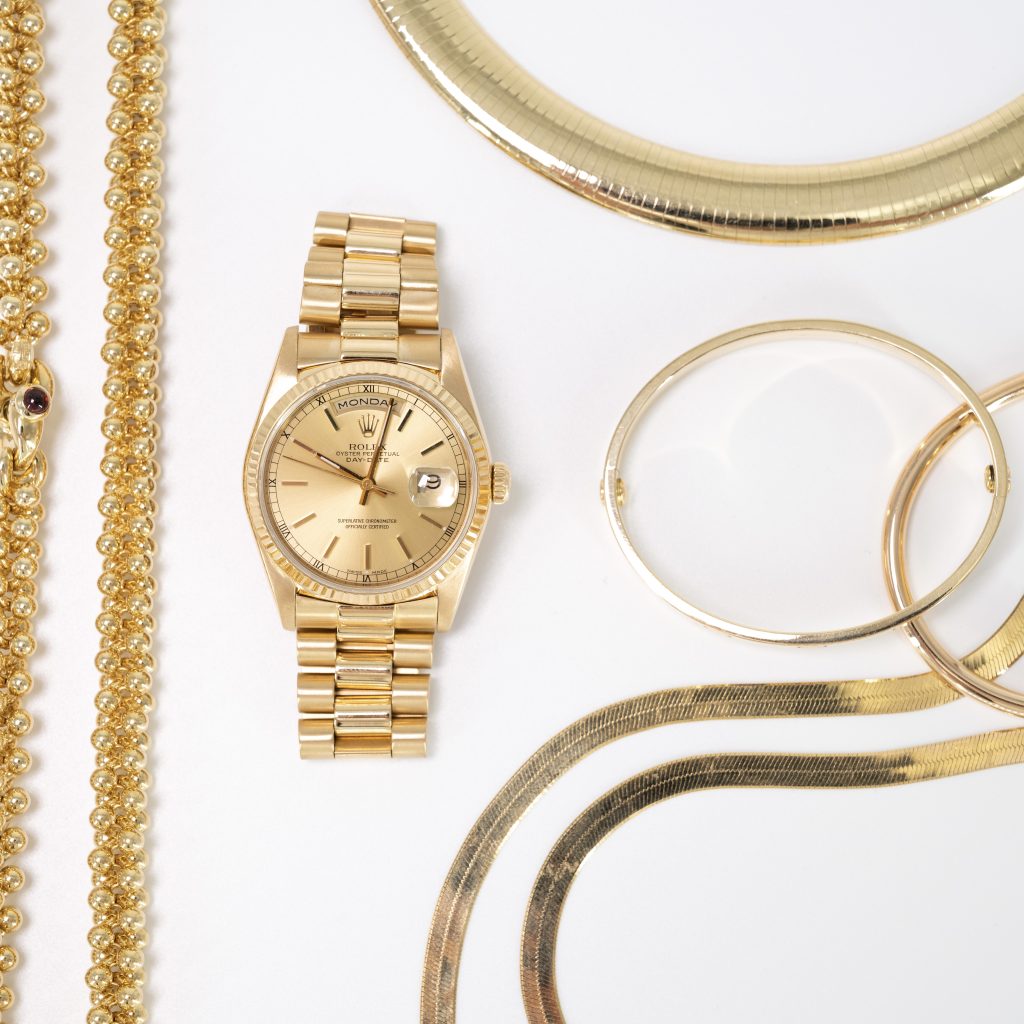
What to Expect When You Sell Gold or Fine Jewelry
Selling gold should be straightforward, discreet, and data-driven. A reputable buyer will evaluate your items carefully, explain how value is determined, and provide a clear offer based on current market conditions. If you want to sell your gold jewelry, understanding the process in advance helps you feel more confident.
- Initial review: Your items are examined for type, brand, condition, and overall marketability.
- Gold purity testing: The metal is tested to verify karat and authenticity.
- Weight and valuation: Precious metal content is measured against the current gold market value.
- Resale analysis: If an item has designer, antique, or luxury resale appeal, that can affect the offer.
- Offer presentation: You receive an offer with an explanation of the valuation logic.
Items that may perform well include:
- Gold bullion and bars
- Gold coins
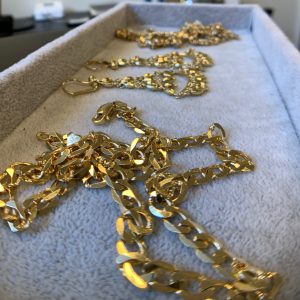
- Gold chains, bracelets, rings, and earrings
- Estate jewelry
- Designer gold jewelry
- Luxury watches with gold content or strong brand demand
Not every item is valued strictly as scrap. In many cases, craftsmanship, brand recognition, and secondary-market desirability play a role alongside metal content.
Sell Your Gold Jewelry or Consider a Jewelry Equity Loan
If you want liquidity but are not ready to part with a valuable piece permanently, selling is not your only option. Diamond Banc also offers gold-backed loans. For clients in Atlanta, Nashville, Scottsdale, and other markets Diamond Banc serves, this can be an appealing alternative when the goal is access to capital without an immediate sale.
This approach can make sense if:
- You expect gold prices may continue to rise
- Your jewelry has sentimental value
- You want short-term liquidity
- You own a luxury watch or fine jewelry with strong collateral value
If your primary objective is to sell your gold for cash, however, this week’s pricing may make a direct sale worth exploring now.
How to Get the Best Value in a Rising Gold Market
To get the best value when you sell your gold, start with an informed, professional appraisal and work only with a reputable buyer who explains the valuation clearly. The strongest outcomes typically come from understanding purity, weight, spot price, and whether your item has resale value beyond melt.
Here are practical ways to strengthen your position:
- Check the current gold spot price before your appointment
- Separate bullion, coins, and jewelry by category
- Bring any original boxes, paperwork, or receipts for branded pieces
- Know the difference between melt value and resale value
- Compare professionalism, transparency, and expertise among types of gold buyers
- Avoid rushing into the first offer you receive
Many consumers search phrases such as sell your gold near me, sell your gold online, or sell your gold calculator when they begin researching. Those searches are useful starting points, but they should lead to a deeper conversation about how your specific items are valued. A calculator can estimate raw metal value, but it cannot assess design premiums, luxury market demand, or whether your item deserves more than refining value.
Sell Your Gold Near Me vs. Sell Your Gold Online
If you are deciding between local and remote options, it helps to understand the tradeoffs. People often search for sell your gold near me because they want immediate, face-to-face clarity. Others explore sell your gold online because they are comparing convenience, process, and expertise.
In-person selling advantages include:
- Direct interaction with a professional evaluator
- Immediate explanation of purity testing and valuation
- Ability to ask questions in real time
- A more personal and often more reassuring experience
Online selling can appear convenient, but sellers should be cautious. Not every buyer offers the same level of transparency, and not every platform has equal expertise in luxury jewelry or watches. Before choosing any gold exchange or cash for gold service, verify credentials, read reviews, and make sure the business clearly explains its process. Diamond Banc has offices nationwide, but you can also sell your gold online.
Common Gold Selling Scams and How to Avoid Them
Gold selling scams often target people who are unfamiliar with pricing, purity, or the difference between reputable buyers and opportunistic operators. The best protection is education, transparency, and working with an established expert.
- Offers made without proper gold purity testing
- Pressure to sell immediately without explanation
- Vague pricing that never references current gold market value
- Buyers who weigh items out of sight
- No discussion of designer or estate value beyond scrap
- Unclear documentation or lack of professional business credentials
Whether you are in Phoenix, Tampa, or San Diego, a credible buyer should explain how your items are assessed and why the offer reflects the current market.
Best Time to Sell Gold: Should You Sell Now or Wait?
The best time to sell gold depends on your financial goals, your holding period, and your risk tolerance. A weekly move of 3.8% is meaningful, especially if you have been waiting for stronger pricing. Still, no one can predict short-term commodity movements with certainty.
You may consider selling now if:
- You want to capture a recent rise in the gold spot price
- You need liquidity soon
- You have unworn or inherited items with no long-term personal use
- You prefer certainty over waiting through volatility
You may choose to wait if:
- You believe broader economic conditions may continue lifting gold
- Your items have sentimental importance
- You are not under any pressure to sell
For many clients, the most practical next step is not making an immediate decision. It is getting an updated appraisal so you can evaluate your options with current data.
How do I sell my gold for the best price?
To sell your gold for the best price, start by reviewing the current gold market value and getting a professional appraisal. Verify purity, understand weight and karat, and compare how different buyers assess resale versus melt value. Avoid rushed decisions and choose a buyer who explains pricing clearly.
Where can I sell my gold jewelry near me?
You can sell your gold jewelry through reputable jewelers, precious metal dealers, and specialized luxury jewelry buyers like Diamond Banc. If you are searching sell your gold near me, focus on businesses with strong reviews, transparent evaluation methods, and experience with estate jewelry, designer pieces, coins, and luxury watches.
How is the value of gold determined?
Gold value is determined by several factors, including the current gold spot price, the item’s weight, and its purity level. Jewelry may also carry additional value based on brand, design, craftsmanship, and resale demand. A professional appraisal helps distinguish scrap value from true market value.
What documents do I need to sell gold?
Most gold buyers will ask for a valid government-issued photo ID. If you have original receipts, certificates, or branded packaging, those can be helpful, especially for fine jewelry and luxury watches. Requirements may vary by state, so it is wise to confirm what to bring before your appointment.
Is it better to sell gold online or in a store?
The better option depends on your priorities. In-person selling offers direct communication, immediate evaluation, and more transparency during testing and pricing. Online selling may offer convenience, but sellers should carefully verify the buyer’s reputation, credentials, and process before sending valuable gold or jewelry.
How can I test my gold for purity at home?
You can begin with simple checks such as looking for karat stamps, testing magnet response, and comparing weight and color, but these methods are limited. At-home kits exist, though professional gold purity testing is more reliable. For accurate valuation, expert testing is the better choice.
What are the risks of selling gold?
The main risks include undervaluation, unclear pricing, incomplete purity testing, and dealing with buyers who rely on pressure or vague offers. Market volatility is another factor. To reduce risk, work with an established professional, understand the current market, and make sure the evaluation process is transparent.
Like what you’re reading?
Add us in Google — more like this is on the wayRelated Posts
 Instagram
 Facebook
 Tiktok
 YouTube