24K gold jewelry contains 99.9% pure gold, making it the most valuable and liquid form of gold jewelry in the US. It is prized for investment, resale, and wealth preservation due to its direct link to gold spot prices and global demand.
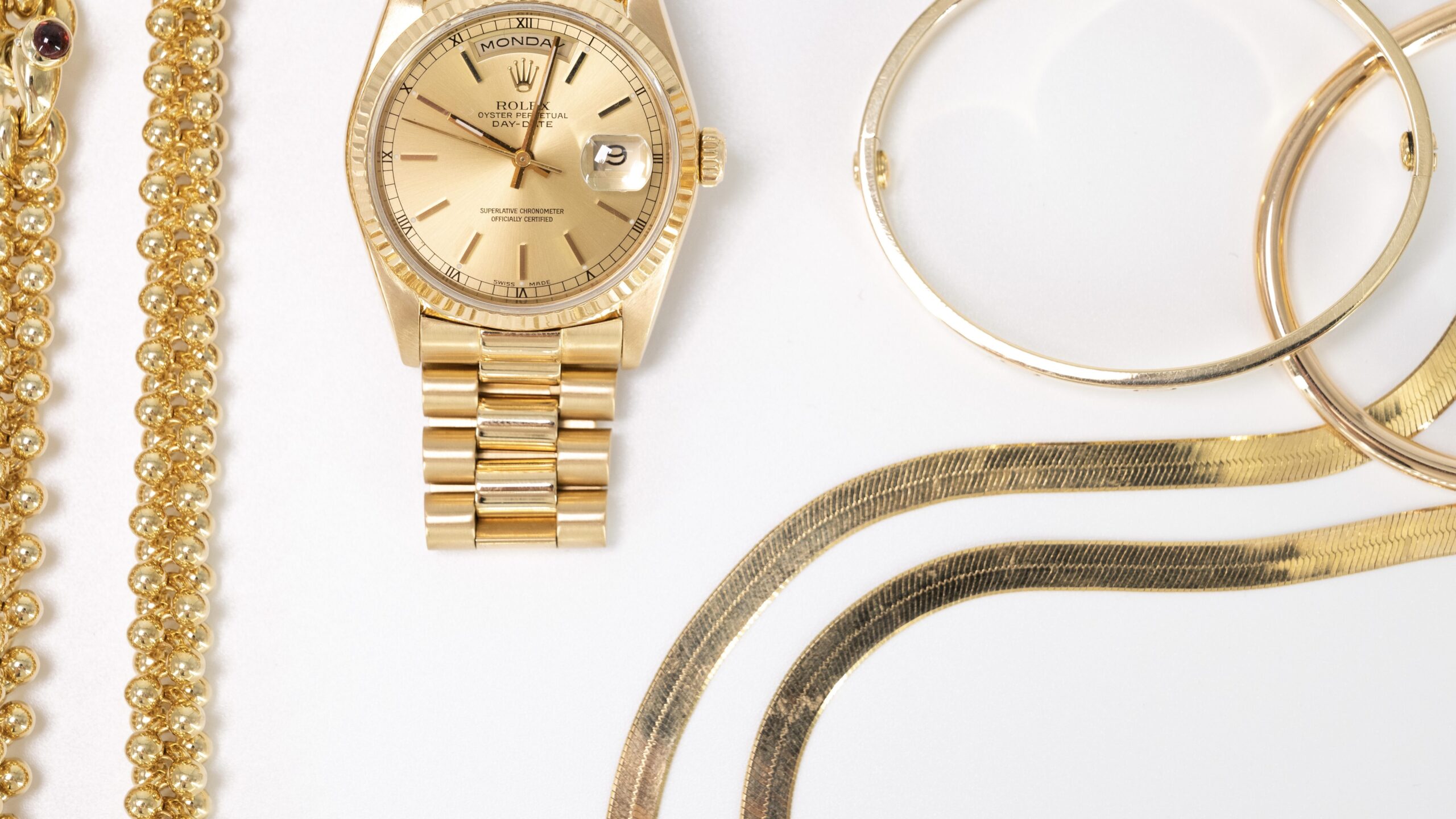
24K solid gold jewelry contains 99.9% pure gold, making it the highest standard of gold purity. Known for its rich yellow tone and unmatched brilliance, it holds significant value in both the luxury and investment markets. In the US, buyers favor 24K for its purity, liquidity, and role as a stable store of wealth.
Compared to lower carats like 18K (75% gold) or 14K (58.3% gold), 24K gold delivers the highest gold content per gram. While it is softer and less ideal for daily wear, its primary value lies in its metal content, not structural durability. Investors and collectors choose 24K gold for its consistent resale demand and intrinsic worth.
Global gold market rates, US dollar fluctuations, dealer markups, and craftsmanship influence the price of 24K gold. Additional factors include geopolitical risks, inflation trends, and overall market sentiment. In the US, top-tier buyers consider both purity and presentation when pricing gold assets.
Purity is confirmed through hallmark stamps like “999,” acid tests, and XRF technology. Diamond Banc uses industry-grade testing tools to provide real-time, transparent evaluations. Clients receive precise purity results and instant value assessments during in-person or remote transactions.
Diamond Banc specializes in buying and lending against 24K gold jewelry, offering competitive payouts and flexible financing solutions. With offices in major U.S. cities, the company is known for its discreet service, fast processing, and high customer satisfaction. Whether selling a gold necklace or using it as loan collateral, clients rely on Diamond Banc for trusted, market-driven offers.
In a market where value and trust are essential, Diamond Banc delivers both, making it a preferred destination for individuals seeking to unlock the full worth of their 24K gold assets.
Table of Contents
- What Is 24K Gold?
- What Is The Process Of Forming 24K Gold?
- How Is 24K Gold More Valuable Than Other Carats?
- What Factors Influence The Price Of 24K Gold Jewelry In The US?
- What’s The Resale Value Of 24K Gold Jewelry?
- How Does Tax Impact The Value Of 24K Gold?
- How Do You Confirm 24K Gold Purity?
- What Are The Benefits Of 24K Gold For Investment?
- What Are The Risks Of 24K Gold For Investment?
- What More Do You Want To Know About 24K Gold?
- What’s the difference between 24K and 18K gold?
- Can you wear 24K gold jewelry every day?
- Does 24K gold tarnish or scratch easily?
- Is 24K gold hypoallergenic?
- Is 24K gold jewelry a good investment?
- Can I insure my 24K gold jewelry?
- Can you use 24K gold jewelry to get a loan instead of selling it?
- Can I get a better loan if my gold is 24K?
- Where is the best place to get a loan on 24K gold in the US?
What Is 24K Gold?
24K gold is pure gold with a purity level of 99.9%, meaning it contains no significant traces of other metals. It represents the highest grade of gold available for jewelry and investment. Because it is not mixed with alloys, 24K gold maintains a rich, deep yellow color that is immediately recognizable and highly sought after in luxury markets.
In comparison, lower karat types contain less pure gold and more alloy content. 10K gold contains only 41.7% gold, 14K gold has 58.3%, and 18K gold holds 75% gold. These lower karats are more durable due to added metals like copper or silver, but carry less intrinsic value per gram.
24K gold is also softer than other types, making it less suitable for detailed or high-wear jewelry pieces. However, its high purity and visual appeal make it ideal for collectors and investors who prioritize metal content over wearability. Because of these characteristics, 24K gold is recognized as both a luxury item and a stable, tangible investment, offering long-term value with global market acceptance.
What Is The Process Of Forming 24K Gold?
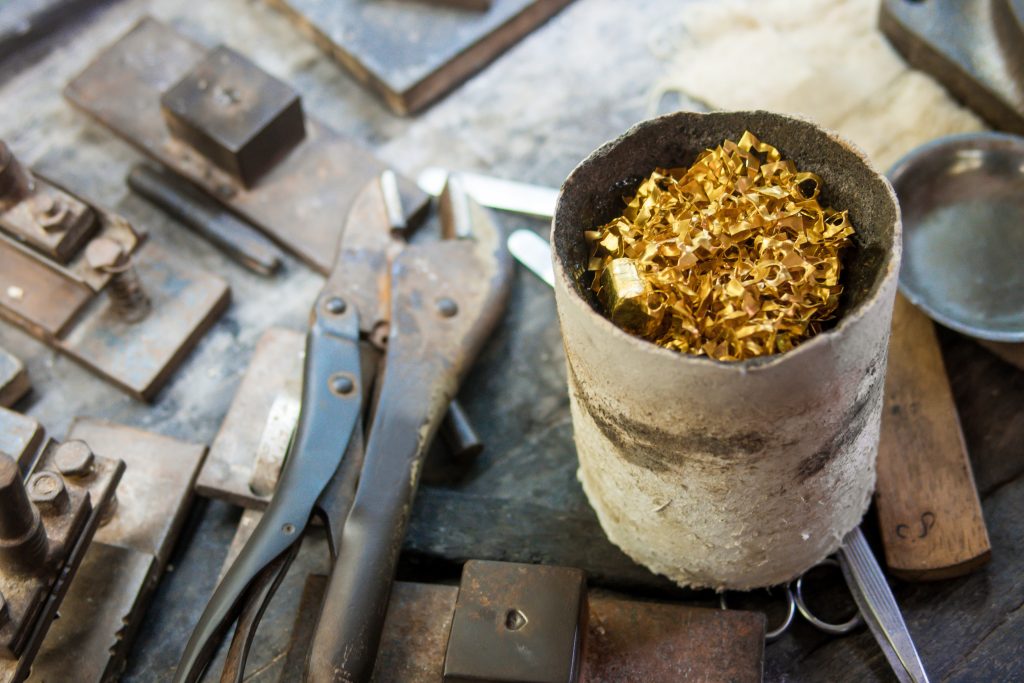
The process of forming 24K gold is a combination of natural stellar and geological events, followed by advanced industrial refining that removes impurities to achieve 99.9% purity. In the US, this process follows strict industry standards to ensure that the final gold product meets investment and luxury-grade benchmarks.
- Stellar Formation
Gold originates in space during supernova explosions, where collapsing stars generate extreme heat and pressure. This environment allows atomic fusion to create heavy elements like gold. The particles formed during these cosmic events travel across space and become part of the primordial material that forms planets, including Earth. This stage represents the origin of all naturally occurring gold.
- Geological Accumulation
After reaching Earth through meteorites or during planetary formation, gold settled into the Earth’s crust. Over millions of years, geological forces such as volcanic activity, plate tectonics, and water flow moved gold into veins and placer deposits. These deposits concentrate gold in extractable forms and are the primary sources for modern gold mining. This natural accumulation stage is critical to forming gold in usable quantities.
- Extraction and Refining
Once gold deposits are located, mining operations extract the gold-bearing rock. This raw material contains other elements and impurities. The extraction process involves crushing the ore and separating gold using cyanide leaching, gravity concentration, or flotation methods. These steps isolate gold but do not produce 24K purity, so further refining is necessary.
- Miller Process and Wohlwill Process
The Miller process uses chlorine gas to remove base metals, producing gold that is approximately 99.5% pure. To achieve 24K gold purity (99.9%), the gold then undergoes the Wohlwill process, which uses electrolysis to separate any remaining impurities. In the US, reputable refineries apply both methods to meet federal and commercial standards for investment-grade gold. Companies like Diamond Banc only deal with gold that passes through these verified processes, ensuring clients receive authenticated, high-purity 24K gold.
This entire lifecycle, from cosmic origin to industrial refining, ensures that 24K gold remains one of the most valued and trusted forms of wealth preservation in the US luxury and investment markets.
How Is 24K Gold More Valuable Than Other Carats?
24K gold is more valuable than other carats because it is the purest form of gold available, with 99.9% gold content. Its unmatched purity directly increases its intrinsic metal value, market price, and investment appeal. Compared to 10K, 14K, or 18K gold, 24K gold holds a superior position in both luxury and financial markets due to several defining traits.
- Higher Purity
Purity refers to the percentage of actual gold content in an alloy. 24K gold contains 99.9% pure gold, making it the highest purity level possible. In contrast, 10K contains 41.7%, 14K holds 58.3%, and 18K contains 75%. The price of gold increases proportionally with purity, which means 24K gold commands the highest price per gram in both jewelry and bullion forms.
- Investment Potential
Investment potential is the ability of an asset to retain or increase its value over time. 24K gold is widely used in bullion bars and coins, favored for its global liquidity, inflation resistance, and standardization. Because of its purity, it can be easily traded, melted, or reused without loss of value. In the US, investors prefer 24K gold for its predictable performance and direct link to gold spot prices.
- Symbol of Luxury
A luxury item represents exclusivity, premium quality, and status. The deep yellow hue and natural brilliance of 24K gold make it a visual symbol of wealth and refinement. It is used in high-value pieces, heirloom items, and culturally significant designs. Unlike lower carats that include mixed alloys, 24K gold maintains an unblemished appearance, contributing to its luxury status.
- Limited Availability
Limited availability refers to how scarce or uncommon an item is in the market. Due to its softness, 24K gold is rarely used in mass-market jewelry. It requires skilled craftsmanship to shape and maintain. This scarcity, combined with labor-intensive production, increases its collectible and resale value. In the US, authentic 24K gold pieces are typically found through premium buyers like Diamond Banc, not in standard retail outlets.
- Softness
Softness is a physical property indicating how easily a metal can be scratched or bent. 24K gold is softer than other gold types because it lacks hardening alloys. While this limits its use in daily-wear items, it offers advantages in refining, melting, and repurposing, which are key benefits for investors. Its high malleability supports its role as a reliable store of value in the form of bullion.
Because of these unique properties, 24K gold remains the highest-valued carat across US markets, trusted by premium gold buyers like Diamond Banc for both personal wealth preservation and asset-backed liquidity.
What Factors Influence The Price Of 24K Gold Jewelry In The US?
The factors that influence the price of 24K gold jewelry in the US are international gold spot price, taxation policies, and retail markups. Each element contributes to the final cost of a piece beyond just its gold content. Broader economic conditions like inflation, interest rates, geopolitical instability, and the strength of the US dollar also shape these components.
- International Gold Spot Price
The spot price is the current market price for one ounce of pure gold traded globally. This rate fluctuates in real-time based on global demand, mining output, inflation forecasts, and financial market trends. Since 24K gold is 99.9% pure, its value is directly linked to the live spot price, making it the most reactive carat to global gold pricing.
- Import Duties and Taxes
These are government-imposed charges on imported gold and jewelry. In the US, most 24K gold jewelry is imported from regions like Asia or the Middle East. Import duties, tariffs, and state-level sales taxes increase the base cost, especially for pieces that cross international borders before reaching the retail market.
- Jeweler’s Making Charges
These are labor and design fees charged for crafting the jewelry piece. Making charges vary depending on complexity, weight, and design intricacy. Although 24K gold is soft and requires skilled handling, craftsmanship does not contribute to intrinsic gold value but still adds to the final retail price.
- Brand Markup
The additional cost added by a jewelry brand is based on its reputation or exclusivity. High-end retailers charge premium prices based on perceived value, not just material cost. The same gram weight costs significantly more at a branded store compared to a private dealer or institutional buyer such as Diamond Banc, which prices based on gold value, not a brand.
- Packaging and Certification Fees
Costs are associated with official purity certification and luxury-grade presentation. These include hallmarking, lab analysis, branded packaging, and third-party documentation. While necessary for authenticity, these costs do not reflect the gold’s intrinsic worth but add to retail expenses.
Additional influencers include seasonal demand, especially during holidays and wedding seasons, and broader economic indicators such as inflation, interest rates, and currency fluctuations. When inflation rises or the US dollar weakens, gold prices generally increase due to gold’s role as a safe-haven asset. Buyers should focus on the gold’s net weight and purity, compare spot-price-based offers, and choose verified gold buyers such as Diamond Banc to avoid paying unnecessary premiums.
What’s The Resale Value Of 24K Gold Jewelry?

The resale value of 24K gold jewelry depends on several core factors. As the purest form of gold (99.9%), 24K gold holds a high base resale value, but market conditions, evaluation practices, and buyer transparency influence that value. While it offers excellent liquidity, the resale price is not equal to the original retail price due to non-recoverable premiums like branding and craftsmanship. Below are the main components that determine resale value:
- Purity Verification
Purity verification confirms that the jewelry is genuinely 24K or 99.9% pure gold. This step is essential for accurate pricing. Professional buyers use X-ray fluorescence (XRF), acid tests, or spectrometers to detect gold content. Without confirmed purity, jewelry can be priced at a lower carat, reducing its resale value. Trusted platforms, such as Diamond Banc, provide certified testing to ensure the purity result is transparent and verifiable.
- Hallmarking
Hallmarking is a stamped indication of purity, such as “999” for 24K gold. A clear hallmark increases trust in the item’s authenticity and speeds up the evaluation process. Jewelry without hallmarks requires additional testing and is subject to lower offers. Hallmarked pieces are considered more credible and liquid in resale transactions.
- Weight
Resale pricing is based on the net gold weight, excluding non-gold elements like stones or clasps. Since 24K gold is nearly pure, almost all of the weight contributes to its value. Even small weight differences result in significant pricing changes, especially when multiplied by the live gold rate per gram.
- Current Gold Price Per Gram
24K gold’s resale value is tied directly to the global spot price of gold, updated in real-time. Factors like inflation, interest rates, geopolitical instability, and USD strength cause daily fluctuations. A strong spot price increases the resale payout, making timing a key consideration for sellers.
- Design/Brand Appeal vs. Melt Value
Most buyers evaluate jewelry based on its melt value, which reflects the raw gold content, not design, brand, or packaging. Designer pieces occasionally fetch a small premium, but resale offers rarely consider decorative or stylistic value. Understanding this distinction prevents unrealistic expectations.
- Check the Current Market Price
Before selling, always check the live gold rate from reliable financial sources. This enables you to calculate a realistic resale range. Diamond Banc uses the current market price during evaluations, ensuring alignment with real-time conditions.
- Calculate the Gold Content
The gold content is calculated by multiplying the item’s weight by its purity. For 24K jewelry, this is simple; 99.9% of the total weight is pure gold. For example, a 60g piece of 24K gold contains 59.94g of actual gold, which becomes the basis for pricing.
- Calculate the Value
To determine the resale value, multiply the pure gold weight by the current gold price per gram. If the gold rate is $70/gram, then 59.94g equals $4,195.80. Most buyers offer between 90 to 98% of melt value, depending on purity verification, buyer margins, and market demand.
While 24K gold jewelry holds strong resale potential, it’s important to remember that retail premiums are not returned. To secure the best deal, sellers should get multiple appraisals and choose trusted platforms like Diamond Banc, known for transparent evaluations, fair offers, and expert handling of high-purity gold assets.
How Does Tax Impact The Value Of 24K Gold?
The tax impacts the value of 24K gold by increasing the purchase cost, reducing net resale profit, and affecting inherited asset value through various federal and state-level tax policies. These include sales tax, capital gains tax, and potential estate or inheritance taxes.
Sales tax applies when purchasing 24K gold jewelry, depending on the state. For example, states like California, New York, and Texas typically charge sales tax on gold purchases, increasing the overall cost. In contrast, states such as Oregon, Alaska, and New Hampshire do not impose sales tax, which lowers entry costs for buyers.
Capital gains tax is applied when 24K gold is resold at a profit. The IRS classifies physical gold as a collectible asset, and profits from its sale are taxed at a maximum rate of 28%, depending on the seller’s income and how long the gold was held. To determine taxable gains, the original purchase price and selling price must be documented.
Inheritance and estate taxes also impact gold’s value when passed to heirs. In high-value estates, 24K gold contributes to the total estate worth and is subject to federal or state estate taxes. However, heirs benefit from a step-up in basis, which resets the gold’s value to current market rates at the time of inheritance, potentially reducing future capital gains tax if the gold is later sold.
These tax factors collectively influence the net financial outcome of owning, selling, or passing on 24K gold, making tax awareness an important part of a gold investment strategy in the US.
How Do You Confirm 24K Gold Purity?
To confirm 24K gold purity, you must use reliable verification techniques that determine whether the gold is 99.9% pure, as claimed. This is especially important for resale, investment, or using the item as loan collateral. While some methods can be done at home, professional testing remains the most accurate and trustworthy option, particularly for high-value items. Below are the most recognized and practical methods to confirm 24K gold purity:
- Look for hallmark stamps (e.g., “999” or “24K”)
Hallmarking is the first and simplest way to check purity. A stamp reading “999” or “24K” indicates that the item contains 99.9% gold, the standard for pure gold. This mark is usually engraved on the clasp, inner band, or backside of the jewelry. However, hallmark stamps can be faked, worn out, or misused on gold-plated items. While useful, hallmarking alone is not a definitive test. For full confirmation, combine this with a professional assessment. Diamond Banc only deals in fully authenticated gold, using industry-standard methods to verify purity beyond surface markings.
- Test with a magnet (real gold is non-magnetic)
Real 24K gold is non-magnetic. A simple way to check is by placing a strong magnet near the jewelry. If the item is attracted to the magnet, it likely contains base metals like iron or nickel, which indicates it is not pure gold. This method is quick and non-destructive but not entirely accurate, as some counterfeit items use non-magnetic fillers. A magnet test is best used as a preliminary screening tool, not as a standalone proof of purity.
- Use a gold testing kit or consult a jeweler.
Acid testing kits are a common method for determining karat levels. For 24K gold, the testing solution should leave no reaction or discoloration when applied to a small scratch on the item. However, improper handling of acids damages the gold or gives false results. More accurately, professional jewelers or gold buyers like Diamond Banc use XRF (X-ray fluorescence) analyzers that determine gold content without harming the item. For large transactions or verification before resale or loans, professional testing is the most reliable and secure method.
- Check for discoloration or flaking (plated gold wears off)
Visual inspection helps identify plated or fake gold. Pure 24K gold has a consistent, rich yellow hue that does not fade or flake. If there is visible wear, especially at edges or high-contact points, and if another color metal shows through, the item is likely gold-plated, not solid 24K. Surface irregularities, fading color, or uneven shine are red flags. This method is helpful for quick rejection of suspicious items, but cannot confirm genuine purity without supporting tests.
While initial checks like hallmarks, magnet tests, and visual inspection offer clues, they do not replace professional verification. For full confidence, especially in high-value scenarios like resale, investment, or asset-backed loans, consult a certified gold buyer like Diamond Banc for accurate, tamper-proof purity testing.
What Are The Benefits Of 24K Gold For Investment?
The benefits of 24K gold for investment include high purity, liquidity, inflation protection, and portfolio diversification. As the purest form of gold (99.9%), 24K gold holds strong intrinsic value and global recognition. It is widely used by investors in the US to preserve capital and hedge against economic volatility. Below are the core benefits of investing in 24K gold:
- High Purity and Value
24K gold contains nearly 100% pure gold, which means it commands the highest market price per gram compared to other karats. This purity ensures that the investor is buying gold with maximum intrinsic metal value, making it an ideal form for long-term wealth storage.
- Global Liquidity
24K gold is recognized and accepted worldwide. It can be easily sold or exchanged in any major market without complex conversion or quality concerns. Its standardization makes it a globally trusted financial instrument, offering immediate liquidity during emergencies or financial transitions.
- Hedge Against Inflation
Gold has historically retained or increased in value during periods of inflation. As the purchasing power of currency declines, gold prices rise, protecting the real value of an investor’s holdings. 24K gold, being pure and unaltered, reacts most directly to macroeconomic shifts.
- Tangible Asset
Unlike stocks or digital investments, 24K gold is a physical asset that you can hold, store, or pass on. It involves no counterparty risk, making it a secure choice in uncertain financial climates. Investors turn to tangible assets like gold for security in times of geopolitical instability.
- Diversification
Including 24K gold in a portfolio helps balance risk, especially when other asset classes (stocks, bonds, real estate) underperform. It tends to move inversely to equities, making it a strong diversifier that reduces overall portfolio volatility.
- Long-Term Value
Gold is not only stable but grows in value over extended periods, especially in uncertain markets. Investors seeking capital preservation over decades hold 24K gold as a core asset, confident in its resistance to devaluation and continued global demand.
- Emotional and Aesthetic Appeal
Beyond financial gain, 24K gold offers cultural, emotional, and visual value. Many investors in the US inherit gold as heirlooms or purchase it as both a luxury item and a financial asset. Its appeal enhances its desirability, ensuring continued demand.
24K gold is a stable, inflation-resistant, and universally accepted investment. While it offers long-term security, it performs best as part of a diversified portfolio, complementing other assets to balance risk and return effectively.
What Are The Risks Of 24K Gold For Investment?
The risks of 24K gold for investment include physical vulnerability, liquidity challenges, market volatility, and a lack of income generation. While 24K gold offers high purity and long-term value, investors should be aware of its limitations to make informed decisions. Below are the key risks associated with holding 24K gold as an investment:
- Wear and Tear
24K gold is soft and easily scratched or bent, making it less durable than lower karat gold. This reduces its resale appearance and perceived value if held in jewelry form.
- Difficulties in Selling
Selling 24K gold involves delays, paperwork, or price negotiation, especially with private buyers or international transactions. Not all dealers offer the same price or accept all forms of 24K gold.
- Market Fluctuations
Gold prices are subject to daily changes influenced by inflation, interest rates, and global events. This volatility means that gold purchased at a peak loses value in the short term.
- High Markups and Premiums
Jewelry and small bullion include significant markups over spot prices due to design, branding, and packaging. These added costs are not recovered at resale.
- Security and Storage Concerns
Physical gold requires secure home safes or insured vaults, which can be costly. Storing large amounts of gold also increases the risk of theft or loss.
- No Passive Income
Unlike stocks or bonds, 24K gold does not generate dividends or interest. Its value grows only through price appreciation, which takes time.
- Purity Concerns
Without proper testing, fake or gold-plated items can be misrepresented as 24K, leading to losses. Only verified buyers, such as Diamond Banc, offer professional testing to confirm true purity before purchase or sale.
While 24K gold remains a reliable store of value, investors should weigh these risks carefully and use it
as a complement, not a replacement, for income-generating and diversified assets.
What More Do You Want To Know About 24K Gold?
Leveraging your 24K gold for a loan is a practical way to access immediate funds without selling your assets. This process allows you to retain ownership of your high-purity gold while using its value as collateral for short-term financing. It’s especially beneficial for individuals who want liquidity without sacrificing long-term investment holdings.
The process is safe, discreet, and straightforward. No credit checks or income verification are required, and approvals are typically granted within 24 hours. Your gold is securely stored throughout the loan term, and you reclaim it in full once the balance is repaid.
Diamond Banc specializes in gold-backed lending and offers some of the highest loan-to-value ratios in the industry. Buyers benefit from transparent terms, flexible repayment options, and a no-pressure environment designed to make financial decisions easy and stress-free. Whether you’re unlocking cash for personal use or business needs, using your 24K gold as leverage with Diamond Banc ensures speed, trust, and top-tier service.
What’s the difference between 24K and 18K gold?
The difference between 24K and 18K gold lies in their purity and composition. 24K gold is 99.9% pure, while 18K gold contains 75% gold and 25% alloy metals like copper or silver. 24K gold has a richer yellow hue, higher intrinsic value, and is softer. In contrast, 18K gold is more durable and better suited for everyday wear. Due to the higher gold content, 24K gold is more expensive, but 18K gold offers more resistance to scratches, making it a practical choice for certain jewelry pieces.
Can you wear 24K gold jewelry every day?
Yes, you can wear 24K gold jewelry every day, but it is not always recommended due to its softness and malleability. 24K gold is more prone to bending, scratching, or denting with frequent use. While it is hypoallergenic and has unmatched purity and color, its physical softness makes it less suitable for daily wear, especially in rings, bracelets, or items exposed to frequent contact. For everyday use, lower karat options like 18K or 14K gold are preferred for their increased durability and structural integrity.
Does 24K gold tarnish or scratch easily?
No, 24K gold does not tarnish, but it scratches easily due to its high purity. Since it contains no alloy metals, it remains resistant to oxidation, rust, or color change over time. However, its softness makes it more vulnerable to surface scratches, dents, and marks, especially during daily wear. While 24K gold retains its color and luster, it is best stored carefully or worn selectively to maintain its pristine condition. Jewelry collectors and investors favor it for its value and purity, not for everyday durability.
Is 24K gold hypoallergenic?
Yes, 24K gold is hypoallergenic because it contains 99.9% pure gold and no mixed metals like nickel or copper that typically cause allergic reactions. This makes it a safe choice for people with sensitive skin or metal allergies. Unlike lower karat golds that include alloys to improve strength, 24K gold maintains its purity and biocompatibility, minimizing the risk of irritation. It is especially preferred for earrings, nose rings, and other pieces that remain in direct contact with the skin for extended periods.
Is 24K gold jewelry a good investment?
Yes, 24K gold jewelry is a good investment because it combines intrinsic metal value with global liquidity and cultural demand. As the purest form of gold, it holds the highest resale value per gram. Its price moves in line with the international gold market, offering a hedge against inflation and economic downturns. It’s also easy to store, pass down, or sell.
Can I insure my 24K gold jewelry?
Yes, you can insure your 24K gold jewelry through personal property or jewelry-specific insurance policies. Insurers typically require an official appraisal and documentation of ownership. Insurance covers loss, theft, or damage, and premiums depend on the item’s assessed value and storage practices. It’s recommended to store insured gold in a safe or bank vault. Adding high-value items like 24K gold to your coverage ensures financial protection. Policies can be customized to cover replacement value, travel, or accidental damage based on your needs.
Can you use 24K gold jewelry to get a loan instead of selling it?
Yes, you can use 24K gold jewelry to take out a loan on gold, avoiding the need to sell it by leveraging it as collateral with no credit checks. This allows you to access cash while retaining ownership. The process is secure, fast, and discreet, especially with trusted lenders. Make informed decisions about using gold as a short-term financial tool.
Can I get a better loan if my gold is 24K?
Yes, 24K gold typically qualifies for a better loan offer because of its higher purity and value per gram. Lenders offer higher loan-to-value (LTV) ratios for pure gold, meaning you can borrow more against the same weight compared to 14K or 18K. Because 24K gold is globally recognized and easy to appraise, it provides greater security to lenders, allowing them to extend more favorable terms. Institutions like Diamond Banc base their offers on verified purity, weight, and live market pricing.
Where is the best place to get a loan on 24K gold in the US?
The best place to get a loan on 24K gold in the US is Diamond Banc. Known for its competitive loan-to-value ratios, transparent terms, and fast funding, Diamond Banc offers a professional, secure way to unlock your gold’s value without selling it. They provide expert evaluations, no-pressure consultations, and fast processing, ideal for clients seeking privacy and high payouts. With physical offices and mail-in options, Diamond Banc serves individuals nationwide looking for gold-backed lending with speed and integrity.
Related Posts

 Instagram
 Facebook
 Tiktok
 YouTube