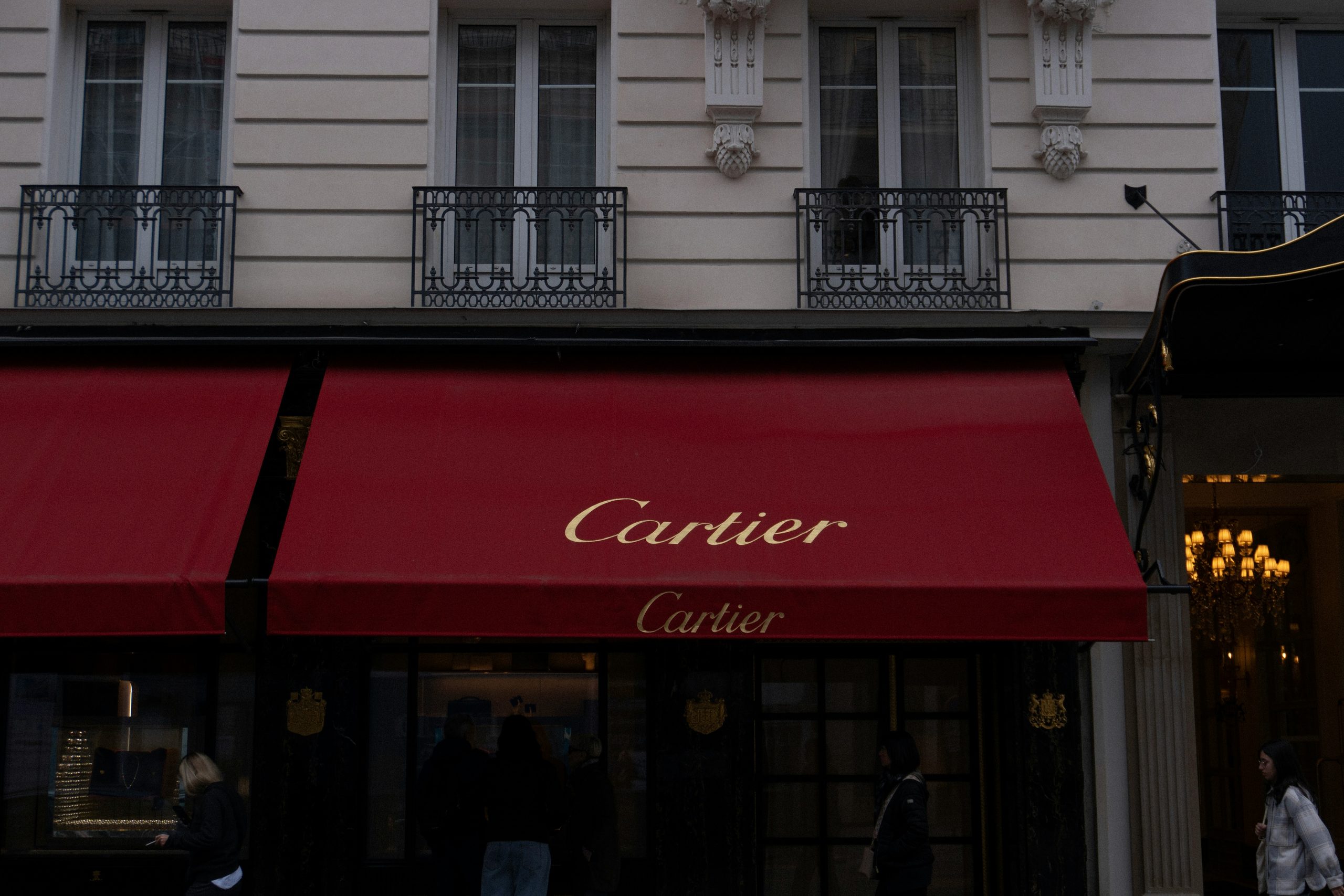
In late October 2026, photos of Catherine, Princess of Wales wearing her Cartier watch during a meeting with Melinda French Gates started circulating widely, even though the meeting itself had taken place weeks earlier, on October 8, 2026, in London. Kensington Palace released the images afterward, and the press quickly connected the watch to its backstory: it was a gift from Prince William. That kind of royal re-sighting is exactly the sort of moment that sends people to Google asking what their own Cartier watch is worth. Here’s what the story actually involved, and what it does and doesn’t mean for a Ballon Bleu, Tank, or Santos sitting in your safe.
The Watch Princess Kate Wore, and When the Story Broke
The watch is the Cartier Ballon Bleu, reportedly given to the Princess by Prince William for their third wedding anniversary in 2014, during their official tour of Australia that year. It has reappeared in her rotation regularly since, and this particular sighting, worn to a meeting with a globally recognized philanthropist, is what pushed it back into headlines in October 2026. Press coverage at the time pegged the piece’s value at roughly $8,000, describing it as a cherished, sentimental accessory rather than a showpiece. That framing matters: the story’s appeal isn’t a six-figure jewel, it’s a mainstream watch many people already recognize or own something similar to.
What That Exact Cartier Model Costs New Today
If you wanted to buy the watch the Princess wore, new, today: Cartier’s official US price for the steel 33mm Ballon Bleu automatic is $7,050 as of this listing checked in November 2026. That’s the entry point into a line that extends much further: a steel-and-yellow-gold 33mm version lists around $11,500, and a diamond-set white gold 33mm version runs about $62,500. That spread is worth remembering before you assume a “Ballon Bleu” headline tells you anything specific about your own watch’s value. The name covers everything from a steel sport watch to a five-figure gold-and-diamond piece, and those two watches don’t move together in resale value just because they share a case shape.
Does a Royal Moment Actually Move Resale Prices?
The honest answer is: it helps demand and interest more reliably than it moves hard numbers, and Cartier’s own secondary-market data backs that up. Across the broader market, Cartier watches traded at an average discount of 25.9% below retail in the third quarter of 2026, a steeper discount than Rolex, Patek Philippe, or Audemars Piguet, all of which were trading above retail in the same period. So a royal gifting story doesn’t suddenly push Cartier watches to command a premium the way a hyped Rolex reference might. What it does appear to do is accelerate interest: industry tracking through mid-2026 found Cartier’s rate of price appreciation on actual completed sales climbing faster than any other brand tracked, even while prices stayed roughly 30% under retail. In plain terms, more people are buying and selling Cartier watches, and buyers are willing to pay a bit more for them over time, but the brand is still working up from a discount rather than down from a premium.
There’s a documented pattern behind why these stories spread at all. Items the Princess wears have been estimated to add as much as $1 billion a year in attention and sales to British fashion and accessories broadly, and a Brand Finance study found that pieces she’s photographed in increase desirability among roughly 38 percent of American shoppers surveyed. That’s influence on interest and search volume, not a guarantee of valuation. It explains why “Cartier watch princess of wales” is suddenly a search people are typing, not why your own watch is now worth more at auction.
If You Own a Ballon Bleu, Tank, or Santos, Is It Worth More Now?
Not automatically, and not because of this story alone. What actually moves the needle on a specific watch’s resale value is reference number, condition, completeness of box and papers, and how much demand exists for that exact configuration right now, not which royal has worn a similar model. That said, Cartier’s classic lines, the Tank, Santos, Ballon Bleu, and older pieces like the Baignoire and Cintrée, are having a genuinely strong run independent of any single news cycle. Sotheby’s is currently selling the largest vintage Cartier watch collection ever assembled, more than 300 pieces across Hong Kong, Geneva, and New York through the end of 2026, expected to bring in over $15 million. And in the first half of 2026, Cartier’s higher sales volume let it out-earn Richard Mille in total secondary-market sales, even with a far lower median price per watch, inside a secondary watch market worth roughly $10.5 billion overall. The takeaway for an owner: Cartier demand is broad and growing, but it’s driven by volume and recognizability, not by chasing a single celebrity reference. A model-specific valuation still matters more than a headline.
Cartier vs. Rolex on the Secondary Market
If you’re weighing whether to sell a Cartier or a Rolex from the same jewelry box, it helps to know the two brands behave differently in resale. Rolex has spent years trading at or above retail on much of its steel sports lineup, which is part of why so many owners check how much is my rolex worth before deciding what to do with it. Cartier, by contrast, still trades below retail overall, even with its sales volume and momentum climbing. That doesn’t make Cartier a worse watch to own or sell, it just means the expectations should be set differently: Rolex owners are often negotiating from a position where the market has already priced in scarcity, while Cartier owners are selling into a market that rewards recognizable, well-documented pieces but hasn’t flipped to premium-over-retail pricing the way Rolex has.
What to Know Before Selling a Cartier or Using It as Collateral
Documentation changes what an appraiser can offer you, often significantly. Cartier ties warranty extensions and service history to the serial number on your warranty card, so having the original box, papers, and any service records on hand matters as much for a Cartier as it does for a Rolex. If your watch has been serviced, keep that paperwork too: Cartier recommends a full movement check by an authorized service professional every six years, and water-resistance seal replacement every two years under normal wear, and a watch with documented service history is easier to value with confidence than one with none.
It’s also worth knowing that if you registered for Cartier Care within the first two years of ownership, your warranty coverage may extend up to eight years total. That’s a detail worth digging up before you bring a piece in for a sale or loan conversation, since it can speak to how well the watch has been maintained.
From there, the decision is really about what you need: cash now, or liquidity while you keep the watch. A straightforward sale of your Cartier makes sense if you’re ready to part with it. If you’d rather hold onto the piece, especially a sentimental gift or a vintage reference that’s appreciating, a Cartier-secured loan lets you access funds against its value without giving it up. Owners of older or discontinued references, the kind showing up in Sotheby’s vintage sale, should also ask about selling a vintage watch specifically, since vintage pricing works differently than a current-production model.
The Bottom Line
A royal gifting story like this one is a reminder that Cartier’s classic shapes, the Ballon Bleu, Tank, and Santos among them, stay culturally relevant year after year. That relevance is translating into real secondary-market activity: rising transaction volume, a faster rate of price appreciation than other brands, and headline-making vintage auctions. But it hasn’t erased the gap between Cartier and brands like Rolex that trade above retail, and it doesn’t substitute for what actually sets your watch’s value: its reference, condition, documentation, and the strength of demand for that configuration today. If you own a Cartier and you’re deciding what to do with it, get a model-specific assessment rather than pricing it off a news story, whether that leads you to sell it or use it as collateral. For a sense of how dramatically provenance and documentation can swing a Cartier’s value at the high end, it’s worth reading about how a well-documented, provenance-rich piece like the Jacqueline Kennedy Cartier watch performed when it finally came to market.
Like what you’re reading?
Add us in Google — more like this is on the wayRelated Posts
 Instagram
 Facebook
 Tiktok
 YouTube