Gold is a long-term investment used to protect wealth, hedge against inflation, and reduce portfolio risk. Before buying gold, investors should understand market conditions, choose the right form of gold, verify purity, compare premiums, and buy only from trusted, certified dealers like Diamond Banc.

Gold is a tangible investment asset used to store value, preserve wealth, and protect purchasing power. It is classified as a precious metal and holds historical significance as a financial haven during economic uncertainty. Gold does not generate income, but it is considered a hedge against inflation, currency depreciation, and market volatility. This makes gold an attractive asset during periods of financial stress or geopolitical instability.
Gold’s value is driven by global demand, limited supply, and its role as a non-correlated asset to equities and bonds. Central banks, institutional investors, and individuals use gold to diversify their portfolios and reduce risk exposure. According to research from the World Gold Council, gold consistently retains purchasing power when fiat currencies lose value due to inflation. For example, when inflation rates in the U.S. exceeded 5% in 2021, gold demand increased by 10%, underscoring investor behavior during periods of currency depreciation.
Before purchasing gold, several key factors should be taken into consideration. These include the current inflation rate, global political climate, interest rate trends, and the strength of the U.S. dollar. Gold typically performs well when real interest rates are low and economic uncertainty prevails. Understanding market conditions is crucial for determining the timing and form of an investment.
Physical gold offers additional benefits. It requires no counterparty to maintain value and cannot be digitally manipulated or defaulted on. Forms of physical gold include bullion bars, gold coins, and certified jewelry. These assets are easily tradable and globally recognized, making them a secure store of wealth.
To invest in gold, buyers purchase through reputable dealers, online gold platforms, or financial institutions. Price transparency, gold purity (e.g., 99.9% for investment-grade bullion), and secure storage options must be verified before making a purchase. Diamond Banc offers tailored solutions for individuals seeking to invest in physical gold, providing expert guidance and flexible purchase options.
Table of Contents:
- What is Gold?
- What Is the Most Suitable Gold Investment for Personal Use?
- What Are the Different Types of Gold You Can Invest In?
- What Makes Gold a Valuable Investment Asset?
- What Factors Should Be Considered Before Investing in Gold?
- What Are the Different Ways to Invest in Gold?
- What Are the Benefits of Investing in Physical Gold?
- What Are the Risks of Investing in Physical Gold?
- How to Buy Gold for Investment?
- Is it Better to Buy Gold Bars or Coins as an Investment?
- What Are the Reasons to Invest in Gold Coins?
- How Easy Is It to Liquidate Gold Compared to Other Assets?
- How Does Gold Purity Affect Its Investment Value?
- Why Is 24K Gold Jewelry a Top Choice for Investors?
- How Does Using Gold as Collateral Compare to Selling It?
- How Does Gold Serve as a Store of Value During Uncertain Times?
- How Do Interest Rates Affect Gold Prices?
- Is Diamond Banc the Best Option for Buying Gold?
- What’s the Easiest Way to Invest in Gold for Beginners?
What is Gold?
Gold is a physical precious metal used as an investment to store value, protect against inflation, and diversify portfolios. It is valued for its stability and global acceptance.
Gold investing occurs in two primary ways: through physical gold and gold-related financial instruments. Physical gold encompasses bars, coins, and bullion jewelry, providing direct ownership. Financial options, such as ETFs, futures, and mining stocks, allow investors to benefit from gold prices without actually holding the metal.
Physical gold offers security and long-term value. Financial instruments provide liquidity and market flexibility. Investors choose based on their goals and risk level.
What Is The Most Suitable Gold Investment For Personal Use?

The most suitable gold investment for personal use is gold jewelry or small-denomination gold coins. Personal use refers to gold items that serve both as an investment and for everyday or occasional wear, gifting, or easy liquidity.
Gold jewelry offers dual value, and it can be worn and resold based on its gold content and craftsmanship. However, jewelry includes design and labor costs that do not contribute to its resale value. Gold coins, especially those minted by the government, such as American Eagles, are more practical. They are easy to store, trade, and verify for purity, making them a better investment choice for individuals seeking flexibility and accessibility.
Gold bars offer the highest purity and value per gram, but are better suited for large investments due to their size and storage needs. They are less ideal for personal use because they cannot be worn or easily exchanged in small amounts.
When selecting gold for personal use, buyers should consider purity, resale options, storage, and the ease of liquidating quickly. For accessible, wearable, and tradable gold, gold coins or high-purity jewelry are the most practical choices.
What Are The Different Types Of Gold You Can Invest In?
The different types of gold you can invest in include physical gold, paper gold, gold mining stocks, digital gold, and gold-backed cryptocurrencies. Each type offers distinct features, accessibility levels, and investment benefits. The different types are:
Physical Gold
Physical gold includes bullion bars, coins, and jewelry. It is a tangible asset offering direct ownership, long-term value preservation, and independence from financial systems. Common forms include 1-ounce gold coins, such as the American Eagle. It appeals to conservative investors focused on security and wealth protection. Physical gold has higher upfront costs due to manufacturing and storage, but it offers lower long-term risk.
Paper Gold / Financial Instruments
Paper gold includes gold Exchange-Traded Funds (ETFs), futures contracts, and gold certificates. It provides exposure to gold prices without requiring ownership of the metal. For example, SPDR Gold Shares (GLD) tracks gold’s market value. These instruments offer high liquidity and low transaction costs, but they carry counterparty risk and do not provide physical ownership of the underlying assets. This is suitable for active traders and diversified portfolio strategies.
Gold Mining Stocks
These are shares in companies involved in gold extraction. Investors gain from both rising gold prices and company performance. Examples include Barrick Gold and Newmont Corporation. They offer potentially high returns but come with higher volatility due to market and operational risks. Ideal for investors seeking growth exposure rather than stability in metals.
Digital Gold
Digital gold allows fractional ownership of physical gold stored by a custodian. It is purchased and sold through online platforms with real-time pricing. Digital gold is accessible, easy to trade, and requires no physical storage. However, it depends on platform credibility and charges digital management fees. It suits tech-savvy investors wanting convenience and speed.
Gold-Backed Cryptocurrencies
These are blockchain-based tokens backed 1:1 by physical gold reserves. Tether Gold (XAUT) and PAX Gold (PAXG) are examples. They combine the stability of gold with the flexibility of crypto. While highly accessible and transparent, they are new and carry regulatory and tech risks. Ideal for investors familiar with crypto who seek asset-backed digital exposure.
Each gold type serves different investor needs. Physical gold offers security, paper gold delivers liquidity, and mining stocks provide growth. Digital gold ensures ease, and gold-backed crypto bridges traditional and digital investing.
What Makes Gold a Valuable Investment Asset?
The factors that make gold a valuable investment asset include its role as a haven, its ability to hedge against inflation, its use in portfolio diversification, its scarcity, and its liquidity. These attributes have made gold a reliable store of wealth across centuries and cultures.
The important reasons investors choose gold include:
- Safe Haven Asset
Gold serves as a protective investment during economic uncertainty, political instability, and financial crises. Its value rises when markets fall, making it a dependable option in times of global volatility. Historically, civilizations from ancient Egypt to modern economies have relied on gold to preserve their wealth, endowing it with unmatched cultural and financial significance.
- Hedge Against Inflation
Gold maintains its value as the purchasing power of paper currencies declines. During periods of high inflation, investors often buy gold to protect their capital. For example, in the 1970s U.S. inflation crisis, gold prices rose by over 400%. This surge in demand reflects investors’ trust in gold as a long-term inflation hedge.
- Portfolio Diversification
Gold is a non-correlated asset, meaning its price moves independently from stocks or bonds. This reduces portfolio risk and adds balance, especially in declining markets. Investors use gold to stabilize their portfolios and protect against losses in other asset classes.
- Scarcity and Limited Supply
Gold is naturally scarce, and annual production is limited. Mining operations face higher costs and lower yields, which restrict supply growth. This fixed supply contributes to gold’s consistent value. Culturally, gold has long symbolized wealth and status, driving demand in countries like India during festivals, weddings, and economic downturns.
- Liquidity and Marketability
Gold is easily bought and sold globally in the form of coins, bars, and ETFs. Its universal acceptance makes it highly liquid, even in turbulent markets. Investors prefer assets that can be quickly converted into cash, and gold meets that demand with reliability and speed.
Global demand for gold is driven by central banks, retail investors, the jewelry market, and institutional funds. This broad demand base strengthens its investment profile across economies and market cycles.
What Factors Should Be Considered Before Investing in Gold?

The factors that should be considered before investing in gold include investment goals, risk tolerance, the type of gold chosen, and associated costs such as premiums and storage fees. Evaluating these elements helps investors make informed decisions and avoid common pitfalls.
The major considerations include:
- Investment Goals
Determine whether the purpose is wealth preservation, emergency security, or long-term diversification. Gold is best suited for maintaining value rather than generating income.
- Risk Tolerance
Gold fluctuates in the short term. Conservative investors typically prefer physical gold, while more aggressive investors may opt for ETFs or mining stocks, which often carry higher volatility.
- Forms of Gold Investment
Options include physical gold (in the form of bars and coins), gold ETFs, mining stocks, digital gold, and gold-backed cryptocurrencies. Each entity varies in terms of ownership, control, risk, and liquidity.
- Premiums and Fees
Physical gold incurs additional costs, including dealer premiums and minting fees. ETFs and digital platforms include management or trading fees.
- Storage and Security
Storing gold safely is essential. Options range from home safes to bank vaults, and secure storage typically incurs additional costs.
- Gold’s Role in the Portfolio
Gold should act as a diversification tool. A common allocation is 5 to 10% of total investment to manage risk and enhance stability.
- Taxes
In the U.S., physical gold is taxed as a collectible, with long-term capital gains subject to a tax rate of up to 28%. Understand the tax treatment of each gold form before investing.
- Market Conditions
Gold performs well during inflation, currency devaluation, and financial crises. Assess economic trends to choose the right entry time.
- Scams and Predatory Sellers
Avoid sellers who promise guaranteed returns or offer overpriced collectible items. Scams target uninformed buyers with unrealistic claims.
- Spot Price vs. Premium
Compare the live market price of gold with the seller’s price. Excessive premiums reduce the asset’s real value.
- Liquidity
Choose gold that is easy to resell. Recognized gold coins and bars offer higher liquidity. Digital and ETF options also provide fast exits.
- Authentication and Purity
Ensure gold is verified for purity (e.g., 99.9% for bullion). Request assay certificates or official markings from recognized refineries.
Always purchase from trusted sources i.e. Diamond Banc that offer clear pricing, certified products, secure storage, and transparent policies.
What Are The Different Ways To Invest In Gold?

The different ways to invest in gold include buying it directly, using the stock market, purchasing digital gold, investing through banks or post offices, trading on commodity exchanges, and working with financial advisors. Gold has served as a trusted store of value for thousands of years, offering protection against inflation, economic decline, and currency depreciation. Each investment method suits different goals, timeframes, and risk levels.
The main gold investment routes include:
- Buying Gold Directly
This method involves purchasing physical gold such as bars, coins, or jewelry. It is a traditional and widely trusted approach that offers investors direct ownership and a tangible form of wealth. Long-term investors prefer this for preserving wealth over time.
In terms of liquidity, physical gold can be moderately liquid. It typically requires reselling through dealers or institutions, which might not be immediate. The safety of this method is considered high, especially when gold is securely stored in vaults or personal safes. Investment size is highly flexible, allowing purchases ranging from small gold coins to large bullion bars. This method is ideal for individuals seeking to hedge against inflation and protect their assets during periods of economic uncertainty.
- Investing via the Stock Market
This strategy involves investing in gold through Exchange-Traded Funds (ETFs), mutual funds that focus on gold, or purchasing shares in gold mining companies. These financial instruments offer indirect exposure to gold prices without requiring physical storage.
Liquidity is a strong point here, as these assets are traded on stock exchanges and can be bought or sold daily. However, safety is more market-dependent; prices are subject to the volatility of the stock market and overall equity performance. Investment amounts start small, making this an accessible option for a wide range of investors. This method is particularly suited for those interested in capital appreciation, portfolio diversification, and short- to medium-term trading strategies.
- Buying Online (Digital Gold)
Digital gold allows investors to purchase and hold fractional quantities of gold through online platforms. Although ownership is digital, it is backed by actual physical gold stored with a custodian. This makes it especially convenient for users looking for flexibility and ease of access.
Digital gold offers high liquidity, allowing for instant buying and selling through the platform. The safety level depends on the platform’s reputation and regulatory oversight, so it’s essential to use services that ensure transparency and are properly regulated. Investment begins with minimal amounts, lowering the entry barrier for small investors. This form of investment is most suitable for flexible savings, short-term hedging, and frequent transaction needs.
- Investing Through Banks or Post Offices
Some banks and postal services offer investment-grade gold in the form of coins, certificates, or structured gold savings plans. This approach is valued for its reliability and the backing of established institutions, making it particularly appealing to conservative investors.
Liquidity in this method is moderate, as it depends on the individual policies of the bank or post office and involves formal procedures for resale. Safety is very high due to the involvement of regulated institutions and clear documentation. Investment options are fixed in nature, offering less flexibility in terms of quantity or format. It serves well for those looking to accumulate gold gradually and securely without engaging in market speculation.
- Using Commodity Exchanges
This method involves trading gold through commodity exchanges, such as the COMEX, via futures, options, or other contracts. It is designed for seasoned investors who are comfortable with advanced trading and are seeking to profit from short-term price movements.
Liquidity is very high, as trades occur in real-time with continuous market participation. While the platforms are regulated and secure, the safety of the investment also depends on the investor’s understanding of market dynamics, as trading inherently carries risks. Entering this market typically requires a substantial capital base and adherence to stringent margin requirements. This approach is best suited for speculative trading, price hedging, or positioning over short investment horizons.
- Through Financial Advisors or Wealth Managers
Investors also gain exposure to gold through professionally managed portfolios. These include a diversified mix of physical gold, ETFs, and gold-focused mutual funds. Advisors create custom investment strategies tailored to individual financial goals and risk tolerance.
Liquidity, in this case, varies depending on the portfolio’s construction. The safety is generally high, stemming from the advisor’s expertise and the risk-spread nature of a mixed asset strategy. Investment size tends to be moderate to high, as gold usually forms part of a broader portfolio rather than a standalone investment. This method is ideal for long-term investors seeking well-balanced exposure to gold with professional oversight and integrated financial planning.
Each method varies based on goals, cost, and risk level. Physical gold is best suited for long-term wealth storage, while market-based investments offer speed and flexibility. Digital gold combines ease of access with security, and institutional channels ensure regulated protection. For U.S.-based investors seeking secure and transparent investment options, Diamond Banc provides tailored solutions across various gold formats.
What Are The Benefits Of Investing In Physical Gold?

The benefits of investing in physical gold include its role as a store of value, a hedge against inflation, and a safe-haven asset with no counterparty risk. Physical gold refers to tangible forms, such as gold coins, bullion bars, and high-purity jewelry. Unlike paper or digital gold, it offers direct ownership and is not dependent on financial platforms, brokers, or institutions.
The common advantages include:
- Store of Value
Physical gold retains its purchasing power over time, even during periods of currency depreciation or economic decline. Its value is recognized globally and remains relatively stable over decades.
- Hedge Against Inflation
As the cost of living rises and fiat currencies lose value, gold prices typically increase. Investors use physical gold to protect their savings from the impact of inflation.
- Safe-Haven Asset
During financial crises, demand for gold surges. Unlike stocks or bonds, physical gold is not affected by corporate losses or shifts in interest rates. It remains in high demand during wars, recessions, and periods of political turmoil.
- Portfolio Diversification
Physical gold has a low correlation with traditional assets. Adding gold to a portfolio reduces overall risk and smooths returns, especially during volatile market periods.
- Intrinsic Value and Limited Supply
Gold has inherent value due to its scarcity, industrial applications, and widespread global acceptance. Its limited natural supply ensures long-term demand and price support.
- No Counterparty Risk
Physical gold is owned outright. There is no risk of platform failure, fund mismanagement, or default. Investors maintain full control over their assets.
- Tangible Asset
Unlike digital holdings, physical gold can be stored, seen, and verified. It offers a sense of security and ownership unmatched by virtual forms.
- Ease of Transfer
Gold coins and small bars are portable and can be quickly exchanged for currency in many regions. This makes physical gold a flexible and liquid resource.
Physical gold is a stable, long-term asset with enduring value and tangible benefits in the real world. However, it performs best when used as part of a diversified investment portfolio that balances security, liquidity, and growth potential.
What Are The Risks Of Investing In Physical Gold?
The risks of investing in physical gold include price volatility, high storage costs, limited liquidity, and a lack of income generation. While gold offers long-term security, understanding these risks helps investors make better decisions and avoid common pitfalls.
The major risks include:
- Price Volatility
Price volatility refers to the frequent and unpredictable changes in gold’s market value. Gold prices are influenced by global economic events, interest rates, and currency strength. Investors face losses if they buy during a peak and sell during a dip.
- Storage Costs and Insurance
Storing physical gold safely requires an investment in secure locations, such as vaults or home safes. These come with additional costs, including insurance to protect against theft or damage. Over time, these expenses reduce overall returns.
- Limited Liquidity
Liquidity refers to the ease with which an asset can be quickly sold without incurring a loss in value. Physical gold, particularly large bars or customised jewelry, may not sell immediately or require price negotiation, making it less liquid than digital assets or stocks.
- Premiums and Discounts
Premiums are additional charges above the spot price when buying gold; discounts occur when reselling at a price below market value. These dealer markups and markdowns shrink profit margins, making physical gold more expensive to trade.
- No Yield or Income
Yield refers to income generated from an investment, such as interest or dividends. Physical gold does not produce any recurring income, meaning it relies solely on price appreciation for returns.
- Tax Implications
In the U.S., physical gold is treated as a collectible and taxed at a higher capital gains rate, up to 28%. This reduces net gains when compared to stocks or real estate, which are taxed at lower long-term rates.
- Opportunity Costs
Opportunity cost refers to the potential gain lost by choosing one investment over another. Investing in gold can miss out on better-performing assets, such as equities or real estate, which offer both growth and income.
- Potential for Loss
This refers to the physical risks associated with owning gold, such as theft, loss, or damage. Without proper storage and insurance, investors risk losing their entire investment with no recourse to recovery.
- Complexity
Complexity involves the challenges of verifying gold’s authenticity, weight, and purity. Inexperienced investors struggle with due diligence, making them vulnerable to fraud, counterfeits, or unfair pricing.
Physical gold offers stability and long-term value, but it also carries real risks that should not be overlooked. These risks can be managed effectively by utilizing trusted sources, such as Diamond Banc, which provides expert guidance, certified gold products, and secure storage solutions.
How to Buy Gold for Investment?
To invest in gold, investors must select the right form, verify purity, compare prices, and purchase from a trusted source. Gold is a significant financial investment due to its high value, long-term nature, and role in preserving wealth. Making the right choice requires careful evaluation of several key factors.
The first step is to decide on the type of gold: physical gold (such as coins or bars), digital gold, or gold-backed financial instruments like ETFs. For physical gold, purity is essential. Investment-grade gold should be 99.5% to 99.9% pure, marked as 24-karat or .999 fineness. Always request an assay certificate or official mint stamp for verification.
Next, compare the gold’s spot price to the dealer’s selling price and understand any premium charges. Premiums vary by product size, design, and vendor markup. Smaller items carry higher premiums per gram than larger bars.
Buy only from reputable dealers or institutions that offer transparent pricing, certified products, and secure payment options. Avoid unverified sellers or platforms that lack clear return and resale policies.
Consider storage and insurance options before completing the purchase. Physical gold requires secure vaults or safes, while digital gold or ETFs are managed through online platforms.
Finally, review the tax treatment in your region. In the U.S., physical gold is taxed as a collectible, which affects capital gains.
For a secure and transparent gold-buying experience, Diamond Banc provides certified gold products, professional evaluation, and flexible purchase options tailored to investors’ needs.
Is it better to buy gold bars or coins as an investment?
Yes. It is generally better to buy gold coins for investment if liquidity, ease of resale, and flexible denominations are priorities. Coins like the American Eagle are government-backed, easily tradable, and widely recognized. Gold bars, while offering lower premiums per gram, require higher initial capital and are more difficult to liquidate in parts. Investors with large budgets may prefer bars, but coins are more suitable for most retail buyers due to their better marketability. The final choice depends on budget, storage, and exit strategy.
What are the reasons to invest in gold coins?
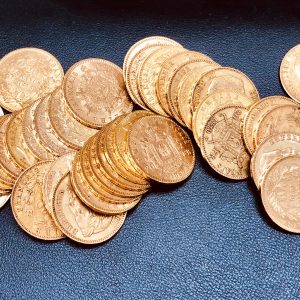
The reasons to invest in gold coins include high liquidity, government mint certification, and accessible purchase sizes. Coins are easy to sell, widely accepted, and carry recognized value globally. They come in fractional weights, allowing flexibility for first-time and seasoned investors. Gold coins also have aesthetic appeal and sometimes collectible value, making them dual-purpose assets. For many investors, coins offer the perfect balance between form, function, and value preservation, especially when acquired from reputable dealers.
How easy is it to liquidate gold compared to other assets?
Liquidating physical gold is easier than liquidating many tangible assets, but it is slower than liquidating stocks or digital assets. Coins and smaller bars from recognized mints are more marketable and can be sold to jewelers, dealers, or online platforms. Unlike real estate or collectibles, gold doesn’t require appraisals or long waiting periods. However, it’s less immediate than trading public equities. Choosing well-known products and maintaining accurate documentation speeds up the resale process. Gold is one of the most liquid physical assets globally when held in investment-grade form.
How does gold purity affect its investment value?
The purity of gold directly determines its market value. Higher purity means a higher value per gram. Investment-grade gold is typically 99.9% pure, known as 24K or .999 fineness. Lower karat gold (such as 18K or 14K) contains other metals, which reduces its resale value. Buyers and dealers pay based on actual gold content and purity certification. For investors, purchasing high-purity bullion or coins ensures stronger resale prices and broader market acceptance. Purity also signals trustworthiness and simplifies the evaluation process during buyback or collateralization.
Why is 24K gold jewelry a top choice for investors?
24K gold jewelry is a top choice for investors because it combines high purity with wearable value. Unlike lower-karat jewelry, 24K pieces contain nearly 100% pure gold, maximizing their resale value. It serves both as a luxury item and a liquid investment. In uncertain markets, 24K jewelry is easily tradable, especially in gold-driven economies. Its dual role as adornment and asset makes it especially appealing to international buyers. Certified 24K jewelry retains weight-based value and offers consistent investment returns.
How does using gold as collateral compare to selling it?
Using gold as collateral lets investors unlock liquidity without losing ownership. Selling gold permanently ends your claim over the asset, while collateralizing it through trusted services like Diamond Banc, which enables cash access while retaining the upside potential. This approach is ideal for short-term financial needs, where the gold value is preserved, and funds can be repaid. Collateral loans are also discreet, faster than traditional loans, and based purely on asset value. It’s a strategic solution for those seeking liquidity without sacrificing long-term holdings.
How does gold serve as a store of value during uncertain times?
Gold serves as a reliable store of value because it holds purchasing power even when fiat currencies decline. In times of economic crisis, inflation, or geopolitical instability, investors turn to gold for stability. Unlike paper money, gold is scarce, tangible, and not tied to any government policy. It has maintained long-term value for centuries across different civilizations. During volatile markets, demand for physical gold rises, helping preserve wealth when other assets lose value. It remains a universal symbol of financial security.
How do interest rates affect gold prices?
Interest rates inversely affect gold prices. When rates rise, holding non-yielding gold becomes less attractive, leading to lower demand. Higher interest rates make bonds and savings accounts more appealing. Conversely, when interest rates fall or turn negative, investors seek gold as a safer alternative to low-yield assets. Historically, gold prices tend to rise during periods of low or declining interest rates because the opportunity costs associated with holding gold decrease. Central bank rate policies have a direct influence on investor sentiment and the relative attractiveness of gold in portfolios.
Is Diamond Banc the best option for buying gold?
Yes. Diamond Banc is the best option for buying gold due to its secure process, transparent pricing, and certified gold inventory. The company specializes in high-purity physical gold products, including bullion and investment-grade jewelry. Buyers receive expert guidance and access to flexible purchase options tailored to their individual investment goals. Diamond Banc also offers secure storage solutions and resale support, making it a full-service platform for gold investors. Its reputation, trust-based model, and U.S. focus make it a top choice for serious buyers.
What’s the easiest way to invest in gold for beginners?
The easiest way for beginners to invest in gold is through fractional digital gold or certified coins. Digital platforms allow small investments with real-time pricing and secure custody. Certified coins from reputable dealers, such as Diamond Banc, are also beginner-friendly due to their liquidity, recognition, and purity. Both methods require minimal knowledge of markets and no special storage setup. Beginners should avoid complex instruments, such as futures. Starting small, verifying authenticity, and working with trusted providers ensures safety and simplicity for first-time investors.
Like what you’re reading?
Add us in Google — more like this is on the wayRelated Posts


 Instagram
 Facebook
 Tiktok
 YouTube