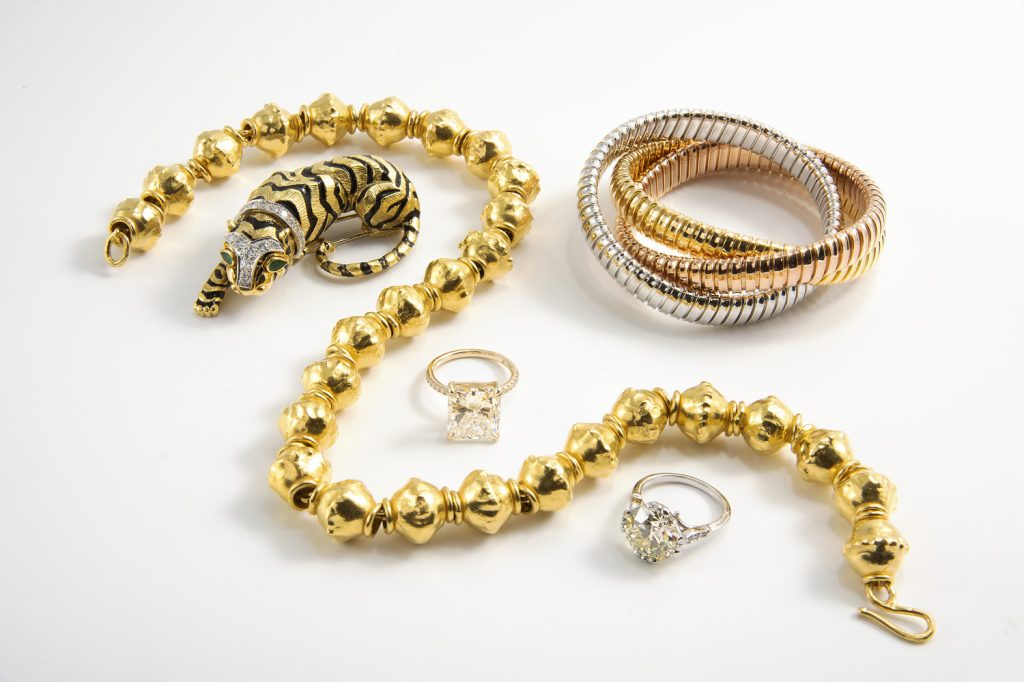
A high-end collateral loan uses a valuable item, usually a Rolex, a diamond piece, or gold jewelry, as the security for a short-term loan instead of a credit score or income statement. It works differently than a personal loan from a bank, and the differences matter: who approves it, how the item is valued, what rate you pay, and what legal protections apply to the paperwork all follow a separate set of rules from unsecured consumer lending. Understanding those rules before you sign anything is the difference between a straightforward transaction and a costly surprise.
Why Banks Decline the Same Collateral a Specialty Lender Accepts
A bank offering a personal loan is underwriting the borrower, not the object. Commercial banks that issue personal loans typically require a high credit score and a solid work history before approving anything, and that underwriting standard applies uniformly regardless of what collateral a borrower might offer. A bank loan officer isn’t trained to authenticate a Rolex reference number, grade a diamond, or test gold purity, so even a borrower with a six-figure watch sitting in a safe can be declined if their credit file doesn’t clear the bank’s own bar.
A specialty lender flips that equation. Because the loan is secured by an item with real, verifiable resale value, a lender with luxury watch and jewelry expertise can approve a loan based primarily on the collateral itself, with far less weight placed on credit history. That’s the practical reason a Rolex, a diamond ring, or a gold bracelet can get you a jewelry-backed loan approved in a single visit when the exact same item wouldn’t move a bank’s decision at all.
How a High-End Collateral Loan Is Appraised
Appraisal is where the process is won or lost, and it happens in layers. For gold and diamond items, a lender starts with verified metal content and stone quality, because federal rules require that gold be marked and described by its actual karat fineness, and prohibit misrepresenting the karat, the plating thickness, or the application method of any gold covering. That baseline standard exists specifically so an appraiser can’t round up a 10-karat clasp to 14-karat value or treat plated gold as solid.
From that verified starting point, the appraiser adds metal weight at a current benchmark price, then layers in brand, rarity, condition, and documentation. Here’s how that plays out numerically: a 100-gram bracelet in 14-karat gold, appraised against an October 18, 2026 spot gold price of $134.36 per gram, has pure metal content worth 100 x (14/24) x $134.36, or $7,837.67, before any brand or craftsmanship premium is added. That figure is the floor, not the offer. A Rolex is appraised differently still, because the reference number, bracelet configuration, box and papers, and current secondary-market demand for that specific model carry more weight than the case metal alone.
One practical point worth asking about directly: because spot metal prices move daily, the same piece can be valued meaningfully differently week to week. Ask whether the number you’re being offered is pegged to that day’s benchmark or to a rolling average, since that detail can shift your payout by hundreds of dollars on a larger piece.
Interest Rates and APR: What to Expect
Rate comparisons get confusing fast because collateral loans and unsecured personal loans aren’t priced the same way. The national average personal loan rate stood at 12.55% APR as of October 14, 2026, for a borrower with a 700 credit score on a three-year, $5,000 loan, with top-credit borrowers seeing rates as low as 5.96%. That rate depends entirely on your credit profile and repayment history.
A high-end collateral loan is priced differently: the rate reflects the lender’s confidence in the collateral’s liquidity and the loan’s term length, not your credit score at all. That’s an advantage for a borrower with uneven credit but a genuinely valuable asset, and it’s also why comparing a quoted monthly rate to a personal loan APR requires converting one to match the other. Always ask for the annualized rate, not just the monthly figure, so the two are actually comparable.
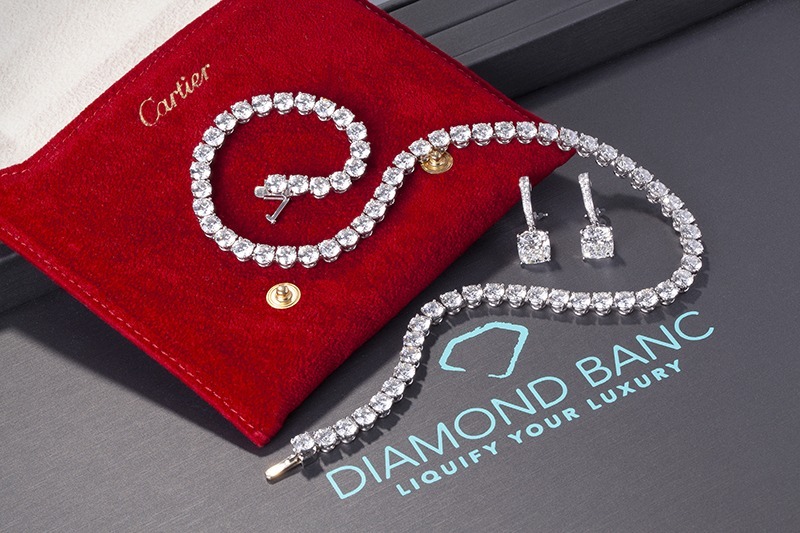
Legal Protections, Disclosures, and State Rate Caps
A collateral loan ticket isn’t an informal receipt. Federal consumer credit rules require that figure to be presented as a true annual percentage rate, not a bare monthly fee, along with the finance charge, the amount financed, and the loan term, so you can compare it against any other form of credit. Ask to see all four of those figures spelled out before you sign.
There’s an important exception worth knowing if you’re considering a large loan against a multi-piece watch or jewelry collection: standard federal APR-disclosure protections generally stop applying above a threshold that adjusted to $73,400 effective January 1, 2026, unless the loan is secured by real property or a primary residence. A loan against a serious watch or jewelry collection can realistically clear six figures, which means a large enough high-end collateral loan can fall outside the disclosure rules that protect smaller borrowers. That doesn’t make the loan illegitimate, but it does mean you should ask for the same APR, term, and fee disclosures in writing even when federal law doesn’t require it.
Below that federal layer, state law does most of the actual work. Interest rate caps and minimum redemption periods on pawn or collateral loans are set state by state, not nationally, and they vary enormously: a loan issued in one state might carry a very different maximum rate and grace period than the identical loan issued in another. Before you commit, ask specifically what your state allows and get the redemption window in writing. Most states also build in a minimum period, commonly measured in weeks, during which you retain the right to reclaim your item before it can be forfeited.
What Happens If You Can’t Repay on Time
This is the question people are often afraid to ask, and it’s the one that matters most. A collateral loan is non-recourse against your other assets: if you can’t repay, the lender’s remedy is the collateral itself, not your credit score or your other property. Most states require a grace period, typically measured in weeks, before an unredeemed item can be forfeited, and reputable lenders will also offer the option to extend or renew the loan rather than simply taking the item at the first missed deadline. Ask about renewal terms and any fees attached to them before you take the loan, not after you’ve missed a payment.
Does a Rolex’s Resale Premium Change Your Loan Amount
For watch owners specifically, yes, and this is where a specialty lender’s expertise shows up most clearly. Rolex is one of only three major watch brands still trading above original retail on the secondary market, with value retention measured at +6.7% above recommended retail as of a January 9, 2026 snapshot, down from 10% three months earlier but still positive, unlike most other luxury watch brands. Rolex’s own certified pre-owned program also generated $530 million in sales in 2025, with fourth-quarter sales up more than 60% year over year, which has given appraisers a much more institutional, data-backed benchmark for pricing a used Rolex than they had even a few years ago.
Practically, that means a steel sports model in strong demand can appraise for more than its case weight and stone content alone would suggest, something a generalist pawn shop isn’t set up to price correctly. A lender focused on Rolex-secured loans prices the reference number and current market demand directly, rather than falling back on scrap metal value, which is often the difference between a disappointing offer and one that reflects what the watch is actually worth today.
Choosing Between a Loan and a Sale
Not every valuable item needs to become collateral. If you don’t expect to want the piece back, selling it outright, for example through a direct Rolex sale, converts its full market value into cash with no interest, no term, and no redemption deadline to track. A loan makes sense when you want the cash now but intend to reclaim the item, and understanding your state’s redemption rules upfront helps you decide which path actually fits your situation. Reviewing how loan terms, rates, and payout structures work before you bring an item in is worth the ten minutes it takes.
It’s also worth reading up on what makes an item a strong loan candidate in the first place; pieces with verifiable brand, model, and condition data, the kind a specialty lender can price with confidence, tend to get stronger offers than generic jewelry. A deeper look at why banks pass on luxury assets that specialty lenders accept and at how asset-based loans work for high-end jewelry covers both sides of that decision in more detail.
What to Ask Before You Sign
- What is the full APR, not just the monthly rate, and does it include every fee?
- What redemption period does my state require before the item could be forfeited?
- Is the appraisal pegged to today’s benchmark metal price or an average, and can I see that benchmark?
- If I can’t repay on time, what’s my renewal or extension option, and what does it cost?
- Does the lender have model-specific experience with my exact item, not just general jewelry experience?
A high-end collateral loan can put cash in hand faster than a bank ever would, precisely because the lender is pricing the object in front of them rather than your credit file. Getting clear, written answers to those five questions before you sign is what keeps that speed from turning into a bad surprise later.
Like what you’re reading?
Add us in Google — more like this is on the wayRelated Posts
 Instagram
 Facebook
 Tiktok
 YouTube