When it comes to a big investment, like an engagement ring, it’s normal to look for the best deal available. But while you’re shopping for discounts, make sure to consider why a ring is discounted. In almost every instance, a diamond alternative or substitute doesn’t have the inherent value of a diamond.
Before you consider buying a diamond alternative, make sure you understand what you’re investing in. Diamond alternatives are good deals in the short term. However, if you wanted to resell a diamond substitute to buy a new ring or use it as collateral on an asset-based loan, you could not. With diamond substitutes, you’re paying purely for looks, not luxury materials.
What is a Diamond Alternative?
Moissanite: Moissanite is a naturally occurring gem that resembles diamonds but is very rare. Since it is so rare, almost all available moissanite is lab-grown. At the surface level, moissanite looks similar to a diamond, but quality factors including color, brilliance, and shine differ.
Moissanite does not have the unique carbon structure found in diamonds, which makes light bounce throughout the stone, creating sparkle. Instead, light bounces off of moissanite in rainbow hues, an effect some compare to a disco ball. The two stones differ in color as well. A certified colorless diamond is truly colorless and shines bright white. Moissanites project a slightly grey or yellowish hue.
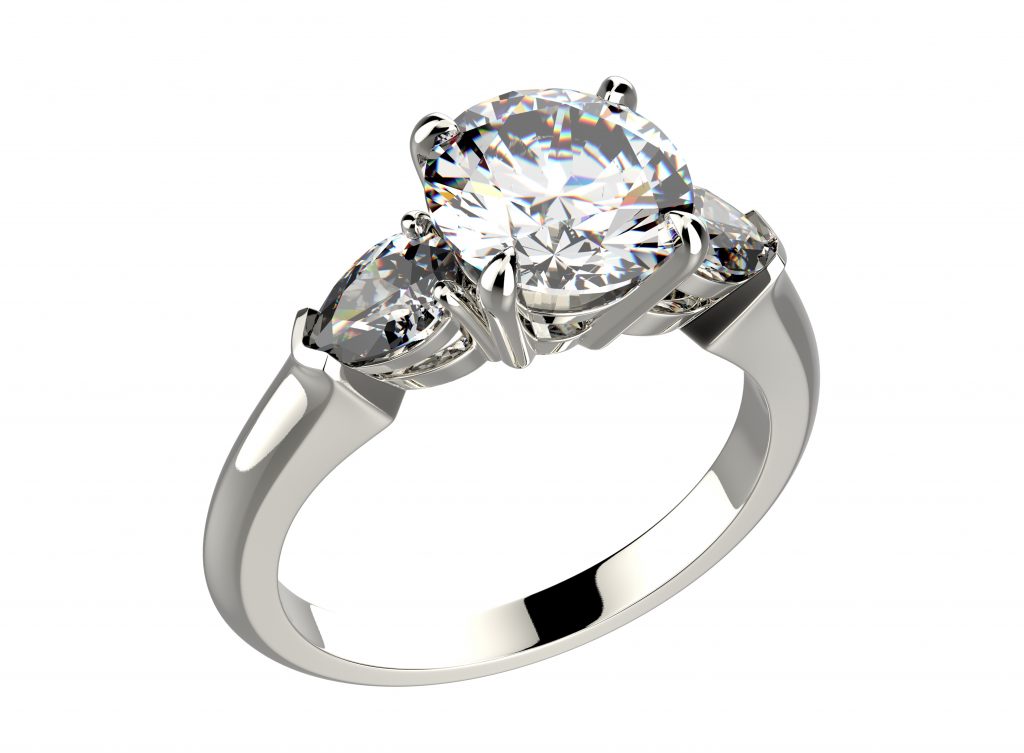
Cubic Zirconia: Cubic Zirconia might be the most well-known diamond alternative. Like its primary and newer competitor, Moissanite, it is also lab-created. The biggest difference between cubic zirconia and diamonds is their durability. With daily wear, a cubic zirconia ring will likely be scratched and may crack or burn in high temperatures.
Cubic zirconia is also much heavier than a diamond and shines in the colors of the rainbow like moissanite.
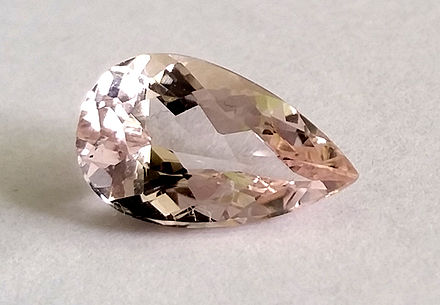
Morganite: Morganite is a peachy-pink beryl stone that has become a popular alternative to diamonds. They do not shine as brilliantly as diamonds, but large morganite stones are relatively inexpensive.
Sapphire: Sapphires are a prized, naturally occurring stone with a blue hue. They are considered a slightly cheaper and more unique alternative to diamond engagement rings.
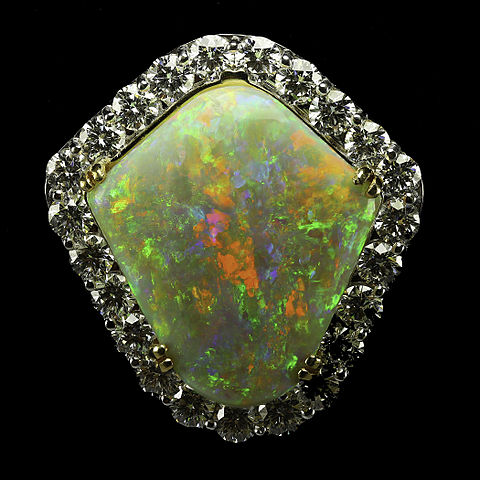
Opals: Opals are famous for their milky, sparkly hue. Their flash and shine is similar to a diamond, but they are too soft to be worn every day as an engagement ring.
What’s the Resale Value?
Out of the diamond substitutes above, the only ring jewelry buyers might consider purchasing would be the sapphire ring. If a GIA-accredited sapphire stone had a strong hue and was large enough, around 2.0 carats, Diamond Banc would consider buying the piece. The proper paperwork and certification will increase a sapphire stone’s value.
Most diamond substitutes do not retain any value once you walk out of the store with them. Lab-created stones, like cubic zirconia, are so abundant that they don’t attract much interest in the jewelry-buying industry.
Unconventional Diamonds
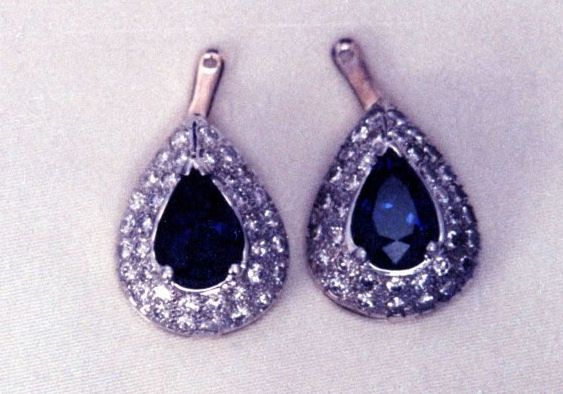
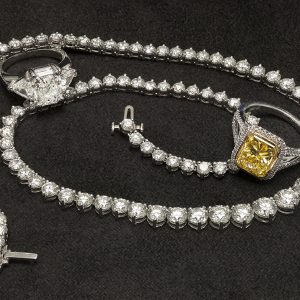
Pave: A pave setting is made up of many small diamonds set closely together, so that the underlying metal does not show through. Jewelers use tiny diamond chips that would otherwise be disposed of in pave settings. Then charge the customer astronomically more than what they’re worth. A single tiny pave diamond is worth about 5 dollars, but you could pay up to $100.
Pave settings are popular because they look like a large diamond without the price tag. One popular style called halo rings has a small center stone surrounded by a ring, or halo, of pavé diamonds to increase the shine and brilliance.
Raw Diamonds: Engagement rings set with raw diamonds are becoming more common. A raw diamond is a stone that hasn’t been cut and polished to give the stone the brilliance and shine that diamonds are prized for. Raw diamonds have a milky color and rough exterior.
Chocolate Diamonds: Colored diamonds, like dark brown chocolate and yellowish champagne diamonds, actually have very little value. The industry prizes diamonds as close to colorless as possible. These colors are not usually considered “fancy” colors, like yellows, greens, blues, pinks, etc.
What’s the Resale Value?
Although these diamonds are technically still the same chemical composition as the more expensive gems we value, the size and color make them undesirable to buyers.
Pave chips are too small to be used in anything other than pave. Pave stones are usually considered scrap material because there is a huge abundance of small diamond fragments. Raw diamonds are not of interest to diamond buyers because the size is exaggerated. Once the stone is cut and polished, the carat weight will diminish. It is also difficult to predict the quality, clarity, and color of a diamond from the raw gem.
Buying a diamond alternative might make the most sense for you. Make sure you do your research ahead of time to know exactly what you’re buying.
Like what you’re reading?
Add us in Google — more like this is on the wayRelated Posts
 Instagram
 Facebook
 Tiktok
 YouTube