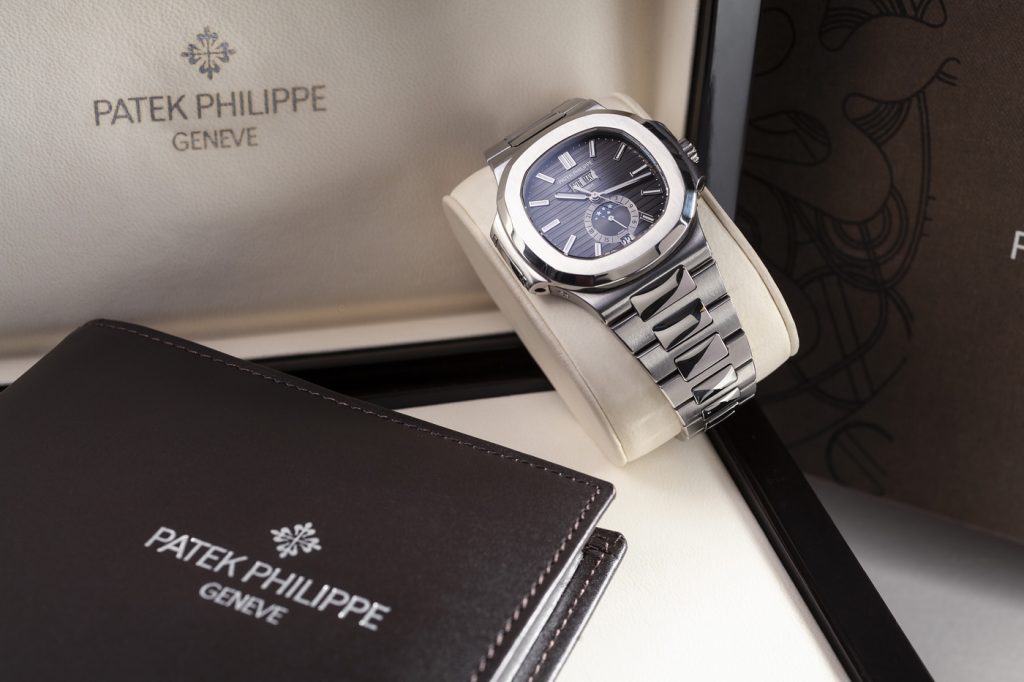
Astor’s Patek Philippe watch is drawing renewed attention to how provenance, rarity, and condition shape luxury watch value. Diamond Banc helps clients nationwide unlock liquidity from Patek Philippe and other luxury watches through expert evaluations, immediate purchase offers, and watch equity loans. For owners across the U.S., this headline-making auction is a timely reminder that a historically notable timepiece may carry far more market significance than its appearance alone suggests.
If you own a Patek Philippe, vintage watch, or important family timepiece and want a private, professional assessment, Diamond Banc offers a discreet way to understand your options before you sell or borrow against it.
The John Jacob Astor IV Patek Philippe Watch and Why This Auction Matters
Astor’s Patek Philippe watch matters because it combines elite watchmaking, historic ownership, and public auction visibility in one remarkable piece. When a timepiece tied to John Jacob Astor enters the market, collectors, investors, and owners of comparable watches pay attention because it can influence how provenance is discussed and valued.
The 18k gold Patek Philippe pocket watch recovered from Astor’s body after the sinking, originally retailed by Tiffany & Co. in 1904, went under the hammer at Freeman’s Auction in Chicago on April 22, 2026. According to Artnet News, the watch realized $1 million, more than double its presale high estimate of $500,000, while a gold pencil case recovered alongside it sold for $204,800. In the world of watch auctions, a piece connected to one of America’s most famous families does more than attract headlines. It underscores how watch provenance, historical ownership, and rarity can elevate collector demand.
For clients with legacy collections and inherited luxury assets, stories like this often prompt an important question: what is my watch actually worth in today’s market? That answer depends on far more than brand name alone.
Why Collectors Watch Patek Philippe Auction Results Closely
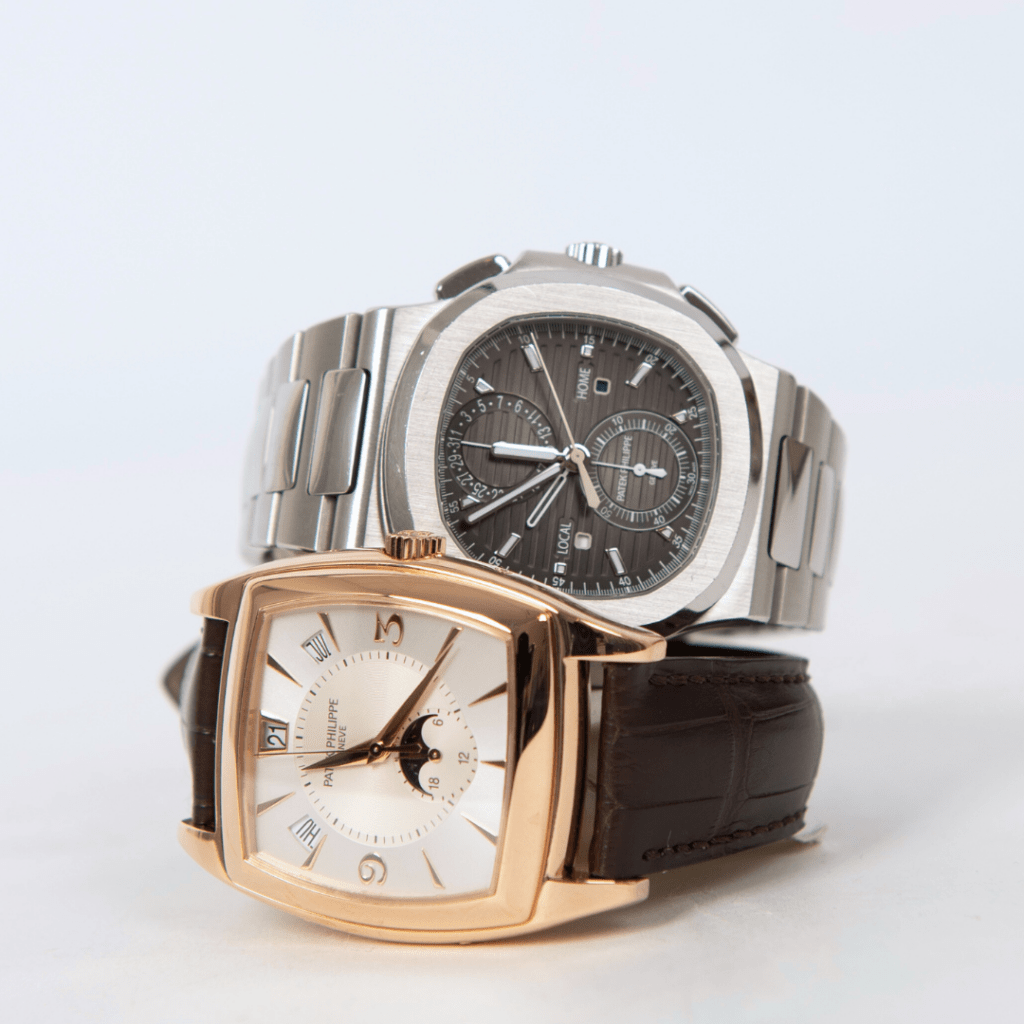
Patek Philippe auction results are closely watched because they can reveal shifts in collector appetite, pricing confidence, and demand for rare references. In major wealth centers across the country, owners often use notable public sales as a benchmark for whether it may be a good time to sell, consign, or borrow against a valuable watch.
Major U.S. cities have long been natural focal points for luxury watches, estate collections, and notable sales. When a historic Patek Philippe appears at auction, the ripple effects extend beyond one collector event. It reinforces broader market themes, including:
- Growing interest in vintage watches with documented history
- Continued demand for top-tier Swiss watchmaking
- Premiums tied to exceptional originality and condition
- The importance of trusted authentication and expert valuation
- Increased visibility for collectible watches with family or historical significance
For owners nationwide, these sales can help frame expectations, but they should never be treated as one-size-fits-all pricing guides. Our roundup of recent watch auction records looks at how other headline sales are shifting resale benchmarks across brands. A Patek Philippe Calatrava, Nautilus, complicated watch, or antique pocket watch may each perform very differently depending on details that are invisible to the untrained eye.
Why Patek Philippe Watches Command Premium Resale Values
Patek Philippe watches command premium resale values because the brand sits at the highest level of haute horlogerie. Limited production, enduring design, technical excellence, and deep collector demand all contribute to strong interest in both modern and vintage references.
Patek Philippe history begins in 1839, and the brand has become one of the most respected names in Swiss craftsmanship. The company is widely associated with refined design, mechanical innovation, and watch craftsmanship that appeals to both seasoned collectors and first-time buyers of important timepieces.
That collector demand shows up in current market data, too. Patek Philippe was the best-performing major brand in the secondary market through early 2026, with prices up roughly 16% year-over-year as of March 2026, led by the Nautilus and Aquanaut collections, according to WatchCharts. That kind of sustained appreciation is one more reason auction results like Astor’s watch draw such close attention from owners deciding whether to sell, hold, or borrow against a piece.
That collector demand shows up in current market data, too. Patek Philippe was the best-performing major brand in the secondary market through early 2026, with prices up roughly 16% year-over-year as of March 2026, led by the Nautilus and Aquanaut collections, according to WatchCharts. That kind of sustained appreciation is one more reason auction results like Astor’s watch draw such close attention from owners deciding whether to sell, hold, or borrow against a piece.
Several factors help explain why Patek Philippe often stands apart in the luxury watch market:
Prestige and brand heritage
Patek Philippe occupies a rare position in luxury. Its reputation was built over generations, not trends, which matters to collectors who prioritize legacy and long-term desirability.
Low production relative to demand
Compared with broader luxury watch brands, Patek Philippe remains relatively selective in output. Scarcity supports collector interest, especially for desirable references and discontinued models.
Exceptional finishing and movement quality
Whether a piece is simple or highly complicated, Patek Philippe is known for meticulous finishing, technical integrity, and enduring mechanical standards associated with elite Swiss watchmaking.
Strength in the collector market
Many Patek Philippe models have established active secondary-market demand. Certain vintage watches and historically important examples may attract especially strong attention.
Provenance and story
A watch tied to a famous owner, significant event, or well-documented family history may deserve closer scrutiny. This is exactly why Astor’s Patek Philippe watch is such a meaningful case study.
What Collectors Should Know About Selling Vintage Patek Philippe Watches
Selling a vintage Patek Philippe requires more than checking online asking prices. True value depends on authenticity, provenance, service history, originality, market demand, and whether the watch is best suited for private sale, auction, or a direct buyer with expertise in luxury watches.
If you are considering selling a timepiece from your collection, the following valuation drivers matter most:
Provenance
Watch provenance refers to the ownership history and documentation supporting a timepiece’s background. A link to a notable family, public figure, or important event can elevate collector interest, though the strength of that premium depends on the quality of the documentation.
Condition
Original dials, unpolished cases, matching components, and overall preservation can significantly affect resale value. Even small changes may matter in collectible watches.
Reference and rarity
Some references are simply more sought after than others. Limited production, unusual configurations, and discontinued models can all influence marketability.
Documentation and accessories
Original papers, service records, extract archives, and boxes may strengthen buyer confidence. While not every antique timepiece includes complete accessories, documentation is always helpful when available.
Current collector demand
The watch market moves in cycles. Even among luxury watches from the same brand, one reference may be rising in popularity while another is stable or softening.
Owners of inherited pieces often assume age alone creates value. In practice, rarity, originality, and desirability matter more than age by itself.
How Watch Investment Thinking Should Influence Your Next Step
Watch investment should be approached with discipline, not assumption. The strongest-performing timepieces tend to combine brand strength, rarity, documented authenticity, and sustained collector demand. Not every expensive watch is highly liquid, and not every old watch is especially valuable.
The auction around Astor’s Patek Philippe watch highlights an important distinction. A historically significant watch may achieve notable attention because it sits at the intersection of horology and cultural history. That does not mean every vintage Patek Philippe will mirror that outcome. However, it does reinforce why owners should seek expert analysis before deciding to sell, hold, or borrow against a piece.
If your watch is part of a broader timepiece collection, understanding its role within the market can help you make a more informed decision. Some owners prefer to sell outright. Others use a watch equity loan to access liquidity while retaining ownership. For the right client and the right watch, that flexibility can be valuable.
How to Get Your Watch Appraised Before Selling or Borrowing
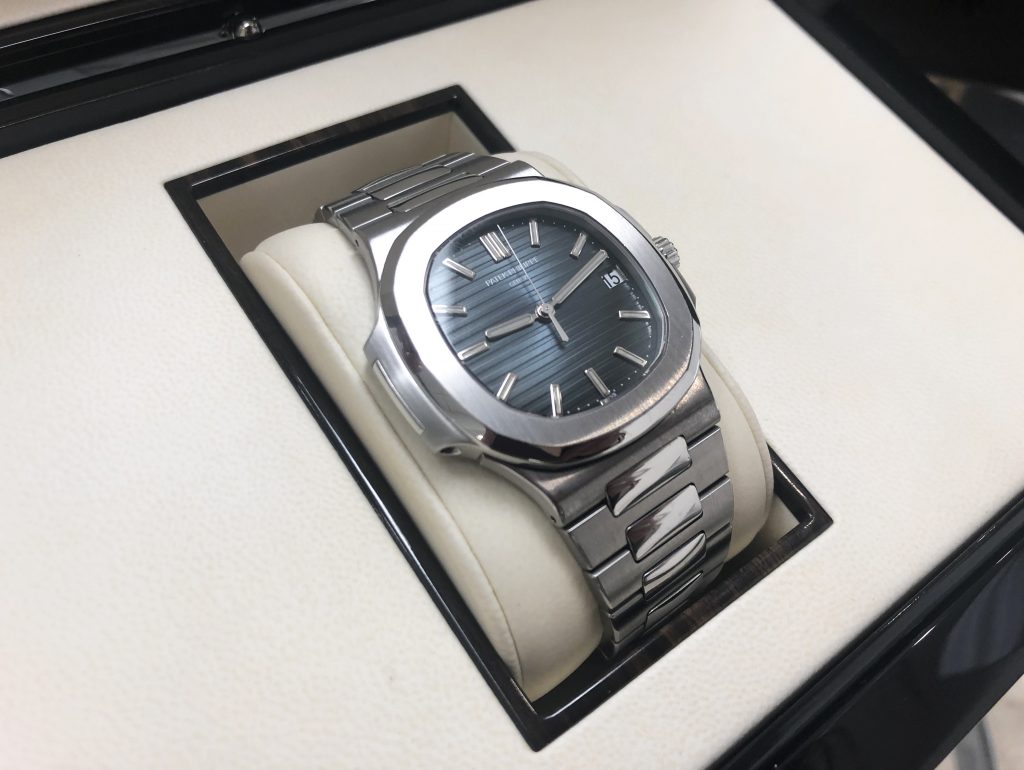
Before selling or borrowing against a luxury watch, you should have it evaluated by a specialist who understands both watch authentication and current resale demand. A proper appraisal looks at the watch itself, its documentation, its condition, and the market for that exact type of piece.
Here is a smart process to follow:
- Gather what you have
Bring the watch, box, papers, service records, receipts, and any family history tied to the piece. - Confirm authenticity
Authentication may involve reviewing hallmarks, serials, movement characteristics, dial details, and overall construction. - Assess originality and condition
Replaced parts, refinishing, or polishing can affect collector appeal and value. - Review market comparables
Serious valuation should consider actual market behavior, not just listing prices. - Discuss your objective
The best path may differ depending on whether you want an immediate sale, a consignment arrangement, or a loan secured by the watch.
Diamond Banc works with clients who want a confidential, professional evaluation of luxury watches, including important Patek Philippe pieces. If you want clarity before making a decision, a private consultation can help you understand realistic options.
Sell Your Patek Philippe or Borrow Against It With Confidence
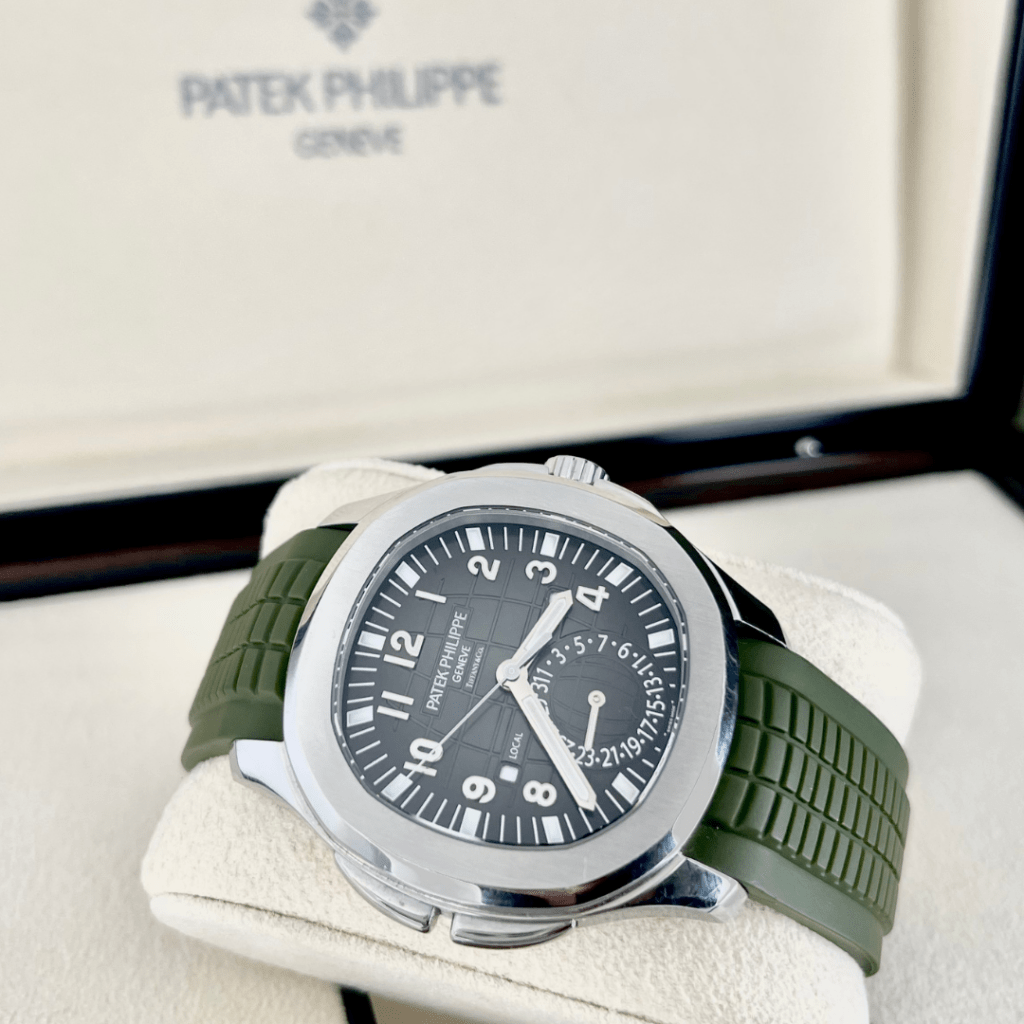
If you own a Patek Philippe, antique pocket watch, or other collectible watch, the right next step begins with expert evaluation. Diamond Banc helps clients understand the market value of luxury watches and compare their options in a discreet, straightforward setting.
Clients choose Diamond Banc because the process is tailored, informed by real market knowledge, and designed for owners who expect professionalism. Whether your watch is a family heirloom, part of an estate, or an individual collector piece, the goal is the same: help you understand what you have and what options make the most sense.
- Private consultations
- Expert review of luxury watches and collectible timepieces
- Options to sell outright or use your watch as collateral for a loan
- Transparent communication throughout the process
If the attention around Astor’s Patek Philippe watch has you wondering about your own timepiece, now is a good time to request a professional evaluation.
Start online or schedule a confidential consultation with Diamond Banc to discuss your Patek Philippe or other luxury watch.
Who was John Jacob Astor?
John Jacob Astor was a prominent American businessman, investor, and member of the wealthy Astor family. He is widely remembered for his real estate success and for his death aboard the RMS Titanic in 1912, which adds historic significance to objects connected to his life.
What makes Patek Philippe watches special?
Patek Philippe watches are admired for exceptional craftsmanship, timeless design, and technical innovation. Founded in 1839, the brand is a leading name in haute horlogerie, known for exclusivity, refined finishing, and enduring collector appeal across both modern and vintage watches.
How much is an Astor’s Patek Philippe watch worth?
At auction, Astor’s Patek Philippe pocket watch realized $1 million against a presale estimate of $300,000 to $500,000, according to National Jeweler. That result shows how condition, authenticity, documentation, and buyer demand at the time of sale can push a historically significant piece well past its estimate. Historically important ownership can meaningfully increase interest, but the final market value is still determined by competitive bidding and supporting provenance.
Where can I sell antique Patek Philippe watches?
Antique Patek Philippe watches are typically purchased through major auction houses, established luxury watch dealers, and select private sellers. Buyers should prioritize authenticity, condition reporting, and documented provenance, especially when evaluating rare antique timepieces or watches tied to famous owners.
What is the history of Patek Philippe?
Patek Philippe was founded in 1839 and became one of the most respected names in Swiss watchmaking. The brand is known for mechanical innovation, elegant design, and meticulous finishing, with a legacy that has made its timepieces central to serious collecting and luxury watch history.
Why are Patek Philippe watches considered a good investment?
Patek Philippe watches are often viewed favorably because of limited production, strong brand reputation, collector demand, and lasting design appeal. While not every reference performs the same way, many pieces benefit from enduring market interest, especially rare, desirable, and well-preserved examples.
How to authenticate a Patek Philippe watch?
Authenticating a Patek Philippe watch requires expert review of the movement, case, dial, serial numbers, hallmarks, and overall construction. Supporting documents, service records, and provenance also help. For meaningful valuation or a transaction, owners should seek evaluation from an experienced luxury watch specialist.
Like what you’re reading?
Add us in Google — more like this is on the wayRelated Posts

 Instagram
 Facebook
 Tiktok
 YouTube