You wouldn’t sell a valuable piece of art without consulting a gallery, so why would you sell a luxury watch on your own? Your timepiece is a significant asset, and getting the best return requires expertise, a network, and a trusted reputation. This is the role of a consignment partner. The process of luxury watch consignment is essentially hiring a dedicated agent to represent your watch in the market. They handle the professional photography, marketing, buyer vetting, and secure transaction. Freeing you from the complexities and risks of a private sale while connecting your watch with qualified collectors who are willing to pay top dollar.
Key Takeaways
- Decide between speed and value: Selling your watch outright offers immediate cash, but consignment can lead to a much higher return if you have the patience to wait for the right buyer.
- Prepare for a top offer: You can increase your watch’s value by gathering its original box and papers, as its final price depends on brand, condition, and current market demand.
- Vet your consignment partner: Choose a partner by verifying their reputation and track record, reviewing their contract for clear terms, and confirming they provide full insurance for your watch.
What is luxury watch consignment?
If you’ve decided to part with a high-end timepiece, you want to ensure you get the best possible price without the headache of finding a buyer yourself. That’s where luxury watch consignment comes in. Think of it as partnering with a trusted expert who sells your watch on your behalf. This third-party retailer or platform handles the entire process, from authenticating and professionally presenting your watch to marketing it to a wide audience of serious collectors.
This method allows you to leverage a consignor’s reputation, expertise, and network of qualified buyers, which is often difficult to access on your own. Instead of dealing with the complexities of private sales, you get a professional working to secure the highest value for your item. At Diamond Banc, we offer an elevated version of this process through our Seller’s Agent Service, where we act as your dedicated agent to find the ideal buyer and maximize your return. It’s a strategic way to sell that prioritizes your watch’s true worth.
How does consignment work?
The consignment process is designed to be straightforward for you as the seller. It begins when you provide your watch to a consignment dealer. From there, they take over the heavy lifting. A strong process involves a thorough appraisal to set a realistic market price, professional photography and marketing, and fielding inquiries from potential buyers. The consignor’s job is to position your watch perfectly to attract the right kind of attention.
Once a buyer is found and the sale is complete, the dealer handles the secure payment and transaction details. It’s important to understand that payment timing is a common point of confusion. You get paid after the watch is sold, not the moment you hand it over to the consignor. This waiting period allows the expert to do the necessary work to find the best offer for your timepiece. The first step is simply getting an initial offer to sell your jewelry or watch.
Consignment vs. selling outright
When you decide to sell your watch, you generally have two paths: selling it outright for immediate cash or consigning it. Selling outright offers speed and convenience. You receive a direct offer and get paid quickly, which can be appealing if you need immediate funds. However, this speed often comes at a cost, as outright offers are typically lower than what you might get through consignment.
Consignment requires more patience, but it can lead to a much higher payout. The process can take anywhere from 60 to 120 days as your agent works to find the perfect buyer willing to pay top dollar. This strategic approach gives your watch exposure to a larger market of collectors and enthusiasts. By waiting for the right offer instead of taking the first one, you’re more likely to realize your watch’s full market value. Exploring all your liquidity options can help you decide which path best fits your financial goals.
Why consign your luxury watch?
When you decide to part with a luxury timepiece, you have a few paths you can take. Selling it outright is fast and straightforward, giving you immediate cash. However, if your main goal is to get the highest possible price, consignment is an option you should seriously consider. Think of it as forming a strategic partnership with an expert whose job is to find the perfect buyer for your watch. This approach trades instant payment for a larger final payout, leveraging a professional’s resources and market knowledge to your advantage. It’s a process built on patience and maximizing value, not just speed.
Unlike a direct sale where a buyer needs to purchase at a price low enough to resell for a profit. Consignment aligns everyone’s interests toward achieving the highest sale price. Your consignment partner handles the intricate details of the sale, from professional photography and marketing to vetting potential buyers and managing the final transaction. This frees you from the complexities and risks of selling on your own while giving your watch the best possible chance to sell for what it’s truly worth. It’s about choosing a path that respects the value of your asset and rewards your patience with a better financial outcome.
Earn a higher return
The most compelling reason to consign your watch is the potential for a significantly higher payout. When you sell a watch directly to a buyer, they purchase it at a wholesale price, planning to resell it for a profit. With consignment, you and your partner are working together to sell it closer to its retail market value. This structure aligns your goals: the consignment specialist is motivated to secure the best price because their commission is a percentage of that final sale. Our Seller’s Agent Service is designed around this principle, ensuring we work to get you the top dollar the market will bear, rather than what a dealer would pay for inventory.
Reach qualified buyers
Finding the right person to buy a high-end watch can be a job in itself. Listing it on a public marketplace often attracts lowball offers, scammers, and a lot of questions from people who aren’t serious buyers. A reputable consignment partner completely removes this obstacle. They have an established network of vetted collectors and enthusiasts who are actively looking for premium timepieces. By consigning, you tap directly into this exclusive market. Your watch is presented professionally to an audience that already appreciates its quality and is prepared to pay for it. Which is a core part of how we help you sell your jewelry and watches effectively.
Enjoy a hands-off process
Selling a luxury item involves more than just finding a buyer. It requires professional photography, writing compelling descriptions, marketing, answering inquiries, negotiating prices, and handling secure shipping. Consigning your watch lets you delegate all of that work to an expert. The process becomes incredibly simple for you: you provide the watch, and the consignment service manages every step of the sale. This hands-off approach is perfect if you value your time and want peace of mind knowing every detail is handled professionally. It’s one of the many ways we provide comprehensive liquidity options that fit your life, letting you achieve a successful sale without the stress.
What determines your watch’s value?
Figuring out what your luxury watch is worth involves looking at several key factors. It’s not just about the name on the dial; it’s a combination of its identity, its life story, its completeness, and its current popularity. Each element plays a crucial role in the final valuation, and understanding them will help you set realistic expectations whether you plan to sell or get a loan. Think of it as building a complete profile of your timepiece, where every detail adds to its unique value proposition.
A watch that looks simple on the surface could have a hidden value based on its rarity. While a flashy piece might be worth less than you think if it’s in poor condition. Getting an accurate appraisal means looking at the whole picture, from the brand’s reputation to the tiny scratches on the case. This is why two watches of the same model can have vastly different values. Let’s walk through the four main components that experts consider when they evaluate a luxury watch.
Brand and model
A luxury watch is far more than a tool for telling time; it’s a piece of art and a statement of personal style. The brand is the foundation of its value. Prestigious names like Rolex, Patek Philippe, and Audemars Piguet have a long history of exceptional craftsmanship and innovation, which makes them consistently sought after by collectors and enthusiasts. Beyond the brand itself, the specific model matters immensely. Certain models, like a Rolex Daytona or a Patek Philippe Nautilus, are icons that often carry a higher value. Limited editions, discontinued pieces, or models with unique features can also command a premium price due to their rarity.
Condition and history
To get the best price for your watch, you need to provide potential buyers with comprehensive information about the timepiece. A watch in pristine, like-new condition will always be worth more than one with visible wear and tear. Scratches on the crystal, dents in the case, or a stretched bracelet can all lower the value. It’s also important to consider any repairs or part replacements; using original manufacturer parts for servicing is key. A documented service history shows the watch has been well-cared for. The watch’s personal history, or provenance, can also add value, especially if it has a unique story or was owned by someone notable.
Original box and paperwork
If you still have the original packaging that came with your luxury watch, hang on to it. Having the complete set, often called “box and papers,” can significantly increase your watch’s resale value. This includes the original presentation box, warranty card, instruction manuals, and even the original sales receipt. Why is this so important? These items help prove the watch’s authenticity and origin, giving a potential buyer peace of mind that they are purchasing a legitimate timepiece. For collectors, a complete set is far more desirable and signals a well-preserved and cherished watch, making it a much easier and more profitable sale.
Market demand
One of the biggest challenges when you sell a luxury watch is knowing its current market value. Prices can fluctuate depending on demand and brand popularity. The watch market is dynamic, with trends that can shift based on new releases, celebrity sightings, and online buzz. A watch that was incredibly popular five years ago might be less so today, or a vintage model could suddenly see a surge in interest. This is the most difficult factor for an individual to track. Working with a partner who understands these market dynamics is essential for pricing your watch correctly. A dedicated Seller’s Agent Service provides this expertise, ensuring you get the best possible return.
Which watch brands are in demand?
In the world of luxury watches, the name on the dial is one of the biggest factors in determining resale value. While your personal taste is what matters most when you wear a watch, the market has clear favorites. Certain brands have built such a powerful reputation for quality, history, and design that they consistently attract eager buyers. This demand is what makes consignment such a viable option for sellers. When you have a watch from a sought-after brand, you can tap into a global network of collectors and enthusiasts who are actively looking for that exact piece. Understanding which brands are currently trending can give you a better idea of your watch’s potential and help you set realistic expectations for its sale. Knowing this information helps you make the best decision for your financial goals, whether you choose to sell outright or use a consignment service.
Rolex
Rolex is often the first name that comes to mind when people think of luxury watches, and for good reason. The brand’s reputation for precision, durability, and timeless style has created a massive and energetic secondhand market. This isn’t just about brand recognition; it’s about trust. Buyers know that a Rolex is a well-made timepiece that holds its value exceptionally well. Because of this constant demand, pre-owned Rolex watches are always sought after. For a seller, this is great news. It means there’s a large pool of qualified buyers ready to pay a premium for your watch, making it one of the most reliable assets to sell or borrow against.
Patek Philippe
If Rolex is the king of mainstream luxury, Patek Philippe is the connoisseur’s choice. Known for its incredibly complex mechanics and elegant designs, Patek Philippe produces watches in much smaller quantities. This deliberate scarcity, combined with the brand’s long and storied history, creates an air of exclusivity that collectors find irresistible. Many Patek Philippe models are seen as investments, often appreciating in value over time. If you own a Patek Philippe, you have a piece that is highly coveted in the luxury market. Consigning a watch like this gives you access to the very specific, high-end buyers who understand and are willing to pay for its true worth.
Audemars Piguet
Audemars Piguet holds a special place in the hearts of watch enthusiasts, largely thanks to its iconic Royal Oak model. When it was introduced in the 1970s, its bold, octagonal design changed the game for luxury sports watches. And it remains one of the most recognizable and desired timepieces in the world. The brand’s commitment to innovative design and impeccable craftsmanship has cultivated a loyal following. This means that specific Audemars Piguet models, especially the Royal Oak and its variations, have a dedicated fan base actively searching for them on the pre-owned market. This built-in demand makes them excellent candidates for consignment.
Other notable brands
While Rolex, Patek Philippe, and Audemars Piguet are often called the “holy trinity” of watchmaking, they aren’t the only names that carry weight. Brands like Cartier, known for its iconic designs like the Tank and Santos, have a huge following in both the jewelry and watch worlds. Similarly, Omega has a rich history tied to space exploration and the Olympics, giving its timepieces a unique story that appeals to many buyers. Even brands like TAG Heuer have popular models that perform well on the secondary market. An expert can help you get the highest possible return for these pieces through a specialized program like a Seller’s Agent Service, connecting your watch with the right buyer.
How to prepare your watch for consignment
Putting in a little effort before you consign your watch can make a big difference in your final payout. Taking the time to organize your paperwork, understand your watch’s value. And prepare for the authentication process will help you and your consignment partner achieve the best possible price. Think of it as staging a home before a sale; you’re presenting your watch in the best possible light to attract serious, qualified buyers.
Gather your documentation
Before you hand your watch over to anyone, it’s a good idea to do a quick inventory of what you have. The original box, warranty cards, sales receipts, and service records are incredibly valuable to collectors. This collection of items, often called a “full set,” proves the watch’s history and authenticity, which can significantly increase its final sale price. Don’t worry if you don’t have everything, but the more original items you can find, the better. When you work with a program like our Seller’s Agent Service, having these materials ready helps our experts market your timepiece effectively to our network of buyers.
Research your watch’s market value
Setting the right expectations is key to a successful consignment experience. To get a fair price, you need a clear idea of your watch’s current market value. You can start by looking at recent sales of the same make and model on reputable auction sites. However, an appraisal from a certified watchmaker or trusted jeweler will give you the most accurate understanding of your watch’s value. This professional assessment considers its condition, rarity, and current demand. The first step in our process is to provide you with an initial offer so you have a solid baseline from the very beginning.
Understand the authentication process
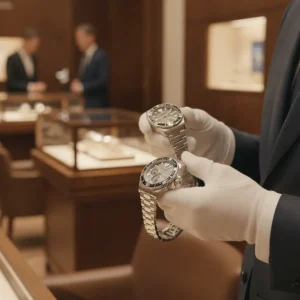
Authentication is a critical step that protects you, the consignment partner, and the future buyer. Selling a luxury watch requires proper documentation and authentication to maximize its value and ensure a smooth transaction. During this process, an expert will carefully inspect the watch’s movement, serial numbers, case, and dial to confirm every component is genuine and functions correctly. This verification is what allows a consignment service to guarantee the watch’s authenticity, building trust with potential buyers and justifying a premium price. You can often have this done by visiting a local expert’s office for a secure, in-person evaluation.
What to expect from the consignment process
Once you’ve decided to consign your watch, the process itself is fairly straightforward, though it requires patience. It’s not about a quick sale; it’s about a strategic one. Working with a consignment partner means they handle the heavy lifting of finding the right buyer who will pay the right price. The journey typically unfolds in three key stages: appraisal, marketing, and the final sale. Understanding each step helps you set realistic expectations and feel confident that your valuable timepiece is in good hands.
Appraisal and valuation
The first step is a thorough and transparent appraisal. Before your watch can be listed, an expert needs to determine its fair market value. This isn’t just a quick glance; a professional will carefully inspect your watch’s condition, confirm its authenticity, and research its brand, model, and rarity. Having the original box and papers can significantly add to the value, so be sure to bring them. This detailed evaluation ensures your watch is priced accurately for the market, which is crucial for attracting serious buyers. A trustworthy partner will walk you through their findings, so you understand exactly how they arrived at the proposed listing price.
Marketing and selling
After you agree on a price, your consignment partner takes over. This is where their expertise really shines. They will handle professional photography, write compelling descriptions, and strategically market your watch to a network of qualified buyers and collectors. This is far more effective than trying to find a buyer on your own. A great partner, like one offering a Seller’s Agent Service, positions your watch in the best possible light to capture its unique story and value. They manage all inquiries, vet potential buyers, and handle negotiations, creating a secure, hands-off experience for you while working to achieve the highest possible return.
Final sale and payout
The final stage can be the most challenging part: waiting for the right offer. Consignment sales don’t happen overnight; it can take weeks or even months to connect your watch with the perfect buyer who is willing to pay its full value. Rushing the process often means accepting a lower price. Once a sale is finalized and the transaction is securely completed, your consignment partner will deduct their agreed-upon fee from the final sale price. The remaining balance is then paid out to you. If waiting for a sale isn’t the right fit for your timeline, you can always explore other liquidity options that provide immediate funding.
How do consignment fees and agreements work?
Once you’ve found a potential consignment partner, the next step is to understand their terms. This is where the paperwork comes in, and it’s the most important part of the process. The consignment agreement is a contract that outlines every detail of your arrangement, from the fees you’ll pay to the timeline for selling your watch. It’s designed to protect both you and the consignor, so it’s crucial to review it carefully and ask questions about anything that isn’t crystal clear. Don’t be afraid to take your time here; a reputable partner will want you to feel completely comfortable before moving forward.
Common fee structures
The most common way consignment partners get paid is through a commission, which is a percentage of the final sale price. This fee can vary quite a bit, often depending on the value of your watch; higher-value pieces may command a lower commission rate. It’s also important to clarify the payout timing. A common misunderstanding is that you get paid the moment your watch sells online. In reality, there’s usually a processing period or return window that needs to close before funds are released. You should also discuss how long the sale might take, as it’s rare for a luxury watch to sell in just a few days. A good partner will be transparent about their fee structure and give you a realistic sales timeline.
Key details in your contract
Your consignment contract should leave no room for surprises. Before you sign, make sure you have a complete inventory of what you’re providing, including the watch, box, and any paperwork. The agreement itself should clearly state the consignment period (how long the partner has to sell your watch). The minimum price you’re willing to accept, and what happens if the watch doesn’t sell. It must also detail the insurance coverage for your watch while it’s in their possession. A strong consignment process includes realistic pricing, high-quality marketing, and clear terms of sale. Reading the fine print ensures your valuable asset is handled exactly how you expect.
Common myths about watch consignment
When you’re thinking about consigning a luxury watch, it’s easy to get tripped up by misinformation. The process can seem a little mysterious, and a few common myths often keep people from making the best decision for their asset. Let’s clear up some of the biggest misconceptions so you can move forward with confidence and clarity. Understanding the reality of consignment helps you set the right expectations and choose a partner you can trust with your valuable timepiece.
“My watch will sell instantly”
It’s a wonderful thought: you hand over your watch, and within days, the money is in your account. Unfortunately, that’s rarely how it works. One of the most persistent myths is that a desirable luxury watch will find a buyer almost immediately. The truth is that the consignment process takes time. Finding the right buyer who is willing to pay the right price requires patience. While a high-demand model might move faster, you should prepare for your watch to be on the market for weeks or even months. A good consignment partner will be transparent about this timeline from the start.
“All consignment services are the same”
Assuming every consignment service operates under the same rules is a common mistake. In reality, fee structures, marketing strategies, and payout schedules can vary dramatically from one company to the next. Some sellers mistakenly believe they’ll be paid the moment a buyer makes a purchase online. But the actual payment might not be processed until after a return period has passed. It’s so important to read the fine print and understand exactly how a company handles its sales. Services like Diamond Banc’s Seller’s Agent Service offer a more structured and transparent alternative, ensuring you know what to expect.
“You lose control of your watch”
Handing over a valuable asset can feel like a leap of faith. And many sellers worry they’ll lose all control over their watch once it’s out of their hands. This fear is often rooted in a general distrust of dealers, with some worrying that their watch will be used as inventory without their consent. While this is a valid concern, it’s not a given. Choosing a reputable partner with a solid track record is the key to a secure process. A trustworthy company will provide a detailed contract, proof of insurance, and keep you informed throughout the sale. Their established physical locations and transparent practices are signs that your watch is in safe, professional hands.
How to choose the right consignment partner
Trusting someone else with your luxury watch is a big step. The right partner can make the process smooth and profitable, while the wrong one can lead to frustration and a lower payout. Finding a consignor isn’t just about who will take your watch. It’s about finding an expert who understands its true value and has the network to sell it for the best price. Before you hand over your timepiece, it’s essential to vet potential partners carefully. Look for a company that is transparent, secure, and has a proven history of success. Taking the time to research your options will give you peace of mind and help you maximize your return.
Reputation and track record
First, look into a company’s history. A trustworthy consignment partner will have a solid reputation and a long track record of successful sales in the luxury watch market. You can often find this information through customer reviews, testimonials, and by looking at their past sales. An experienced partner understands the nuances of market timing, proper documentation, and authentication, all of which are critical for getting you the highest possible offer. Don’t hesitate to ask about their experience with your specific watch brand. An established partner with physical offices and a history of positive feedback is always a safer bet than a faceless online-only operation with little public history. The same vetting applies if you decide to sell outright instead — see our guide to the most reputable companies that buy used Rolex watches.
Security and insurance
Your watch is a significant asset, so security should be a top priority. A reliable consignor will have a clear, multi-step process for protecting your item. This includes robust authentication procedures to confirm your watch’s legitimacy and protect both you and the future buyer from fraud. Ask them directly: What happens to my watch once it’s in your care? They should provide a clear answer about secure storage and, most importantly, insurance. Your watch should be fully insured for its market value from the moment it leaves your hands until the final sale is complete. A professional service will always prioritize the secure handling of your valuables and be transparent about their protective measures.
Red flags to avoid
Be on the lookout for warning signs that a consignment partner might not be the right fit. A major red flag is a lack of transparency. If a company is vague about its fees, sales timeline, or payment process, proceed with caution. For example, some sellers mistakenly believe they get paid the moment a buyer makes a purchase, but that’s rarely the case. A good partner will clearly explain their payout schedule. Another point to consider is the time it takes to sell. Consignment isn’t always fast. If a partner promises an instant sale, they may be overpromising. You want a team that sets realistic expectations and offers a clear, elevated process like a Seller’s Agent Service.
A better way to sell: Diamond Banc’s Seller’s Agent Service
While traditional consignment can be a good option, it often leaves you wondering if you received the best possible price or when your watch will actually sell. If you’re looking for a more strategic approach, it’s worth exploring a service that actively works on your behalf to maximize your return. This is where a dedicated agent can make all the difference, turning a passive waiting game into a proactive sales strategy.
Diamond Banc’s Seller’s Agent Service is designed to be that solution. Think of it less like standard consignment and more like hiring a luxury market expert to represent you and your timepiece. We act as your advocate, leveraging our industry expertise and global network to find the ideal buyer who will pay the highest possible price for your watch. We handle every detail of the selling process, from professional photography and compelling listings to navigating negotiations with potential buyers. This ensures your watch is presented in the best light to a qualified audience.
Our process is built on transparency and trust. Instead of simply listing your watch and waiting, we strategically market it to our exclusive network of top-tier buyers, including private collectors, retailers, and enthusiasts worldwide. Your valuable timepiece is fully insured and secure throughout the entire process, whether you visit one of our nationwide locations or use our fully insured mail-in service. With our Seller’s Agent Service, you gain a partner dedicated to achieving the true market value for your watch. Providing you with a seamless, secure, and ultimately more profitable selling experience.
Frequently Asked Questions
How long will it actually take to sell my watch? Patience is a key part of the consignment process. While it would be great if every watch sold in a few days, you should realistically expect it to take between 60 and 120 days. This timeframe allows your consignment partner to properly market your watch and find the right collector who is willing to pay its true market value. Rushing the sale almost always means accepting a lower price, so this strategic wait is designed to get you the best possible return.
What if I don’t have the original box or paperwork for my watch? While having the original box and papers, known as a “full set,” is ideal and can increase your watch’s value, it’s not a requirement. Don’t worry if you can’t find them. A reputable expert can still authenticate your watch based on its serial numbers, movement, and other unique characteristics. We can successfully sell many watches without their original packaging by verifying their legitimacy through our own expert evaluation.
Is consigning my watch the only way to get a higher value than selling it outright? Not at all. Traditional consignment involves listing your watch and waiting for a buyer to appear. A more proactive approach, like our Seller’s Agent Service, involves an expert actively marketing your watch to a global network of top-tier buyers. We act as your personal representative to generate interest and secure the highest possible price, which often results in a better outcome than standard consignment. It’s a more strategic and hands-on way to sell.
How do I know my watch is safe during the selling process? Handing over a valuable watch can feel nerve-wracking, which is why security should be your top priority when choosing a partner. A trustworthy company will provide a detailed contract and, most importantly, proof of full insurance coverage. Your watch should be insured for its entire market value from the moment it leaves your possession until the final sale is complete. This ensures your asset is completely protected against loss, theft, or damage.
What if I need money quickly but don’t want to accept a low outright sale price? This is a common situation, and you have more options than you might think. You don’t have to choose between a fast, low offer and a slow, high one. A great solution is to secure a Jewelry Equity Loan against your watch. This gives you immediate access to funds while our Seller’s Agent Service works on finding the perfect buyer. Once the watch sells for its maximum value, the loan is repaid from the proceeds, and you receive the remaining balance.
Like what you’re reading?
Related Posts
 Instagram
 Facebook
 Tiktok
 YouTube