Jewelry
A Guide to Jewelry: Definition, History, Materials, and Uses
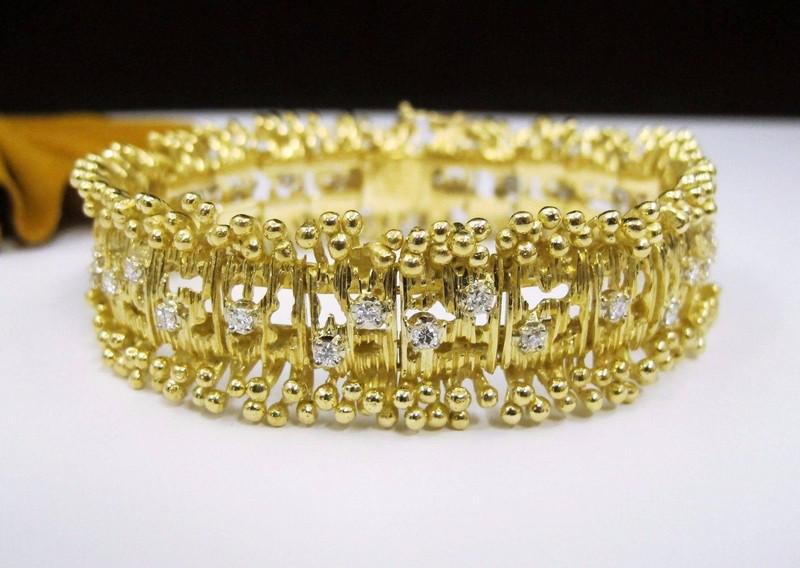
Jewelry represents a powerful mix of art, culture, and personal expression. This guide gives a factual and complete understanding of jewelry’s essential meaning, long history, various materials, and practical uses. Jewelry goes beyond simple decoration; it acts as a strong symbol of status, wealth, and identity across all civilizations.
This detailed overview establishes jewelry as a universal art form that reflects human creativity and cultural traditions. The sections ahead will give a precise, step-by-step look at every crucial aspect of this topic.
Jewelry includes ornamental items worn for personal adornment. Jewelers typically make these items from precious metals, gems, and other quality substances. Jewelry has a thousand-year history. Simple natural decorations included shells and bones. With metallurgy, this craft developed into complicated gold and silver creations. Ancient cultures used jewelry at religious rites, burials, and for exchange.
Jewelry materials range from the strong platinum and pure gold to important gemstones like diamonds, rubies, and emeralds. Each material brings unique properties to the design and value of the final piece. A diamond ranks a 10 on the Mohs scale, which measures hardness. This ranking makes the diamond the hardest natural substance.
The uses of jewelry today remain extensive. People wear it for fashion, as engagement and wedding rings, as family heirlooms, and as investments. Fine jewelry is a tangible asset that retains value over time.
Diamond Banc buys fine jewelry, diamonds, and watches, recognizing this asset’s enduring financial value. This comprehensive guide gives readers the exact knowledge to fully appreciate and understand the world of fine jewelry.
Table of Contents
- What Is Jewelry?
- What Is the History of Jewelry?
- What Are the Major Evolutions in the History of Jewelry?
- What Materials Are Used to Make Jewelry?
- What Are the Different Uses of Various Types of Jewelry?
- How Can You Maximize the Value of Your Jewelry When Selling?
- How frequently should jewelry be cleaned for the best shine?
- What is the safest method to clean jewelry at home?
- How do fine jewelry and fashion jewelry differ in quality and value?
- What should you know before buying gold jewelry?
- What does the term “karat” represent in gold jewelry?
- How can you tell if a gemstone is genuine or synthetic?
- Why are certain jewelry pieces treasured as family heirlooms?
- What laws regulate jewelry authenticity?
- Can you use any type of jewelry for collateral loans on jewelry?
- How can you check the worth of your diamond jewelry before selling?
- What jewelry styles are popular right now?
- Why is sustainable jewelry gaining popularity in today’s market?
What Is Jewelry?
Jewelry is a decorative ornament worn for beauty, identity, and tradition. People attach these valuable objects to their bodies or clothing for personal adornment. Jewelers craft the finest pieces from precious metals and gemstones. Jewelry is the main means of personal expression. It identifies the wearer as a social class, a wealthy individual, or a style icon.
Different pieces have cultural importance. For example, a marriage ring means commitment in many cultures. The jewelry was historically associated with power and was a tangible asset. It remains an important element of human tradition as well as visual communication.
What Is the History of Jewelry?
The history of jewelry spans more than 100,000 years, starting with simple natural objects. Early humans created the oldest known jewelry from beads made of Nassarius shells in Africa. Ancient civilizations like Egypt and Mesopotamia shaped the timeline greatly. Egyptians used gold extensively and valued pieces for ritual use and burial.
They created detailed collars and bracelets. The Romans popularized the use of gemstones and brooches to fasten clothing. During the Middle Ages, jewelry reflected rank and power, often featuring religious symbols.
The Renaissance brought back classical designs and emphasized detailed gold work. Modern jewelry uses new cutting techniques and materials. Today, people use jewelry for fashion and financial value. The continuous evolution shows jewelry’s deep and lasting role in human culture.
What Are the Major Evolutions in the History of Jewelry?
The major evolutions in jewelry history mark significant changes in art, culture, and technology. Jewelry designs, craftsmanship, and material use changed greatly from ancient adornments to modern innovations.
The major evolutions in the history of jewelry are divided into eras:
The Ancient Era
The Ancient Era saw humans move from bone and shell beads to metalworking. Egyptians mastered the use of gold around 3,000 BC. They invented techniques like cloisonné and granulation. Jewelry served highly religious and symbolic purposes in this period. Mesopotamian and Minoan cultures also created intricate gold work. These early pieces focused on large, visible symbols of power and status.
Classical and Medieval Eras
The Classical Era included both Greek and Roman cultures and saw jewelry becoming more common for personal use. Gemstones and brooches were popularly fastened by the Romans. In the Medieval Era, jewelry represented strict social hierarchies. Craftsmanship dealt with religious motifs and royal emblems. High society adopted elaborate filigree and enamel work.
Renaissance and Georgian Eras
The Renaissance brought a revival of classical art and a focus on gemstone cutting. Jewelers created detailed settings to show off the stones’ brilliance. The Georgian Era, spanning the 1700s, emphasized natural motifs like leaves and flowers. This period saw the rise of the rose-cut and table-cut diamond. Jewelry began to use more light and delicate designs.
Victorian and Art Nouveau Eras
The Victorian Era had different styles, often reflecting Queen Victoria’s long rule. Symbolic jewelry made of hair or specific gemstones became popular. At the end of the 19th century, Art Nouveau made brand new rules. It favored natural, flowing lines and new materials such as horn and glass. Artists focused on overall artistic design more than just the value of the materials.
The Modern Era
The Modern Era, including Art Deco and contemporary design, embraced clean lines and geometric shapes. Platinum became the metal of choice for its strength and color. Technological advancements now allow for precise CAD design and laser setting. Jewelers continue to push boundaries, creating highly unique pieces and using alternative materials. This era emphasizes both innovative design and the investment value of classic pieces like certified diamonds.
What Materials Are Used to Make Jewelry?
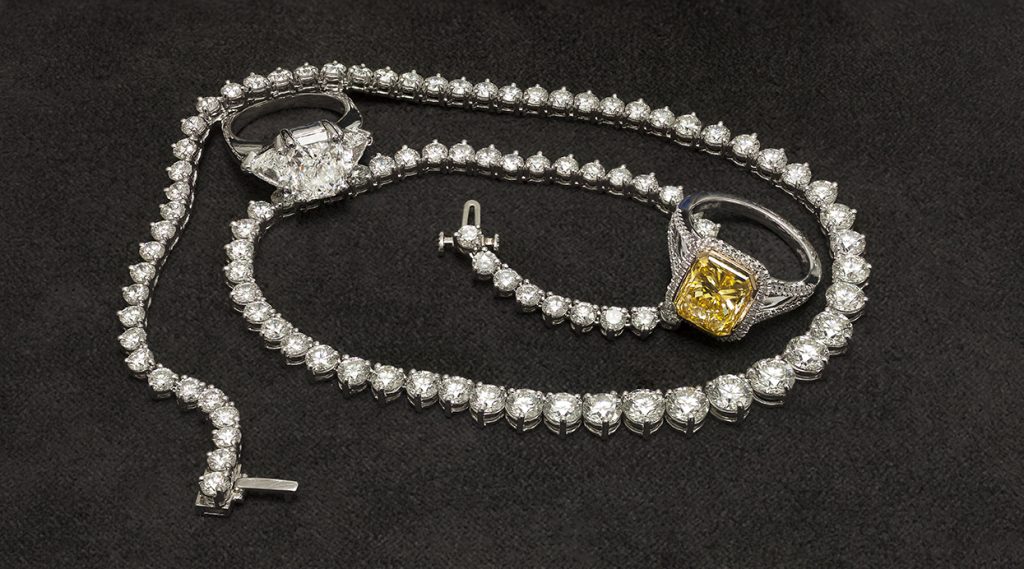
The materials used to make jewelry fall into three main groups: metals, gemstones, and organic elements. These determine what piece is beautiful, durable, and economical. Jewelers pick materials for strength, look, and cost. Framework materials are precious metals. Gemstones give your home color and shine. Organic alternative materials have their textures and styles.
The materials used to make jewelry are:
Gold
Gold is a soft, non-tarnishing metal used in fine jewelry for thousands of years. 24-karat pure gold is too soft for daily wear. Jewelers mix gold with copper or silver for strength. This mix yields alloys such as 14 or 18 karat yellow or rose gold. Gold has an intense, warm shine and is a good commodity. It remains the gold standard for investment jewelry.
Silver
Silver is a bright, white metal valued for its affordability and versatility in design. Pure silver is also too soft, so jewelers mix it with copper to create sterling silver. Sterling silver is 92.5% pure silver. Silver easily takes complex shapes and designs. Silver jewelry requires more maintenance than gold because the metal tarnishes over time. It remains popular for both fashion and traditional pieces.
Platinum
Platinum is a naturally white, dense, and highly durable precious metal. Platinum is 30 times rarer than gold and resists scratching better than other jewelry metals. Jewelers use platinum in high-end settings for diamonds and other valuable stones. The metal’s natural bright white color never fades. Platinum requires less maintenance than gold or silver, making it ideal for everyday wear, like engagement rings.
Diamonds
Diamonds are the hardest natural substance on Earth, famous for their brilliance and fire. Diamonds rank 10 on the Mohs hardness scale. They are made of pure carbon atoms arranged in a crystal structure. Jewelers cut and polish diamonds to maximize light return, which creates their sparkle. Diamonds are the most popular gemstone for engagement rings and hold significant financial value.
Rubies
Rubies are deep red gemstones known for their intensity and rarity. A ruby is a type of mineral called corundum, which gets its red color from the element chromium. Rubies rank 9 on the Mohs scale, making them very durable. High-quality rubies command extremely high prices, often rivaling diamonds. They symbolize passion and protection in many cultures.
Emeralds
Emeralds are green gemstones prized for their distinct color and transparency. Emeralds are a type of mineral called beryl, with their color coming from traces of chromium and vanadium. Jewelers often cut emeralds in a specific rectangular shape, called the emerald cut. Emeralds score 7.5 to 8 on the Mohs scale. The stone often features natural inclusions, which jewelers call the “jardin,” or garden.
Coral
Coral is an organic gemstone formed from the skeletons of small marine polyps. Jewelers use both red and white coral for beads and carvings. Red coral is especially valued, historically symbolizing protection from evil. Coral is a soft material, scoring only 3 to 4 on the Mohs scale. This material requires careful handling to prevent damage and scratching.
Glass
Glass is a versatile, non-crystalline solid used to create affordable or artistic jewelry. Jewelers use glass to imitate valuable gems, or they shape it into unique, colorful beads and pendants. Lampworking is a technique where artists melt and shape glass rods into detailed designs. Glass scores about 5.5 on the Mohs scale. It allows for a vast array of colors and visual effects.
Ceramic
Ceramic is a highly durable, modern material made from heating non-metallic minerals. High-tech ceramic, often seen in watch cases and rings, resists scratches and is very lightweight. The material comes in colors like black and white. Ceramic rings are hypoallergenic and maintain a smooth, polished finish. It represents a durable, contemporary choice in jewelry.
Titanium and Stainless Steel
Titanium and stainless steel are strong, cheap, and resistant to corrosion. These metals are contemporary alternatives to gold and silver for men’s jewelry and watches. It is very light and three times stronger than steel. Hypoallergenic stainless steel keeps its shine. Both are tough without being expensive like precious metals.
Jewelry crafting relies on a combination of durable metals like gold and platinum, brilliant gemstones like diamonds and rubies, and unique organic and modern materials to ensure lasting beauty and value.
What Are the Different Uses of Various Types of Jewelry?
The different uses of various types of jewelry span functional, emotional, and social purposes. Jewelry symbolizes beauty, love, identity, and status across many cultures and occasions. A single piece of jewelry holds value as a personal item, a cultural marker, and a financial asset. Jewelry connects personal feelings with public recognition.
The different uses of various types of jewelry are:
Decoration and Adornment
Jewelry serves as the oldest form of personal decoration. People wear rings, earrings, and necklaces. Adornment expresses a person’s style and taste. Fashion jewelry is temporary beauty that goes with the trends. And fine jewelry has lasting appeal.
Symbol of Love
Jewelry represents love and commitment. An engagement ring promises marriage. A wedding band symbolizes union for life. Jewelry exchanged on anniversaries symbolizes a continuing relationship. Rings, pendants, and bracelets signify shared emotions.
Status and Prestige
Jewelry signals the wearer’s status and financial success. Large, high-carat diamonds or rare gemstones immediately convey wealth. Historically, monarchs wore crowns and elaborate jewels to prove their power. Today, signature designer pieces or high-quality platinum items indicate an elevated social standing.
Pawn/Loan Collateral
Jewelry provides a tangible asset for financial transactions. People use fine jewelry, such as gold chains or certified watches, as collateral for loans. This use highlights the piece’s liquidity and inherent value. A diamond ring or high-grade luxury watch quickly converts into cash. Diamond Banc provides services that recognize the specific financial utility of fine jewelry.
Sentimental Keepsake
Jewelry becomes a cherished sentimental keepsake passed down through families. These heirloom pieces carry family history and memory. A grandmother’s brooch or a father’s watch holds irreplaceable emotional worth. This transfer of jewelry maintains family tradition and emotional ties across generations.
Jewelry is used for decoration, acts as a symbol of love and status, serves as financial collateral, and functions as a sentimental keepsake.
How Can You Maximize the Value of Your Jewelry When Selling?
The process of maximizing the value of jewelry involves careful preparation and smart choices. Sellers increase a piece’s financial worth by documenting its quality and choosing the right buyer. Every step helps ensure the jewelry receives the highest possible valuation.
You can maximize the value of your jewelry when selling by:
Get a Professional Appraisal
A professional appraisal establishes the jewelry’s true market value. Gemologists evaluate the piece, noting the carat weight, cut, color, and clarity of stones. This report provides an independent, factual basis for the selling price. Appraisals confirm the quality and authenticity of the materials.
- Clean and Polish
Proper cleaning and polishing significantly improve the jewelry’s appearance. Dirt and oils dull the shine of metals and gemstones. A clean item presents better and makes the materials look their best. This simple step often leads to a higher valuation from potential buyers.
Keep Original Paperwork
Original paperwork confirms the jewelry quality and history. Sellers must keep GIA certifications, receipts, and warranties. The documentation assures buyers that the piece is authentic and manufactured to specification. For example, a GIA certificate guarantees a diamond’s stated grade.
Know Current Market
Sellers must understand the current demand for their specific type of jewelry. Gold and platinum prices change daily on the commodity market. Certain designers or vintage styles fetch higher prices at certain times. Knowledge of current market trends helps set a realistic, competitive price.
- Choose Trusted Buyer
Choose a trusted buyer who is fair and transparent. Reputable buyers list prices at or near the certified value of an item. Buy from established industry players with good reviews. Diamond Banc buys fine jewelry, diamonds, and watches, providing best-in-class values based on expert market knowledge. The company offers transparent processes and immediate payment for luxury assets. A trusted buyer makes the selling process safe and profitable.
Maximize jewelry value by getting a professional appraisal, cleaning the piece, keeping original paperwork, understanding the market, and selling to a trusted buyer like Diamond Banc.
How frequently should jewelry be cleaned for the best shine?
Jewelry should be cleaned every two to four weeks for the best shine, depending on wear frequency. Rings and necklaces get dirt, lotions, and oils from daily wear. A brief cleaning removes surface buildup, preserving brilliance. Fine jewelry requires professional cleaning every six months to one year. Regular cleaning keeps dirt from wearing down or tearing into delicate settings. This consistent care keeps diamonds and metals sparkling.
What is the safest method to clean jewelry at home?
The safest method to clean most jewelry at home involves using warm water, mild dish soap, and a soft-bristle toothbrush. Mix a few drops of soap into the water. Soak the jewelry for 20 to 40 minutes. Gently brush the settings and stones, then rinse with clean water. Finally, dry the piece with a lint-free cloth. This gentle process removes dirt without harming stones or metals.
How do fine jewelry and fashion jewelry differ in quality and value?
Fine jewelry and fashion jewelry differ significantly in quality and value. Fine jewelry uses precious metals like gold and platinum, and features genuine gemstones. It holds intrinsic long-term financial value. Fashion jewelry uses base metals, plastics, or glass, often with plating. Fashion pieces serve for style only and hold little to no resale value. Fine jewelry focuses on lasting materials and expert craftsmanship.
What should you know before buying gold jewelry?
The factors you should know before buying gold are that its purity is measured in karats, and 14K or 18K offers the best balance of durability and value. Higher karat numbers mean more pure gold but a softer metal. Lower karats mean greater strength but less gold content. Understanding the stamping (like $750 for 18K) confirms the piece’s actual metal content.
What does the term “karat” represent in gold jewelry?
The term “karat” in gold jewelry represents the proportion of pure gold present in the metal alloy, measured on a scale up to 24. A 24-karat piece contains 100% pure gold. An 18-karat piece contains 75% pure gold and 25% other metals. Karat stamps confirm the metal’s purity level, which directly determines the piece’s intrinsic value.
How can you tell if a gemstone is genuine or synthetic?
Telling whether a gemstone is genuine or synthetic often requires specialized tools, but genuine stones exhibit natural flaws and unique heat properties. A professional gemologist uses magnification to spot internal inclusions, which synthetic stones lack. Synthetic stones, grown in a lab, look too perfect. Specific gravity and thermal conductivity tests give definitive proof of a stone’s origin. Always request a certification for high-value stones.
Why are certain jewelry pieces treasured as family heirlooms?
Certain jewelry pieces are treasured as family heirlooms because they carry emotional meaning, family history, and generational memories. The monetary value matters less than the sentiment. These pieces link generations together, marking key life events like weddings or births. Passing down jewelry maintains tradition and keeps a tangible piece of a family’s legacy alive.
What laws regulate jewelry authenticity?
Laws like the U.S. National Gold and Silver Stamping Act regulate jewelry authenticity by requiring accurate stamps of metal content. These laws protect consumers from fraud. They mandate that karat marks, like 14K, accurately reflect the percentage of gold. Federal Trade Commission (FTC) guidelines also regulate the truthful labeling of diamonds and gemstones.
Can you use any type of jewelry for collateral loans on jewelry?
No, you cannot use any type of jewelry for collateral loans on jewelry; only high-value items like certified diamonds, fine watches, and precious metal pieces are accepted. Items like 18-karat gold chains or designer jewelry qualify based on their established liquidation value. Fashion jewelry or heavily damaged pieces rarely serve as adequate collateral. Diamond Banc offers collateral loans on jewelry using luxury items.
How can you check the worth of your diamond jewelry before selling?
You can check the worth of your diamond jewelry before selling by obtaining a current, professional appraisal that details the 4Cs (cut, color, clarity, and carat weight). A GIA report provides the most reliable verification of quality. Consult a reputable diamond buyer like Diamond Banc, who bases offers on live market data.
What jewelry styles are popular right now?
Jewelry styles popular right now include layered necklaces, personalized pieces like initial pendants, and bold, chunky gold chains. Minimalist, delicate stacking rings remain popular for everyday wear. Vintage-inspired designs, especially Art Deco styles, show strong demand. Colored gemstones, like vibrant emeralds and sapphires, also appear frequently in current fashion trends.
Why is sustainable jewelry gaining popularity in today’s market?
Sustainable jewelry is gaining popularity in today’s market because consumers prioritize ethical sourcing and responsible environmental practices. Buyers want assurance that materials, like gold and diamonds, do not fund conflict or harm the environment. Recycled metals and lab-grown diamonds offer ethical alternatives. Brands that provide supply chain transparency meet this increasing demand for conscious consumption.
 Instagram
 Facebook
 Tiktok
 YouTube