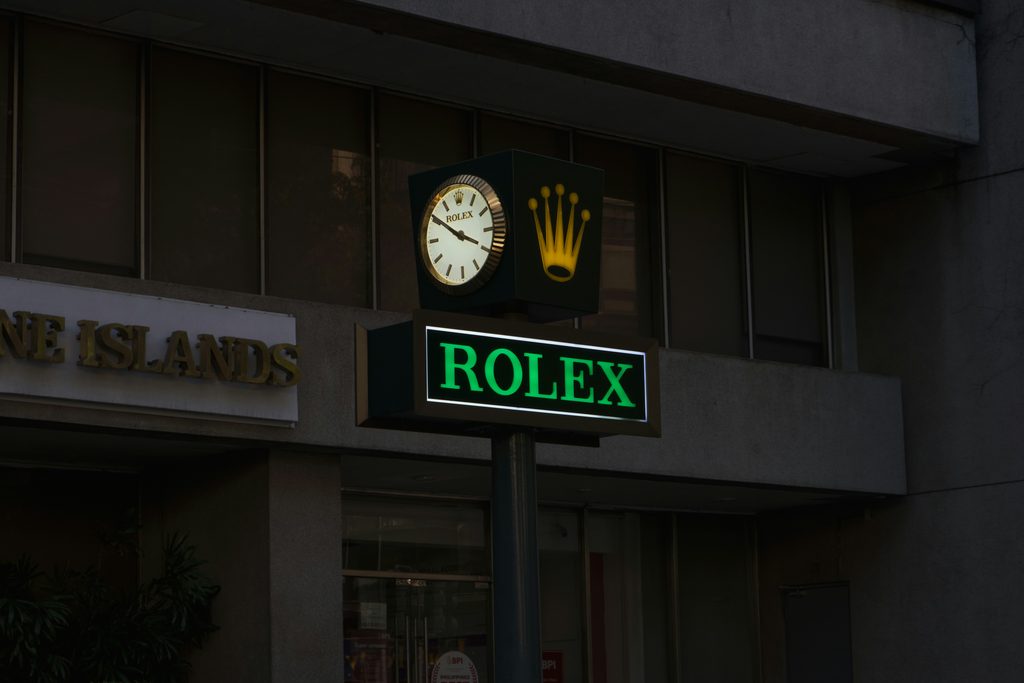
On November 15, 2026, Zendaya arrived at the Governors Awards in Hollywood wearing a vintage solid-gold Rolex with a hand-hammered champagne dial, a piece that turned out to have a more interesting backstory than anything else on the red carpet that night. She hadn’t borrowed it from a brand or bought it new. According to the vendor who sold it to her, Zendaya picked it up for more than $6,000 at an Oakland market on an ordinary Saturday morning. If you own a vintage gold Rolex yourself, whether it came from a relative, an estate, or your own market find years ago, that story raises a practical question: what is it actually worth now, and is it safe to have it serviced?
What Zendaya Wore to the 2026 Governors Awards
The watch is a 1960s-era solid-gold ladies’ piece with a hammered champagne dial, a style Rolex produced in small numbers decades ago and has not made since. Watch-spotters following the red carpet that night tentatively flagged it as reference 8196, though that identification hasn’t been independently confirmed, which is fairly typical for older references that were never widely cataloged or that have been modified over the decades. Zendaya is a known collector and has been a Rolex brand ambassador since 2025, which makes the choice notable: she could have worn anything from the current catalog and instead chose a decades-old piece bought secondhand.
Can a $6,000 Market Find Really Be a Genuine Vintage Rolex?
Yes, and this is the part owners of inherited or secondhand vintage Rolex watches should pay attention to. The watch came from Malia Obillo, an Oakland-based vendor who runs Wrist Glow Co. out of a market booth, not a boutique or an auction house. Genuine vintage Rolex pieces do surface this way: at estate sales, flea markets, and in family collections, often without their original box, papers, or even a confirmed reference number. The catch is that a watch’s age and gold case don’t automatically tell you what it’s worth or whether it’s exactly what it appears to be. Dials get refinished, hands and crowns get swapped over fifty or sixty years, and a watch that looks right at a glance can be missing the originality that actually drives vintage pricing. Before assuming a flea-market Rolex is worth what the headlines suggest, it’s worth getting a model- and reference-specific valuation rather than guessing from photos.
Does a Celebrity Sighting Actually Move Prices?
It can, and this isn’t a new pattern. When a well-known figure is photographed wearing a specific watch, demand for that model and its resale value often rise because the association increases perceived exclusivity, and secondary-market tracking firms have shown Rolex pricing climbing broadly over the past year. But the effect is tied to the exact reference, not to “vintage Rolex” as a category. That matters here because Zendaya’s watch hasn’t been formally identified. Owners of a similar-looking vintage gold piece shouldn’t assume a comparable spike in their own watch’s value just because the styles rhyme. What tends to actually move the needle is confirmed authenticity and documented reference numbers, which is also exactly what separates a watch worth $6,000 from one worth considerably more, or less.
What Your Own Vintage Gold Rolex Might Be Worth
Pricing on vintage and pre-owned Rolex watches varies enormously by model, material, and condition. As of October 2026, Datejust models have averaged roughly $12,000 on the secondary market, with a range spanning about $3,000 to $48,000 depending on dial, bracelet, and case material, while Lady-Datejust models have averaged around $7,000, ranging from roughly $3,000 to $40,000. A solid-gold vintage ladies’ piece with an unusual dial, like the one Zendaya wore, can sit anywhere in that range or outside it entirely depending on rarity and originality. This is the reason a specific reference number matters so much more than a general description like “vintage gold Rolex.” If you’re trying to figure out how much is my Rolex worth, the honest answer depends on details a photo can’t settle: whether the dial, hands, and crown are original to the watch, whether it’s been serviced or altered, and what exact reference it carries.
The Hidden Risk: What Happens If Rolex Services a Vintage Watch
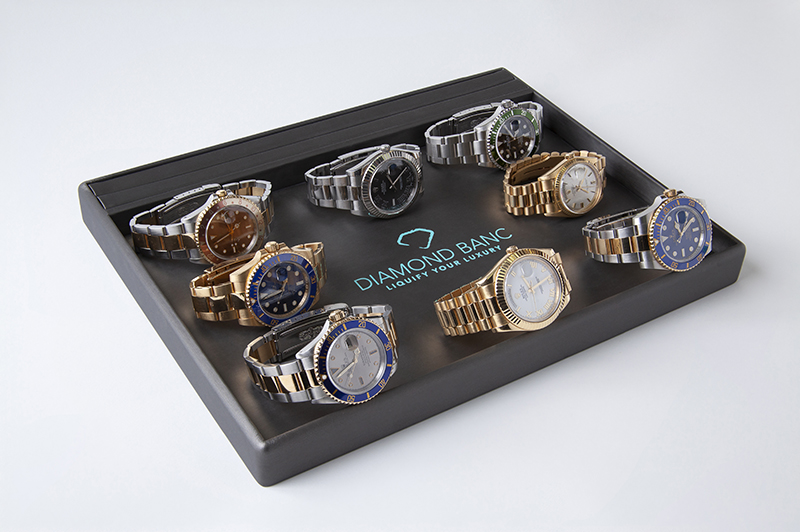
This is the part most owners don’t find out until it’s too late. Rolex’s own policy guarantees parts and labor availability for at least 35 years after a model is withdrawn from the catalog, which means a watch from the 1960s, like the one in this story, can legally be turned away from official service entirely. When an official Rolex Service Center does take on an older piece, the company’s standard practice is to bring it up to modern factory specifications, which can mean replacing an original dial, hands, crown, or crystal. Vintage watch expert Eric Wind has described watching a piece that could have been worth $1 million drop to less than $30,000 in value after a routine service replaced its original parts. For a modern Rolex, factory service protects the watch. For a true vintage piece, it can quietly erase most of what made it valuable in the first place. If you’ve inherited or found a vintage Rolex and it needs work, get it professionally evaluated before it goes anywhere near a service center, not after.
The Gold Floor: What a Vintage Rolex Is Worth Even Without the Collector Premium
Even a vintage Rolex with no documented history or uncertain authenticity still carries a baseline value from its gold content alone. Spot gold traded at $3,845.00 per troy ounce as of November 16, 2026, with 14-karat gold, the alloy used in many vintage Rolex cases, priced at roughly $2,242.79 per troy ounce. To put that in concrete terms: a hypothetical 10-gram 14-karat gold case works out to about $721.08 in melt value alone (10 grams divided by 31.103 grams per troy ounce, multiplied by $2,242.79). That number is a floor, not a final price. A confirmed, original vintage Rolex will typically sell for well above its melt value because of rarity and collector demand, but if a watch’s authenticity or reference can’t be confirmed, the gold content still sets a baseline worth knowing before you decide what to do with it.
Deciding What to Do With a Vintage Rolex You Already Own
A story like Zendaya’s is a reminder that a vintage Rolex sitting in a drawer or safe deposit box can be worth investigating, but it’s not a reason to assume you’ve found a hidden fortune, or to risk the piece’s value by sending it in for service without understanding what that could do to it. Once you have a clearer picture of what your watch actually is, there are generally two practical paths. If you want cash now, a specialist buyer who works with specific Rolex references rather than a general pawn shop will give you a more accurate number than a generic estimate, which is the difference between the best place to sell a Rolex and the first place that will take it off your hands. If you’d rather keep the watch while accessing its value, loans on Rolex watches let you use it as collateral and get it back once the loan is repaid, a useful option when a piece has sentimental value or you simply don’t want to part with it yet.
Diamond Banc’s specialists price by reference and condition rather than a flat “vintage Rolex” category, which is the same distinction that separates a $6,000 market find from a watch that could be worth many times that. The company works with current secondary-market data, offers both a sale and a Rolex-secured loan, and handles transactions locally or through secure mail-in shipping for owners anywhere in the country. For more on how collectible dials and references affect pricing beyond the standard catalog, it’s worth reading about other rare Rolex nicknames like the Rolex Starbucks, where an unofficial name alone has changed how a reference trades.
Like what you’re reading?
Add us in Google — more like this is on the wayRelated Posts
 Instagram
 Facebook
 Tiktok
 YouTube