Not all gold jewelry is created equal. A broken chain has a different value than a vintage Cartier bracelet, yet many buyers will treat them the same, offering a price based only on the weight of the metal. This “melt value” approach ignores the craftsmanship, brand recognition, and design that make your piece special, potentially leaving a lot of money on the table. If you want to sell gold jewelry online, understanding this distinction is the first step to getting a price that reflects its true worth. This guide will show you how to identify that extra value and, more importantly, how to find a specialized buyer who recognizes and will pay for it.
Key Takeaways
- Understand Your Gold’s True Worth: An offer is based on your item’s weight, gold purity (karat), and the current market price. Remember that designer brand names and unique craftsmanship add significant value beyond the raw gold, so ensure your buyer accounts for this.
- Choose a Trustworthy Buyer by Checking for Key Signals: Protect yourself by only working with companies that offer free, fully insured shipping and a no-cost return policy. A reputable buyer will also have a transparent evaluation process and a strong history of positive reviews on independent sites.
- Control the Process to Maximize Your Payout: To get the best price, always get multiple quotes rather than accepting the first one. Gather any original paperwork you have to support your item’s value, and remember that you are in charge and can always decline an offer.
What to Know Before Selling Gold Online
Selling your gold jewelry should feel empowering, not overwhelming. Getting the best price comes down to understanding what you have and how its value is determined. Before you start looking for a buyer, taking a few moments to learn the basics will help you feel confident throughout the process. Think of it as doing your homework so you can walk into any negotiation, online or in person, knowing you’re prepared to get a fair and accurate offer for your pieces.
How Gold Purity Affects Value
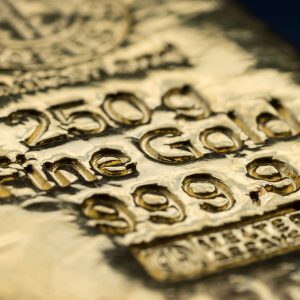
The first thing to understand about your gold jewelry is its purity, which is measured in karats (K). Pure gold is 24 karats, but it’s too soft for most jewelry, so it’s mixed with other metals to make it more durable. This is why you see jewelry marked as 18K (75% gold), 14K (58.3% gold), or 10K (41.7% gold). The higher the karat number, the more gold your item contains, and the more valuable it will be. Most pieces have a tiny stamp indicating their karat, so take a close look at the clasp, band, or back of your jewelry to find it. This little number is a key piece of the pricing puzzle.
Understanding Weight and Market Price
Gold is a commodity, and its price changes daily based on global trading. This is known as the “spot price.” A buyer will use the current market price of gold along with your item’s weight and purity to calculate its base value. The formula is simple: the weight of your item multiplied by its purity, multiplied by the current market price. While you don’t need to be a math whiz, checking the spot price before you sell gives you a solid baseline. It helps you understand what your gold is worth on any given day and allows you to better evaluate any offer you receive.
Melt Value vs. Resale Value: What’s the Difference?
Not all offers are created equal. Some buyers will only offer you the “melt value,” which is the value of the raw gold if it were melted down. This price ignores any other factors that make your jewelry special. However, if you have a piece from a desirable brand like Cartier or Tiffany & Co., or an item with exceptional craftsmanship, it has a higher “resale value.” A reputable buyer will recognize this and pay you for the design and brand name, not just the weight of the gold. For these significant pieces, consider a Seller’s Agent Service to ensure you capture that extra value.
Why Documentation and Appraisals Matter
Do you have the original box, receipt, or a certificate of authenticity? Don’t toss them. This paperwork is valuable. Having documentation, especially a formal appraisal or a certificate from an organization like the GIA, confirms the quality and details of your piece for a potential buyer. It proves authenticity and provides specific information about gemstones, weight, and purity that can lead to a better offer. Gathering these documents before you sell your jewelry helps you understand its true value and makes the evaluation process smoother and more transparent for everyone involved.
What Determines Your Gold Jewelry’s Price?
When you decide to sell your gold jewelry, the offer you receive is based on a few key factors. Understanding these elements will help you set realistic expectations and ensure you get a fair price for your pieces. It’s not just about the gold itself; the story behind your jewelry, from its purity to its creator, plays a significant role in its final valuation. Think of it as building a complete picture of your item’s worth. A professional evaluation will look at each of these components to arrive at a final number. Let’s break down exactly what goes into determining the value of your gold.
The Current Market Price of Gold
The value of your gold jewelry is directly tied to the live market price of gold, often called the “spot price.” This price changes constantly throughout the day based on global trading activity, supply, and demand. Before you sell, it’s a good idea to check the current price to get a sense of the market. This gives you a baseline for what the raw gold in your jewelry is worth. While no buyer will pay 100% of the spot price for jewelry (due to refining costs and their own margin), knowing the day’s rate helps you understand the offers you receive.
Your Jewelry’s Karat Purity
“Karat” is the term used to measure the purity of gold. Pure gold is 24 karats (24k), but it’s too soft for most jewelry, so it’s mixed with other metals for durability. That’s why you’ll see markings like 18k, 14k, or 10k. An 18k piece, for example, is 18 parts gold and 6 parts other metals, or 75% pure gold. The higher the karat, the more pure gold your item contains, and the more valuable it will be. When you sell your jewelry, a buyer will test for its exact karat purity to calculate its value accurately.
The Total Weight of Your Piece
Along with purity, the weight of your jewelry is a critical part of the equation. Gold is priced by weight, typically in grams or troy ounces. A heavier piece will naturally contain more gold and, therefore, be more valuable than a lighter piece of the same karat purity. You can get a rough idea by weighing your jewelry on a kitchen scale, but a professional buyer will use a highly accurate, certified scale to determine the precise weight. This measurement, combined with the karat purity and current market price, forms the basis of your item’s melt value.
Brand Name and Craftsmanship
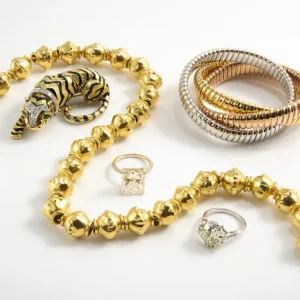
Sometimes, a piece of jewelry is worth much more than its weight in gold. This is where brand recognition and craftsmanship come into play. A vintage Cartier bracelet or a beautifully crafted designer piece has a value that goes far beyond its raw materials. These items are sought after for their design, history, and brand prestige. If you own a signed piece from a luxury brand or an item with exceptional artistry, it may be a candidate for our Seller’s Agent Service. This approach ensures your item is marketed to collectors who will pay a premium for its unique qualities, not just its melt value.
How to Prepare Your Gold Jewelry for Sale
Taking a few simple steps to prepare your gold jewelry can make a significant difference in the offers you receive. Think of it as getting your house ready for a showing; a little effort highlights its best features and helps you communicate its value clearly. This isn’t about becoming a gold expert overnight. Instead, it’s about gathering the information you need to feel confident and in control of the transaction. When you understand what you have, from its physical condition to its documentation and market context, you can have a more productive conversation with a potential buyer. This preparation demystifies the process, helping you separate fact from fiction and ensuring you can evaluate an offer based on solid information, not just a gut feeling.
By cleaning your pieces, organizing your paperwork, and getting a handle on the basics of weight and purity, you position yourself as an informed seller. This not only helps you secure a fair and accurate price but also makes the entire experience smoother and more transparent. You’ll be able to ask the right questions and understand the answers you receive, ensuring you walk away feeling good about your decision. Ultimately, this prep work is an investment in your own peace of mind. It transforms the sale from a potentially intimidating transaction into a straightforward business deal where you are an active, knowledgeable participant. It’s the best way to honor the value of your items and ensure you’re compensated appropriately for them.
Clean and Photograph Your Pieces
First impressions matter, even for jewelry. A clean piece not only looks more attractive but also allows an expert to evaluate it more accurately. You can safely clean most gold jewelry at home with a simple solution of warm water and a few drops of mild dish soap. Let the jewelry soak for a few minutes, then gently scrub it with a soft-bristled toothbrush. Rinse it thoroughly and pat it dry with a soft, lint-free cloth. Afterward, take clear, well-lit photos from several angles. These images are helpful for your own records and for any initial online inquiries you make, giving a potential buyer a clear first look at what you’re offering.
Gather Your Certificates and Appraisals
Do you have the original box, sales receipt, or a certificate of authenticity? Gather any and all documentation related to your gold jewelry. Papers from brands like Tiffany & Co. or Cartier, or diamond grading reports from labs like GIA, are especially valuable. These documents help prove your item’s authenticity and quality, which can lead to a stronger offer. While you can still sell your jewelry without them, having these materials on hand streamlines the evaluation process and builds a stronger case for your item’s worth. Appraisals are also useful, as they provide a detailed description of your piece, though the value listed is typically for insurance purposes and not resale.
Weigh Your Jewelry and Identify the Karat
Understanding the basic composition of your jewelry is key to knowing its value. Start by identifying the karat, which tells you the purity of the gold. Look for a small stamp on the piece, such as “14K” (58.3% gold) or “18K” (75% gold). European pieces might be marked with a number like “585” or “750.” Next, weigh your jewelry. A simple kitchen scale can give you a good initial estimate in grams or ounces. This information won’t be as precise as a jeweler’s calibrated scale, but it gives you a vital baseline for understanding the intrinsic value of your gold before you seek an offer.
Research Current Gold Prices
The price of gold changes daily based on market activity. Before you sell, take a moment to look up the current spot price of gold. This price is typically quoted per troy ounce. Knowing the spot price, along with your jewelry’s weight and karat, allows you to calculate a rough estimate of its melt value. This is an essential step for setting realistic expectations. While a buyer’s offer will be less than the full melt value to account for their own business costs, having this benchmark empowers you to recognize a fair offer when you see one. For particularly rare or designer pieces, a seller’s agent service can help you secure a price that reflects craftsmanship beyond just the gold content.
Where to Sell Your Gold Jewelry Online
Once you’re ready to sell, finding the right buyer is the most important step. The online marketplace is full of companies that want to buy your gold, but they aren’t all the same. Some specialize in speed, offering quick cash for the raw metal value of your items. Others focus on finding a new owner for your piece, which can often bring a higher return, especially for designer or high-quality jewelry.
Choosing the best fit depends on what you’re selling and what your goals are. If you have a broken chain or an unbranded ring, a buyer focused on melt value might be perfect. But if you own a vintage piece or a designer item from a brand like Cartier or Tiffany & Co., you’ll want a buyer who understands its full resale value, not just its weight in gold. Below are a few of the most well-known online gold buyers to help you start your research.
Diamond Banc
Diamond Banc is a strong choice if you’re selling high-value, designer, or intricate gold jewelry. Because we specialize in luxury assets, our team evaluates your pieces based on craftsmanship, brand recognition, and current market demand, not just melt value. This ensures you receive an offer that reflects the true worth of your jewelry. We also provide multiple liquidity options. You can sell your items to us directly for a competitive price or, if you’re not ready to part with your piece forever, you can use it as collateral for a Jewelry Equity Loan. For particularly rare or valuable items, our Seller’s Agent Service works to find the best possible buyer on your behalf, maximizing your return.
Worthy
Worthy operates on an auction model, connecting you with a network of professional buyers. Their goal is to help you sell your gold and jewelry by creating a competitive bidding environment. The process is designed to be straightforward; you send your items to Worthy, where they are professionally photographed and graded before being listed for auction. This service is a good option for those who want to access multiple buyers at once without managing the process themselves. The final sale price is determined by the highest bid, which can lead to a strong offer if your piece attracts significant interest from their buyer network.
Express Gold Cash
As their name suggests, Express Gold Cash focuses on speed and convenience. They promise to get you cash for your gold items quickly, often within 24 hours of receiving them. This makes them a practical option if your primary goal is a fast transaction. You can sell your gold rings and other precious metals directly to them. Their process is built for efficiency, making them a go-to for sellers who prioritize immediate payment over getting the maximum possible resale value that might come from a more detailed evaluation or consignment process. They are a direct buyer, so the offer you receive is final.
Alloy Market
Alloy Market helps you sell gold jewelry online for cash, promising a high payout for your items regardless of their condition. This makes them a great choice for selling broken jewelry, single earrings, or outdated pieces that no longer have significant resale value as finished items. They purchase a variety of precious metals, including gold, silver, and platinum, so you can send in a mixed batch of items at once. Their model is centered on buying the raw materials for their melt value, providing a simple and direct way to turn unwanted or damaged jewelry into cash without a lengthy evaluation process.
GoldBuyersUSA
GoldBuyersUSA aims to be a trusted destination for people looking to sell gold online. Their business model is focused on purchasing gold items directly from consumers across the country. They provide a straightforward process where you request a shipping kit, send in your gold, and receive an offer. Like other direct buyers, their primary focus is on the material value of your gold. They work to make the experience simple and secure, positioning themselves as a reliable option for anyone in the U.S. wanting to get a fair price for their gold without the complexities of an auction or consignment.
How the Online Selling Process Works
Selling your gold jewelry online might feel like a leap of faith, but reputable buyers have made the process incredibly secure and straightforward. It’s designed to give you peace of mind while ensuring you get a fair, expert evaluation from the comfort of your home. The journey typically unfolds in five simple steps, starting with you providing some basic information about your item. From there, the buyer takes the lead, guiding you through a transparent and risk-free process that puts you in complete control. It’s a professional service designed for owners of high-value jewelry who expect a higher standard of care and expertise.
A trustworthy company will send you a fully insured, prepaid shipping label to send your items to their secure facility. Once your piece arrives, their experts get to work evaluating its worth based on a number of factors beyond just weight. You’ll then receive a firm, no-obligation offer. The power is entirely in your hands: you can accept the offer and receive prompt payment, or you can decline it and have your jewelry returned to you, with no questions asked and no cost incurred. The entire system is built on trust, transparency, and a respect for the value of your assets.
Step 1: Submit Your Item Information
The first step is to tell the buyer what you have. You’ll start by filling out a simple online form, providing details about your gold jewelry. This usually includes the type of item (ring, necklace, bracelet), the karat, and any other relevant information you might have, like brand names or accompanying paperwork. You can also upload photos, which helps the buyer provide a more accurate initial quote. This initial submission is completely free and carries no obligation. It’s simply the starting point that allows the company’s experts to understand what you’re looking to sell or borrow against and begin the evaluation process for you.
Step 2: Ship Your Jewelry Securely
Once you’ve received an initial quote and decided to move forward, the buyer will provide instructions for shipping your items. You should never have to pay for shipping or worry about your jewelry getting lost or damaged in transit. A reputable buyer like Diamond Banc provides a prepaid, fully insured shipping label, typically via FedEx. Your items are insured from the moment they leave your hands until they are safely returned. This process is designed to be completely risk-free for you. Just package your jewelry according to the instructions, attach the label, and drop it off at a designated shipping location. You can track the package every step of the way for added peace of mind.
Step 3: Receive a Professional Evaluation
This is where the experts take over. After your package arrives at the buyer’s secure facility, it is typically opened under video recording for transparency and security. A team of GIA-trained gemologists and jewelry experts will then conduct a thorough evaluation of your gold pieces. They will verify the gold’s purity (karat), weigh it precisely, and assess the value of any diamonds or gemstones. They also consider factors like craftsmanship and brand significance, which can add value beyond the simple melt price. This professional, in-depth evaluation process ensures you receive the most accurate and competitive offer possible based on the true market value of your jewelry.
Step 4: Review Your Offer
After the evaluation is complete, the buyer will contact you with a final, official offer. This is a firm number based on their expert assessment of your jewelry. A trustworthy buyer will present the offer without any high-pressure sales tactics and will often take the time to explain how they arrived at the valuation. This is your opportunity to ask questions and make sure you understand the offer completely. You are in total control at this stage. The decision to accept or decline is entirely yours, and there is absolutely no obligation to proceed if you’re not 100% comfortable with the price.
Step 5: Get Paid
If you decide to accept the offer, the final step is getting paid. Reputable online buyers make this part of the process fast and seamless. You can typically choose your preferred payment method, with options like a direct wire transfer to your bank account or a company check sent via overnight mail. In most cases, payment is issued immediately upon your acceptance of the offer, meaning you can have funds in hand within 24 hours. If you choose to decline the offer, the company will promptly and securely ship your jewelry back to you, fully insured and at no cost to you.
How to Find a Trustworthy Online Gold Buyer
Selling your gold jewelry online can feel like a big step, especially when you’re sending valuable items to a company you’ve only met through a screen. Your peace of mind is paramount, and that’s why finding a buyer you can trust is the most important part of the process. A reputable company will make you feel secure and respected from the moment you visit their website to the moment you get paid. They operate with complete transparency, ensuring you understand every step of their evaluation and offer.
The best online gold buyers have built their businesses on a foundation of trust. They know that a positive experience leads to repeat clients and glowing recommendations. As you research your options, you’ll notice that the top players share a few key traits. They provide clear information about their pricing, offer secure and fully insured shipping, maintain customer-friendly return policies, and have a long history of positive, verifiable reviews. Think of these as your non-negotiables. Vetting a potential buyer against this checklist will help you separate the legitimate experts from the less scrupulous operations and ensure you and your jewelry are in safe hands.
Look for Transparent Pricing
A trustworthy buyer will be upfront about how they determine your gold’s value. Their offer should be based on clear, objective factors: the item’s weight, its karat purity (like 14k or 18k), and the current market price of gold. Be wary of any company that gives you a vague quote without explaining the math behind it. You should feel comfortable asking questions about their evaluation process. A professional buyer will gladly walk you through how they arrived at their number, helping you understand the value of what you own. This transparency is a hallmark of a company that respects its customers and is confident in the fairness of its offers. When you sell your jewelry, you deserve a clear breakdown of its worth.
Confirm They Offer Insured Shipping
Sending valuable gold through the mail shouldn’t keep you up at night. Any reputable online buyer will make the shipping process simple, secure, and completely free for you. Before you commit, confirm that the company provides a prepaid shipping label from a major carrier like FedEx or UPS. More importantly, make sure the shipment is fully insured for its replacement value. This protects you against the unlikely event of loss or damage in transit. A trustworthy company takes full responsibility for your items from the moment they leave your hands until they are safely returned or purchased. You should never have to pay for shipping or insurance, as this is a standard cost of business for legitimate online gold buyers.
Check for Clear Return Policies
What happens if you’re not happy with the offer? This is a critical question, and the answer will tell you a lot about the company you’re dealing with. A reputable buyer will have a straightforward, no-pressure return policy. If you decide to decline their offer for any reason, they should ship your jewelry back to you promptly, free of charge, and with the same insured shipping method. This policy gives you the ultimate control. It means you can get a professional evaluation with zero obligation to sell. Look for this policy on the company’s website. If it’s hard to find, or if they charge a fee for returns, consider it a red flag and move on.
Read Verified Reviews and Check Credentials
A company’s reputation is built on the experiences of its customers. Before sending your gold, do some research. Look for reviews on third-party platforms like Google and the Better Business Bureau (BBB) to get an unbiased picture of how they operate. You’ll often find that even happy customers were initially skeptical, which is completely normal. Reading their stories can give you the confidence to move forward. Beyond reviews, check the company’s credentials. Are they a licensed and accredited business? Do they have a physical presence with established locations? A long history and a professional footprint are strong indicators that you’re working with a stable and trustworthy partner.
Online vs. Local: Where Will You Get a Better Price?
Deciding where to sell your gold jewelry often comes down to a classic choice: do you go online or visit a local buyer? There’s no single right answer, as the best path depends on what you value most. Are you looking for the absolute highest offer, maximum convenience, or the comfort of a face-to-face transaction? Both online and local markets have their own advantages and potential pitfalls. Understanding them will help you make a choice that feels right for you and gets you the best possible value for your pieces.
Why Sell Gold Online?
The biggest draw for selling gold online is the potential for a higher offer. Online buyers often operate on a national scale, giving them access to a much larger pool of potential buyers than a local shop. This wider reach means they may be able to pay more competitively for your gold. Convenience is another major plus. You can start the appraisal process from your living room without having to schedule appointments or drive around town. A reputable online buyer will provide a secure, insured, and fully transparent process, allowing you to sell your jewelry with confidence and ease, all from the comfort of your home.
The Downsides of Selling Online
The idea of mailing your valuable jewelry can feel nerve-wracking, and it’s wise to be cautious. The internet has its share of dishonest dealers, and one of the most common mistakes when selling gold is working with a buyer without doing your homework. Some may try to lure you in with high initial estimates, only to give you a lowball offer once they have your items. This is why it’s critical to choose a buyer with a stellar reputation, transparent policies, and a fully insured shipping process. Always look for clear information on how your items are evaluated and what happens if you decide not to accept the offer.
When to Sell to a Local Buyer
For many, nothing beats the reassurance of an in-person transaction. Selling to a trusted local jeweler allows you to get an immediate offer and walk away with payment in hand. You can ask questions, watch the evaluation, and have a direct conversation with the expert handling your pieces. However, not all local buyers are created equal. While a good local jeweler can be a safe and reliable option, it’s worth comparing more than one local buyer, since offers can vary widely based on each shop’s business model and specialty. The ideal scenario is finding an expert in one of our physical locations who combines local convenience with national expertise and pricing power.
Mistakes to Avoid When Selling Gold Jewelry Online
Selling your gold jewelry should be a positive experience, but a few common missteps can leave you feeling shortchanged. The online gold market is vast, and knowing how to approach it can make all the difference between a disappointing offer and a fantastic payout. By being aware of the potential pitfalls from the start, you can confidently find a buyer who will appreciate the true value of your pieces and treat you with respect. Let’s walk through the most common mistakes sellers make and how you can easily avoid them.
Don’t Accept the First Offer
When you decide to sell, it’s tempting to take the first offer that comes your way, especially if you’re looking for a quick transaction. However, jumping at the first number can be a costly mistake. Not all buyers offer the same price, and the initial quote you receive might be significantly lower than what your jewelry is actually worth. To get a true sense of your item’s value, you should get multiple quotes from different reputable buyers. This simple step empowers you with the knowledge to make an informed decision and ensures you partner with a company that provides a truly competitive offer.
Watch Out for Hidden Fees
A great offer can quickly lose its shine if it’s chipped away by hidden fees. Some online gold buyers aren’t fully transparent about their costs, which can include everything from appraisal fees to shipping charges and insurance deductions. Before you send your jewelry anywhere, make sure you understand the buyer’s entire process and fee structure. Ask directly if there are any charges that will be deducted from your final payout. A trustworthy buyer will be upfront about their pricing and will often cover the costs of fully insured shipping and evaluation. Always check the current market price of gold so you have a baseline for what your items are worth before you begin.
Avoid Selling Without Documentation
If your gold jewelry came with any paperwork, now is the time to find it. Original receipts, diamond grading reports, or appraisals provide crucial information that helps a buyer determine your item’s full value. This documentation verifies details like the gold’s karat purity, the weight, and the quality of any gemstones. For pieces from high-end brands like Cartier or Tiffany & Co., the original box and papers can significantly increase the resale value beyond the gold content alone. If you have a particularly valuable or rare piece, using a Seller’s Agent service can help leverage this documentation to secure the highest possible price from a network of interested buyers.
Separate Emotional Value from Market Value
Jewelry often carries deep sentimental value. A ring passed down from your grandmother or a necklace from a special occasion holds memories that are truly priceless. However, it’s important to recognize that this emotional value doesn’t translate into its market price. Buyers will evaluate your piece based on objective factors like its weight, purity, craftsmanship, and brand recognition. Preparing yourself for this distinction can make the selling process much smoother. By focusing on the tangible aspects of your jewelry, you can approach the sale with a clear perspective and negotiate for a price that reflects its true market worth, not its sentimental history.
What to Do If You’re Not Happy With an Offer
You’ve sent your gold jewelry in for an evaluation and the offer is in your inbox. But what if the number isn’t what you expected? It’s a common scenario, and you have more power than you think. If you find yourself disappointed with an offer, here’s what you can do to make sure you feel confident and in control of the final outcome.
Know You Can Decline the Offer
It’s completely fine to say “no, thank you” to an offer. A reputable online gold buyer will never pressure you into a decision. The entire process should feel comfortable, and you should feel empowered to walk away at any point before the final sale. Trustworthy companies understand that there is no pressure to sell, and if you don’t like their offer, they will simply send your items back. This is your jewelry, and you are in charge of the transaction from start to finish. A professional buyer respects your ownership and your decision, whether you choose to sell or not.
How to Get Your Jewelry Back Safely
One of the biggest worries about selling gold online is what happens if you decline the offer. Will you get your jewelry back? How can you be sure it won’t get lost? Any legitimate online buyer will have a clear, straightforward return policy. If you decide not to sell, the company should return your item free of charge and fully insured. This protects both you and the buyer. Before you even send your items in, confirm that the company’s process includes a no-cost, insured return policy. This is a standard sign of a professional and trustworthy operation that values your peace of mind.
When to Get a Second Opinion
If an offer feels too low, it’s always a good idea to get a second opinion. Trust your instincts. One of the most common mistakes sellers make is accepting the first offer they receive without checking the current market price or seeing what other buyers might pay. Getting multiple quotes is a smart way to confirm you’re getting a fair price. For particularly rare or high-value pieces, you might even consider using a seller’s agent service to market the item for you. And if you’re not comfortable with any online offers, you can always visit one of your local Diamond Banc locations for an in-person evaluation.
How to Get the Best Price for Your Gold Jewelry
Selling your gold jewelry is a personal financial decision, and your goal is simple: get the best possible price. It’s not just about finding a buyer; it’s about finding the right buyer who recognizes your item’s true worth. A little preparation and strategy can make a significant difference in your final offer. By understanding the market, comparing your options, and knowing when to call in an expert, you can approach the selling process with confidence and walk away feeling great about the transaction. Let’s go over the key steps to ensure you get maximum value for your pieces.
Get Multiple Quotes
It can be tempting to accept the first offer you receive, especially if you’re looking for a quick transaction. However, taking that first bid is one of the fastest ways to leave money on the table. Every buyer has different overhead, expertise, and customer bases, which means their offers can vary widely. Getting multiple quotes is your best tool for understanding the true market value of your gold. Think of it as gathering data. By comparing offers, you can establish a realistic price range and immediately spot any bids that are too low. This knowledge gives you confidence and a stronger position when you decide to sell your jewelry.
Consider the Gold Market
Before you approach any buyer, take a moment to check the current market price of gold. This is often called the “spot price,” and it represents the price for one troy ounce of pure gold on the global market. This price changes daily, so a quick search will give you the most up-to-date information. Knowing the spot price is crucial because it’s the foundation for any offer you’ll receive. While your jewelry’s value is also tied to its weight, purity, and craftsmanship, the spot price provides an essential benchmark. Walking into a negotiation armed with this information helps you evaluate offers fairly and ensures you’re starting from an informed position.
Use a Seller’s Agent for High-Value Items
If you own a particularly valuable piece, like a signed designer item from Cartier or Tiffany & Co., or jewelry with significant diamonds, its worth goes far beyond its gold content. In these cases, a standard sale might not capture its full value. This is where a seller’s agent can be incredibly helpful. An agent works on your behalf to market your piece to a network of top buyers, ensuring it gets in front of the right people who will pay a premium for its unique qualities. Diamond Banc’s Seller’s Agent Service is designed for this exact scenario, using industry expertise to secure the highest possible return for your exceptional jewelry.
Frequently Asked Questions
Is it actually safe to mail my gold jewelry to a buyer? Yes, as long as you work with a reputable company. A trustworthy online buyer will provide a prepaid shipping label that is fully insured for your item’s value. This means your jewelry is protected from the moment it leaves your hands until it is either purchased or safely returned to you. The entire process is designed to be completely risk-free, so you should never have to worry about your items getting lost or damaged in transit.
Why is the offer I received lower than the gold’s market value? The “spot price” or market price of gold refers to the cost of pure, 24-karat gold as a raw commodity. Your jewelry contains a certain percentage of gold (indicated by its karat), not 100%. A buyer’s offer is based on the actual gold content of your piece, its weight, and the current market price. The offer also accounts for the costs associated with testing, refining, and running their business, so it will always be a percentage of the total melt value.
My appraisal valued my jewelry much higher than the offer I got. Why the difference? This is a very common point of confusion. An appraisal is typically done for insurance purposes and reflects the full retail cost to replace the item with a brand-new piece. This value is almost always higher than its resale value. An offer from a buyer, on the other hand, reflects the item’s current worth on the secondary market. Think of it like a car: the price you pay for a new car is much higher than what you can sell it for a year later.
What if my jewelry is a designer piece? Is it just valued by its weight? Not at all. While some buyers may only offer you the melt value, a true jewelry expert will recognize that a piece from a brand like Cartier, Tiffany & Co., or Van Cleef & Arpels has value far beyond its raw materials. Its design, craftsmanship, and brand name add significant worth. For these items, you should seek a buyer who specializes in the secondary luxury market to ensure you receive an offer that reflects the piece’s full resale value.
I have some broken chains and a single earring. Is it still worth selling? Absolutely. Even damaged or incomplete gold jewelry has value. These items are purchased for their “melt value,” which is the value of the raw gold they contain. A buyer will weigh your items, determine their karat purity, and make you an offer based on that. It’s a simple and effective way to turn unwanted or broken pieces that are just sitting in a drawer into cash.
Like what you’re reading?
Related Posts
 Instagram
 Facebook
 Tiktok
 YouTube