The fastest way to sell a Rolex is not always the fastest way to receive a firm offer or payment. Each selling channel has its own clock. A buyer may respond quickly, but evaluation, shipping, verification, and payout can add steps before the transaction is complete.
Get an instant Rolex evaluation from Diamond Banc.
How long does it take to sell a Rolex by channel? It can range from same-day funding for an in-person direct purchase to several weeks or months for a private sale, marketplace listing, consignment arrangement, or auction. For a mail-in evaluation, Diamond Banc describes an expert review within 24 hours of receiving the item. While the payment timeline depends on your decision and acceptance of the offer.
That distinction matters when you need a clear expectation rather than a broad estimate. The comparison below separates offer time, evaluation time, and payment time across the major routes. So you can weigh speed, convenience, and market reach before choosing how to proceed.
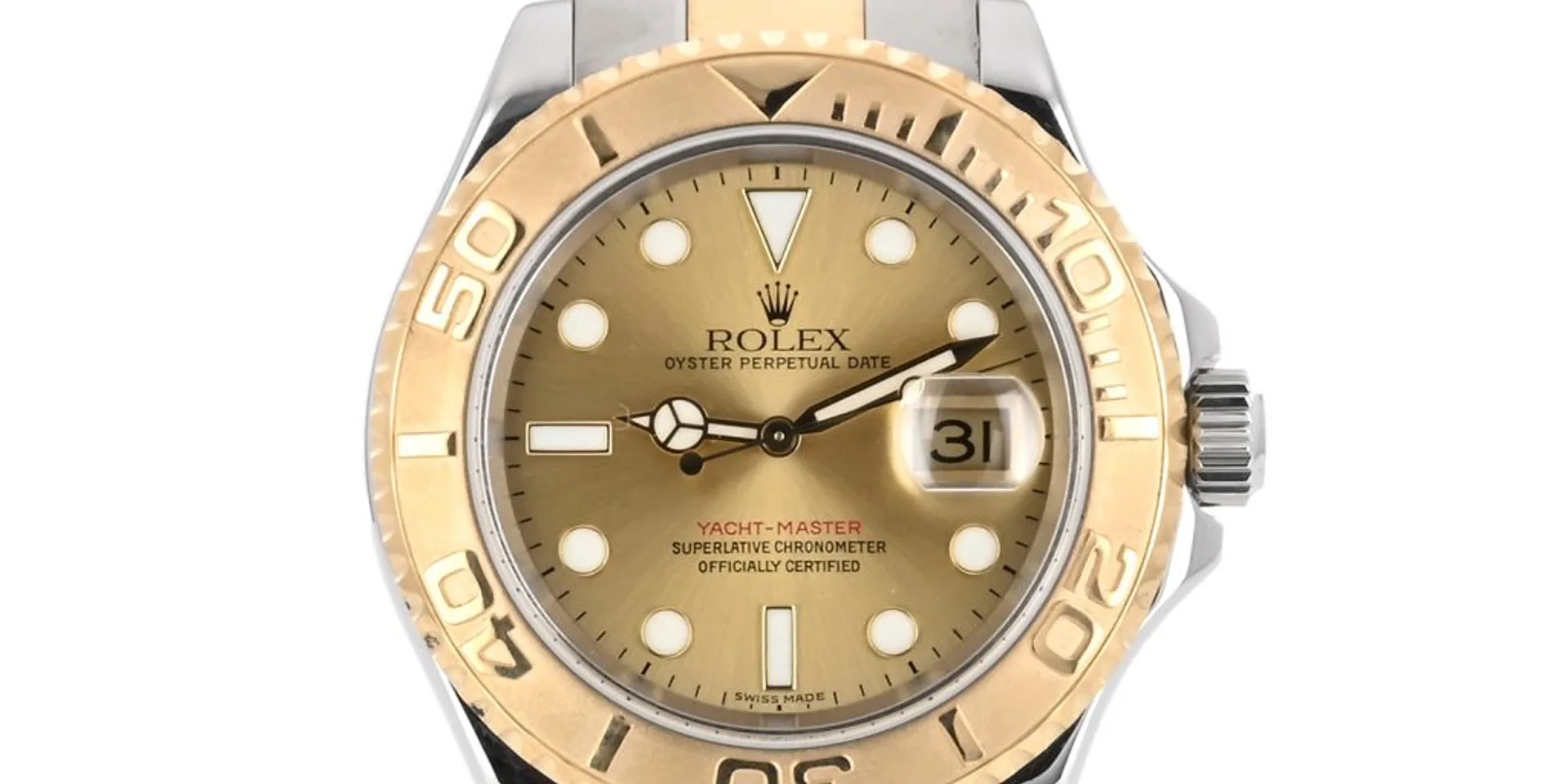
How long does it take to sell a Rolex by channel?
The timeline depends on whether you are waiting for an offer, completing an evaluation, or waiting for payment after accepting a sale. Those are separate stages, so a channel that creates interest quickly may not deliver proceeds quickly. The estimates below are useful planning ranges, not guarantees.
Typical timelines by selling channel
Estimated Rolex selling timelines by channel
| Channel | Typical time reference | Main time drivers | Best fit |
|---|---|---|---|
| Direct buyer or local dealer. | Same day to several business days. | Evaluation, authentication, documentation, and payment method. | Sellers prioritizing speed and a defined transaction. |
| Mail-in direct buyer. | Evaluation after delivery, then offer and payment stages. | Shipping, review, seller acceptance, and return or payment logistics. | Sellers who need a remote option. |
| eBay. | Days to weeks, with no fixed sale date. | Listing visibility, buyer demand, questions, and transaction completion. | Sellers willing to manage an online marketplace. |
| Chrono24. | Several weeks to several months, depending on demand and price. | Model demand, listing exposure, negotiation, and fulfillment. | Sellers willing to wait for marketplace reach. |
| Private sale. | Weeks to months. | Finding a buyer, negotiation, verification, and insured shipping. | Sellers managing the process themselves. |
| Consignment. | No fixed end-to-end duration. | Marketing reach, buyer interest, sale timing, and disbursement. | Owners prioritizing reach over speed. |
| Auction. | Scheduled sale plus payment processing, often measured in months. | Scheduled sale date, whether the watch sells, and payout terms. | Sellers comfortable with a scheduled, less certain route. |
Fastest takeaway: A direct in-person purchase can be the shortest route to funding, while marketplace, consignment, and auction timelines depend more heavily on buyer demand and scheduled processing.
Why direct sales can be faster
A direct buyer or in-person dealer can combine evaluation, offer, acceptance, and payment into a shorter sequence. Diamond Banc’s customer information specifies same-day funding for in-person direct-purchase transactions. A mail-in route separates the physical shipping stage from the review. Diamond Banc describes an expert review within 24 hours for mail-in evaluations, with the next step depending on the seller’s decision and offer acceptance. Its mail-in service is described as insured in both directions.
Documentation and verification can extend any direct-sale timeline. Incomplete paperwork, unclear service history, or vague condition descriptions can create follow-up and verification delays. For a closer look at the stages, see what the Rolex selling process involves.
Why marketplace, consignment, and auction timelines vary
Online and private sales depend on finding the right buyer at the right time. PunchWire’s Chrono24 timeline overview says sales can take several weeks to several months depending on the brand, model, condition, price, and market demand. That supports treating the ranges above as planning references, not promises. You can learn more about the moving parts involved in selling a Rolex through eBay.
Consignment is generally designed for broader market reach rather than speed, and Diamond Banc does not publish a standard end-to-end consignment duration. Auction timelines add a scheduled sale and a separate payment stage, but there is no universal duration or guarantee of a sale. Before choosing that route, review the contract’s sale date and payment or disbursement terms. In every channel, compare the time to receive an offer with the time until funds are actually available.
The fastest route: direct buyers and in-person sales
When speed matters, a direct buyer usually removes several steps that can slow a private listing or consignment arrangement. You are working with one prospective purchaser rather than waiting for marketplace inquiries, coordinating multiple viewings, or building demand over time. The practical timeline still has separate stages: evaluation, offer, acceptance, and payment. Those stages should be discussed clearly before you choose a selling channel.
In-person direct purchases
An in-person visit can be the most direct path when you are able to reach a Diamond Banc location. The watch can be reviewed in person, the offer can be discussed, and the transaction can move forward without outbound shipping. Diamond Banc’s customer information specifies same-day funding for in-person direct-purchase transactions. That is a process description for this channel, not a blanket promise that every seller or every watch will follow an identical schedule.
The main advantage is that evaluation and payment are handled in the same setting. It also gives you an opportunity to ask questions and make a decision with the watch in front of you. If you are comparing options, confirm what the evaluation includes and when funding occurs before handing over the watch.
Mail-in direct purchases
Mail-in service separates the review from the final payment step. Diamond Banc’s customer context describes an expert review within 24 hours of receiving the item for mail-in evaluations. That does not mean the entire sale is completed within 24 hours. The watch must first be shipped, received, and reviewed. You then receive an offer, decide whether to accept it, and complete the payment steps. Shipping time and your decision time sit outside the expert-review window.
For sellers who are not near a physical office, this can still be a streamlined alternative to finding a local buyer. Diamond Banc describes its mail-in service as insured in both directions, which addresses an important practical concern while the watch is in transit. Before sending anything, confirm the instructions for packaging, shipping, evaluation, offer acceptance, and payment so you know which milestone the quoted timing refers to.
Choosing the direct route
If your priority is a clear path to payment, you can sell your Rolex through Diamond Banc in person or ask about the mail-in process. In-person selling is designed around same-day funding, while mail-in selling adds shipping and a separate review-to-acceptance sequence. Neither route should be confused with Rolex collateral loan funding, which follows different terms from a sale.
Why online marketplaces and private sales take longer
Online marketplaces and private-party sales add several stages between deciding to sell and receiving payment. A seller must create and manage the listing, respond to inquiries, compare potential buyers, negotiate terms, complete verification, arrange insured shipping, and wait for payment processing. Each stage can move quickly, but the overall timeline depends on buyer interest and how smoothly the transaction progresses.
Listing interest is the first variable
A marketplace listing does not create a guaranteed sale date. PunchWire’s Chrono24 timeline overview reports that sales can take several weeks to several months, depending on brand, model, condition, price, and market demand. Demand for the specific model can also change the outcome. A desirable Rolex may attract interest within days, while a less popular model may remain listed for months.
That range reflects the difference between posting an item and finding a buyer prepared to complete the transaction. A strong inquiry is not the same as an accepted offer, and an accepted offer is not the same as cleared payment. For a closer look at the marketplace process, read about selling a Rolex through eBay.
Private sales add coordination after the inquiry
Private sales can take longer because the seller and buyer must coordinate the details directly. The process may include questions about the watch, negotiation, agreement on terms, verification, insured shipping, and payment. A published industry estimate characterizes this path as taking weeks to months, depending on how quickly those steps align. It should be treated as an estimate, not a standard duration.
Verification is particularly important before a transaction is complete. If a buyer needs additional information or the watch requires further review on arrival, the timeline extends beyond the initial conversation. Sellers should therefore distinguish time to receive interest from time to complete verification and receive funds. Those are separate milestones, even when a listing attracts attention quickly.
Consignment and auction timelines are built around reach
Consignment and auction routes serve a different priority than a direct purchase. Instead of optimizing primarily for the fastest possible payment, they put the watch in front of a broader network of potential buyers. That reach may be valuable when you are willing to be more patient, but it makes the timeline less predictable.
Consignment trades speed for a wider market
Diamond Banc’s knowledge base positions consignment for owners who value market reach and can wait longer, rather than for sellers who need the quickest transaction. The company does not publish a fixed end-to-end consignment timeline, so an owner should not treat any general estimate as a promised result. Interest, buyer demand, the specific Rolex model, and the eventual sale process can all affect how long the watch remains available. Diamond Banc offers consignment through their Rolex Seller’s Agent service.
For a closer explanation of the channel, see how luxury watch consignment works. The important timing distinction is between finding interest, completing a sale, and receiving proceeds. Those are separate stages, and a watch that attracts inquiries has not necessarily sold or reached the payment stage.
Auctions add scheduled sale and payment stages
Auction calendars, cataloging, reserve terms, buyer demand, and post-sale processing can vary by company and event. A sale may be scheduled weeks or months ahead, and payment can occur after the auction closes. Some watches may move through the process differently, so ask the auction house for its expected milestones.
Before consigning a Rolex, review the written agreement for the details that control the practical timeline. Depending on the jurisdiction and contract, relevant terms may include the scheduled auction date. What happens if the watch does not sell, when the owner is paid, who disburses the proceeds, and any accounting or disbursement period. Virginia’s official auction contract rule identifies the auction date, unsold-property disposition, payment date, and responsible party. Wisconsin’s official Auctioneer information page likewise explains the state’s auctioneer requirements. These sources describe particular requirements, not legal advice for every seller. Ask the auction company to explain its terms before signing.
What to compare before choosing the channel
When comparing routes, separate the time to receive an offer from the time to sell and the time to receive payment. A consignment or auction may be appropriate when broader exposure matters more than a quick, defined payout. If timing is your primary concern, ask for the expected milestones in writing rather than relying on a broad industry average.
What can shorten or extend the selling timeline?
The calendar is shaped by more than the channel you choose. A buyer may show interest quickly, but the full process still has separate stages: receiving an offer, completing an evaluation, accepting the terms, and receiving payment. Keeping those stages distinct makes it easier to identify a real delay instead of treating every step as part of one vague waiting period.
1. Make documentation and condition details easy to verify
- Gather the available records. Box, papers, service documentation, purchase records, and clear details about the watch’s condition can reduce follow-up questions. Incomplete paperwork, unclear service history, or vague condition descriptions can create friction and verification delays when a buyer cannot confidently assess the watch.
- Use clear photographs and descriptions. If you are beginning with a mail-in or remote evaluation, accurate images and a straightforward description give the evaluator a more useful starting point.
- Confirm what the quoted timing covers. Ask whether a stated timeframe refers to an initial offer, an expert review, funding, or final sale proceeds. These are different milestones. For Diamond Banc, the knowledge base describes same-day funding for in-person direct purchases and expert review within 24 hours for mail-in evaluations. The next step after a mail-in review still depends on the owner’s decision and acceptance of the offer.
2. Account for model demand
Market activity can change how quickly a listing attracts a qualified buyer. The Harvard Business School Rolex SA case summary describes strong demand for some stainless-steel sports models and explains how demand and supply affected gray and secondhand markets. That does not make any individual sale predictable. It does mean that model, reference, configuration, condition, and current buyer interest can influence whether a watch moves promptly or remains available longer.
3. Separate speed from payment certainty
A private listing may generate inquiries quickly but still require negotiation, buyer screening, insured shipping, and payment coordination. Consignment is designed for owners who prioritize market reach and can be more patient, and Diamond Banc does not publish a fixed end-to-end consignment timeline. Before choosing a route, write down the milestone you actually need: an offer, an evaluation, or completed payment. That simple distinction helps you compare channels honestly without turning an estimate into a promise.
Start your Rolex evaluation with Diamond Banc.
Frequently Asked Questions
What is the fastest way to sell a Rolex?
An in-person direct purchase can move fastest when the watch is evaluated and you accept the offer. Diamond Banc describes same-day funding for in-person transactions, but the time to receive an offer and complete the evaluation is separate from the payment step. Availability can depend on the location and appointment process.
How long does a mail-in Rolex evaluation take?
Diamond Banc’s customer information describes an expert review within 24 hours for mail-in evaluations. That is the evaluation stage, not a promise that the entire sale will be completed within 24 hours. After the review, you decide whether to accept the offer, and insured shipping is provided both ways.
How long do online marketplaces usually take to sell a Rolex?
Published estimates vary by marketplace and listing. PunchWire’s Chrono24 timeline overview says sales can take several weeks to several months depending on brand, model, condition, price. And market demand. eBay timing also depends on listing visibility, buyer questions, negotiation, and payment processing. A desirable model may attract interest within days, while another listing can remain active for months. These are market estimates, not guaranteed timelines.
How long can consignment or auction sales take?
Consignment and auction routes generally prioritize reach over speed, and Diamond Banc does not publish a fixed end-to-end consignment timeline. Auction timing includes the scheduled sale and a separate payment stage, and a sale is not guaranteed. Virginia’s official auction contract rule and Wisconsin’s official Auctioneer information page both show why written sale and disbursement terms matter. Review the contract rather than relying on a general estimate.
What should I compare when reviewing a selling timeline?
Separate three milestones: when you receive interest or an offer, how long evaluation takes, and when payment is issued after acceptance. This distinction prevents a same-day evaluation or an advertised funding time for a different transaction, such as a Rolex collateral loan, from being mistaken for guaranteed sale proceeds.
Ready to Start a Rolex Evaluation?
Timing depends on the selling route, your watch, and the evaluation details available. A direct evaluation can help you understand the next step without committing to a timeline that has not been confirmed. Diamond Banc can review your Rolex through its dedicated service process, whether you prefer an in-person visit or mail-in option.
Like what you’re reading?
Related Posts
 Instagram
 Facebook
 Tiktok
 YouTube