The idea of borrowing against personal items sometimes carries an outdated stigma, often associated with last-resort pawn shop visits. But for owners of high-value assets, the modern loan against jewelry is a completely different experience. It’s a sophisticated and discreet financial service, much like private banking, designed for individuals who want to leverage their assets intelligently. This isn’t about financial distress; it’s about strategic liquidity. You can secure significant funds quickly and privately, without credit checks or financial disclosures. This article breaks down how this process works with a specialist lender, showing you why it’s a smart tool for managing your personal capital.
Key Takeaways
- Use your jewelry’s value to get cash without a credit check: A Jewelry Equity Loan is a private transaction based on your asset’s worth, not your credit score. This allows you to get funds quickly while retaining ownership of your sentimental pieces.
- Know the difference between market value and insurance appraisals: A loan offer reflects your item’s current liquid value, which is what it can be sold for today. This number is different from a higher retail insurance appraisal, so setting realistic expectations is key.
- Do your homework before choosing a lender: The right lender makes all the difference. Protect your assets by comparing interest rates, asking for total fee transparency, checking online reviews, and confirming they have a secure, fully insured storage policy.
What Is a Jewelry Equity Loan?
If you own valuable jewelry, you have access to a unique financial tool: a Jewelry Equity Loan. Think of it as a private, short-term loan where your jewelry acts as the collateral. Instead of focusing on your credit score, a lender provides funds based on the value of your item. This process allows you to receive cash quickly without selling a piece you want to keep. It’s a straightforward way to access the equity you hold in your luxury assets, giving you financial flexibility on your own terms. Diamond Banc specializes in these types of asset-backed loans, offering a discreet and efficient path to funding.
How the Process Works
The process for getting a loan against your jewelry is simple and transparent. First, a professional appraises your item to determine its current market value. Based on that valuation, the lender will present you with a loan offer. If you accept the terms, you’ll receive your funds and a detailed agreement that outlines the loan amount, interest, and repayment schedule. Your jewelry is then securely stored by the lender as collateral. It’s a good idea to have a clear understanding of your item’s worth beforehand to align your expectations with the lender’s evaluation. This preparation helps ensure a smooth and predictable experience from start to finish.
Borrowing vs. Selling: The Key Differences
Deciding whether to borrow against your jewelry or sell it outright is a personal choice. The main difference is ownership. When you get a Jewelry Equity Loan, you retain ownership of your piece. Once you repay the loan, your item is returned to you. This is the ideal path if your jewelry has sentimental value or if you see it as a long-term investment. In contrast, selling your jewelry is a permanent transaction. While it provides immediate cash, you give up ownership for good. Borrowing gives you the liquidity you need while ensuring your treasured valuables remain yours.
Debunking Common Jewelry Loan Myths
Jewelry loans often get an unfair reputation, with many people thinking they are only for emergencies. The reality is quite different. For those who value speed, privacy, and financial discretion, a loan secured by your jewelry can be an incredibly practical tool. It’s a way to access funds without the lengthy applications and credit checks associated with traditional bank loans. Rather than being a last resort, a Jewelry Equity Loan is a smart financial move for anyone who understands their assets and wants to leverage them effectively. It’s about making informed decisions that put your assets to work for you.
What Jewelry Can You Use as Collateral?
If you’re considering a loan, you might be looking at your jewelry box and wondering what qualifies. The great news is that a wide variety of valuable items can be used as collateral to secure a loan, giving you access to the equity you already own. Lenders who specialize in jewelry look beyond just the raw materials; they consider craftsmanship, brand recognition, market demand, and overall condition. This means that many different pieces can help you get the funds you need.
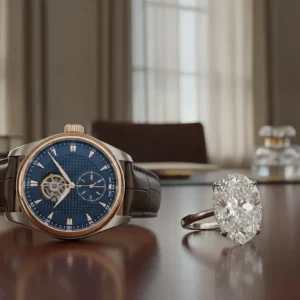
The most common and valuable items used for a Jewelry Equity Loan fall into a few key categories. Classic diamond jewelry and engagement rings are always in demand. High-end luxury watches from iconic brands are also highly sought after and can command significant loan values. Beyond that, fine jewelry from world-renowned designers carries a premium, and even unbranded pieces made of gold, silver, or platinum have substantial value. Understanding what makes an item valuable is the first step in confidently approaching a lender and knowing what to expect from the process.
Diamonds and Engagement Rings
Diamonds and engagement rings are some of the most common and reliable assets to use for a jewelry loan. Their lasting value and consistent market demand make them ideal collateral. Lenders are very familiar with assessing diamonds, evaluating them based on the “4Cs”: cut, color, clarity, and carat weight.
Whether it’s a modern engagement ring, a family heirloom, or a pair of diamond earrings, these pieces hold significant value. Because of their universal appeal, lenders are confident in their ability to appraise them accurately and offer a loan amount that reflects their true worth. This makes diamonds a solid and straightforward choice when you need to secure funds without selling your treasured items.
Luxury Watches
A fine luxury watch is more than just a way to tell time; it’s a precision-engineered asset that often holds or even increases in value. Brands like Rolex, Patek Philippe, Audemars Piguet, and Omega are highly sought after in the secondary market, making them excellent collateral for a loan. When you present a luxury watch, an expert will evaluate its model, age, condition, and rarity.
To get the best possible offer, it’s a great idea to gather the watch’s original box and paperwork. These items help authenticate the watch and prove its provenance, which can add to its value. If you own a high-end timepiece, you can use it to secure a significant loan against your watch quickly and discreetly.
Gold, Silver, and Precious Metals
Don’t overlook the value of your other jewelry and precious metals. Items made from gold, silver, and platinum are excellent forms of collateral. This includes everything from gold chains and bracelets to bullion and coins. The value of these items is primarily determined by their weight and purity (like 14K, 18K, or 22K gold), which is tied to the current market price of the metal.
This makes the valuation process very transparent. If you have old gold jewelry that you no longer wear, or even broken pieces, they still have significant intrinsic value. You can sell your gold or use it as collateral, turning forgotten items into a source of immediate funding without having to part with them permanently.
Fine and Designer Jewelry
Jewelry from famous designer houses like Cartier, Tiffany & Co., Van Cleef & Arpels, and Bulgari carries a value that goes far beyond its raw materials. The brand name itself is a significant asset, representing superior craftsmanship, iconic design, and a strong reputation in the luxury market. These pieces are highly coveted and retain their value exceptionally well.
When you use designer jewelry as collateral, a specialist lender recognizes the premium that the brand name commands. An expert evaluation will consider the piece’s design, collection, rarity, and brand, in addition to the diamonds and metals used. This ensures you receive an offer that reflects the item’s full market value, making designer pieces some of the best assets to use for a jewelry loan.
How Lenders Value Your Jewelry
The number on your insurance appraisal isn’t the same as a loan offer, and understanding why is the key to a successful transaction. A lender’s valuation is a different process with a different goal: to determine the current market value of your item as collateral. It’s not about what it would cost to replace it, but what it’s worth right now. Knowing how experts arrive at this number helps you set realistic expectations and feel confident in the offer you receive. It all comes down to a few core principles of the secondary market.
The Key Factors in an Appraisal
When a lender evaluates your jewelry, they are looking at its resale potential. For diamonds, this means a detailed analysis of the 4 Cs: Cut, Color, Clarity, and Carat weight. For luxury watches like a Rolex or Patek Philippe, the brand, model, age, condition, and the presence of original box and papers are all critical. With gold or platinum pieces, the value is primarily based on the weight and purity (karat) of the metal. A reputable lender will walk you through how each of these elements contributes to their final offer when you sell your jewelry. The goal is to determine the item’s fair market value, which is the price it would command in the current pre-owned market.
Understanding Loan-to-Value Ratios
Once your item’s market value is determined, the lender will offer a percentage of that value as a loan. This is known as the loan-to-value (LTV) ratio. You generally won’t be offered 100% of your item’s worth. This practice protects the lender against price fluctuations and the potential costs of selling the collateral if a loan is not repaid. While some lenders might offer very low LTVs, specialized lenders can provide more competitive ratios. Think of it as the lender sharing the risk. Understanding this concept is crucial for managing your expectations and recognizing a fair Jewelry Equity Loan offer when you see one.
Why Your Loan Offer May Differ From an Appraisal
It’s common for a loan offer to be significantly lower than an insurance appraisal, and there’s a simple reason for it. An insurance appraisal estimates the full retail replacement cost, which includes a jeweler’s markup, marketing costs, and profit. It’s an inflated value designed to cover the cost of buying a brand-new, similar item. In contrast, a lender’s offer is based on the liquid cash value, or what the item could be sold for quickly in the secondary market. This is a much more realistic reflection of its current worth. So, a lower number doesn’t mean you’re being taken advantage of; it simply reflects the different purposes behind the two types of valuations.
Where to Get a Jewelry Loan
When you decide to use your jewelry to access cash, you’ll find a few different types of lenders. Each option offers a unique combination of speed, privacy, and loan value, so it’s helpful to know what to expect. The right choice for you will depend on your financial goals and how you prioritize those factors. Your main avenues are specialized jewelry equity lenders, local pawn shops, and traditional financial institutions like banks. Understanding how each one operates will help you make a confident and informed decision.
Specialized Lenders like Diamond Banc
Specialized lenders are experts in the world of fine jewelry, luxury watches, and diamonds. Unlike generalists, their entire business is built around accurately valuing and lending against these specific assets. Companies like Diamond Banc provide Jewelry Equity Loans, which let you borrow against the value of your items without giving up ownership. Because they have deep market knowledge, they can typically offer higher loan amounts than other lenders. The process is professional, transparent, and discreet, mirroring a private banking experience. If you own a high-value piece and want to work with a team that truly understands its worth, a specialized lender is your best bet.
Pawn Shops
Pawn shops are well-known for offering fast, simple collateral loans on a huge variety of items, including jewelry. If you need cash immediately and value a quick, no-fuss transaction, a pawn loan can be a practical tool. The process is straightforward: you bring in your item, they make an offer, and you walk out with cash if you accept. However, because they deal in everything from electronics to musical instruments, they may not have the specialized expertise to recognize the full value of a designer piece or a significant diamond. This often results in lower loan offers compared to what a jewelry specialist might provide.
Banks and Credit Unions
You might think of your bank first when you need a loan, but you’ll likely find they aren’t an option for borrowing against jewelry. Most regular banks and credit unions do not accept jewelry as collateral for personal loans. Their lending decisions are based almost entirely on factors like your credit score, income, and debt-to-income ratio. They simply aren’t set up to appraise, handle, or store physical assets like fine jewelry. This is a key reason why specialized lenders exist; they fill a crucial gap in the market for people who want to leverage the equity in their tangible assets without going through traditional credit-based lending channels.
Comparing Your Options: Speed, Privacy, and Loan Value
Ultimately, your choice comes down to what matters most to you. Collateral loans are generally easier to get than traditional bank loans because they don’t require a credit check or a lengthy approval process. A pawn shop offers maximum speed, often getting you cash in under an hour. However, that speed may come at the cost of a lower loan amount. On the other hand, a specialized lender provides a more private, professional experience and has the expertise to offer a higher loan value that reflects your item’s true worth. By weighing these factors, you can explore the liquidity options that best align with your personal and financial situation.
Understanding Loan Terms, Rates, and Fees
The fine print is where a good loan offer becomes a great one. Once you have a loan offer based on your jewelry’s value, the next step is to look closely at the terms, rates, and fees. This is where lenders can differ significantly, and understanding these details ensures you’re making a sound financial decision. A reputable lender will always be transparent about their costs, but it’s up to you to ask the right questions. We’ll walk through what to expect with interest rates, how to spot potential hidden fees, and how these loans stack up against other financial options.
Typical Interest Rates and Repayment Schedules
Interest rates on jewelry loans can vary widely, so it’s important to get a clear picture of the cost. Some lenders in the industry charge high monthly interest, which can add up quickly. Before you agree to a loan, ask for the interest rate and confirm whether it’s a monthly or annual figure. You also need to understand the repayment schedule. Many jewelry equity loans are structured as short-term notes, often with a 30, 60, or 90-day term. A flexible lender will allow you to extend your loan by simply paying the monthly interest, giving you more time if you need it without defaulting. Always get a written statement of the total repayment amount.
Hidden Fees to Watch Out For
The interest rate isn’t the only cost to consider. Some lenders, especially traditional pawn shops, may include extra charges that aren’t always obvious. Be on the lookout for hidden costs like application fees, appraisal fees, insurance surcharges, or storage fees. These can quickly increase the total cost of your loan. A trustworthy lender will provide a clear, all-inclusive quote. Don’t be afraid to ask directly: “Are there any other fees or charges besides the interest that I should be aware of?” Your lender should be able to provide a simple, straightforward answer. If you feel like you’re getting the runaround, that’s a major red flag to consider other financial services.
How Jewelry Loan Rates Compare to Other Options
A jewelry loan occupies a unique space in the financial world. Unlike a personal loan from a bank, it doesn’t require a credit check or a lengthy application process. This makes it an accessible option for securing funds quickly and privately. While the interest rate on a jewelry loan may be higher than a traditional loan secured by a bank, it’s often a more straightforward and faster process. You are simply using an asset you already own to access its equity. This is a powerful alternative if you need immediate liquidity without wanting to sell your item or affect your credit history. You can always speak with an expert at one of our locations to discuss your specific situation.
Why Choose a Jewelry Loan? The Key Benefits
When you need access to funds, a jewelry loan offers a unique set of advantages that set it apart from traditional bank loans or selling your items outright. It’s a solution designed for flexibility, privacy, and peace of mind. If you’re considering this path, understanding the core benefits can help you decide if it’s the right financial move for your situation. Let’s look at what makes a Jewelry Equity Loan such a compelling option for so many people. These loans provide immediate liquidity by using your valuables as collateral, giving you a straightforward way to get the capital you need without the usual strings attached.
No Credit Check Needed
One of the biggest hurdles with traditional loans is the credit check. A low score or even just the inquiry itself can be a roadblock. With a jewelry equity loan, that concern is off the table. Because the loan is secured by the value of your jewelry, your credit history doesn’t factor into the decision. This means the process has absolutely no impact on your credit score. It’s a private financial transaction that stays off your credit report entirely, making it an ideal choice for business owners, freelancers, or anyone who prefers to keep their financial arrangements discreet. You can secure significant funding based on your assets, not your FICO score.
Keep Ownership of Your Valuables
Perhaps the most significant emotional and financial benefit of a loan is that you retain ownership of your precious items. Selling a family heirloom or a beloved Rolex is a permanent decision. A loan, however, is temporary. Your item simply acts as collateral while the loan is active. Once you repay the loan, your jewelry is returned to you, safe and sound. This structure allows you to access the equity tied up in your valuables without having to part with them for good. It’s the perfect solution when you need funds but aren’t ready to say goodbye to a piece that holds sentimental or long-term investment value.
Get Fast, Private Access to Funds
In situations where time is critical, waiting for a bank to approve a loan isn’t always an option. The jewelry loan process is designed for speed and complete confidentiality. After an expert evaluation, you can often receive funds the very same day. The entire transaction is handled with the utmost privacy, without the extensive paperwork or financial disclosures required by traditional lenders. Whether you’re seizing a business opportunity or managing an unexpected expense, you can get the money you need quickly and discreetly. You can often start the process online or visit a private office, like one of Diamond Banc’s nationwide locations, for a personal consultation.
No Obligation to Accept an Offer
Getting a quote for a jewelry loan should be a pressure-free experience. Reputable lenders understand that you need to evaluate your options. When you submit your item for an evaluation, you are under no obligation to accept the loan offer. If the amount or terms don’t work for you, you can simply decline the offer and have your item returned immediately, with no fees or strings attached. This transparency empowers you to make the best decision for your financial circumstances. It ensures you feel confident and in control throughout the process, knowing you can walk away at any time before finalizing the agreement.
What Are the Risks to Consider?
A jewelry loan can be a fantastic financial tool, but like any decision involving your money and valuable assets, it’s wise to go in with your eyes wide open. Understanding the potential risks helps you protect yourself and your belongings. When you know what to look for, you can confidently choose a lender who is transparent, fair, and has your best interests at heart. The biggest risks usually come down to three things: the possibility of losing your item, the total cost of borrowing, and the accuracy of your jewelry’s valuation.
Thinking through these factors ahead of time is the best way to ensure a smooth and positive experience. A trustworthy lender will be upfront about their process and work with you to find a solution that feels right. Their goal should be to provide you with the funds you need while making sure you fully understand the terms of the agreement. By being an informed borrower, you hold the power to make the best choice for your financial situation and your cherished jewelry.
The Risk of Losing Your Item
The most significant risk with any asset-backed loan is the possibility of losing your collateral if you can’t repay the loan. A jewelry loan is a secured agreement, meaning the item you provide guarantees the funds you receive. If you default on the loan, the lender is legally entitled to keep your item to cover their loss.
The good news is that this isn’t a surprise event. The loan terms will clearly state the repayment schedule and what happens if you miss a payment. Reputable lenders prefer you to successfully repay your loan and retrieve your item, as it builds a better long-term relationship. They will often communicate with you before the deadline to ensure you have a plan. The key is to borrow an amount you are confident you can repay within the agreed-upon timeframe.
The Cost of Interest and Fees
Jewelry loans are not free; the interest and fees are how lenders operate. These costs can vary dramatically from one lender to another, which is why you should always ask for a complete breakdown of the charges before you agree to anything. Some lenders may advertise a low interest rate but make up for it with hidden processing fees, insurance charges, or late payment penalties.
These costs can add up, making some loans more expensive than they first appear. Always ask for the Annual Percentage Rate (APR), which includes both the interest rate and any associated fees, to get a true picture of the loan’s cost. A transparent lender will have no problem explaining their fee structure, allowing you to compare different financial services and choose the most affordable one.
The Problem of Undervaluation
Your loan offer is directly tied to the lender’s assessment of your item’s liquid value. A common concern is that a lender might undervalue your jewelry, resulting in a lower loan offer than you deserve. This is especially a risk with lenders who lack deep expertise in specific markets like luxury watches, designer jewelry, or large diamonds. Their uncertainty can lead them to make a conservative, lowball offer to protect themselves.
To avoid this, it helps to work with a specialist who truly understands the value of your assets. While getting a separate appraisal can be useful, a top-tier lender will have expert evaluators on staff who can explain their valuation process step-by-step. They should be able to tell you exactly how they arrived at their offer when you sell your jewelry or use it for a loan, giving you confidence in their assessment.
How to Prepare for a Loan Evaluation
Walking into a loan evaluation can feel intimidating, but it doesn’t have to be. A little preparation goes a long way in making the process smooth, transparent, and successful. When you arrive organized and informed, you signal to the lender that you understand the value of your item and are serious about the process. This helps them provide you with the most accurate and competitive offer possible. Taking a few simple steps beforehand ensures you have a clear understanding of your item’s worth and gives you the confidence to secure the best terms. Think of it as setting yourself, and your valuable jewelry, up for success.
Gather Your Documentation
The first step is to collect any paperwork related to your item. This includes the original box, sales receipts, diamond grading reports (like those from GIA), and any previous appraisals. As one expert notes, you should “bring any documentation you have.” These papers help establish your item’s history and quality, which are key factors in its valuation. While your jewelry might have deep personal meaning, it’s important to remember that its loan value is based on objective market data, not sentiment. Providing clear documentation helps the lender accurately assess its characteristics, which can directly influence the strength of your loan offer.
Get an Independent Appraisal
To set realistic expectations, it’s wise to “take your jewelry to a professional appraiser before approaching a lender.” This step helps you avoid any major surprises between what you think your item is worth and the lender’s evaluation. An independent appraisal gives you a solid baseline value from a neutral third party. Just be sure to ask for a fair market value appraisal, which reflects what the item would sell for today, rather than an insurance appraisal, which estimates the higher cost of replacement. Having this information in hand empowers you to have a more informed conversation about your Jewelry Equity Loan.
Confirm Secure Storage for Your Items
When you use a piece of jewelry as collateral, you are entrusting someone with a valuable and often sentimental asset. Before you agree to any loan, you need to know exactly how your item will be protected. A reputable lender will be completely transparent about their security measures. Ask them directly: Where will my jewelry be stored? Is it fully insured against loss, damage, or theft? A professional lender will confirm that “your valuable items are kept safe and insured in their special vault while you have the loan.” You should feel confident that your piece is secure from the moment you hand it over until it’s back in your possession. You can often visit the lender’s physical locations to get a sense of their professionalism.
How to Choose the Right Lender
When you decide to use your jewelry to get a loan, the lender you choose is just as important as the item you use for collateral. The right partner will make the process feel simple and secure, while the wrong one can leave you with unfair terms and a lot of stress. Think of it as a short-term business partnership. You need a lender who is transparent, reputable, and respects the value of your assets. Before you hand over your grandmother’s diamond ring or your prized Rolex, it’s essential to do a little homework.
Taking the time to vet your options ensures you get a fair loan amount, a reasonable interest rate, and the peace of mind that comes from knowing your valuables are safe. The best lenders are upfront about their process and happy to answer your questions. They understand that you are trusting them with something meaningful. As you explore your liquidity options, focus on a few key areas: the lender’s reputation, the clarity of their loan terms, their fee structure, and the security measures they have in place. These four pillars will help you find a trustworthy lender and make a financial decision you can feel good about.
Check Their Reputation and Reviews
A lender’s reputation is your first and best clue about the kind of experience you can expect. Start by searching for the company online and reading through recent customer reviews on Google or Trustpilot. While a perfect five-star record is rare for any business, you should see a consistent pattern of positive feedback. Look for comments that mention professionalism, fairness, and good communication. A trustworthy lender will have a solid track record and often a physical presence with local offices you can visit. Pay attention to how the company responds to any negative reviews, as this can show you how they handle issues when they arise. A little research upfront can save you from a major headache later.
Compare Interest Rates and Terms
Once you’ve found a few reputable lenders, it’s time to compare their offers. Interest rates and repayment terms can differ significantly, so don’t just accept the first offer you receive. A typical Jewelry Equity Loan might have a monthly interest rate, but the total cost depends on the loan’s duration. Ask for a clear schedule of payments so you know exactly how much you will owe and when. Some lenders offer more flexibility than others, so find out what happens if you need to extend your loan or want to pay it off early. Getting quotes from two or three different sources will give you the leverage and information you need to select the best possible terms for your situation.
Insist on Fee Transparency
A low interest rate can be misleading if a loan is loaded with hidden charges. Before you agree to anything, ask for a complete and detailed breakdown of all associated fees. Some lenders may charge for the initial appraisal, loan origination, or even insurance and storage. A reputable company will be completely transparent about these costs from the very beginning. If a lender is vague about their fee structure or you have trouble getting straight answers, consider it a red flag. The total cost of the loan, not just the interest rate, is what matters for your bottom line. You should feel confident that there will be no surprises waiting for you down the road.
Verify Their Security and Insurance Policies
You are handing over a valuable and often sentimental item, so you need to know it will be protected. Ask direct questions about the lender’s security and insurance policies. Find out exactly where your jewelry will be stored and what measures are in place to keep it safe, like vault storage and 24/7 surveillance. Most importantly, confirm that your item is fully insured against loss, theft, or damage for its entire market value while it’s in the lender’s care. A professional lender will have a secure process and be able to provide documentation of their insurance coverage. This isn’t just a formality; it’s your guarantee that your asset is protected.
Is a Jewelry Loan Right for You?
Deciding whether to use your jewelry to get a loan is a big decision. It’s not just about the money; it’s about your valuables and your peace of mind. A jewelry loan can be an incredibly useful financial tool in certain situations, but it’s not always the perfect fit for everyone. The key is to understand when it makes sense for your specific needs and when you might want to explore a different path. By weighing the pros and cons honestly, you can make a choice that feels right for you and your financial goals. Let’s walk through the scenarios where a loan shines and where another option might be better.
When It’s a Smart Financial Move
A jewelry loan is an excellent choice when you need cash quickly but don’t want to permanently part with a treasured item. Think of it as a short-term liquidity solution. Maybe you have an unexpected expense or a time-sensitive investment opportunity. Instead of a lengthy bank process, you can get funds in as little as a day. The best part? The entire process is private and has no impact on your credit score. Because the loan is secured by your item’s value, there are no credit checks involved. This is a core benefit of a Jewelry Equity Loan. You get the cash you need, and once the loan is repaid, your beloved watch or engagement ring is returned to you, safe and sound.
When Another Option Might Be Better
If you have an item you’ve inherited or simply no longer wear, and you don’t feel a strong sentimental attachment, a loan might be an unnecessary step. In this case, it could be more straightforward to sell your jewelry outright. This gives you the full market value in cash without worrying about interest payments or repayment deadlines. You also need to be realistic about the costs. While a loan from a reputable lender offers fair terms, the interest and fees are a real expense. If you aren’t confident in your ability to repay the loan on schedule, you risk losing your item. It’s always wise to choose a trusted, specialized lender who can guarantee your item’s safety and offer transparent terms.
Frequently Asked Questions
Will getting a jewelry loan affect my credit score? No, it will not. Because a jewelry loan is secured by the value of your item, your credit history is not a factor in the approval process. The transaction is a private agreement between you and the lender, so it does not get reported to credit bureaus and will not appear on your credit report.
Why is my loan offer different from my insurance appraisal value? An insurance appraisal estimates the full retail cost to replace your item with a brand new one, which includes significant markups for profit and marketing. A loan offer, however, is based on the item’s current fair market value, which is what it could be sold for in the pre-owned market today. This liquid value is a more realistic reflection of its immediate worth as collateral.
What happens if I need more time to repay my loan? Reputable lenders understand that situations can change and prefer to work with you. If you find you need more time, the best step is to communicate with your lender before the due date. Often, you can extend the loan term by simply paying the interest that has accrued, which gives you additional time to repay the principal amount.
Is it better to get a loan or just sell my jewelry? This decision really comes down to your connection with the item and your financial goals. If you have a piece with sentimental value that you want to keep for the future, a loan is the ideal path because you retain ownership. If you have an item you no longer want or wear, selling it outright provides a clean break and immediate cash without any repayment obligations.
How is a specialized lender different from a regular pawn shop? A specialized lender focuses exclusively on assets like fine jewelry, diamonds, and luxury watches. Their experts have deep market knowledge, allowing them to accurately value your item and typically offer a higher loan amount. The experience is also more like private banking, with a focus on discretion and professional service, whereas a pawn shop is a generalist that handles a wide variety of goods and may not recognize the full value of a high-end piece.
Like what you’re reading?
Related Posts
 Instagram
 Facebook
 Tiktok
 YouTube