The most common question we hear is, “What is my diamond ring actually worth?” It’s a simple question with a complicated answer. The price you paid or the value on an insurance appraisal rarely matches what you’ll receive on the secondary market. Understanding this difference is the first step toward a successful sale. Your ring’s value is determined by its specific qualities and the current market demand. To get a great price, you need to work with a buyer who understands and appreciates those details. Finding the best way to sell a diamond ring isn’t about finding the quickest offer; it’s about finding an expert who can accurately assess its value and provide a competitive, transparent price. We’ll show you what factors matter most and how to use that knowledge to your advantage.
Key Takeaways
- Focus on Market Value, Not Insurance Appraisals: Your ring’s insurance appraisal is for replacement purposes and is almost always higher than its resale value. The actual cash offer you receive will be based on its market value, which is determined by the 4 Cs and current industry demand.
- Decide if Speed or Price Is Your Priority: Your best selling option depends on your goals. Direct buyers offer immediate cash for convenience, while services like a seller’s agent aim for the highest possible price over time by reaching a wider market.
- Get Multiple Quotes to Set Your Bottom Line: Never take the first offer. Gathering several quotes from different buyers helps you understand your ring’s true market value and empowers you to set a realistic walkaway price before you negotiate.
What’s Your Diamond Ring Really Worth?
Figuring out what your diamond ring is actually worth can feel like a mystery. While it holds sentimental value, its market value depends on a few key, objective factors. Understanding these elements will help you set realistic expectations and navigate the selling process with confidence. Let’s break down what really determines the price you can expect to get for your diamond ring.
How the 4 Cs Affect Your Resale Value
The foundation of any diamond’s value rests on the 4 Cs: Color, Clarity, Cut, and Carat weight. These are the universal characteristics that every jeweler and buyer uses to assess quality. Color refers to the absence of color in a diamond, with a perfectly colorless stone being the most valuable. Clarity measures the presence of internal or external flaws, called inclusions and blemishes. The fewer the flaws, the higher the value.
Cut is about the diamond’s proportions and how well it reflects light, which determines its sparkle. Finally, Carat is simply the diamond’s weight. While a larger carat size often means a higher price, the other three Cs play a huge role in the final number. A smaller diamond with excellent color, clarity, and cut can be worth more than a larger one with poor qualities.
Appraisal Value vs. Resale Value: Know the Difference
This is one of the most important things to understand: your ring’s appraisal value is not its resale value. An appraisal, typically done for insurance purposes, reflects the full retail cost to replace the ring brand new. This number is almost always higher than what you could get by selling it. Think of it like a new car; the moment you drive it off the lot, its resale value is less than what you paid.
The resale value, or market value, is what a buyer is willing to pay for a pre-owned ring today. This is the number that matters when you decide to sell your jewelry. Knowing this difference from the start helps you manage your expectations and avoid disappointment.
The Impact of Lab-Grown Diamonds on the Market
The jewelry market is always changing, and the rise of lab-grown diamonds has had a real effect on the resale value of natural diamonds. Lab-grown diamonds offer buyers a similar look, often at a lower price point, which has shifted some demand away from natural stones, particularly in more common sizes and qualities. This doesn’t mean your natural diamond is worthless, but it is a market reality that can influence offers. An expert buyer will be up-to-date on these trends and can explain how they affect your ring’s specific value. This is why working with a trusted professional who understands the current diamond market is so important.
How to Prep Your Diamond Ring for Sale
Before you start looking for a buyer, taking a few simple steps to prepare your diamond ring can make a significant difference in the offers you receive. Think of it like getting a car ready for sale; a little bit of prep work shows off its true value and helps buyers see its full potential. Putting in this effort upfront can streamline the selling process and help you secure the best possible price.
Get an Appraisal
Knowing the specifics of your diamond is the first step to understanding its value. If your ring came with a grading report from a reputable gemological lab like the GIA or IGI, you’re already ahead of the game. This report is the most respected documentation of your diamond’s characteristics. If you don’t have one, getting a formal appraisal can be helpful, but it’s important to know that an appraisal value (often for insurance purposes) is typically higher than the cash offer you’ll receive. The most important thing is to understand the current market value, which is what a buyer is willing to pay today. Our experts at Diamond Banc evaluate your ring based on its unique qualities and real-time market data to determine its true liquid value.
Gather Your Paperwork
Now is the time to track down any and all documents related to your ring. This includes the original sales receipt, diamond grading certificates, and any past appraisals. Think of this paperwork as your ring’s official record. It provides a buyer with proof of its quality, characteristics, and history. Having these documents ready not only makes the evaluation process smoother but also builds trust and shows that you’re a prepared seller. When you sell your jewelry to us, providing this information from the start helps our team give you a prompt and accurate initial offer, getting you one step closer to receiving your funds.
Clean Your Ring
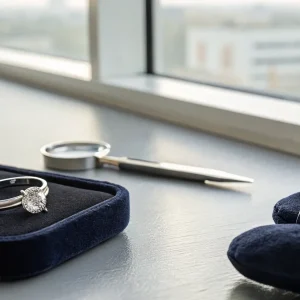
A clean, sparkling ring is infinitely more attractive than one that’s dull from daily wear. Before you take photos or show your ring to anyone, give it a good cleaning. While you can use a soft brush and gentle soap at home, we recommend a professional cleaning for the best results. A jeweler can safely steam clean the ring, removing any built-up dirt and lotion from under the setting, which will make your diamond sparkle brilliantly. This small step makes a huge first impression and helps your ring look its absolute best. It’s a simple way to present your ring in the best possible light and highlight its beauty and quality for potential buyers.
Take High-Quality Photos
Great photos are essential, especially when you begin the selling process online. Clear, detailed pictures allow a buyer to make a fair initial assessment of your ring. You don’t need to be a professional photographer, just follow a few simple rules. Use natural, indirect daylight instead of a harsh flash. Place your ring on a plain, neutral background (like a white sheet of paper) to avoid distractions. Be sure to take shots from several angles: a top-down view, a side profile, and a close-up of any engravings or designer markings. These images are your first opportunity to showcase your ring’s value when you explore your liquidity options online.
Where Can You Sell a Diamond Ring?
Once you’ve decided to sell, you’ll find you have quite a few options. The right choice for you really depends on your priorities. Are you looking for the highest possible price, no matter how long it takes? Or do you need cash quickly and conveniently? Some paths offer speed, while others offer a higher potential return. You can sell directly to a professional buyer, try your luck on a public marketplace, or work with a specialist who can market your ring to a network of potential buyers. Understanding the pros and cons of each avenue will help you make a confident decision that aligns with your goals. Let’s walk through the most common places to sell your diamond ring so you can figure out which one fits your situation best.
Diamond Banc
As a national company specializing in luxury jewelry, we offer a secure and straightforward process for you to sell your jewelry. We are direct buyers, which means we make an immediate offer and you get paid right away. Our team of experts evaluates your ring based on the current market value of its diamonds, precious metals, and craftsmanship to provide a competitive offer. You can start the process online from anywhere in the country or visit one of our local offices for an in-person consultation. We pride ourselves on transparency and providing a high level of service, ensuring you feel comfortable and informed every step of the way.
Local Jewelers
Selling to a local jeweler can be a convenient option, especially if you have a trusted relationship with one in your community. The process is typically fast; you can walk in, have your ring evaluated on the spot, and often leave with a check the same day. A reputable jeweler will have a good understanding of the local market and can make you a fair wholesale offer. Keep in mind that their offer is based on the price at which they can resell the ring, so it will be lower than what a final customer would pay. This is a good choice if your main priority is speed and face-to-face interaction.
Online Marketplaces
Platforms like eBay and Facebook Marketplace allow you to set your own price and sell directly to another person, cutting out the middleman. This approach can potentially yield a higher price, but it also comes with significant risks and effort. You are responsible for everything: taking high-quality photos, writing a compelling description, responding to inquiries, and vetting potential buyers. It’s crucial to be cautious of scams and to insist on secure payment methods. For local sales, always arrange to meet in a safe, public place. This path requires the most work and diligence on your part.
Specialized Diamond Buyers
Online platforms that specialize in buying diamonds and jewelry have become a popular choice. Companies like Worthy or myGemma act as intermediaries, connecting you with a network of professional buyers. They typically facilitate the process through direct offers or by putting your ring up for auction among pre-vetted bidders. These services provide secure, insured shipping and manage the transaction for you, making it a safer online alternative to an open marketplace. While they take a commission, their broad reach can sometimes lead to better offers than you might get from a single local jeweler, providing a good balance of convenience and value.
Auction Houses
If your diamond ring is particularly rare, a high-carat antique, or from a famous designer like Cartier or Tiffany & Co., an auction house could be your best bet. Auction houses like Sotheby’s or Christie’s attract serious collectors and high-net-worth individuals who are willing to pay a premium for exceptional pieces. However, this is not a quick or guaranteed path. The consignment process can take months, and there are significant commission fees if your item sells. This option is best suited for sellers who are not in a hurry and own a truly top-tier, investment-grade ring.
Speed vs. Value: What’s Your Priority?
When you decide to sell your diamond ring, one of the first questions to ask yourself is what matters more: getting the most money possible or getting cash quickly? The path to the highest offer often requires patience, while the fastest options usually come with a lower payout. There’s no right or wrong answer; it all depends on your personal situation and goals. Understanding your priority will help you choose the best selling method for you.
Your Best Options for Fast Cash
If you need money in your hands today, your first thought might be a local pawn shop. While they are certainly fast, it’s important to know that they typically pay the lowest prices, sometimes only offering the “scrap” or wholesale value of the metal and heavily discounting the diamond. A better option for getting a competitive offer quickly is to work with a specialized jewelry buyer. At Diamond Banc, we can often complete the entire process, from evaluation to payment, in as little as 24 hours. You get the speed you need without sacrificing as much of your ring’s value. You can start the process online or visit one of our locations for an immediate, in-person evaluation.
How to Get the Maximum Return
If your main goal is getting the highest possible price and you’re not in a rush, you have a few options. To get a price closest to retail, you’ll need to sell directly to the person who will wear the ring. This can mean listing it on online marketplaces, but that requires a lot of work and comes with its own risks. Another route is traditional consignment, where a local jeweler sells the ring for you. This can bring in a good price, but you’ll have to wait for a buyer and pay a hefty commission, typically 25-40%. A more streamlined approach is our Seller’s Agent Service, which markets your ring to a global network of buyers to get you top dollar without the hassle.
Does Timing Your Sale Make a Difference?
Many people wonder if they should wait for a “good time” to sell their diamond. The truth is, the resale market for diamonds is complex. The growing popularity of lab-grown diamonds has given buyers more choices and has impacted the resale value of many natural diamonds. Because of this, trying to “time the market” is often less effective than simply finding the right buyer. Instead of waiting for market conditions to change, your focus should be on getting a fair, expert evaluation based on your ring’s specific qualities today. When you sell your jewelry to a reputable expert, you can be confident the offer reflects its true current market value, removing the guesswork for you.
Should You Sell Your Diamond Ring Online?
Deciding to sell your diamond ring online can feel like standing at a crossroads. On one hand, the internet offers a global marketplace right at your fingertips, promising a vast pool of potential buyers. On the other, it can feel like the Wild West, full of potential pitfalls and uncertainty. The truth is, selling online can be a fantastic option, but it requires a smart approach. You wouldn’t just hand your ring over to a stranger on the street, and the same caution applies online. For a complete walkthrough — from choosing a selling strategy to safe shipping and secure payment — see our step-by-step guide to selling an engagement ring online.
The key is to understand the landscape. There are different types of online buyers, from large marketplaces and auction platforms to specialized companies that buy jewelry directly. Each path has its own set of rules, risks, and rewards. Your goal is to find a process that not only gets you a great price but also ensures your valuable asset is safe and secure every step of the way. By weighing the pros and cons, you can make an informed choice that aligns with your priorities, whether that’s getting the highest possible offer or having the fastest, most secure transaction.
The Pros of Selling Online
One of the biggest draws of selling online is the potential for a higher payout. Online-first companies often have lower overhead costs than traditional brick-and-mortar stores, which means they can sometimes extend more competitive offers to you. You also gain access to a much larger market than your local area provides, increasing the chances of finding a buyer who truly values what you have. Plus, the convenience is undeniable. You can start the process from your couch, get initial offers without leaving home, and use secure, insured shipping to handle the logistics. This makes it easy to sell your jewelry to a trusted national buyer no matter where you live.
The Cons and Risks to Consider
The biggest risk of selling online is security, especially on peer-to-peer marketplaces. When you cut out the middleman entirely, you open yourself up to potential scams, lowball offers from non-experts, and the logistical hassle of meeting up with strangers. It’s also important to have realistic expectations. Most consumer jewelry doesn’t hold its appraised value on the secondary market, and it can be difficult to get a great price without an expert’s help. Without a professional evaluation, you risk undervaluing your ring or falling for an offer that seems too good to be true. Always be cautious and prioritize your safety and the security of your item above all else.
When to Sell In Person
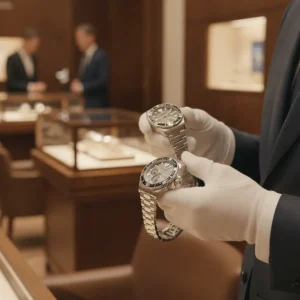
If the thought of shipping your diamond ring off gives you pause, selling in person is an excellent alternative. An in-person transaction provides a level of transparency and peace of mind that’s hard to replicate online. When you work with a reputable local buyer, you can be present for the entire evaluation, ask questions in real time, and receive immediate payment. This is the ideal route if you value a personal connection and want to eliminate any uncertainty from the process. Visiting one of our nationwide locations gives you the opportunity to sit down with an expert, understand the value of your ring, and walk away with a check in hand, all in one visit.
What Is a Seller’s Agent Service?
If you’ve ever sold a house, you know the value of a good real estate agent. They handle the marketing, vet the buyers, and negotiate to get you the best price. A seller’s agent for jewelry works in a similar way. It’s a service where an expert acts as your personal representative, using their industry knowledge and network to sell your diamond ring for its highest possible value. This is a more involved and strategic approach than traditional consignment, which often involves just placing an item in a display case and waiting. A true seller’s agent actively works to find the best market for your specific piece.
At Diamond Banc, our Seller’s Agent Service is designed for clients who want to maximize their return and are willing to wait for the right buyer. We act on your behalf, marketing your piece to a global network of collectors, retailers, and private buyers. Instead of just hoping for a local customer, we actively find the best sales channel to meet your financial goals, managing the entire process from start to finish. It’s the most effective way to ensure you’re getting top dollar for a significant piece of jewelry.
Traditional Consignment Explained
Consignment is a common way to sell jewelry. The process is straightforward: you leave your diamond ring with a jeweler, and they agree to sell it on your behalf. When the ring sells, the jeweler takes a commission, and you receive the rest of the payment. This can be a decent option, as it often yields a higher payout than selling directly to a pawn shop or a “we buy gold” business.
However, traditional consignment has its limits. Your ring is typically only shown to customers who walk into that specific store, which can mean a long waiting period. The jeweler is also juggling the sale of their own inventory, so your piece might not always be their top priority. The commission rates can also vary widely, and you don’t always have visibility into the marketing efforts being made for your item.
How Our Seller’s Agent Service Works
Our Seller’s Agent Service is a modern, elevated version of consignment. It begins with a thorough evaluation of your diamond ring by our GIA-trained experts. We assess its market value based on real-time data and provide you with a transparent analysis. From there, we develop a custom sales strategy. Instead of just waiting for a buyer, we proactively market your ring to the most suitable audience, whether that’s a private collector looking for a specific style or a retailer in another city.
We handle everything: professional photography, fielding inquiries, and negotiating with potential buyers to secure the highest offer. Because we have a vast network, we can find the person who will pay the most for your specific piece, not just the first person who shows interest. This active management is how we consistently achieve sale prices that are significantly higher than what you could get through a direct sale. It’s one of the best ways to sell your jewelry when maximizing value is your primary goal.
Is This Service Right for You?
Deciding on the right selling method comes down to your personal priorities. Our Seller’s Agent Service is the ideal choice if your main goal is to get the highest possible price for your diamond ring and you are not in an immediate rush for funds. It’s perfect for anyone who wants an expert to manage the complexities of the sale and leverage industry connections they wouldn’t otherwise have access to. If you lack the time or expertise to market a high-value piece yourself, letting us act as your agent is a smart move.
On the other hand, if you need cash quickly, an immediate sale might be a better fit. We understand that every situation is unique, which is why we provide multiple ways to get paid for your jewelry. You can always explore your options with one of our experts to determine which path aligns best with your financial needs and timeline.
How to Get the Best Price for Your Diamond Ring
Selling a diamond ring is a business transaction, and your goal is to get the best possible return. It’s not about luck; it’s about being prepared. When you walk into a negotiation armed with knowledge, you hold the power to secure a price that truly reflects your ring’s value. The process comes down to three key strategies: comparing your options, setting your price boundaries, and having a crystal-clear understanding of any and all costs involved. By following these steps, you can move forward with confidence, knowing you’ve done everything you can to maximize your payout. This isn’t just about selling an item, it’s about honoring its value and ensuring you receive a fair and satisfying outcome.
Always Get Multiple Quotes
You should never accept the first offer you receive, no matter how good it sounds. Think of it this way: different buyers have different business models and clienteles. A local jeweler might be looking for inventory that appeals to their specific community, while a national buyer has a much broader market to serve. Because of this, their offers can vary significantly. The best way to understand the true market value of your ring is to get a professional offer from a few different, reputable sources. Collecting several written quotes allows you to compare them side-by-side and gives you a realistic baseline. This simple step puts you in control and ensures you’re not leaving money on the table.
Know Your Bottom Line
Before you even begin a conversation with a potential buyer, you need to know your numbers. This means establishing two key figures: a realistic target price and a firm walkaway price. Your target price is the amount you’re hoping to get, based on your research and initial quotes. Your walkaway price is your absolute bottom line, the minimum amount you will accept before you thank the buyer for their time and move on. Selling a piece of jewelry can be an emotional process, and having these numbers set in stone beforehand prevents you from making a decision in the heat of the moment that you might regret later. This is your financial safety net.
Understand Fees and Commissions
The offer price is not always the amount of cash you’ll have in hand at the end of the day. When you’re evaluating offers, it’s crucial to ask about any fees or commissions that might be deducted from the final sale price. Some services, particularly consignment platforms, charge a percentage of the sale. This fee can range from 10% to 20% or more, depending on the value of your item. Always ask for a net payout sheet that clearly outlines all deductions. A straightforward purchase offer from a direct buyer is often simpler, as the price they offer is the price you get. If you explore a consignment route, like our Seller’s Agent Service, make sure the fee structure is transparent from the start.
Mistakes to Avoid When Selling Your Diamond Ring
Selling a diamond ring can feel like a complicated process, but knowing what to watch out for makes it much easier. The path to getting a fair price is paved with good information, and unfortunately, there are a few common missteps that can cost sellers time, money, and peace of mind. Whether you’re parting with an engagement ring after a life change or selling an inherited piece, you deserve a transparent and respectful transaction. The key is to approach the sale as an informed business decision.
This means taking a moment to separate the emotional value from the market value and understanding the factors that buyers truly care about. It also means recognizing that not all offers are created equal. Some buyers may count on you being in a hurry or uninformed. By learning to spot these potential pitfalls ahead of time, you put yourself in the driver’s seat. Think of it as your personal checklist for a successful sale. We’ll walk through the most frequent mistakes we see sellers make, from jumping on the first offer to letting feelings cloud their judgment, so you can confidently sell your jewelry for the best possible price.
Accepting the First Offer
It can be tempting to take the first offer you receive, especially if you’re looking for a quick sale. However, this is one of the most common ways sellers leave money on the table. Without comparing offers, you have no way of knowing if the price you’re being quoted is fair, low, or even competitive. The first offer simply sets a baseline. To truly understand your ring’s market value, you need multiple data points. As experts at Golden Anvil note, it’s wise to obtain written estimates from a few different sources. This simple step allows you to compare apples to apples and gives you the confidence that you’re making the right choice, not just the fastest one.
Skipping the Appraisal
Walking into a negotiation without knowing the specs of your diamond is like trying to sell a car without knowing its make, model, or mileage. An appraisal or lab report provides the essential details a buyer needs to determine value: the carat weight, color, clarity, and cut of your diamond. While the appraised value for insurance is different from the resale value, the report itself is an invaluable tool. It gives you an objective, professional opinion on your ring’s characteristics. Having this information on hand not only helps you understand what you have but also shows potential buyers that you’re a serious and knowledgeable seller, leading to a more transparent and straightforward negotiation.
Trusting an Offer Without an In-Person Assessment
Be wary of any buyer who gives you a firm, guaranteed offer over the phone or via email before seeing your ring. While a preliminary estimate can be helpful, a final offer should only come after an expert has physically examined the piece. Some less-reputable buyers use a “bait-and-switch” tactic, quoting a high price to get you in the door and then drastically lowering the offer after inspection. A trustworthy buyer will explain that any initial quote is pending a hands-on evaluation. This is why visiting a professional at one of our locations or using a secure, fully insured mail-in service with a clear evaluation process is so important for your protection.
Letting Emotion Drive the Sale
It’s completely normal to have an emotional attachment to a piece of jewelry, especially a diamond ring. However, letting those feelings guide your financial decisions can be a major mistake. The sentimental value is priceless to you, but a buyer will only see the ring’s market value. It’s a hard truth that most consumer jewelry is not a financial investment that appreciates over time; its resale value is often significantly less than its original retail price. By acknowledging this reality upfront, you can approach the sale with a clear head, focus on the objective facts, and negotiate for the best possible market price without the disappointment of an unrealistic expectation.
Frequently Asked Questions
Why is the offer for my ring so much lower than its appraisal value? This is the most common point of confusion, so let’s clear it up. An appraisal is almost always for insurance purposes, reflecting the full retail cost to replace your ring with a brand new one. A resale offer, however, is the current market price for a pre-owned item. Think of it like a car; its value is highest the moment before you drive it off the lot. Our offers are based on the real-time market value, which is the most accurate reflection of what your ring is worth today.
What if I don’t have the original box or paperwork for my ring? Don’t worry, this is very common, especially with inherited jewelry. While having the original documents like a GIA certificate is helpful, it is not a requirement to sell your ring. Our expert evaluators can accurately assess your diamond’s quality (the 4 Cs) and the ring’s overall value through a physical inspection. The most important thing is the ring itself, not its packaging.
Is it really safe to mail my valuable ring to sell it? We understand this concern completely, and your peace of mind is our top priority. When you work with us, the entire process is fully insured and secure. We provide you with prepaid shipping labels and detailed instructions for packaging your item safely. From the moment it leaves your hands to the moment it arrives at our office, your ring is protected and tracked every step of the way.
How do I decide between a direct sale and your Seller’s Agent Service? The right choice really comes down to your personal priority: speed or maximum value. If you need funds quickly and want a straightforward, guaranteed transaction, a direct sale is your best option. We make an immediate offer, and you get paid right away. If your goal is to get the highest possible price and you have time to wait for the right buyer, our Seller’s Agent Service is the perfect fit. We market your ring to our global network to find the buyer willing to pay top dollar.
Will cleaning my ring actually get me a better price? While a good cleaning won’t change the fundamental characteristics of your diamond, it absolutely makes a difference. A clean, sparkling ring makes a fantastic first impression and allows our experts to get a clearer view of the diamond’s quality without dirt or oils in the way. It shows that the ring has been cared for and helps us see its full potential, which can only help you during the evaluation process.
Like what you’re reading?
Related Posts
 Instagram
 Facebook
 Tiktok
 YouTube