Rolex vs. Patek Philippe: Which Holds Value Better?
 Written By: Mills Menser
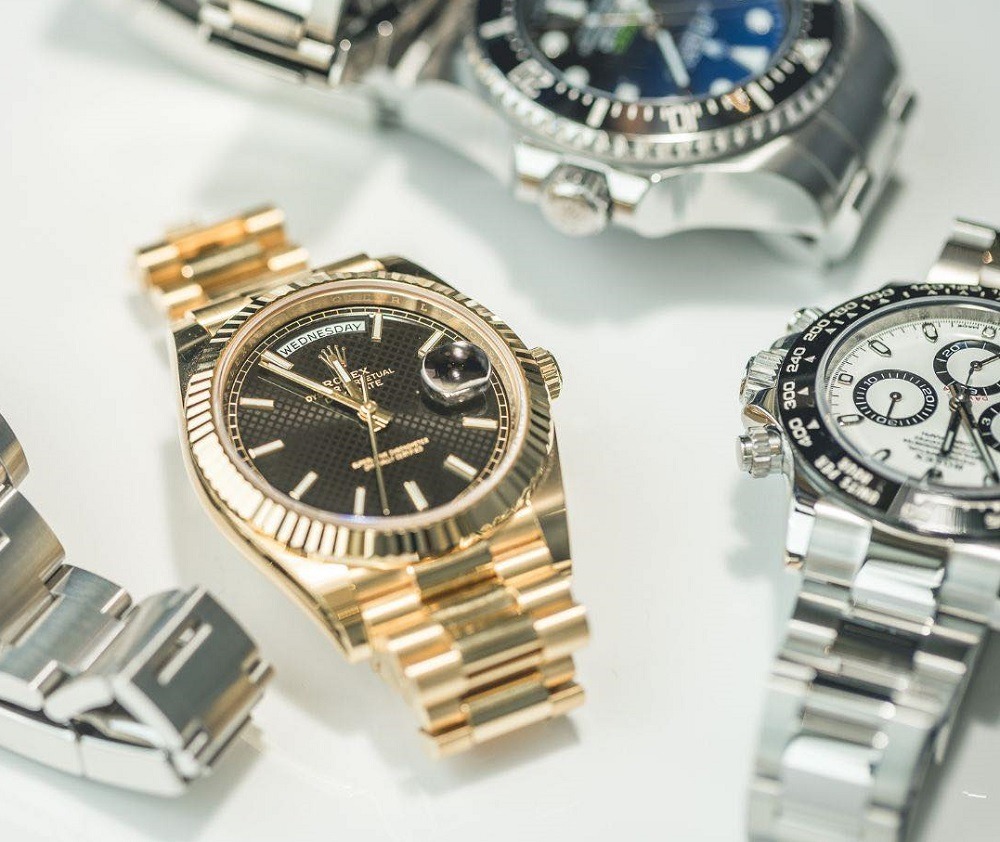
Both Rolex and Patek Philippe are exceptional at retaining value, but they serve different investment strategies. Rolex is generally a safer, more liquid, and more consistent investment, with high-demand steel sports models often appreciating. Patek Philippe holds superior value for rare, high-complication, or specific models like the Nautilus.
| Factor | Rolex | Patek Philippe |
|---|---|---|
| Value retention | Strong and consistent, especially steel sports models like the Submariner and Daytona | Generally higher percentage retention, especially rare, high-complication, or sports references like the Nautilus |
| Annual production | Estimated 800,000 to 1.2 million watches per year | Estimated 60,000 to 72,000 watches per year |
| Liquidity | High — large, universal buyer pool and typically faster resale | Lower — narrower collector market that may take longer to find the right buyer |
| Price behavior in recent cycles | More moderate swings during the 2021–2022 surge and the correction that followed | Sharper swings, especially for Nautilus references, which climbed higher and corrected more during the same period |
| Best-performing models | Submariner, Daytona, GMT-Master II | Nautilus, Aquanaut |
If you own a luxury timepiece, you’ve likely wondered what it’s actually worth on the secondary market. This question becomes especially pointed when comparing the two titans of haute horlogerie, Rolex and Patek Philippe. Both brands carry prestige. Both command premium prices. But when it comes to holding value over time, they behave quite differently in the resale market.
At Diamond Banc, we evaluate and purchase luxury watches daily. Our team has handled thousands of Rolex and Patek Philippe timepieces, giving us direct insight into how these brands perform when owners decide to sell or leverage their value.
If you’re curious about what your specific watch is worth today, contact us today for a complimentary, no-obligation evaluation from our watch specialists.
Which Brand Actually Holds Value Better?
This is the question every luxury watch owner eventually asks. The answer depends on how you define “better” and what matters most to your financial situation.
The Short Answer
Patek Philippe generally retains a higher percentage of its original retail value over time compared to Rolex. However, this statement requires immediate qualification because the watch market is far more nuanced than a simple brand-to-brand comparison suggests.
Why It’s Not That Simple
Sought-after Patek Philippe watches frequently sell on the secondary market at or above their original retail prices, particularly sports models and complicated pieces. Rolex watches, while they may not always match Patek’s percentage retention, offer unparalleled liquidity and demand consistency.
The “better” choice depends entirely on what you prioritize. Do you want maximum value retention or maximum ease of sale?
How Production Volume Affects Resale Value
Scarcity drives value in the luxury watch market just as it does in any collectible category. Understanding how many watches each brand produces helps explain their different resale dynamics.
The Numbers Gap
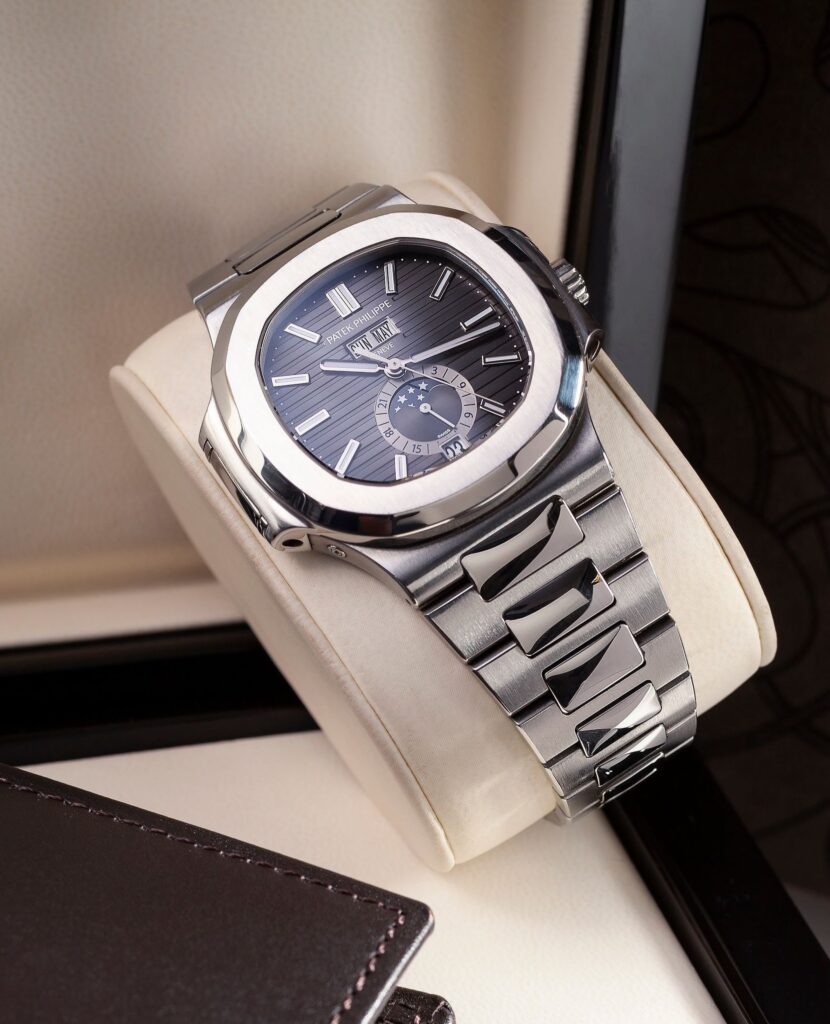
While neither manufacturer publicly discloses official production figures, industry observers widely agree that Patek Philippe produces far fewer watches annually than Rolex. Estimates suggest Patek’s output is measured in tens of thousands, while Rolex operates at a scale many times larger. This production disparity creates fundamentally different supply-demand dynamics in the secondary market.
Patek’s Scarcity Advantage
When a Patek Philippe owner decides to sell, they’re offering one of the relatively few pieces available at any given time. Collectors and enthusiasts who missed retail availability often turn to the secondary market as their only acquisition path. This scarcity supports price stability and, for sought-after references, price appreciation.
Rolex’s Volume Reality
Rolex’s larger production volume means more units circulating in the resale market at any time. While demand for Rolex remains extraordinarily strong, the greater supply moderates the extreme price premiums that characterize Patek transactions.
In our experience purchasing these watches, a pre-owned Patek in excellent condition routinely commands a higher percentage of its retail price compared to a comparable Rolex, with notable exceptions for certain references on both sides.
The Liquidity Factor: Selling Speed and Buyer Pool
Value retention percentages only tell part of the story. How quickly you can convert your watch to cash matters just as much when you need funds.
Rolex’s Universal Recognition
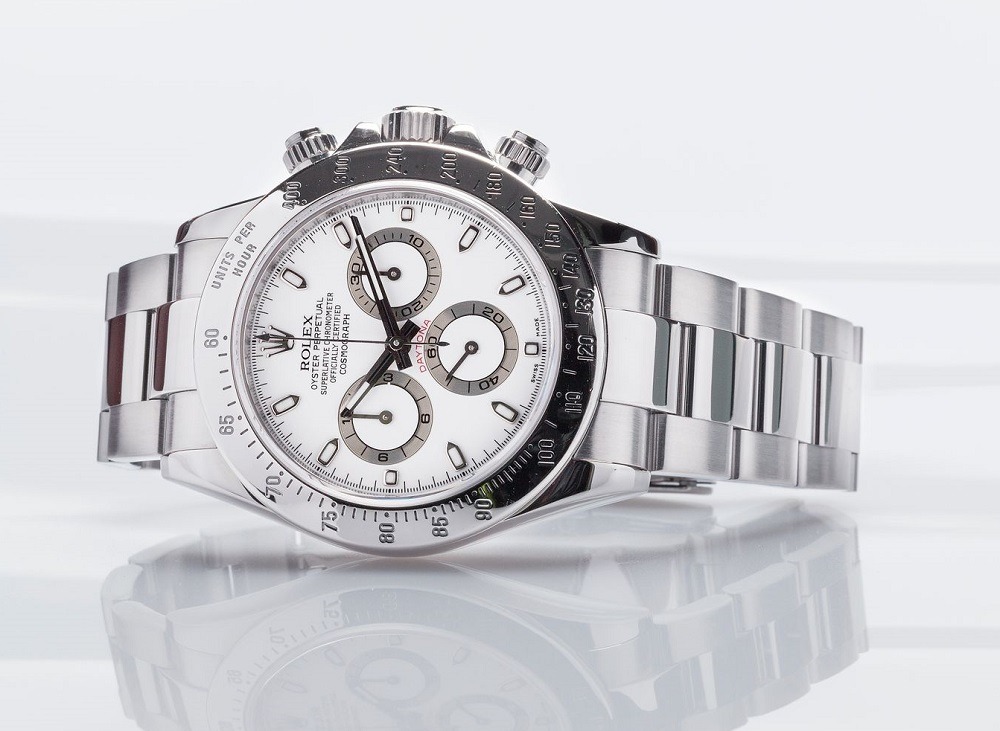
Rolex demonstrates a distinct advantage that pure value-retention metrics overlook. Virtually everyone recognizes a Rolex. The brand’s global awareness translates directly into buyer pool size. When you sell a Rolex, you’re accessing a market that includes serious collectors, casual enthusiasts, first-time luxury buyers, and gift purchasers alike.
Patek’s Narrower Audience
Patek Philippe, despite its prestige within horological circles, lacks this universal recognition. The buyer pool skews toward knowledgeable collectors who understand what they’re purchasing. This creates a market that, while willing to pay premium prices, contains fewer participants.
What This Means for Sellers
A Rolex Submariner in good condition can sell within days. A Patek Philippe Calatrava might require a more patient approach to find the right buyer at the right price. Neither outcome is inherently better, but they represent different experiences for sellers with different timelines and priorities.
Not All Models Are Created Equal
Comparing brands as if they were uniform categories leads to flawed conclusions. Both Rolex and Patek Philippe contain models that dramatically outperform and underperform their brand averages.
The Rolex Hierarchy
Within Rolex, the Submariner and Daytona occupy a different market position than the Datejust or Air-King. Sports models with steel cases and waiting lists at authorized dealers consistently outperform dressier references on the secondary market.
- Stainless steel Daytona:Purchased at retail and sold years later, might return more than the original investment
- Two-tone Datejust: From the same period, will likely show depreciation
The Patek Hierarchy
Patek Philippe exhibits similar stratification. The Nautilus and Aquanaut, the brand’s steel sports watches, have become cultural phenomena with resale values that can far exceed retail prices during peak demand.
- Nautilus & Aquanaut: Steel sports models with resale values that can far exceed retail prices
- Entry-level Calatrava: Retains value respectably but doesn’t generate the same fervor or premiums
The Reference Number Matters
When sellers bring us their watches, we often find that owners of “lesser” models from prestigious brands expect valuations comparable to the flagship pieces they’ve read about. The specific reference number on your watch matters enormously.
How Each Brand Weathered Recent Market Shifts
Past performance offers insight into how these brands behave under pressure. The recent market cycle provided a stress test that revealed meaningful differences between Rolex and Patek Philippe.
The 2021-2022 Boom
The luxury watch market experienced a remarkable surge through 2021 and into early 2022, followed by a correction that tested both brands’ resilience. This recent history offers valuable insight into how these manufacturers perform under stress.
Patek’s Wild Ride
Patek Philippe values, particularly for Nautilus references, climbed to unprecedented heights during the boom, with some models trading at multiples of their retail prices. When the correction arrived, these same watches experienced sharper percentage declines simply because they had further to fall. Even after significant pullback, however, many Patek sports models still traded well above their original retail prices. That volatility hasn’t dented Patek’s ceiling — in May 2026, a 1943 stainless-steel Patek Philippe Ref. 1518 sold for CHF 14,190,000, a world record for a vintage Patek Philippe wristwatch, part of a broader wave of record-setting watch auction results reshaping how collectors view top-tier pieces.
Rolex’s Steadier Path
Rolex proved more stable through this volatility. Prices rose less dramatically during the surge and fell less severely during the correction. The swings were more moderate in both directions. For owners evaluating their position, this pattern suggests Rolex offers steadier, more predictable value curves, while Patek delivers higher potential returns with correspondingly higher volatility.
When the General Rule Doesn’t Apply
Every market has outliers, and the watch market is no exception. Knowing when brand-level generalizations break down can save you from costly miscalculations.
Vintage Rolex Exceptions
Honest analysis requires acknowledging the exceptions that complicate any brand-level generalization. Vintage Rolex sports models, particularly those with historically notable provenance or rare dial variations, can match or exceed Patek in value retention and appreciation. A Paul Newman Daytona exists in a collecting category where normal market rules simply don’t apply.
Patek’s Underperformers
Conversely, Patek Philippe’s annual calendar and simpler complications, while technically impressive, don’t command the premiums of the sports line. An owner who purchased a Patek expecting Nautilus-level returns from a different reference may face disappointment.
Condition Trumps Brand
Condition also transcends brand. A Patek Philippe in poor condition with missing documentation will underperform a pristine Rolex with a complete box and papers. The completeness of the sale package, including the original receipt, warranty cards, boxes, and accessories, affects value across both brands.
What This Means for Your Timepiece
Theory and market analysis only matter insofar as they help you make better decisions about your specific watch. Here’s how to apply these insights to your situation.
If You Own a Rolex
You hold an asset with extraordinary liquidity, reliable value retention for most modern models, and global buyer demand that simplifies any future sale decision.
If You Own a Patek Philippe
You hold an asset with generally superior percentage retention, potential for appreciation on select references, and access to a collector market that values rarity and horological pedigree.
So Which Brand Wins?
Neither position is objectively superior. The better investment depends on which qualities align with your financial goals and timeline.
At Diamond Banc, we provide precise market valuations based on current demand, not theoretical assessments or outdated pricing guides. Whether you’re looking to sell outright, explore a loan against your timepiece, or simply understand your watch’s current market position, our specialists offer straightforward guidance rooted in daily transaction experience.
Your watch has a story and a value. We’re here to help you understand both. Check your Rolex’s value instantly, or contact us for a personalized evaluation.
Frequently Asked Questions
Which holds value better, Rolex or Patek Philippe?
Patek Philippe generally retains a higher percentage of its original retail value compared to Rolex, particularly for sports models like the Nautilus and Aquanaut. However, Rolex offers superior liquidity and more stable price curves, making it easier to sell quickly at predictable values.
Does Rolex hold its value over time?
Yes, Rolex watches generally hold their value well. Sports models like the Submariner and Daytona often trade above retail price on the secondary market. However, value retention varies by model, with dressier references like the Datejust showing more modest performance.
Why is Patek Philippe resale value so high?
Patek Philippe’s high resale value stems from limited production, strong collector demand, and brand prestige. The company produces far fewer watches annually than Rolex, creating scarcity that supports premium pricing on the secondary market.
How many watches does Patek Philippe make per year?
Patek Philippe produces an estimated 60,000 to 72,000 watches annually, though the company does not officially disclose production figures. This is significantly less than Rolex, which produces an estimated 800,000 to 1.2 million watches per year.
What Rolex models hold their value best?
Stainless steel sports models hold value best, particularly the Daytona, Submariner, and GMT-Master II. These references frequently trade above retail price due to high demand and limited availability at authorized dealers. Dressier models like the Datejust typically show more depreciation.
Is a Patek Philippe Nautilus a good investment?
The Patek Philippe Nautilus has proven to be a strong investment, with models like the 5711 trading at multiples of their original retail price. Even after the 2022-2023 market correction, Nautilus references remained well above retail value on the secondary market.
Do Rolex watches appreciate in value?
Select Rolex watches do appreciate in value, especially discontinued references and steel sports models with high demand. However, not all Rolex watches appreciate. Two-tone and dressier models often sell at or below retail price on the secondary market.
Which is easier to sell, Rolex or Patek Philippe?
Rolex is easier to sell due to universal brand recognition and a larger buyer pool. A Rolex Submariner can sell within days, while a Patek Philippe may require more time to find the right buyer willing to pay premium prices.
Does having the box and papers affect Rolex or Patek value?
Yes, having the original box, papers, warranty cards, and service records increases value by approximately 15-20% for both brands. Complete documentation provides authenticity verification and provenance that buyers pay premium prices for.
Did Rolex and Patek Philippe values drop in 2022-2023?
Yes, both brands experienced price corrections after the 2021-2022 market surge. Patek Philippe saw sharper percentage declines because prices had climbed higher during the boom. Rolex proved more stable, with smaller swings in both directions. By 2024-2025, prices for popular references had stabilized.
 Instagram
 Facebook
 Tiktok
 YouTube