Understanding the Impact of Estate Condition on Rolex Resale Value
 Written By: Mills Menser
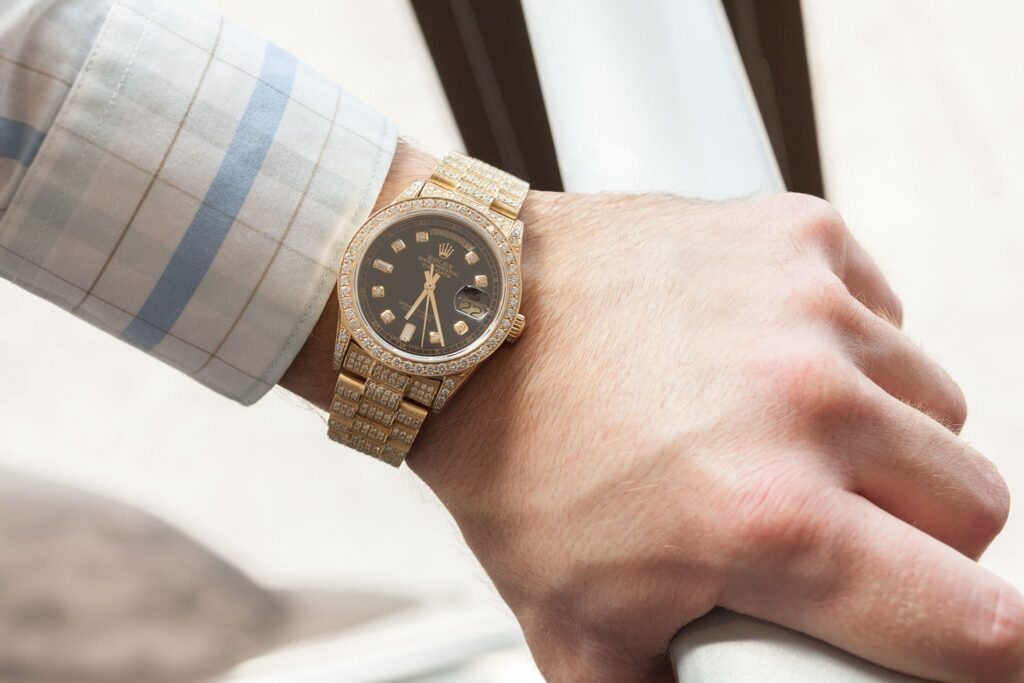
An estate Rolex’s resale value is driven by its originality and condition. A complete set in mint, unpolished condition can command 30-50% more than a similar watch with heavy wear or replacement parts. A documented service history adds value, while aftermarket components significantly decrease it. Details like dial condition and bracelet stretch also impact the final price.
When you inherit a Rolex or purchase one from an estate sale, its condition becomes the single biggest factor in what you can actually get for it.
Estate pieces often live complicated lives before they reach you. Some sat in safes for decades, pristine and untouched. Others were worn daily, serviced irregularly, and maybe subjected to a questionable polish job at some point. The difference between these scenarios can mean thousands (sometimes tens of thousands) of dollars in resale value.
Understanding how the Rolex condition impacts its worth isn’t just academic curiosity. It’s real money. Whether you’re looking to sell, insure, or simply understand what you own, knowing how wear patterns, service history, and originality affect value helps you make smarter decisions.
Diamond Banc specializes in evaluating luxury watches, providing fast assessments and competitive offers based on current market conditions.
What Physical Wear Patterns Tell Buyers About Estate Rolex Watches
Physical wear reveals how a watch lived its previous life. And buyers notice everything.
Bracelet stretch is often the first giveaway. When you pick up an estate Rolex, hold it horizontally by one end. If it sags noticeably, that’s wear. Vintage collectors sometimes accept this on older pieces, but on modern Rolexes (anything from the 2000s forward), excessive stretch suggests hard daily wear. Replacement bracelets exist, but they’re expensive—often $1,500 to $3,000 depending on the model.
Case edges tell stories too. Rolex cases have sharp, defined lines when new. Years of wear (and especially polishing) soften these edges. Run your finger along the lugs where the bracelet attaches. Feel how crisp those transitions are? Professional dealers check this instantly. An over-polished case might lose 15-25% of its value.
Crystal condition matters less than you’d think. Scratches on acrylic crystals (pre-1980s models mostly) actually add character for vintage collectors. Sapphire crystals on modern pieces rarely scratch under normal use. If you see deep gouges, something unusual happened.
Bezel condition varies by model. Ceramic bezels on newer Submariners and GMT-Masters hold up beautifully. Aluminum bezels on vintage pieces fade and scratch, which collectors often prefer (that’s natural patina). But damaged ceramic bezels? That’s a problem requiring expensive replacement.
The crown and tube area deserves attention. Look for gaps between the crown and case when it’s screwed down. Excessive wear here suggests water might have compromised the movement. Check for green corrosion around the crown threads, a red flag that salt water or moisture got inside.
How Original Parts Versus Replacements Impact Estate Value
Here’s where estate Rolexes get complicated: parts.
Collectors pay a premium for completely original watches. We’re talking about every component that left the factory and is still present decades later. Original dial, hands, bezel insert, crystal, bracelet, and clasp. The “all-original” status can increase the value of vintage pieces by 40-60%.
Replacement dials can significantly decrease the value of a watch. Rolex only sells service dials through authorized service centers, and these lack the patina and character of aged original dials. If someone replaced a tropical (naturally browned) dial with a stark white service dial, they might have destroyed $10,000+ in value. Some vintage Submariners with original, faded dials sell for $30,000, while identical references with service dials fetch $15,000.
Hands get replaced during servicing too. Original tritium hands that match the dial’s aging? Valuable. Mismatched service hands with bright white lume? Problem. Collectors want consistency.
Bezels present interesting scenarios. Original aluminum bezel inserts on vintage GMT-Masters and Submariners command huge premiums, especially with desirable fading patterns. But if the insert is cracked or missing, replacement becomes necessary. Aftermarket inserts tank value. Genuine Rolex service parts maintain more worth but still can’t match original aged inserts.
Movement parts are trickier to verify without opening the case. Service history documentation helps here. If the previous owner had movements serviced at authorized dealers, you at least know genuine Rolex parts went in. Undocumented service raises questions about what’s actually inside.
Even crowns and tubes matter. Original Rolex crowns have specific markings that changed over decades. Wrong crown for the era? That’s a clue someone replaced it, possibly indicating a water damage history.
The Role of Service History and Documentation in Estate Pricing
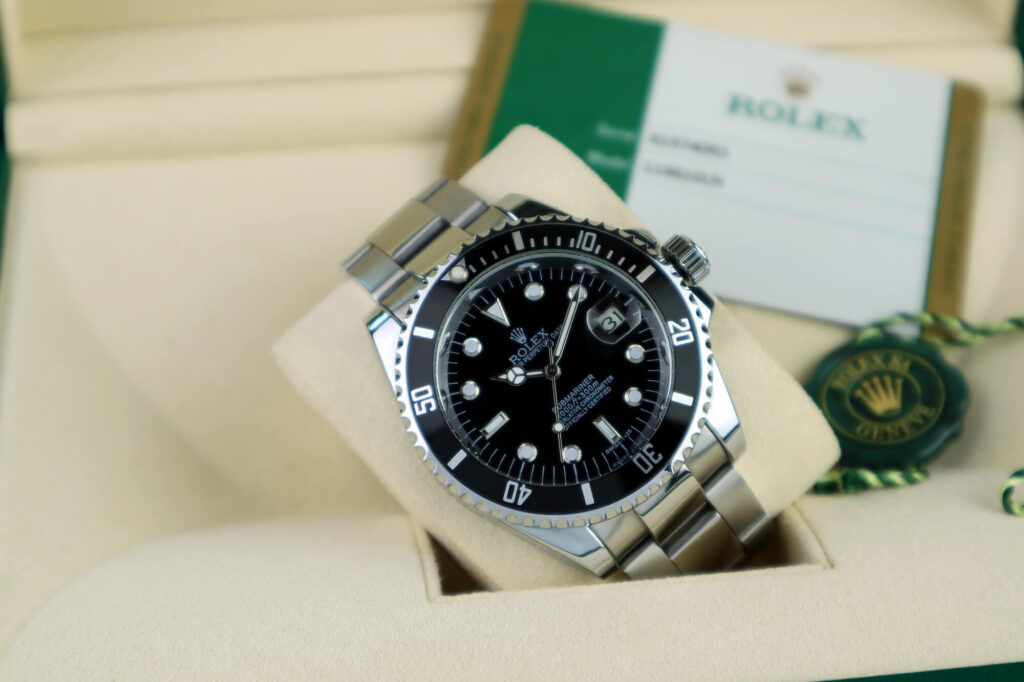
Documentation separates premium prices from average ones.
Original papers (including the warranty card or certificate) prove authenticity and ownership lineage. For modern Rolexes, papers might add $1,000-$2,000 to the value. For vintage pieces, especially rare references, papers can add $5,000-$10,000 or more. Why? Because authentication becomes certain, and provenance matters.
The original box adds value too, though less than papers. Expect a $300-$800 premium for correct-era boxes on most models. Rare vintage boxes? Could be $2,000+.
Service records tell you what happened during the watch’s life. Receipts from authorized Rolex service centers confirm the watch received proper maintenance with genuine parts. This documentation can add 10-15% to the value because buyers gain confidence. No service history? That’s not necessarily bad, but it means uncertainty.
Gaps in documentation create questions. If a watch is 30 years old with zero service records, buyers wonder about the movement condition. Has it been serviced, but the documentation was lost? Or has it never been serviced, meaning it’s ticking on decades-old lubricants? Both scenarios affect value differently.
Complete sets include the watch, box, papers, service records, and even original receipts and hang tags. Those command top dollar. Collectors call these “complete set” or “full set” pieces. They represent the absolute pinnacle of preservation and can sell for 25-35% more than watch-only examples.
Recent service sometimes helps, sometimes hurts. If an authorized dealer serviced the watch last year, that’s generally positive (though some collectors prefer unrestored vintage pieces). But if someone had it serviced and replaced original patinated parts with bright new ones, the value might have dropped despite the “improvement.”
Why Polishing History Matters More Than You Think
Polishing is controversial in the Rolex world. And with good reason.
Every time someone polishes a Rolex case, metal gets removed. There’s no other way to eliminate scratches except by grinding away material to create a new, smooth surface. Do this enough times, and you alter the case’s original proportions. Sharp edges become rounded. Lug widths narrow. Case thickness decreases.
Unpolished cases command significant premiums in collector markets. A never-polished vintage Submariner might sell for $20,000, while an over-polished example brings $12,000. That’s an 8,000-dollar difference for metal removal.
How can you tell? Look at those lugs again. They should have knife-edge sharpness where bevels meet. Compare them to online photos of new examples. Soft, rounded edges indicate polishing. Between-lug areas should be flat with crisp transitions to chamfers. Uneven wear or “dishing,” suggests aggressive polishing.
Case backs have their own stories to tell. When new, Rolex case backs are completely flat. If you see waves, swirls, or rounded edges, someone polished it (probably multiple times). Numbers and hallmarks should be crisp and deep. Faint markings? Over-polished.
But context matters. A daily-worn 1970s Datejust that’s been lightly polished once or twice? That’s acceptable to most buyers and barely impacts value. A rare 1960s Daytona that’s been aggressively polished five times? That situation is a tragedy for collectors, as it significantly diminishes the value of their items.
Some polishing is inevitable on older watches. The question becomes: was it done carefully by someone who understands Rolex case architecture, or did someone with a buffing wheel attack it? Professional restoration polishing by respected watchmakers maintains case geometry and barely impacts value. Aggressive jewelry-store polishing creates problems.
Modern Rolexes (2000s onward) shouldn’t need much polishing anyway. If you encounter a 2015 Submariner that’s been heavily polished, ask why. What kind of life did this watch lead?
Special Considerations for Vintage Versus Modern Estate Rolexes
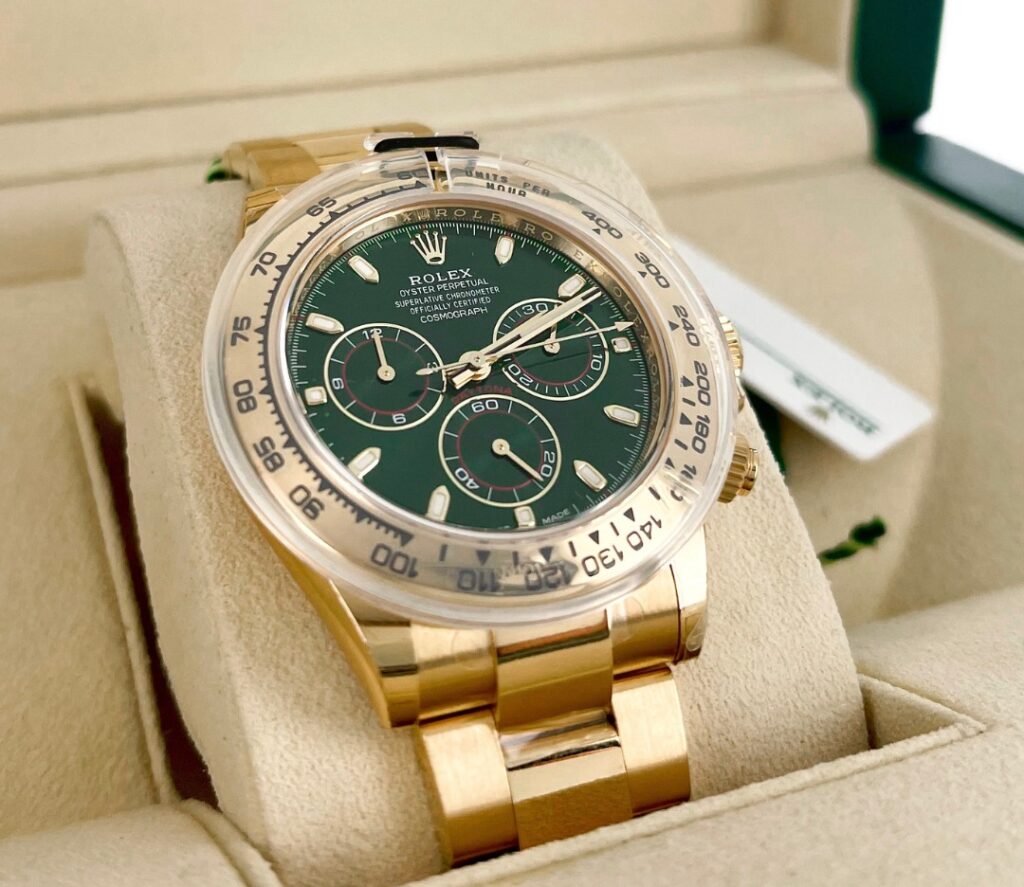
Vintage Rolexes, roughly pre-1990, get judged differently than modern ones. Collectors expect patina, expect some wear, and expect service parts on very old pieces. A 1965 Submariner with a slightly faded dial and gentle wear? That’s a desirable character. The same condition on a 2010 Submariner? That’s just wear that decreases value.
Tritium aging matters on vintage pieces. Pre-1998 Rolexes used tritium lume that ages to cream, yellow, or brown tones. Consistent aging across dial and hands (called “matching patina”) is highly valued. Mismatched aging suggests replaced parts. Some collectors pay huge premiums for specific tropical (brown) aging patterns.
Modern Rolexes use Super-LumiNova or Chromalight that doesn’t age the same way. These should stay bright white or blue. If they don’t, something’s wrong; it’s either fake lume or environmental damage.
Parts availability affects things. Vintage parts are harder to source, so some replaced components become acceptable. But modern Rolexes have no excuse for aftermarket parts since genuine service parts remain available.
The scratch and wear tolerance shifts with age. A 50-year-old watch should show its life. A 5-year-old watch shouldn’t look beaten up. Buyers adjust their expectations and pricing accordingly.
Ceramic bezels on modern pieces (2010s forward) should be nearly perfect. These essentially don’t scratch or fade under normal use. If one’s damaged, that suggests impact or misuse that buyers will question.
Movements present different concerns too. Vintage movements might need replacement parts just to function and that’s acceptable. Modern movements should run perfectly with minimal service needs. If a 2018 Rolex needed major movement work, buyers wondered why.
Condition Is Everything: Maximize Your Estate Rolex’s Value
Estate condition affects Rolex resale value is more than almost any other factor. You can’t change the model or reference, but the condition determines whether you’re getting top dollar or accepting a steep discount.
Original parts, minimal polishing, documented service, and consistent aging patterns separate premium pieces from compromised ones. The difference isn’t subtle either. We’re talking about 30-50% value swings based purely on how well previous owners maintained and preserved their watches.
If you’re evaluating an estate Rolex, invest time in careful inspection or professional assessment. Those details translate directly into dollars. Ready to understand what your estate Rolex is really worth? Diamond Banc offers expert evaluations of luxury watches with transparent pricing and fast service.
Frequently Asked Questions
Not typically, but it depends on what happened during service. Proper servicing by authorized Rolex dealers generally maintains or slightly increases value by ensuring the watch functions correctly. However, if service involves replacing original vintage parts (especially dials or hands) with modern service parts, its value can decrease significantly. Documentation of service history helps, and recent service can be a selling point for buyers concerned about immediate maintenance needs.
An unpolished case can add 15-30% to the value of vintage pieces and 10-15% to modern Rolexes, depending on the model and market demand. Collectors specifically seek unpolished examples because original case geometry and sharp edges can never be restored once removed. Rare vintage sports models like early Submariners or Daytonas show the most dramatic premiums for unpolished condition, sometimes commanding $10,000+ more than polished examples.
No, you can’t truly restore an over-polished case. Once metal is removed, it’s gone permanently. Some restoration specialists can slightly improve case appearance by carefully refining surfaces and sharpening remaining edges, but they can’t replace removed material or restore original proportions. This is why over-polished cases always sell at a discount. The best approach is prevention. Avoid unnecessary polishing and use professional watchmakers who understand proper Rolex case architecture when polishing becomes necessary.
Yes, mismatched papers (where serial numbers don’t match) eliminate much of the documentation premium since they don’t prove the watch’s authenticity or ownership history. However, the watch itself retains its base value. Correct papers might add $1,000-$10,000 depending on model and era, so mismatched papers mean you lose that premium. It’s better to have no papers than wrong papers, since mismatched documentation raises authentication concerns that can actually decrease value below no-papers pricing.
The original bracelet is quite important, potentially affecting 10-20% of the total value depending on the model. Rolex bracelets are expensive to replace ($1,500-$3,000+), so buyers factor this into offers. Beyond cost, original bracelets with correct date codes for the watch era matter to collectors. Some vintage pieces had multiple bracelet options from the factory, and having the correct reference adds value. Aftermarket bracelets significantly hurt value, while period-correct vintage Rolex bracelets maintain worth even if not original to that specific watch.
 Instagram
 Facebook
 Tiktok
 YouTube