A Rolex sale can raise recordkeeping questions even when the watch has been owned for years. Documents showing how the watch came into your hands and what you received can help clarify the tax picture. A sale price alone does not establish whether there is a gain.
A useful starting point for Rolex tax considerations when selling is the difference between the amount realized and the watch’s adjusted tax basis. The IRS generally treats personal-use property as a capital asset. But the result depends on the watch’s history and the seller’s circumstances, and a personal-use loss generally is not deductible.
That framework makes the first practical question less about guessing a tax outcome and more about understanding which general rules may apply to a particular sale.
Get a fair offer for your Rolex
How to Handle Rolex Tax Considerations When Selling
For U.S. owners, Rolex tax considerations when selling begin with the federal rules for personal-use property. That does not mean every sale creates tax, or that the amount received is automatically taxable income. The relevant question is generally how the sale proceeds compare with the watch’s adjusted basis, alongside the facts of ownership and use.
The IRS explains that most property held for personal or investment purposes is a capital asset. In general, the difference between an asset’s adjusted basis and the amount realized from its sale is a capital gain or loss. If the sale amount is greater than adjusted basis, there may be a gain. If it is lower, there may be a loss, but a loss on personal-use property generally is not deductible.
For the general federal framework, see IRS Topic No. 409.
Basis is a tax term for the amount invested in property, adjusted as applicable. For a straightforward purchase, cost is generally the starting point, but the basis may not be as simple as the original price. The way the watch was acquired, relevant ownership records, and any applicable adjustments can affect the analysis. A gift or inheritance can involve separate basis rules, so a current owner’s out-of-pocket cost may not tell the whole story. Keep those situations distinct rather than assuming one calculation applies to every seller.
The ownership period may also matter. Federal tax guidance generally distinguishes between short-term and long-term capital gains or losses based on how long an asset was held. The rule has exceptions, and the resulting tax treatment depends on more than the watch alone. A seller’s overall tax situation and other relevant details can change the answer. There is no universal tax rate or outcome that can be responsibly applied to every Rolex sale.
These are general U.S. federal concepts, not tax or legal advice. State rules and individual circumstances may also be relevant. For a specific transaction, gather the acquisition and sale records. Ask a qualified tax professional how the rules relate to your ownership history, use of the watch, and tax return. This section is a starting point for that conversation, not a determination that a sale is taxable or that a particular deduction is available.
Why Does the Way You Acquired the Watch Matter?
A purchase receipt may help establish what you paid, but it may not tell the whole story if the watch came to you as a gift or inheritance. For tax purposes, basis is the starting point used to work out a property’s gain or loss. The IRS says basis is generally an asset’s cost, while gifted and inherited property can follow separate rules. That makes the ownership history relevant when you discuss a future sale with a tax professional.
If you bought the watch, consider keeping the original receipt or invoice and any records of acquisition costs. The IRS explains that basis is generally cost, which may include sales tax and other costs related to acquiring the property. Those records can help explain how you arrived at a figure; they do not by themselves determine the tax treatment of a later sale. The IRS overview of basis and property transactions also directs owners of gifted or inherited property to different basis guidance.
For a gift, the amount you paid may be zero, but that does not automatically mean the property’s tax basis is zero. The donor’s records or other documents describing the transfer may help a tax professional investigate which rules apply. If available, preserve correspondence or a written gift record alongside any information about the watch’s prior ownership. These are practical recordkeeping suggestions, not forms required by Diamond Banc or a determination of the correct basis.
Inherited property has its own federal rules. The IRS says basis is generally tied to the property’s fair market value on the decedent’s date of death. An alternate valuation date applies only in a specific circumstance involving an estate tax return and an executor’s election. The IRS advises contacting the estate executor for information about the value used. Review the IRS guidance on gifts and inheritances, and keep any estate or transfer records available for professional review.
When the original paperwork is missing, avoid guessing at a purchase price or inherited-property basis. Gather what you can, note what remains uncertain, and ask a qualified tax professional how the ownership history affects your circumstances. This is general U.S. federal tax information, not individualized tax or legal advice; state rules and personal facts may also matter.
What Documents Should a Rolex Seller Keep?
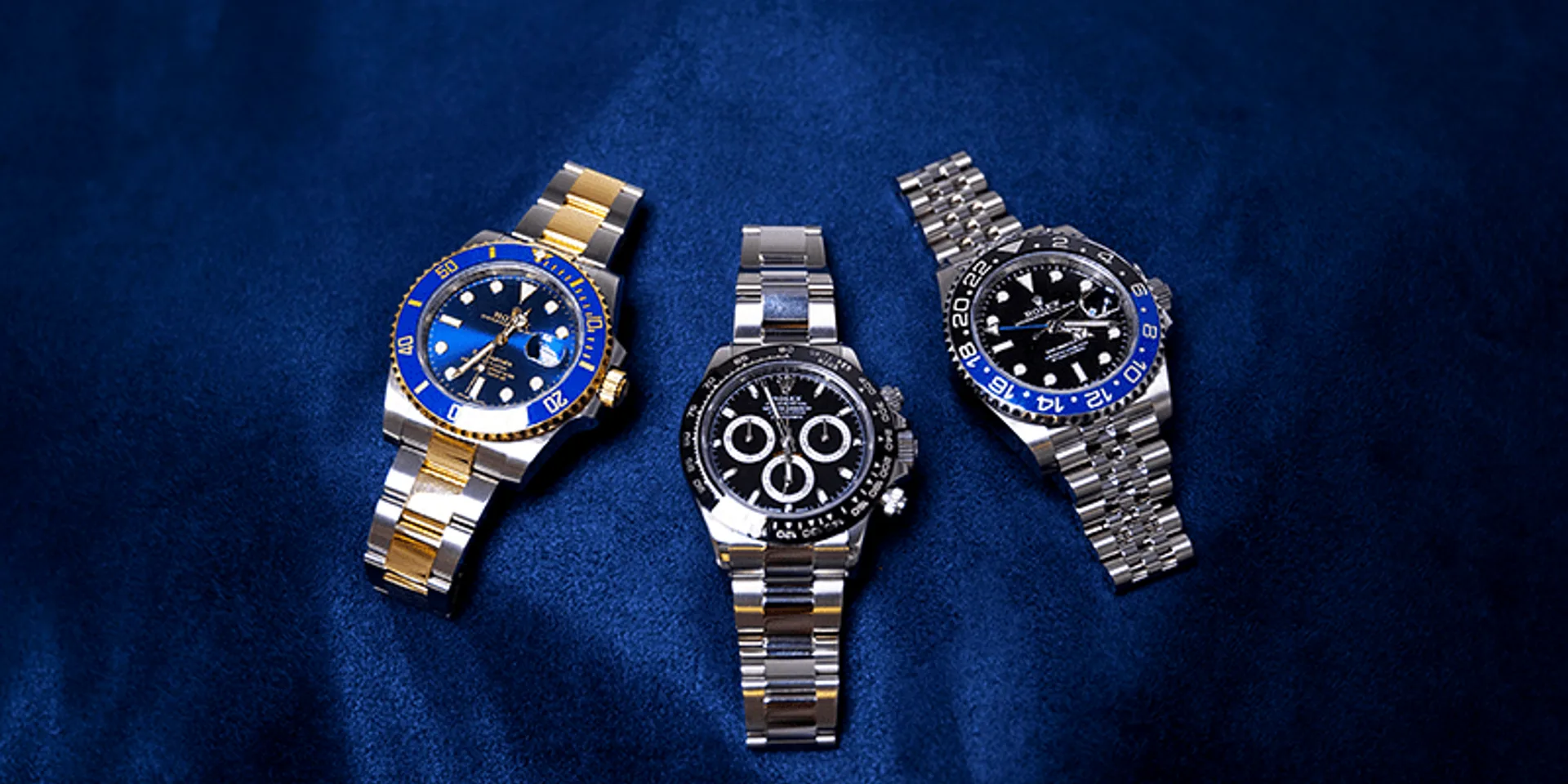
Keeping a small, organized record set can make a later conversation with a tax professional more useful. The relevant papers depend on how you acquired the watch, what happened during ownership, and the details of the sale. The suggestions below are for personal recordkeeping; they are not a Diamond Banc document requirement or a fixed tax checklist.
Records that may help establish how you acquired it
If you bought the Rolex, consider retaining the purchase receipt, invoice, or other documentation showing the transaction date and amount paid. Keep related acquisition-cost records if you have them, since certain costs may matter when determining basis. A credit-card or bank statement can provide useful context if the original paperwork is unavailable, but ask a tax professional whether it is enough for your circumstances.
If the watch was a gift or inheritance, preserve any documents that explain the transfer and the information you received about its value or tax basis. Depending on the circumstances, that might include correspondence, estate paperwork, or records supplied by the person who gave you the watch or by an estate representative. Do not assume that the amount paid by a previous owner automatically establishes your own basis.
Records from ownership and the sale
Keep documents that could help explain changes relevant to the watch’s basis, if any apply to your situation. For example, retain records of costs or events that a tax professional tells you may affect the calculation. You do not need to assemble every paper connected to the watch before asking for advice; start with what you have and identify gaps together.
After a sale, save the final transaction paperwork and a record of the proceeds received, along with the sale date and a description that identifies the watch. Keep any payment or account statement that helps reconcile the amount. These records are separate from materials someone might gather for an ordinary evaluation or sale discussion. A seller may choose to bring condition or ownership information when arranging an evaluation, but those items are not, by themselves, a tax record checklist.
Store the records together, keep readable copies, and note where originals are held. A tax professional can advise which documents matter for your return and how long to retain them, based on the applicable rules and your personal facts.
| Record category | Possible use in a tax discussion |
|---|---|
| Purchase, gift, or inheritance records | Describe how ownership began and may support basis research. |
| Relevant cost or ownership records | Help a tax professional review whether an adjustment or special rule may apply. |
| Final sale paperwork and proceeds | Document the transaction date and amount received. |
This is an organizational aid, not a mandatory document list. Ask a qualified tax professional which records apply to your circumstances.
How Can You Organize Sale Records Before Filing?
-
Start one file for the watch. Create a physical folder or secure digital folder and gather documents that may help establish its ownership history and tax basis. Depending on how you acquired it, this could include a purchase receipt, gift correspondence, inheritance or estate papers, and records of relevant costs or adjustments. These are practical organizational suggestions, not a list of forms Diamond Banc requires.
-
Make a brief timeline. Record what you know about when and how the watch came into your ownership, any later events that may affect its basis, and the date of sale or other disposition. If dates or details are uncertain, mark them as unconfirmed rather than filling gaps with estimates. Gifted and inherited property can involve different basis rules, so keep the supporting documents available for a tax professional to review.
-
Keep the transaction paperwork together. Save the final sale agreement, receipt or other transaction record, and documentation showing the proceeds received. Note the buyer or transaction source and the date, if those details appear in the records. Keep copies of related payment or transfer confirmations when available. These materials help distinguish the amount received from the watch’s basis; do not assume that a sales document by itself establishes the correct tax result.
-
Build an index, not a tax conclusion. A simple note can list each file, its date, and what it appears to document, such as acquisition, ownership history, an adjustment, or sale proceeds. Keep original documents where possible and store readable copies with a backup. If records conflict or a supporting document is missing, flag that issue so it can be discussed instead of silently choosing one version.
-
Ask a tax professional what to retain and report. IRS Topic 305 explains that records should support items reported on a return. Property records may help determine basis through the limitation period that applies to the year of a taxable disposition. That is not a universal retention deadline for every seller. The appropriate period and filing treatment depend on the circumstances and applicable rules. Ask a qualified tax professional which records matter for your situation and how long to keep them.
Read the IRS guidance on recordkeeping for the general federal explanation.
What Should You Ask a Tax Professional?
A tax professional can help apply federal rules to the details of your ownership and sale. Bring the records you have, explain what is uncertain, and ask how those facts affect your own filing. The questions below are a starting point, not a substitute for advice about your specific situation.
- How does my acquisition history affect the analysis? Explain whether you bought the watch, received it as a gift, or inherited it. Ask which date and documents matter, and whether there are special basis or holding-period rules to consider. If the Rolex was inherited, Diamond Banc’s guide to next steps for an inherited Rolex may help you identify relevant background records.
- What is my basis, and how should I support it? Ask what amount should be used for your circumstances, whether any documented acquisition costs or later events affect it, and what evidence would be useful. If records are incomplete, ask how to address the gap rather than assuming a value.
- Does my personal use of the watch matter? Describe how you owned and used it, including whether it was held for personal use or in another context. Ask whether that distinction changes how a gain or loss is treated, and what records support the classification.
- Which sale records should I keep, and what should I report? Bring the transaction documents and proof of proceeds. Ask which details are needed for the sale year, whether a filing or reporting requirement applies, and how to retain the supporting records. Do not assume that a buyer’s paperwork alone answers every tax question.
- Could other circumstances change the result? Ask whether your other gains or losses, the year of sale, or any unusual ownership details affect the way the transaction is handled. If the watch passed through an estate or gift, mention any related records or information you have been able to obtain.
- Which jurisdiction’s rules apply to me? Confirm how your federal tax situation should be considered alongside any relevant state or other jurisdictional requirements. Tell the professional where you live and any other facts they request; do not rely on a general online explanation to resolve jurisdiction-specific questions.
Before the conversation, organize the timeline from acquisition to sale and separate confirmed details from estimates or missing information. A qualified tax professional can tell you what additional documentation to seek and how to handle questions that depend on your individual facts. Diamond Banc does not provide tax or legal advice.
Find out what your Rolex is worth
Frequently Asked Questions
Do you automatically owe tax when you sell a Rolex?
No. The sale price alone does not determine whether you have a taxable gain. The general calculation compares the amount realized with the watch’s adjusted basis, and the result depends on your ownership history and tax circumstances. A tax professional can help assess your specific situation.
Can I claim a loss if I sell a personal Rolex for less than I paid?
A loss on personal-use property generally is not deductible under the usual federal tax treatment. Do not assume that selling below your purchase price creates a tax write-off. The watch’s adjusted basis and how it was used may matter, so confirm your facts with a qualified tax professional.
How is the basis handled if I received the watch as a gift or inheritance?
It may not be the amount the current owner paid, or the watch’s current value. Gifted and inherited property has separate basis rules. Inherited-property basis is generally tied to its fair market value at the prior owner’s date of death, subject to specific exceptions. Keep relevant transfer or estate records and ask a tax professional to review them.
What records should I keep after a sale?
As a practical preparation step, keep the sale paperwork and proof of proceeds, along with available purchase, gift, or inheritance records that may support the basis and ownership dates. These are general recordkeeping suggestions, not a Diamond Banc form requirement. A tax professional can advise which records apply to your return.
Need Personalized Tax Guidance?
Tax treatment depends on your circumstances, ownership history, and applicable jurisdiction. For advice about your own return, speak with a qualified tax professional. The IRS provides resources for tax professionals who assist taxpayers.
Like what you’re reading?
Related Posts
 Instagram
 Facebook
 Tiktok
 YouTube