How to Get Your Diamond Appraised: Tips for a Successful Appraisal
Whether you’ve recently purchased a diamond, inherited one, or plan to use it as collateral, getting an appraisal is the best way to understand its true value and ensure a fair evaluation.
A professional appraisal is key to protecting your investment and making informed decisions. At Diamond Banc, we specialize in providing expert diamond appraisals that offer a clear and accurate evaluation of your diamond’s worth.
Our certified gemologists are here to guide you through the appraisal process so you can confidently move forward with the next step that works best for you.
Have questions or need an appraisal? Call us today at 573‑875‑2265 or visit any of our locations near you.
Table of Contents
- What is a Diamond Appraisal and Why Do You Need One?
- How to Get Your Diamond Appraised: Step-by-Step Process
- What Factors Affect a Diamond’s Appraised Value?
- Where Can You Get Your Diamond Appraised?
- Get Your Diamond Appraised with Confidence
- Frequently Asked Questions
What is a Diamond Appraisal and Why Do You Need One?
A diamond appraisal is an expert assessment that determines the value of a diamond based on its characteristics. Unlike a grading report that only describes the diamond’s properties, an appraisal estimates its market value. This information is important regardless of whether you are buying, insuring, or using your diamond as collateral for a loan.
An appraisal provides a monetary value for your diamond that takes into account market trends, comparable sales, and the diamond’s unique qualities. It’s crucial for several reasons:
- Fair Pricing: An appraisal helps confirm that you’re paying a fair price when buying a diamond. Understanding the market value helps you avoid overpaying or underpaying.
- Insurance Coverage: A proper appraisal ensures that your diamond is accurately insured for its replacement value, protecting you in case of loss, theft, or damage.
- Loan Collateral: When using your diamond as collateral, an appraisal documents the diamond’s value so it can be properly considered in a loan offer.
Knowing how to get your diamond appraised is crucial for both diamond buyers and lenders. For buyers, it ensures you’re paying a fair price for the quality you’re receiving. For lenders, an appraisal provides peace of mind by confirming the collateral’s value.
How to Get Your Diamond Appraised: Step-by-Step Process
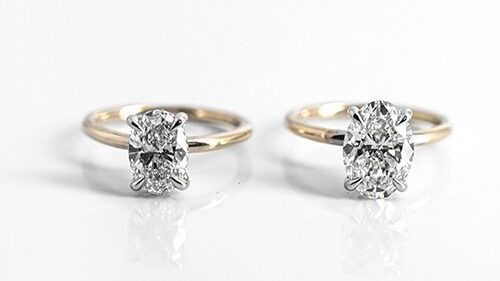
Step 1: Choose a Certified Appraiser
When it comes to diamond appraisals, selecting a certified and experienced professional is important. An appraiser should have certification from recognized institutions such as:
- Gemological Institute of America (GIA)
- American Gem Society (AGS)
- National Association of Jewelry Appraisers (NAJA)
These certifications indicate that the appraiser follows strict industry standards and is qualified to give an accurate and reliable assessment of your diamond. When selecting an appraiser, be sure to verify their credentials and look for reviews or testimonials from past clients.
An experienced appraiser will provide a thorough and unbiased evaluation of your diamond.
Step 2: Gather Relevant Documents
Before you bring your diamond in for an appraisal, it’s helpful to gather any available documents related to your diamond. These may include:
- Grading reports (e.g., GIA or AGS certificates)
- Purchase receipts or previous appraisals
- Insurance policies related to the diamond
Having these documents will help the appraiser understand the history of your diamond, including its grading and any previous evaluations. If you’ve purchased your diamond from a reputable retailer or have a GIA or AGS certification, these documents will accelerate the process and help the appraiser assess the diamond more accurately.
If the diamond has been passed down as an inheritance or was purchased years ago, it’s still beneficial to provide any historical details, as this information can impact the appraisal.
Step 3: Appraisal Inspection
During the appraisal, the gemologist will conduct a thorough inspection of the diamond. This inspection typically includes:
- Visual examination: The appraiser will examine the diamond for its cut, color, clarity, and carat weight. These are the main factors that influence the diamond’s value.
- Measurement: The diamond will be measured for exact dimensions, and its weight will be confirmed using an accurate scale. The gemologist will also verify the measurements provided on the grading report.
- Treatment identification: The appraiser will identify any treatments (e.g., laser drilling, clarity enhancement) that could affect the diamond’s value. Treated diamonds may be valued lower than untreated stones, depending on the extent and type of treatment applied.
The inspection itself may take 30 minutes to an hour, but the written appraisal report often takes 1–3 business days to complete.
Step 4: Receive Your Appraisal Report
Once the evaluation is complete, the appraiser will provide you with an appraisal report. This report includes:
- A detailed description of the diamond (size, shape, carat weight, color, clarity)
- A market value estimate based on current market conditions, comparable sales, and trends
- Photographs of the diamond (if applicable)
- The appraiser’s signed certification, confirming the value and authenticity
The appraisal report will serve as an official record of your diamond’s worth, which you can use for insurance, resale, or collateral purposes. Many appraisers will offer advice on the best way to protect your diamond, which can be valuable for both personal and financial planning.
What Factors Affect a Diamond’s Appraised Value?
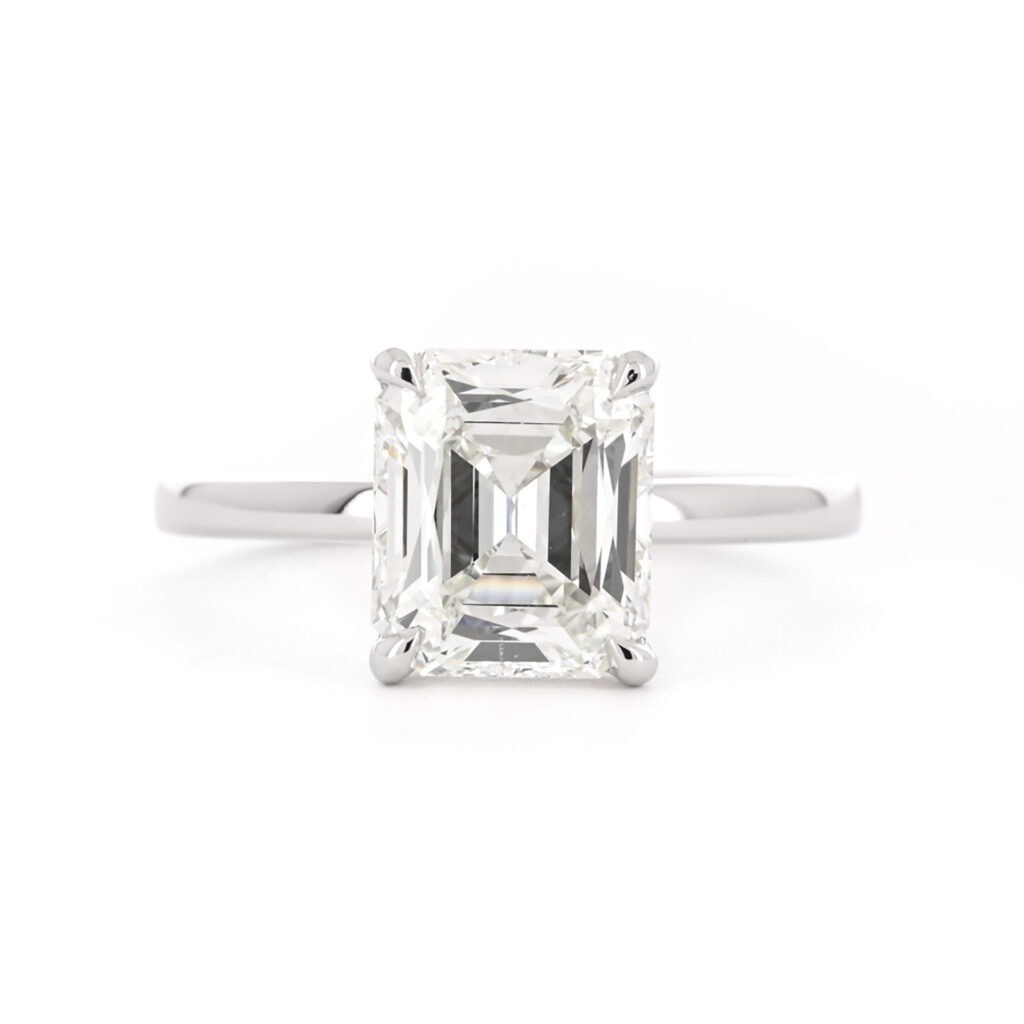
Several factors play a role in determining a diamond’s appraised value. These include:
The 4Cs: Cut, Color, Clarity, and Carat Weight
The 4Cs form the foundation of all diamond appraisals. Each of these factors contributes to a diamond’s visual appeal and market value.
- Cut: A well-cut diamond will reflect light brilliantly, making it more valuable. The cut influences how the diamond sparkles and is often considered the most important factor in determining its appearance.
- Color: Diamonds are graded on a scale from D (colorless) to Z (yellow or brown). Colorless diamonds are the rarest and most valuable, while diamonds with more color (though not necessarily undesirable) typically cost less.
- Clarity: The fewer the inclusions and blemishes, the higher the clarity grade. A diamond with flawless clarity is much rarer and thus more valuable.
- Carat Weight: Larger diamonds are rarer and generally more expensive. However, carat weight alone doesn’t determine a diamond’s value; all the other factors play a significant role as well.
Market Conditions
The state of the diamond market can influence the appraisal. Economic factors, market demand, and current trends play a role in determining a diamond’s value. For example, rare colors or highly sought-after cuts may have higher appraised values due to market interest.
The economic landscape can affect how much diamonds are worth on any given day, depending on supply and demand.
Diamond Treatments
Certain treatments, such as laser drilling, clarity enhancement, or laser inscription, can affect a diamond’s value. Appraisers will note any treatments on the report, and these may lower the diamond’s appraised value compared to untreated stones.
Treatments can alter the diamond’s appearance and longevity, so it’s important to disclose any treatments when getting your diamond appraised.
Brand and Provenance
The origin of a diamond can also influence its appraisal. Diamonds from well-known brands or those with historical significance may carry a premium. For example, diamonds that are part of famous collections or estates often have higher appraised values.
If your diamond has a unique provenance, such as being a family heirloom or part of a celebrity collection, it may be appraised higher due to its historical value.
Where Can You Get Your Diamond Appraised?
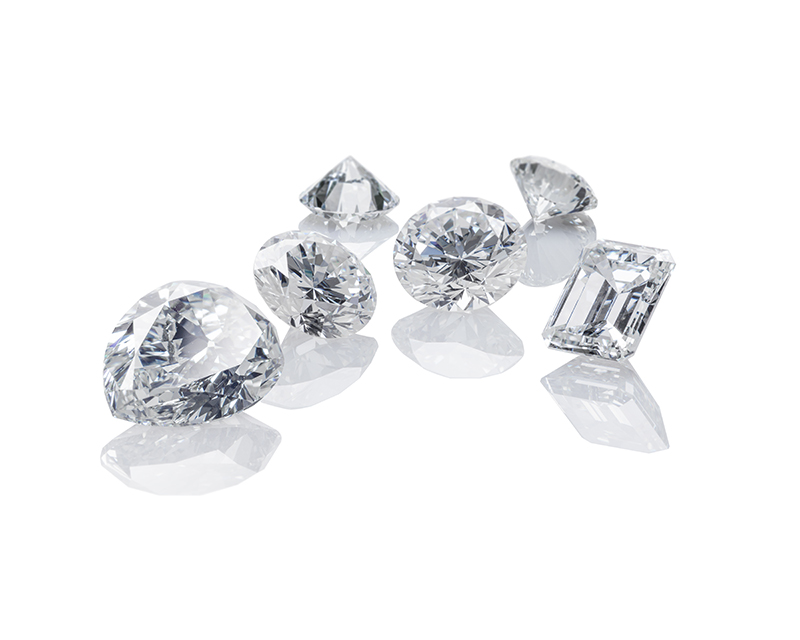
You can get your diamond appraised in several places, but it’s important to choose a reputable and certified professional. Consider the following options:
- Independent Jewelry Appraisers: Certified, unbiased appraisers who work independently of retail chains and are often considered the most reliable choice for an objective evaluation.
- Retail Jewelers: Some jewelry stores offer appraisals, but keep in mind that they may have an interest in selling their own diamonds, so their valuations could be less impartial.
- Online Appraisers: Some certified appraisers provide online consultations, but this option may not always be as thorough or accurate as an in-person inspection.
Make sure to select an appraiser who is transparent about their methods and provides a detailed and trustworthy appraisal.
Get Your Diamond Appraised with Confidence
Getting your diamond appraised is an important step for any buyer or lender. A professional appraisal helps make sure you understand your diamond’s true value, whether for insurance, resale, or collateral purposes.
By following the steps in this guide and working with certified appraisers, you can confidently move forward with your diamond-related decisions.
Contact us today for expert diamond appraisals, personalized guidance, and accurate market insights. Whether you’re selling your jewelry or seeking a loan, Diamond Banc’s certified gemologists are here to provide transparent options that align with your needs and goals.
Frequently Asked Questions
How long does a diamond appraisal take?
A basic diamond evaluation can take 30 minutes to an hour. However, a formal written appraisal report may take 1–3 business days or longer, depending on the complexity of the diamond and the level of detail required.
How much does a diamond appraisal cost?
Appraisal fees typically range from $50 to $150, though complex or high-value items may cost more depending on the appraiser’s credentials and the work involved.
Should I get my diamond appraised before selling it?
Yes. Having your diamond appraised helps you understand its qualities and current market value. Be sure to request a resale appraisal if your goal is to sell, since insurance appraisals usually reflect higher replacement values.
Can I appraise a diamond online?
A: You can get a preliminary estimate online using photos and documents, but an official appraisal requires an in-person or mail-in evaluation so the diamond can be examined directly.
 Instagram
 Facebook
 Tiktok
 YouTube