How Appraisers Determine Diamond Value: A Look Inside the Process
People get shocked by how different diamond values can be. One person sees a lovely stone. An expert sees a complete story with exact qualities, technical grades, and current market prices.
At Diamond Banc, we create accurate diamond appraisals with the luxury experience and bank-level professionalism you deserve. Our team has years of experience in jewelry buying and lending. You need to understand how we determine value. This knowledge gives you confidence and helps you make smart choices about your jewelry.
Want to know what your diamond is worth? At Diamond Banc, we provide honest appraisals and clear answers. Contact us today to schedule your appointment and get a detailed evaluation from our specialists.
Table of Contents
The Foundation: The 4Cs
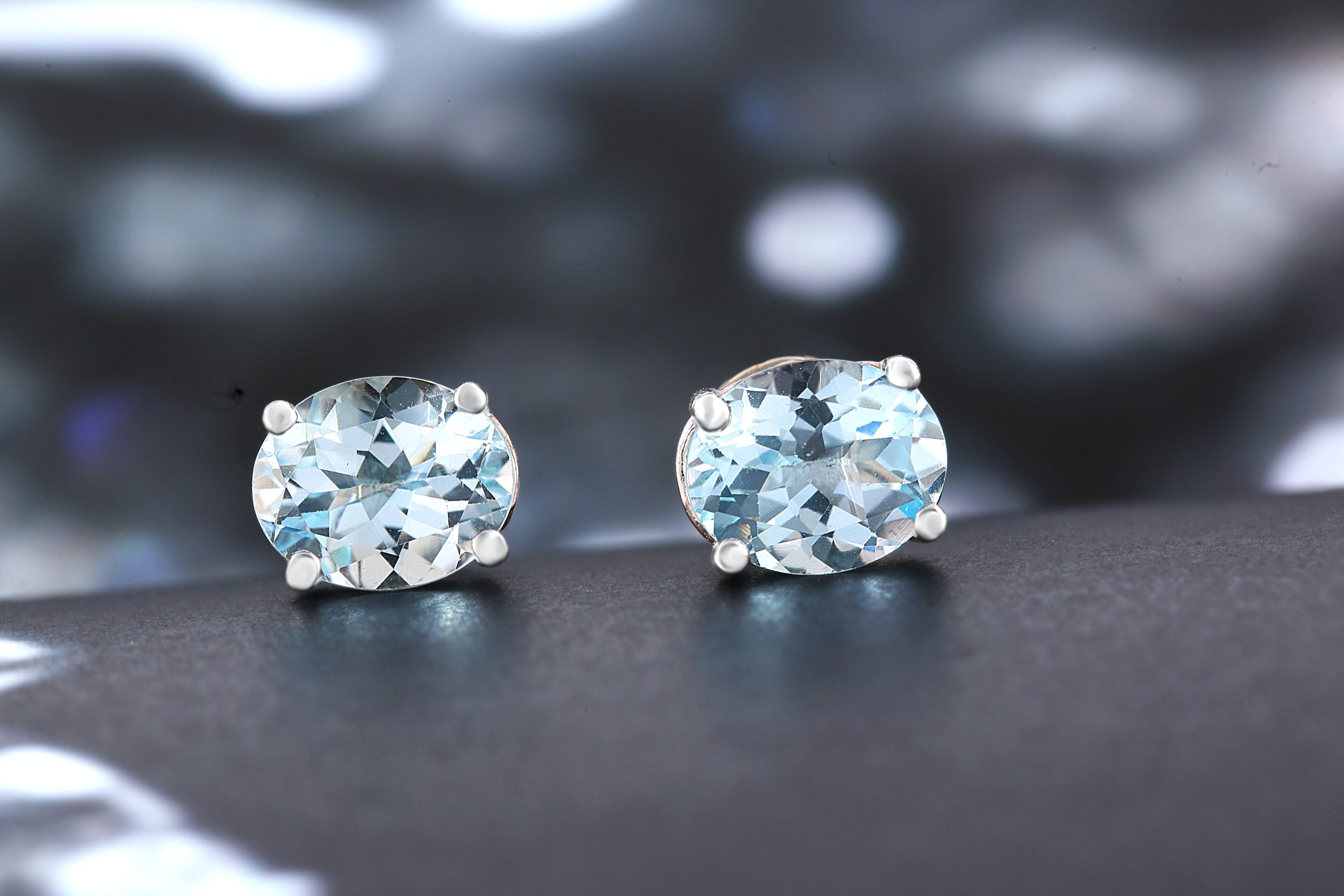
Every diamond appraisal starts with four basic qualities called the 4Cs. These are cut, color, clarity, and carat weight. The Gemological Institute of America (GIA) created this system. It provides us with an objective way to describe diamond quality.
Each element changes value in different ways. Our appraisers examine all four qualities carefully.
Cut: How Light Works
Cut does not mean the diamond’s shape. Cut refers to how well the facets are proportioned and finished. The way a diamond is cut controls how it reflects light. This process determines its brilliance and fire.
A well-cut diamond sends the most light back to your eye. It looks bright and alive. A poorly cut stone looks dull. This happens even if the diamond is large or has no inclusions.
Our appraisers check cut by looking at proportions, symmetry, and polish. We use magnification tools and sometimes computer analysis. GIA grades cut from excellent to poor for round diamonds. For fancy shapes like ovals or cushions, GIA does not assign an overall cut grade, but we evaluate symmetry, polish, and light performance to give an accurate picture of quality.
Color: Measuring Purity
Most diamonds used in jewelry are graded on how little color they show. The GIA grades diamond color on a scale from D to Z. A D-grade diamond is completely colorless, while a Z-grade diamond has clear yellow or brown tones. The less color a diamond has, the rarer and more valuable it is.
Small color differences change a diamond’s price a lot. This is especially true in higher grades. Our appraisers compare diamonds to master stones under perfect lighting. This gives us accurate color grades.
Fancy colored diamonds like pinks or blues use a different scale. We grade them by hue, tone, and saturation. Value depends on how rare they are and what buyers want.
Clarity: Natural Features Inside
Clarity measures internal features called inclusions and surface marks called blemishes. Most diamonds have some type of inclusion. These formed when the diamond grew deep in the earth.
Fewer marks mean higher clarity grades and more value. Our appraisers use 10x magnification to examine diamonds. We follow GIA standards.
Grades go from Flawless to Included. Flawless means no marks under magnification. Included means features are easy to see and might affect how clear the diamond looks. Most diamonds fall between these extremes. They have minor inclusions that do not hurt their appearance.
Carat Weight: Size Matters
Carat measures weight, not size. One carat equals 0.2 grams. When other qualities are the same, a heavier diamond costs more. But prices do not go up in a straight line.
There are price jumps at popular weights like one or two carats. Even a small weight increase can raise the price per carat. Our appraisers use calibrated digital scales to measure carat weight exactly.
Larger diamonds are rarer. But two diamonds of the same weight can have very different values. This depends on their cut, color, and clarity.
Beyond the 4Cs: Other Value Factors
The 4Cs start every appraisal. But we look at more factors to give you a complete and fair value.
Shape and Market Trends
Diamond shape affects both looks and value. Shapes include round, oval, princess, cushion, and emerald. Round brilliant diamonds are the most popular and cost more. But trends change. Other shapes become more or less wanted based on what buyers prefer.
Our appraisers always check current market data. This shows real demand right now.
Fluorescence Effects

Fluorescence makes some diamonds glow under ultraviolet light. Most glow blue. GIA research shows fluorescence rarely affects how a diamond looks in normal light.
Strong fluorescence can sometimes cause a milky appearance. This happens more in higher color grades. In lower color grades, mild fluorescence can make the diamond look whiter. We always note fluorescence and include it in our value calculation.
Grading Reports Matter
A diamond with a recent report from a respected lab often has higher value. Respected labs include GIA, which sets the global benchmark, and IGI, which is widely used in the lab-grown diamond sector. AGS reports are still recognized, though the lab has merged into GIA. These certificates give independent proof of the diamond’s qualities.
Our appraisers verify that your diamond matches its certificate. We review the report for accuracy. Certified stones give buyers and lenders confidence. This increases value and makes them more attractive in the resale and lending market.
Setting and Brand Value
If your diamond is in finished jewelry, the setting and brand can add value. Designer names like Tiffany & Co., Cartier, or Harry Winston are known for quality. They often command premium prices.
We look for hallmarks, brand stamps, and original packaging or papers. We also check the condition and craftsmanship of the setting.
Diamonds are tough but not unbreakable. Chips, scratches, loose prongs, or poor repairs reduce value. Our appraisers examine each stone and setting for damage or wear. Proper care helps preserve your diamond’s value.
The Diamond Banc Appraisal Process
Every Diamond Banc appraisal follows a clear professional process. We focus on accuracy and your peace of mind.
Initial Meeting and Papers
We start by gathering information about your diamond. Bring any papers you have. This includes certificates, receipts, old appraisals, or photos of original boxes. This information helps verify details and may add value.
Cleaning for Accurate Results
We clean diamonds before assessment. This removes dirt, oil, or residue that could hide their true qualities. A clean stone allows precise grading of color, clarity, and cut.
Detailed Grading and Testing
Our appraisers use industry-standard tools to grade your diamond. We check cut, color, clarity, and carat weight. We also review fluorescence, symmetry, and polish. We carefully examine any inclusions or blemishes.
If your diamond is set in jewelry, we evaluate the mounting, brand, and overall condition too.
Market Research and Price Comparison
Market research is a key part of every appraisal. Diamond Banc appraisers check recent sales, auction results, and dealer listings. We look for similar diamonds and jewelry.
This market approach ensures your appraisal reflects current prices and buyer demand. For insurance purposes, we provide replacement values as required by insurers, while resale and collateral appraisals are based on real market data such as recent dealer listings and auction results.
Creating Your Report
After grading and research, we combine all findings into a detailed written report. This document explains your diamond’s qualities. It describes any setting and brand features. It references supporting certificates and provides value based on your needs.
Appraisal types include replacement value for insurance, resale value for selling, or collateral value for borrowing.
Clear Communication and Privacy
Diamond Banc appraisers explain our process and answer questions. We make sure you understand how we determined the value. All client information stays confidential. Reports are customized for your specific appraisal reason.
Types of Diamond Appraisals
We prepare appraisals for different purposes. The approach always fits your needs.
- Insurance Appraisals: These show what it would cost to replace your diamond or jewelry with a similar item at current retail prices. Because retail replacement values are based on store pricing, they are usually higher than the amount you would receive if you sold your diamond in the resale market.
- Resale Appraisals: If you plan to sell your diamond, we estimate what you could expect in today’s market. This is based on similar recent sales.
- Collateral Appraisals: For those using their diamond as loan security, the value is based on what a lender or wholesaler would offer immediately.
- Estate, Tax, or Legal Appraisals: We can prepare appraisals for estate settlement, tax reporting, or legal cases. We always follow relevant standards and regulations.
We will always clarify your goals and make sure you get the right report for your situation.
Professional Standards and Training
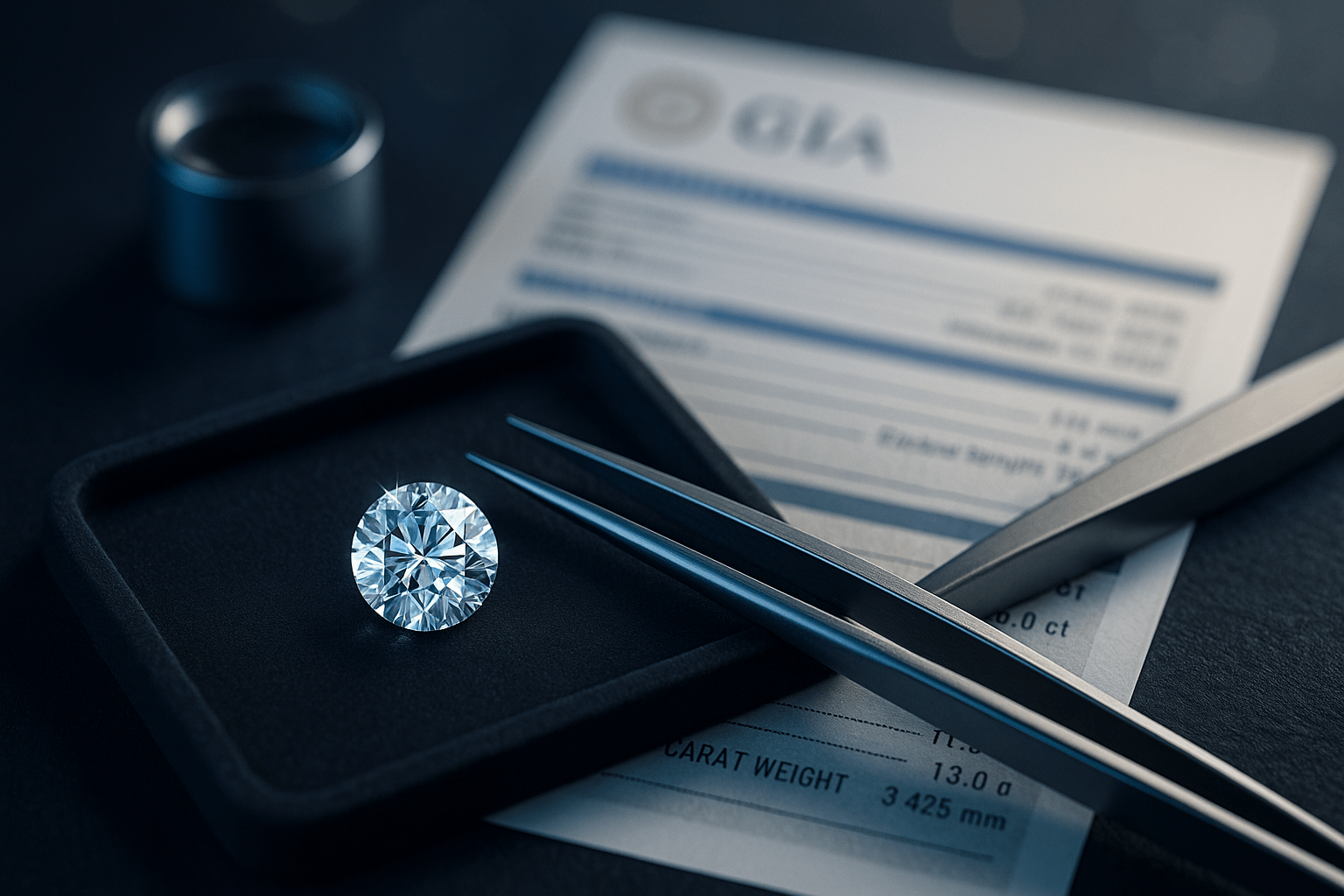
Diamond Banc’s appraisers hold industry credentials like GIA Graduate Gemologist. We keep up with ongoing education to stay current with diamond grading standards and market changes. Our team uses both technical expertise and real market data. This gives you reliable information you can act on.
We believe in transparency, accuracy, and clear communication. Clients get open explanations for each finding. You can ask questions at any stage. There are no hidden steps. Every valuation is supported by data and experience.
Tips for Better Appraisals
To get the most accurate and useful appraisal, gather all papers you have for your diamond or jewelry. Have your diamond professionally cleaned before your appointment, or ask for cleaning at the appraisal. Make sure your setting is secure and in good repair.
Tell us clearly why you need the appraisal. Whether it is for insurance, selling, borrowing, or another purpose, this helps us provide the most relevant information and value.
Why Choose Diamond Banc
Learning your diamond’s value should be clear and stress-free. At Diamond Banc, you get a thorough professional process and complete explanations at every step. Our appraisers use advanced tools, check the most current market data, and follow industry-leading standards. This delivers a report you can rely on.
Clients choose Diamond Banc because we combine accuracy, integrity, and genuine expertise. Whether you want an appraisal for insurance, to sell, or to borrow against your diamond, you can count on honest answers and real support from our team.
Get Your Diamond Appraised Today
Understanding how appraisers determine diamond value gives you confidence and peace of mind. At Diamond Banc, your diamond gets a detailed evaluation based on proper grading and true market conditions.
If you want to know what your diamond is actually worth, Diamond Banc is here for you. We provide clear answers whether you need an appraisal for resale, loan collateral, or insurance coverage.
Call us today to book your appointment and receive a detailed evaluation from our specialists. You can also visit one of our locations near you for in‑person service.
Your diamond deserves careful evaluation and answers you can trust. At Diamond Banc, that is always our promise.
Frequently Asked Questions
How long does a diamond appraisal usually take at Diamond Banc?
Most diamond appraisals at Diamond Banc are completed within 2 to 7 business days. For straightforward items, a same-day value estimate may be possible. If you bring your diamond and documentation to one of our offices, an offer or preliminary estimate may be provided even sooner.
Can I get an appraisal for a diamond that is set in a piece with other gemstones?
Yes. Diamond Banc appraises jewelry pieces that feature diamonds along with other gemstones. Each stone is evaluated individually. The value of the setting, craftsmanship, and brand is included in the overall appraisal if applicable.
Will cleaning my diamond before the appraisal affect the value?
Having your diamond professionally cleaned before your appraisal allows the appraiser to accurately assess qualities like color and clarity. Clean stones show their true features and help ensure a precise evaluation.
What happens if my diamond is chipped or damaged?
Diamonds with chips or visible damage can still be appraised at Diamond Banc. Any flaws will be noted in the appraisal, and these may affect the final value. The appraiser will explain how damage influences the result.
Do I need an appointment for a diamond appraisal at Diamond Banc?
While walk-ins may be available at some locations, scheduling an appointment is recommended. This guarantees dedicated service from a Diamond Banc specialist.
Can Diamond Banc appraise antique or vintage diamonds?
Absolutely. Our appraisers have experience with antique and vintage diamonds. This includes old European cuts, mine cuts, and estate jewelry. Age, rarity, and historical significance are all taken into account.
Will the appraisal include information about my diamond’s resale potential?
Yes. If you request a resale appraisal, Diamond Banc provides insight into current market conditions and what you might expect if you decide to sell your diamond.
Is there a difference between a diamond appraisal and a diamond grading report?
Yes. A diamond grading report from labs like GIA or AGS provides technical details about your diamond’s qualities, but does not state a value. An appraisal combines grading information with a value estimate based on current market data.
Do you offer online or virtual diamond appraisals?
Diamond Banc can provide preliminary value estimates online using your photos and documents. For an official appraisal or payment, an in-person or mail-in evaluation by a specialist is required.
Will my diamond ever leave my sight during the appraisal?
If you schedule an in-person appraisal at a Diamond Banc location, you may request to be present while your diamond is evaluated. Your jewelry is always handled securely and with care.
 Instagram
 Facebook
 Tiktok
 YouTube