The Ultimate Guide to Diamond Appraisal and Certification
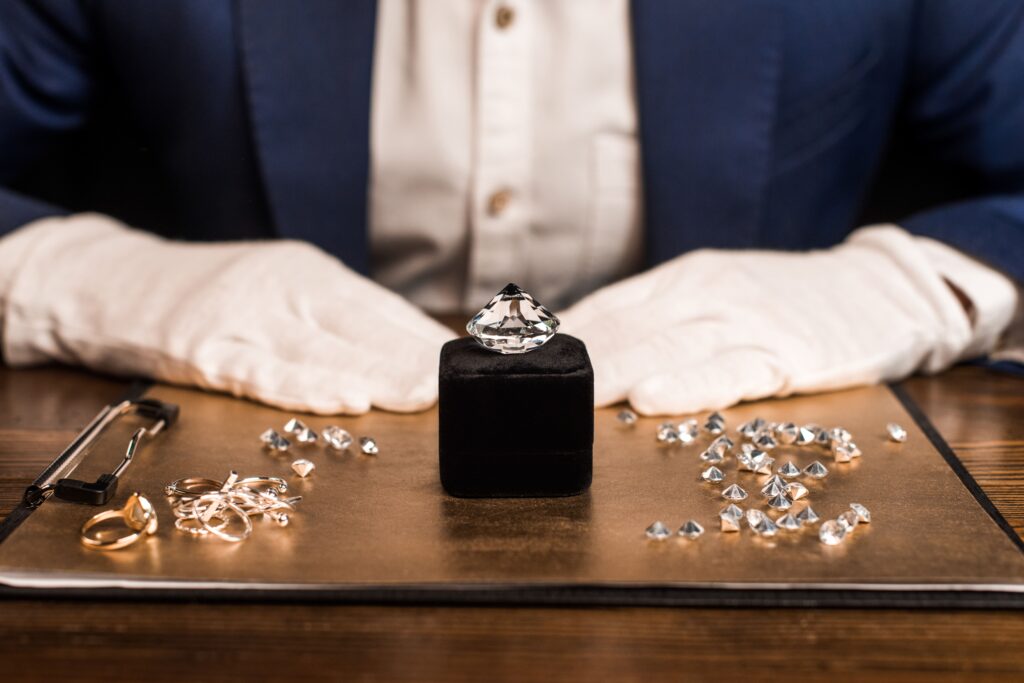
Diamonds hold more than just beauty; they represent milestones, investments, and lasting value. Whether you’re selecting the perfect engagement ring, expanding your jewelry collection, or preparing to protect your assets through insurance, knowing the true worth of your diamond is non-negotiable. That’s where appraisal and certification step in.
An appraisal provides a professional estimate of your diamond’s current market value, which can be critical for resale, insurance coverage, or estate planning. Certification, on the other hand, involves an independent grading report that evaluates your diamond’s cut, color, clarity, and carat weight. These documents not only validate authenticity but also give you confidence in what you own or plan to purchase.
At Diamond Banc, we combine expertise with transparency to help clients make smart decisions with their precious gems. Our appraisal specialists and gemological professionals provide accurate valuations, clear explanations, and industry-trusted certifications. Whether you’re a first-time buyer or a seasoned collector, understanding how appraisal and certification work empowers you to buy, sell, or insure diamonds with confidence.
Table of Contents
- Why Diamond Certification and Appraisal Matter More Than Ever
- The Power Players: Leading Diamond Certification Bodies
- Decoding the 4Cs: Your Diamond Quality Roadmap
- Professional Appraisal: Beyond the Certificate
- Choosing the Right Professional: Credentials That Matter
- Verification and Authentication: Protecting Your Investment
- Investment Considerations: Beyond Beauty
- Making Informed Decisions: Your Action Plan
- Your Next Steps: Expert Guidance When You Need It Most
- FAQs
Why Diamond Certification and Appraisal Matter More Than Ever
Diamond purchases often represent meaningful financial investments and emotional milestones. Professional certification and appraisal serve as your ultimate protection, giving you clarity on authenticity, quality, and value.
These processes confirm that you’re getting exactly what you pay for while also providing the documentation needed for insurance, resale, or legal purposes.
Understanding the Key Differences
Certification evaluates a diamond’s natural characteristics using standardized grading systems. Think of it as a diamond’s “report card” that describes its quality based on internationally recognized standards. This process involves detailed analysis of the stone’s physical properties without assigning monetary value.
Appraisal determines monetary value for specific purposes like insurance or resale. Unlike certification, appraisal considers market conditions, replacement costs, and intended use to establish what your diamond is worth in dollars.
Both processes require specialized training, equipment, and adherence to industry standards. Professional gemologists spend years learning to evaluate diamonds consistently and accurately, using sophisticated instruments and controlled environments to ensure reliable results.
The Power Players: Leading Diamond Certification Bodies
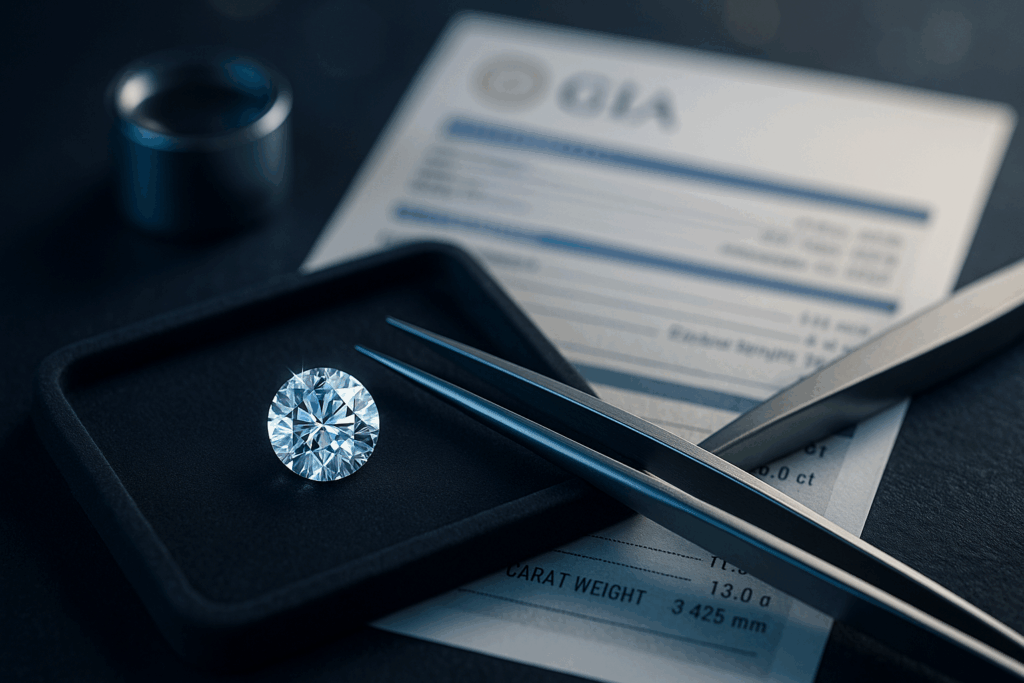
Gemological Institute of America (GIA): The Gold Standard
GIA has set the global benchmark for diamond grading since 1953. Jewelers, insurers, and consumers worldwide universally accept and trust their reports. What sets GIA apart is their ongoing dedication to independence and scientific rigor.
What Makes GIA Special
GIA created the internationally recognized 4Cs system (Cut, Color, Clarity, Carat) that revolutionized how diamonds are evaluated and communicated about globally. This standardization brought consistency to an industry that previously relied on subjective descriptions.
The institute maintains strict independence with no commercial diamond sales, ensuring its grading remains unbiased. This separation from commercial interests is crucial for maintaining credibility and trust in their evaluations.
GIA offers comprehensive online verification through their Report Check system, allowing anyone to instantly verify a certificate’s authenticity using the report number. This digital infrastructure helps combat fraud and provides peace of mind for consumers.
Their reports include detailed security features, including holograms and microprint that make forgery extremely difficult. These anti-counterfeiting measures protect both consumers and the integrity of the grading system.
American Gem Society (AGS): The Cut Quality Experts
AGS pioneered advanced cut grading and uses a unique 0-10 scale where 0 represents the highest quality. This numerical system provides more precise grading distinctions than traditional letter grades.
AGS Advantages
AGS maintains more stringent cut grading standards than most labs, often resulting in lower cut grades for the same stone compared to other certification bodies. This strictness appeals to consumers seeking the highest quality diamonds.
They provide detailed light performance analysis that goes beyond basic proportions to measure how effectively a diamond returns light to the viewer. This scientific approach to beauty assessment helps consumers understand why some diamonds appear more brilliant than others.
AGS enjoys an excellent reputation among high-end jewelers who appreciate its rigorous standards and detailed reporting. Many premium diamond retailers specifically seek AGS certification for their finest inventory.
The organization maintains a strong focus on consumer education, providing extensive resources to help buyers understand diamond quality and make informed decisions.
Understanding Other Certification Bodies
| Lab | Strengths | Considerations |
| IGI | Global presence, lab-grown diamond expertise | Generally more lenient grading |
| EGL | Lower cost options | Inconsistent standards, market skepticism |
| GSI | Competitive pricing | Limited market recognition |
Decoding the 4Cs: Your Diamond Quality Roadmap
Cut: The Make-or-Break Factor
Cut quality dramatically impacts a diamond’s brilliance and value. This isn’t just about shape—it’s about how well the diamond interacts with light to create the sparkle and fire that makes diamonds so captivating.
What to Look For in Cut Quality
Excellent/Ideal cut grades deliver maximum sparkle by optimizing light return. These diamonds are cut to mathematical precision, ensuring that light entering the stone is reflected back to your eye rather than leaking out the sides or bottom.
Proper proportions that optimize light return involve precise relationships between table size, crown angles, pavilion depth, and girdle thickness. Even small deviations from ideal proportions can significantly impact brilliance.
Symmetry and polish ratings of Very Good or better ensure that facets are perfectly aligned and surfaces are smooth. Poor symmetry creates uneven light reflection, while inadequate polish reduces brilliance.
AGS 0 or GIA Excellent represents the pinnacle of cut quality, though these grades may have slightly different criteria. These diamonds command premium prices but deliver exceptional visual performance.
Color: The Subtle Art of Transparency
Diamond color grades range from D (colorless) to Z (light yellow/brown). The color scale measures the absence of color, with truly colorless diamonds being extremely rare and valuable.
Smart Buying Tips for Color
- D-F grades represent colorless diamonds with premium pricing. These stones show no discernible color even to trained eyes and are often chosen for important pieces where perfection is paramount.
- G-J grades offer near colorless quality with excellent value for most buyers. These diamonds appear colorless in most settings and lighting conditions while costing significantly less than higher color grades.
- K-M grades show faint color that can be masked with proper setting choices. Yellow gold settings can make faint yellow tints less noticeable, making these grades excellent budget-friendly options.
- Fancy colors follow an entirely different grading system with premium values. These diamonds are prized for their color intensity rather than colorlessness, with vivid colors commanding exceptional prices.
Clarity: Finding the Sweet Spot
Clarity measures internal inclusions and external blemishes visible under 10x magnification. Understanding clarity helps you balance visual perfection with budget considerations.
Practical Clarity Guide
FL-VVS2 grades represent flawless to very slightly included stones with premium pricing. These diamonds show no inclusions visible to skilled graders under 10x magnification and are chosen for their rarity and perfection.
VS1-VS2 grades contain very slightly included characteristics that are difficult to see under magnification. These grades offer an excellent choice for most buyers, providing high clarity without the premium cost of higher grades.
SI1-SI2 grades show slightly included characteristics that may be visible under magnification but often remain invisible to the naked eye. These grades provide good value when stones are carefully selected to be “eye-clean.”
I1-I3 grades included characteristics visible without magnification. These budget options require careful selection to avoid inclusions that affect durability or significantly impact appearance.
Carat Weight: Size vs. Value Strategy
Carat weight affects price more dramatically than any other factor, with significant premiums at round numbers like 1.00, 1.50, and 2.00 carats.
Money-Saving Strategies
Consider weights just under major thresholds (0.90ct vs. 1.00ct) to achieve substantial savings without noticeable size differences. The visual difference between these weights is minimal, but the price difference can be significant.
Prioritize cut quality over size for maximum visual impact. A well-cut smaller diamond often appears larger and more brilliant than a poorly cut larger stone.
Understand that carat measures weight, not size. Diamonds with identical carat weights can appear different sizes depending on their cut proportions and shape.
Professional Appraisal: Beyond the Certificate
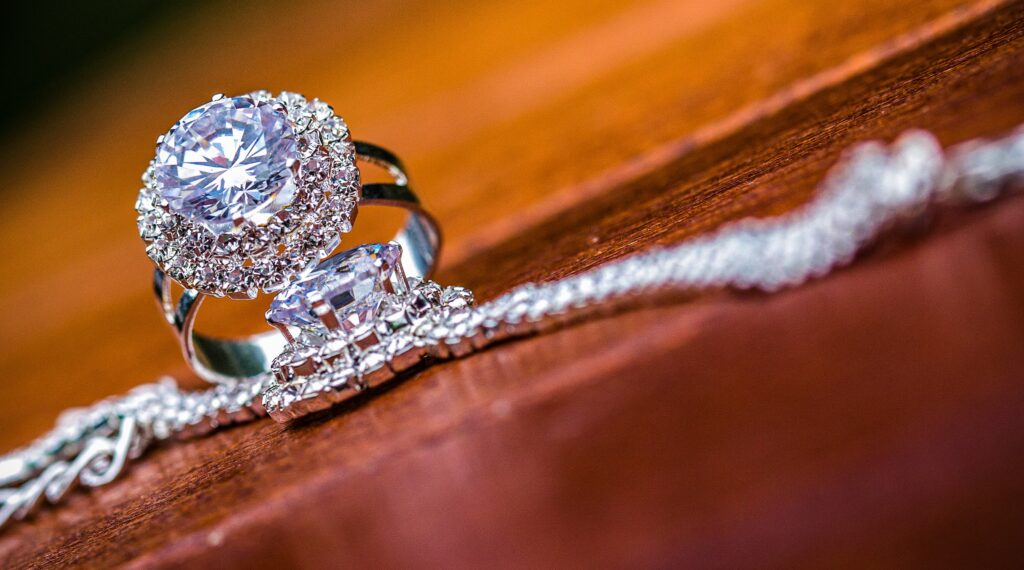
While certification describes a diamond’s characteristics, appraisal determines its monetary value for specific purposes. This process requires additional expertise and different methodologies than certification.
Types of Appraisals and Their Uses
Insurance Appraisals
Insurance appraisals determine replacement value at current retail prices, ensuring you can replace your diamond with one of similar quality if loss occurs. These valuations are typically higher than other appraisal types because they reflect full retail replacement costs.
These appraisals must be updated every 2-3 years due to market changes, inflation, and evolving retail prices. Regular updates ensure your coverage remains adequate and prevents disputes during claims.
Higher values ensure adequate coverage for complete replacement rather than partial compensation. Insurance companies use these valuations to determine coverage limits and premium calculations.
Most insurance companies require these appraisals for valuable jewelry insurance riders, which provide broader coverage than standard homeowner’s policies.
Fair Market Value Appraisals
Fair market value appraisals estimate the selling price between a willing buyer and seller in an open market. These valuations indicate the amount you can reasonably expect to receive when selling your diamond.
These appraisals are used for estate planning, divorce settlements, charitable donations, and other legal purposes where fair market value is required rather than replacement cost.
Fair market values are typically 30-50% lower than insurance values because they reflect wholesale or secondary market conditions rather than retail replacement costs.
These valuations reflect actual market conditions and liquidity factors, including the time and effort required to find qualified buyers.
Estate and Probate Appraisals
Estate appraisals determine value for tax purposes and must comply with specific legal requirements outlined by tax authorities and probate courts. These appraisals often require specialized estate appraisal credentials and knowledge of tax regulations to ensure compliance with legal standards.
Accurate estate appraisals are critical for proper estate tax calculations and can significantly impact the financial obligations of heirs and beneficiaries.
The Appraisal Process: What to Expect
Step 1: Initial Examination
The appraiser begins with a visual inspection using specialized lighting that reveals the diamond’s characteristics under controlled conditions. This initial assessment helps determine the scope of detailed analysis required.
Measurement of dimensions and weight provides precise data for identification and comparison with certified specifications if available.
Assessment of overall condition and craftsmanship includes examining the setting, mounting, and any signs of damage or wear that might affect value.
Step 2: Detailed Analysis
Microscopic examination of inclusions involves mapping internal characteristics and comparing them with certification documents if available. This process confirms identity and assesses any changes since original grading.
Color grading under controlled conditions uses standardized lighting and master stones to ensure accurate color assessment consistent with industry standards.
Cut quality assessment and proportion analysis determine how well the diamond interacts with light and measure key proportions that affect brilliance and value.
Metal testing and hallmark verification ensure accurate identification of precious metal content and confirm manufacturer markings or signatures.
Step 3: Market Research
Current pricing research for comparable diamonds involves analyzing recent sales data, auction results, and retail pricing from multiple sources to establish accurate market values.
Regional market condition analysis considers local supply and demand factors that might affect value in specific geographic areas.
Consideration of brand premiums or discounts accounts for designer signatures, famous provenance, or other factors that might enhance or diminish value.
Economic factors affecting diamond values include currency fluctuations, luxury spending trends, and supply chain disruptions that influence market conditions.
Step 4: Documentation
The final detailed written report includes photographs, technical specifications, and clear valuation conclusions supported by market research and professional analysis.
Inclusion plotting and measurements provide permanent records for identification and comparison with future appraisals or insurance claims.
Valuation methodology explanation helps readers understand how conclusions were reached and what factors were considered in the assessment.
Appraiser credentials and signature validate the professional qualifications and legal responsibility of the individual conducting the appraisal.
Choosing the Right Professional: Credentials That Matter
Essential Qualifications to Look For
Gemological Education
The GIA Graduate Gemologist (G.G.) diploma represents the most widely recognized gemological credential, requiring completion of comprehensive coursework and practical examinations in diamond and colored stone grading.
FGA (Fellow of the Gemmological Association) provides international recognition and demonstrates proficiency in gemstone identification and evaluation according to British standards.
Specialized diamond grading courses from recognized institutions ensure current knowledge of grading techniques and industry standards.
Regular continuing education participation demonstrates commitment to staying current with evolving technology and market conditions.
Appraisal Credentials
- ASA (American Society of Appraisers) certification requires extensive education, testing, and experience in appraisal methodology and professional practice.
- ISA (International Society of Appraisers) membership demonstrates commitment to professional standards and provides access to continuing education resources.
- NAJA (National Association of Jewelry Appraisers) credentials focus specifically on jewelry appraisal and provide specialized training in valuation methodology.
- USPAP (Uniform Standards of Professional Appraisal Practice) compliance ensures adherence to federally recognized appraisal standards and ethical guidelines.
Advanced Designations
- Master Gemologist Appraiser (MGA) represents the highest level of combined gemological and appraisal expertise, requiring extensive experience and continuing education.
- Certified Gemologist Appraiser (CGA) demonstrates specialized competency in diamond and jewelry evaluation with emphasis on technical expertise.
- Accredited Senior Appraiser (ASA) indicates advanced experience and leadership in the appraisal profession with a proven track record of professional practice.
Verification and Authentication: Protecting Your Investment
Modern Security Features
GIA Report Security
GIA reports include holographic foil security labels that change appearance when viewed from different angles, making counterfeiting extremely difficult.
Microprint lines throughout the document require special equipment to reproduce and help identify authentic reports.
Each report contains a unique report number linked to an online database that allows instant verification of authenticity and details.
QR codes provide instant mobile verification, allowing consumers to quickly confirm report authenticity using smartphone cameras.
AGS Report Features
AGS reports incorporate tamper-evident security features that show obvious signs of alteration if documents are modified after issuance.
Unique serial numbers provide permanent identification and enable tracking through AGS databases and verification systems.
Online verification systems allow real-time confirmation of report details and authenticity through the AGS website.
Advanced printing techniques use specialized inks and papers that are difficult to replicate without professional equipment.
Online Verification Process
- Step 1: Locate the report number on your certificate, usually prominently displayed on the front page along with other identifying information.
- Step 2: Visit the lab’s official website verification page, ensuring you’re using the correct URL to avoid fraudulent sites that might capture your information.
- Step 3: Enter the report number and any additional required information, such as carat weight or date of issue, as requested by the verification system.
- Step 4: Compare results with your physical certificate to ensure all details match exactly, including grades, measurements, and identifying characteristics.
- Step 5: Contact the lab directly if discrepancies are found, as this may indicate counterfeit documentation or database errors requiring investigation.
Investment Considerations: Beyond Beauty
Market Performance Factors
What Affects Diamond Values
Global economic conditions and luxury spending patterns significantly impact diamond demand and pricing, with economic downturns typically reducing demand for luxury goods, including diamonds.
Mining supply and production costs affect wholesale prices, particularly as easily accessible diamond deposits become depleted and extraction becomes more expensive.
Technological advances in lab-grown diamonds create pricing pressure on natural diamonds, particularly in smaller sizes and lower quality grades.
Changing consumer preferences and marketing campaigns influence demand for specific diamond characteristics, cuts, and sizes.
Currency fluctuations in international markets affect pricing since diamonds are traded globally with prices often denominated in US dollars.
Investment Realities
Diamonds are not liquid investments like stocks or bonds, requiring time and expertise to find qualified buyers willing to pay fair market prices.
Transaction costs can be significant (15-30%) when buying and selling diamonds, including dealer markups, certification fees, and marketing expenses.
Market timing and expertise are crucial for successful diamond investment, requiring deep knowledge of quality factors and market conditions.
Exceptional stones perform better than average quality diamonds, with rare characteristics commanding premium prices and better appreciation potential.
Certification from top labs is essential for resale value, as buyers typically discount or reject diamonds without proper documentation from recognized authorities.
Insurance and Risk Management
Coverage Options
- Scheduled coverage for individual pieces provides specific coverage amounts for each item, ensuring adequate protection for valuable diamonds.
- Blanket coverage for jewelry collections offers convenience for multiple pieces but may not provide adequate coverage for exceptional items.
- Replacement cost vs. actual cash value policies differ significantly in how claims are settled, with replacement cost typically providing better consumer protection.
- Worldwide coverage for frequent travelers ensures protection regardless of location, which is important for valuable jewelry worn during travel.
Risk Mitigation
- Secure storage when not wearing jewelry reduces theft risk and may qualify for insurance discounts with some carriers.
- Regular professional cleaning and inspection helps maintain condition and may reveal problems before they become serious.
- Updated appraisals every 2-3 years ensure insurance coverage remains adequate as market values change.
- Detailed photographic documentation provides evidence for insurance claims and helps with identification if theft occurs.
- Professional security system installation may reduce insurance premiums while providing additional protection for valuable collections.
Making Informed Decisions: Your Action Plan
For Engagement Ring Shoppers
Before You Buy
Research reputable certification labs to understand quality standards and choose vendors who provide proper documentation from recognized authorities.
Understanding the 4Cs and their relative importance helps you make informed quality and value decisions that align with your priorities and budget.
Set a realistic budget, including certification costs, insurance, and potential appraisal fees, to avoid financial surprises.
Choose jewelers who provide proper documentation, warranties, and return policies that protect your investment.
During the Purchase
Insist on GIA or AGS certification for significant purchases to ensure quality documentation and future resale value.
Request detailed receipts and documentation, including certification numbers, specifications, and warranty information.
Understanding return policies and guarantees will let you know your options if the purchase doesn’t meet expectations.
Consider professional appraisal for insurance purposes, especially for valuable pieces that represent significant investments.
For Insurance Purposes
Essential Steps
Obtain a current appraisal from a qualified professional who understands insurance requirements and can provide proper documentation.
Choose appropriate coverage types and limits based on your specific needs and risk tolerance.
Understand policy exclusions and limitations to avoid surprises during claims and ensure adequate protection.
Maintain updated documentation and photographs to support claims and facilitate replacement if necessary.
Review and update coverage regularly as values change and new pieces are acquired.
Your Next Steps: Expert Guidance When You Need It Most
Understanding diamond appraisal and certification empowers you to make confident decisions, but sometimes you need professional guidance from experts who understand both the technical aspects and market realities.
Whether you’re purchasing your first diamond, building a collection, or need accurate valuations for insurance or legal purposes, the right professional partnership makes all the difference.
Look for experts who combine gemological expertise with market knowledge, ethical practices, and a commitment to client education.
Diamond Banc provides expert appraisal services designed to offer a comprehensive evaluation and proper safeguarding of your valuable diamonds. Our certified professionals assess each diamond meticulously, considering key factors like quality, authenticity, and market value to give you a clear understanding of its worth.
Beyond appraising your diamonds, we also prioritize their protection. Our experts guide you through the necessary steps and documentation to secure your investment, ensuring its value is well-protected for insurance, resale, or any other needs you may have.
If you’re looking to sell your diamonds or secure a loan using them as collateral, Diamond Banc is here to help. We offer trusted services for diamond sales and loans, giving you flexible options with competitive offers.
When you choose Diamond Banc, you gain both an in-depth appraisal and the peace of mind that your diamond’s value is understood and protected for the future.
FAQs
1. How often should I get my diamond reappraised?
Appraisals should generally be updated every 2–3 years, especially for insurance purposes. Market conditions, inflation, and changes in diamond values can all affect the appraisal amount.
2. Does certification guarantee how much my diamond is worth?
No. Certification describes your diamond’s characteristics (cut, color, clarity, carat) but does not assign a dollar value. Only an appraisal provides an estimated market value.
3. Can a diamond lose value over time?
Yes. Market trends, supply changes, and the rise of lab-grown diamonds can impact resale values. Exceptional stones with rare qualities typically hold or increase in value better than average stones.
4. Do I need both a certificate and an appraisal for insurance?
Yes, most insurers require both. The certificate validates the diamond’s quality, while the appraisal provides the replacement value used for insurance coverage.
5. Are lab-grown diamonds certified and appraised the same way as natural diamonds?
Leading labs like IGI and GIA issue reports for lab-grown diamonds, with specific protocols that clearly identify them as laboratory-created and while the grading systems are similar, the reporting style and depth of disclosure can vary between labs.
6. How can I tell if my diamond certificate is fake?
Always verify the report number on the certifying lab’s official website. Look for security features like holograms, microprints, and QR codes. If anything doesn’t match, contact the lab directly.
7. What qualifications should I look for in an appraiser?
Choose professionals with gemological credentials like GIA Graduate Gemologist (G.G.) and appraisal certifications from organizations such as ASA, ISA, or NAJA.
8. Does the setting of a diamond affect the appraisal value?
Yes. Appraisers consider the entire piece, including the metal, design, and brand name, which can increase overall valuation beyond the diamond alone.
9. Can I use the same appraisal for selling my diamond and for insurance purposes?
No, you shouldn’t use the same appraisal for both purposes. Insurance appraisals are designed to cover the cost of replacing your diamond with a similar item at retail—so they’re often inflated. Resale appraisals reflect what you’d actually receive in a sale, which is usually much lower due to wholesale pricing, market demand, and lack of retail markup.
10. What’s the difference between a diamond certificate and an appraisal?
A certificate (grading report) describes the diamond’s quality. An appraisal assigns a dollar value based on those qualities, market trends, and the setting.
 Instagram
 Facebook
 Tiktok
 YouTube