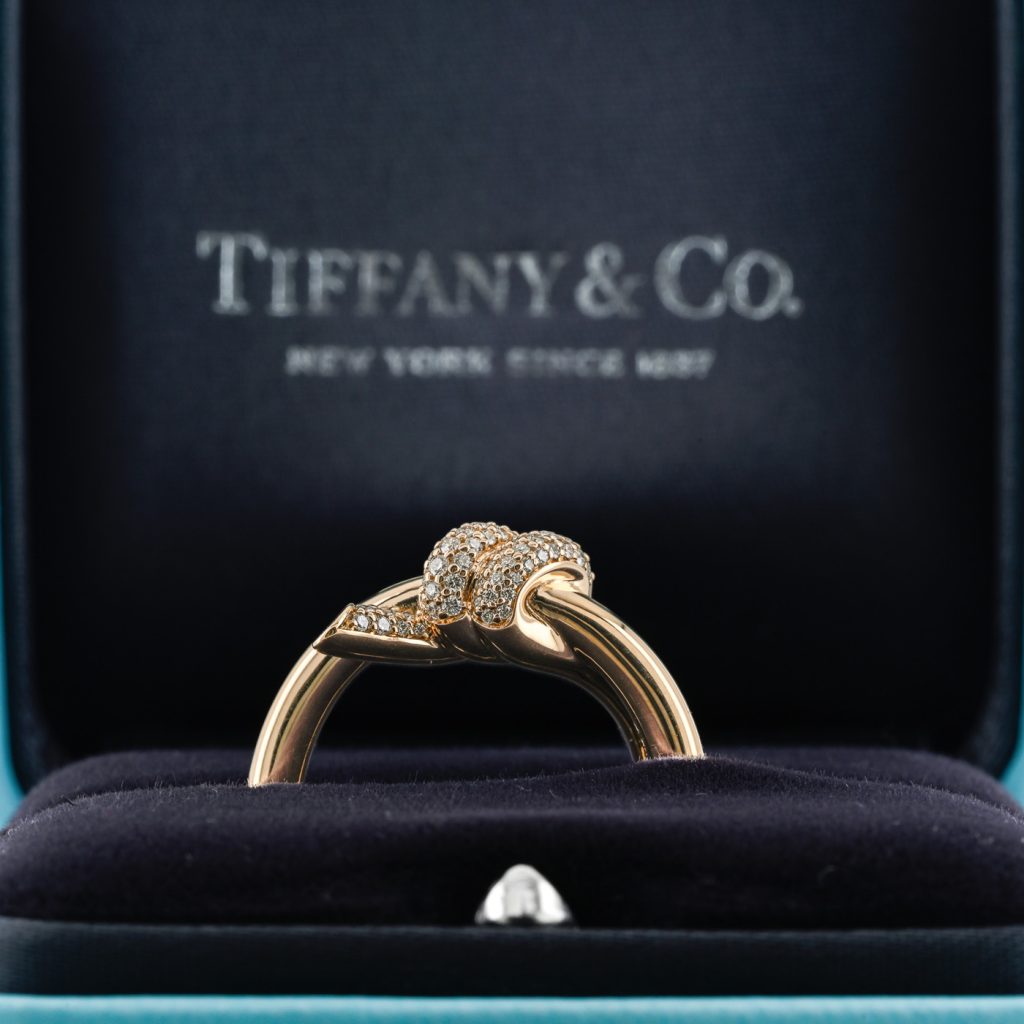
If you own a Tiffany & Co. ring, pendant, or pair of earrings and need money, the first instinct is often to call Tiffany directly. People search for a “tiffany buy back program” or a “tiffany trade in program” assuming the company that sold the piece will hand back cash for it. It doesn’t, at least not in the way most owners picture. What Tiffany does offer is a narrow, credit-only upgrade mechanism with its own eligibility rules, receipt requirements, and spending minimums. Understanding exactly what that program covers, and what it doesn’t, determines whether it’s worth a trip to the store or whether your better move is selling the piece or using it as collateral elsewhere.
Does Tiffany Have a Buy-Back Program?
No. Tiffany has no general cash buy-back program for diamond jewelry, gold, silver, or Elsa Peretti pieces. There is no counter where you walk in, hand over a ring you no longer wear, and walk out with a check. The only in-house trade mechanism Tiffany offers is store credit toward a new, more expensive purchase, formally called the Tiffany Diamond Promise. If what you’re actually looking for is cash in hand for a piece you already own, Tiffany’s own program isn’t built to provide that, no matter how the piece is marketed in their stores.
What the Tiffany Diamond Promise Upgrade Program Actually Covers
The Diamond Promise is Tiffany’s answer to a “tiffany upgrade program” or “tiffany diamond upgrade program” search: it lets a client who previously bought a qualifying diamond apply its original purchase price toward a new, similar design. The program is specific about what qualifies. The original piece must be an individually registered, serialized white or yellow solitaire diamond of at least .18 carats, purchased at Tiffany. For earrings, both stones in the pair must be individually registered. This is a lifetime benefit tied to the registered stone, not a general loyalty perk available on any piece in the store.
Elsa Peretti designs follow a separate rule: a Peretti piece can only be upgraded into another Peretti design, though a non-Peretti diamond can be put toward a Peretti piece. If your piece is a non-diamond item, a gold cuff, a silver pendant, a gemstone piece without a registered diamond, it falls outside the upgrade program entirely.
How Much Credit You Actually Get, and What It Costs
This is where the “tiffany ring upgrade program” search usually leads to disappointment. The credit isn’t a percentage or an appraised current value, it’s simply the amount you originally paid. More importantly, you can’t use that credit toward just anything: the new piece has to be priced at at least twice your original purchase price, and you pay the difference, plus tax, shipping, and any other costs, which are never included in the credit.
Tiffany’s own published example makes the math concrete: a client who paid $10,000 for an individually registered .30-carat white diamond solitaire can apply that $10,000 toward a similar design priced at $20,000 or more. On a $20,000 piece, that means paying $10,000 out of pocket before tax to complete the upgrade. Spend the same $10,000 on a $19,000 ring instead, and the program doesn’t apply at all, you have to clear the 2x threshold. This structure is confirmed on Tiffany’s own program terms, and it means the Diamond Promise is fundamentally a spend-more mechanism, not a way to extract value from a piece you already own. If your goal is freeing up money, not committing more of it, the math works against you here.
Do You Need the Original Receipt?
Yes, and this disqualifies a lot of people before they even get started. Tiffany requires the original sales receipt just to schedule an upgrade appointment, since the credit is tied to a specific, individually registered stone purchased at Tiffany. A ring bought secondhand, inherited, received as a gift without documentation, or purchased through a resale marketplace generally cannot be enrolled in the Diamond Promise, even if the diamond itself is a genuine Tiffany stone. If you don’t have the paperwork from the original purchase, this program isn’t available to you regardless of what you’re holding.
What If You Just Want to Return the Ring, Not Upgrade It?
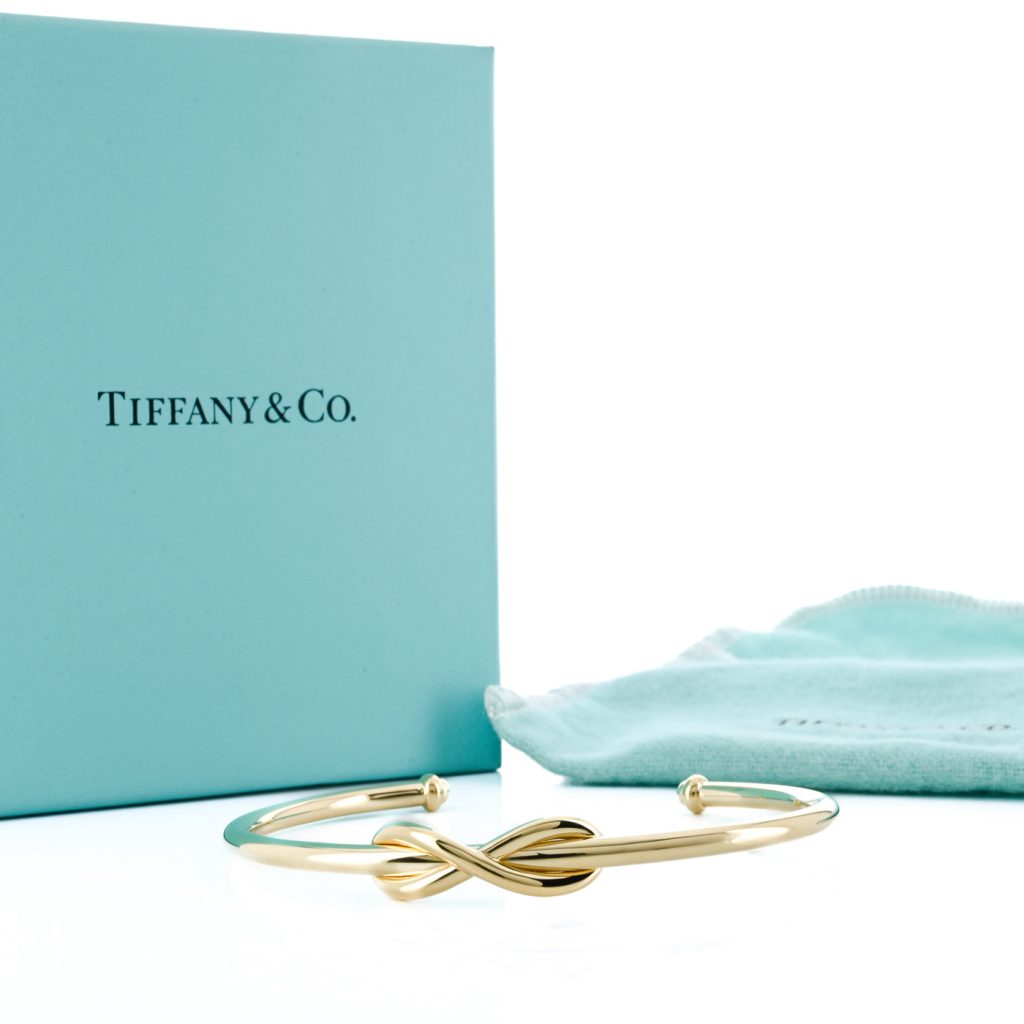
Tiffany’s standard return policy is separate from the Diamond Promise and far more limited. Merchandise priced under $75,000 can be returned or exchanged within 30 days of purchase, provided it’s in perfect saleable condition and accompanied by the sales receipt. Pieces priced at $75,000 or more are eligible for exchange only within that same 30-day window, with no refunds issued above that threshold under any circumstances. Watches have their own requirements: they must come back with the same number of links presented at purchase and the original warranty card, and cash purchases over $200 are refunded by mailed check rather than in cash. This same 30-day structure applies to engagement rings specifically, it’s not a separate, more generous policy for bridal jewelry. If you’re past the 30-day window, which almost anyone asking about a “tiffany buyback program” is, the return policy offers nothing either.
Your Real Options When You Need Money Now
Once you line up the Diamond Promise’s requirements, a registered diamond, the original receipt, and a willingness to spend at least double your original purchase, against the fact that you actually want cash, it becomes clear Tiffany isn’t the right door for that. Two practical paths exist outside the brand:
- Sell the piece outright. A buyer who evaluates the diamond, metal, and craftsmanship on current market terms can pay you directly, without requiring you to buy something more expensive in return. Diamond Banc’s Tiffany & Co. jewelry buying process doesn’t require an original receipt the way an in-house upgrade does. If you’re weighing the best place to sell diamond ring you own outright, a specialist buyer who prices the stone on today’s secondary market is generally a faster path to cash than any manufacturer trade-in program.
- Use the piece as collateral instead of selling it. If you want to keep the ring but still need funds, a jewelry-secured loan lets you access cash against the piece’s value while retaining ownership, with the option to reclaim it once the loan is repaid. This is a fundamentally different transaction than Tiffany’s credit-only model: you’re not committing to spend more, you’re accessing funds by using what you already have as collateral.
Both options skip the receipt requirement, the registered-stone restriction, and the two-times-the-price spending floor that make the Diamond Promise impractical for most owners who actually need liquidity. Part of why Tiffany can afford to keep its upgrade program narrow is the strength of its brand and resale demand, reinforced by years of high-profile marketing, including Tiffany’s brand ambassador campaigns, that keep secondary-market interest in its diamonds and designs high regardless of what the company itself will do for the original buyer.
What This Means If You’re Deciding Today
If you still have the receipt, the stone is individually registered at .18 carats or larger, and you’re genuinely ready to spend at least twice what you originally paid on something new, the Diamond Promise can make sense as a way to trade up within the brand. If any one of those conditions isn’t true, which is the case for most people searching for a “tiffany diamond upgrade program,” the program simply doesn’t apply to your situation, and there’s no cash alternative waiting behind door two at a Tiffany counter.
For everyone else, the more useful question isn’t whether Tiffany will buy the piece back, it won’t, but what the piece is actually worth on today’s market and which route, selling it outright or using it as collateral, better matches what you need the money for. A specialist who prices the diamond and setting independently of the original Tiffany receipt can usually give you a clearer answer in one visit than a trip to the Tiffany counter will.
Like what you’re reading?
Add us in Google — more like this is on the wayRelated Posts

 Instagram
 Facebook
 Tiktok
 YouTube