How to Get a Rolex Appraised for Selling (Not Insurance)
 Written By: Mills Menser
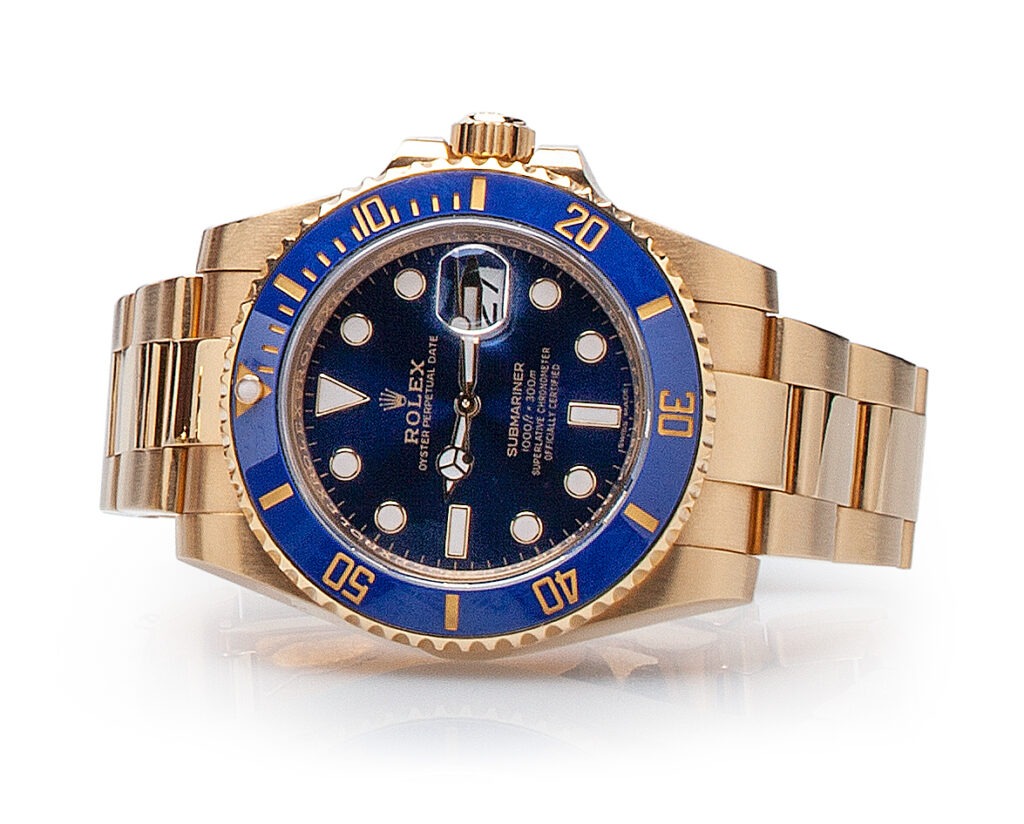
Getting a Rolex appraised for selling—as opposed to insurance—requires a market value appraisal, which determines the current cash price a dealer or buyer will pay. Unlike insurance appraisals, which often reflect a higher “replacement value,” a resale appraisal provides a realistic, immediate market price based on condition, model, and demand.
Most Rolex owners have encountered an insurance appraisal at some point. The document looks authoritative, the number on it is impressive, and it is easy to assume that figure represents what your watch is worth when you are ready to sell.
It does not. The value on an insurance appraisal and the value a buyer will pay in the current secondary market are two different numbers, and for many sellers, the gap between them is the single biggest source of confusion and disappointment in the selling process.
At Diamond Banc, we evaluate and purchase Rolex watches every day, and we speak with sellers regularly who are surprised to learn what their watch actually brings on the open market compared to what their insurance document states. Understanding why that gap exists and how to get a valuation that actually reflects what selling your Rolex will yield puts you in a stronger position to evaluate offers, choose the right buyer, and make a confident decision.
Contact us today for a complimentary, no-obligation evaluation.
Why Your Insurance Appraisal Will Not Tell You What Your Rolex Is Worth for Selling
Insurance appraisals and selling appraisals are built on different methodologies and serve different purposes. The number on an insurance document reflects the cost of replacing your watch with a new equivalent, not what a pre-owned buyer will pay for your specific watch in its current condition.
Retail Replacement Value vs. Fair Market Value
Insurance appraisals are written at retail replacement value, which reflects the current retail price of a comparable new Rolex from an authorized dealer. This number accounts for retailer markups, brand premiums, and the cost of obtaining a like-for-like replacement in a practical timeframe. It is set high because insurance is designed to make you whole, not to reflect what your pre-owned watch would fetch on a secondary market transaction.
Fair market value is defined as the price a willing buyer would pay a willing seller when neither party is under compulsion and both have reasonable knowledge of the relevant facts. For a pre-owned Rolex, that number is determined by what comparable watches are actually selling for right now in the secondary market, adjusted for your watch’s specific condition, reference, and documentation status.
Why the Gap Matters When You Are Ready to Sell
Insurance appraisals routinely run 20 to 50 percent above fair market value. A seller anchored to an insurance figure will consistently find that legitimate buyers, dealers, and specialist platforms offer less because their offers are based on what the watch actually trades for today. That gap is not a lowball. It reflects fair market resale value, the only number that reflects what the watch can actually be sold for today.
What a Selling Appraisal Actually Examines
A selling appraisal evaluates the factors that drive secondary market demand: reference number, physical condition, originality, and documentation. It is a hands-on assessment using live market comparables, not a reference to manufacturer retail pricing.
Reference Number and Model Configuration
The reference number is the starting point of any selling appraisal, encoding model family, case material, bezel style, and production era. Two watches that look nearly identical on the wrist can differ by thousands of dollars based on reference alone.
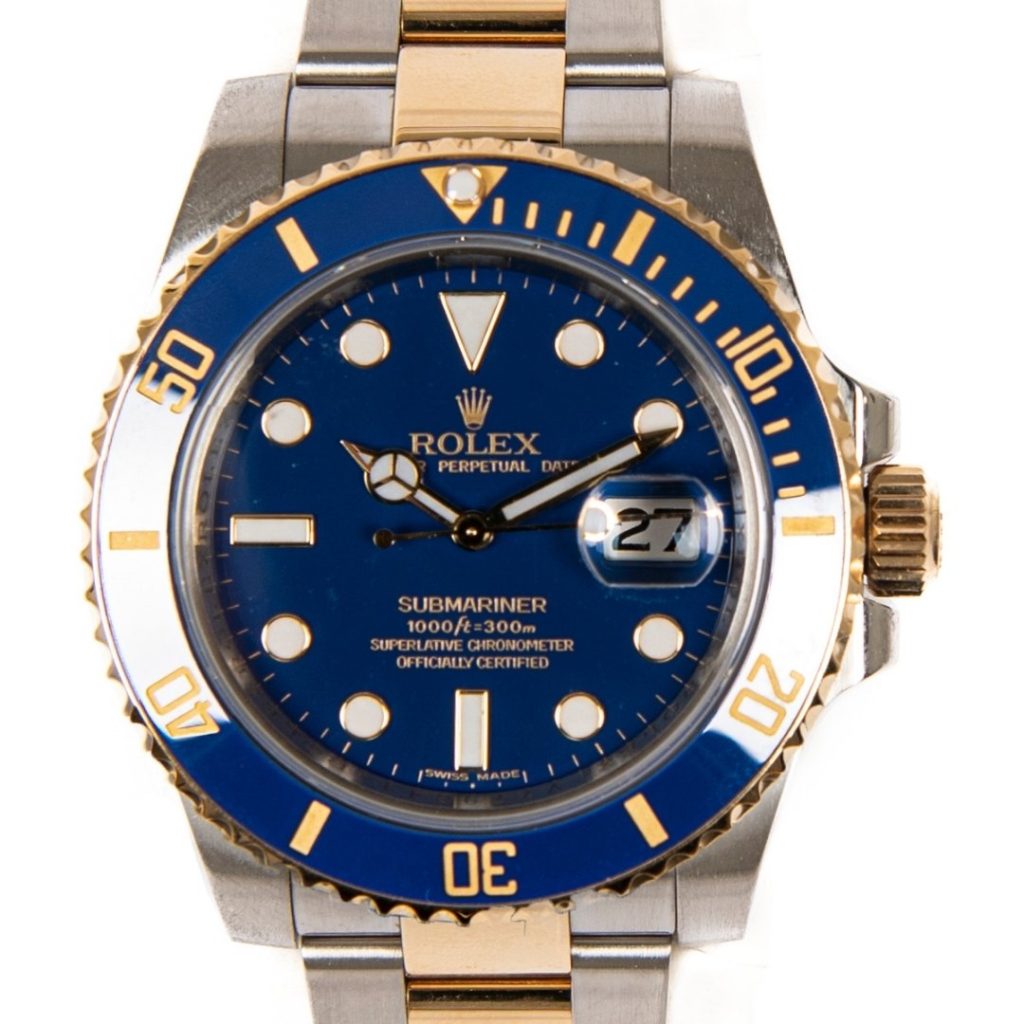
A Submariner 126610LN and its predecessor 116610LN occupy different positions in the secondary market, and a competent appraiser identifies which reference is which before applying any market comparables. Dial variations, production years, and material configurations within the same reference can also affect value, particularly for models where certain configurations are scarcer.
Condition and Originality
Physical condition is evaluated on a component-by-component basis: case geometry, surface finishing, crystal, bezel insert, dial, hands, bracelet, and clasp. An unpolished watch with honest wear consistently commands more than a polished example because originality is a premium the secondary market prices explicitly.
Aftermarket parts, re-lumed dials, replaced bezels, or refinished cases all reduce value because collectors and dealers price the restoration risk into their offers. The more a watch departs from factory specification, the lower the fair market value. How condition and documentation affect Rolex value is one of the most commonly misunderstood aspects of the selling process.
Original Papers, Box, and Provenance
Box, papers, warranty card, and service records add a documented premium to a Rolex on the secondary market. Watches with complete original documentation typically sell for 10 to 20 percent more than the same reference without papers, because documentation confirms authenticity, establishes provenance, and reduces the friction buyers experience when deciding whether to transact.
Missing documentation does not disqualify a watch from selling at a competitive price, but its absence should be factored into any realistic selling appraisal.
Where to Get a Rolex Appraised for Selling
Not every appraiser is equipped to value a Rolex for selling purposes. The right source is a specialist who transacts in the pre-owned market daily and bases valuations on live data, not retail pricing guides.
Specialist Luxury Watch Buyers and Dealers
Watch buyers and dealers who actively purchase and sell Rolex watches in the secondary market produce the most accurate selling valuations because their offers are calibrated against transactions they are executing in real time.
They compare your watch against current inventory, recent sales, and live market demand, not static pricing guides. A professional Rolex valuation from a specialist who buys and sells these watches daily reflects real transaction prices, not a theoretical range.
Auction Houses
Major auction houses with established watch departments can produce credible fair market value estimates for higher-end references, particularly vintage pieces and discontinued models. The limitation is that auction estimates reflect a range and are contingent on buyer interest at a specific sale, which fluctuates.
For modern references and common models, auction estimates are less precise than a dealer evaluation backed by current transaction data.
Certified Independent Appraisers
Independent appraisers credentialed through organizations such as the American Society of Appraisers or the National Association of Jewelry Appraisers can produce formal written appraisals at fair market value.
This format is useful for estate, divorce, or tax situations where a third-party document is required. For the purpose of selling, a formal written appraisal is generally less useful than a direct evaluation from a buyer actively operating in the market.
What to Bring to a Rolex Selling Appraisal
Gathering documentation before a Rolex selling appraisal is one of the most direct ways to support a stronger offer. Bring everything available:
- The watch: clean but unpolished, exactly as it is
- Original box: inner and outer if available
- Papers and warranty card: with the reference and serial number visible
- Hang tags, stickers, and swing tags: if still attached or retained
- Service records: from Rolex or an authorized service center
- Original purchase receipt: establishes provenance for vintage and high-value references
- Any previous appraisals: for context, though the appraiser will base their value on current conditions
If you no longer have documentation, that is not disqualifying. A review of the pre-owned Rolex seller’s guide covers what to expect when selling with or without papers and how each scenario affects your realistic outcome.
Get the Valuation That Reflects What Your Rolex Will Actually Sell For
An insurance appraisal protects your coverage. A selling appraisal tells you what your watch is worth to a real buyer in the current market. Those are different documents, produced for different purposes, and confusing the two costs sellers time and money.
At Diamond Banc, we provide complimentary Rolex valuations based on current secondary market data, hands-on inspection, and direct buyer access across our nationwide network. Whether you are ready to sell, considering a Rolex equity loan to access liquidity without parting with your watch, or exploring your options through our Seller’s Agent service for maximum return, we deliver a clear, transparent picture of what your watch is worth in the current market.
Use our Rolex Calculator to get an instant estimate, or contact us to schedule a private evaluation at a Diamond Banc office near you.
Frequently Asked Questions
An insurance appraisal is written at retail replacement value: the cost to replace your watch with a new equivalent from an authorized dealer. A selling appraisal is based on fair market value, which reflects what a willing buyer will pay for your pre-owned watch in the current secondary market. Insurance appraisals are almost always higher, sometimes by 20 to 50 percent or more. Using an insurance figure as a selling benchmark leads to misaligned expectations.
A general jeweler can provide an appraisal, but their access to live secondary market data varies widely. For a selling appraisal that reflects actual transaction prices in the pre-owned Rolex market, a specialist who actively buys and sells these watches will produce a more accurate valuation. Their offers are calibrated against live comparables, not retail pricing guides or generic appraisal formulas.
Yes. Original documentation, including the box, warranty card, hang tags, and any service records, typically adds 10 to 20 percent to the resale value of a Rolex. Documentation confirms authenticity, establishes provenance, and reduces buyer hesitation. Watches with complete original sets consistently attract stronger offers and transact faster than the same reference without papers.
In most cases, yes. The secondary market for pre-owned Rolex watches places a premium on originality, which includes unaltered case geometry and factory finishing. Polishing removes metal, rounds case edges, and eliminates the contrast between brushed and polished surfaces. Collectors and specialist buyers value intact original finishing, and an experienced appraiser will reflect that in a selling valuation.
A hands-on Rolex selling appraisal from a specialist typically takes 15 to 45 minutes, depending on the reference, documentation available, and whether movement condition requires verification. The evaluation covers authentication, physical inspection, documentation review, and market comparison before an offer or value range is presented.
Generally no, unless the watch has a known mechanical issue. An unserviced watch in its current state gives the appraiser an accurate picture of the actual condition. Servicing before a sale is a cost that does not always add equivalent value, and in some cases, an unnecessary service from a non-authorized center can reduce value by introducing work that buyers cannot verify. Bring the watch as-is and let the appraiser assess the mechanical condition as part of the evaluation.
The reference number identifies your Rolex’s exact model family, case material, bezel style, and production era. It is engraved on the case and can also be found on the original papers. For a selling appraisal, the reference number determines which market comparables apply to your watch. Two visually similar watches can differ substantially in value based on reference, and an appraiser who does not work from the reference number is not producing an accurate selling valuation.
Yes, preliminary estimates are available online through submission tools and calculator platforms, and these are useful for establishing a starting range based on model, condition, and photos. A final offer or certified valuation requires physical inspection because condition, originality, and movement performance cannot be fully assessed from images alone. Most reputable buyers will provide a firm offer only after examining the watch in person or through an insured mail-in review.
A Rolex selling appraisal is an opinion of market value, not a contractual obligation. You are free to obtain additional evaluations from other specialist buyers or appraisers, compare offers, and make your own determination of whether to proceed. A credible appraiser should be able to explain how they arrived at their number, including the market comparables and condition factors they applied. If an explanation is not forthcoming, that is a signal to seek a second opinion.
 Instagram
 Facebook
 Tiktok
 YouTube