Table of Contents
- What Is A Pawn Shop Loan?
- How Does A Pawn Shop Work?
- How Do Pawn Shops Authenticate Jewelry?
- What Are The Requirements For A Pawn Shop Loan?
- What Are The Conditions For Getting A Pawn Shop Loan In Boca Raton?
- What’s The Role of Interest Rates and APR in Pawning Jewelry?
- What Factors Influence Pawn Loan Interest Rates?
- How Does Monthly Interest Factor Into The Annual APR Of A Pawn Loan?
- The Advice for Borrowers
- How Do Fees Affect The APR Of A Pawn Shop Loan?
- What Are The Benefits Of Taking A Pawn Jewelry Loan?
- What Are The Risks Of Taking A Pawn Jewelry Loan?
- How Can You Get The Lowest Pawn Loan Interest Rate in Boca Raton?
- How Can You Pawn Your Jewelry Efficiently?
- Why Does Collateral Value Matter for Interest Rates?
- How Do Short Loan Periods and Early Payoff Reduce Interest?
- Do Pawn Shops Perform Credit Checks?
- Can High APR Costs Exceed the Value of Your Item?
- Is It Better to Sell or Pawn Jewelry?
- What’s the Difference between Jewelry Appraisal and Pawn Offer?
- What Happens If You Default on a Pawn Loan?
- How to Redeem Your Item from a Pawn Shop?
- Why Should You Choose Diamond Banc Over a Pawn Shop?
A pawn shop loan is a short-term, asset-backed loan where the borrower uses personal property as collateral in exchange for immediate cash. Common collateral includes jewelry, electronics, watches, and luxury items. The loan amount is based on the item’s appraised resale value, not the borrower’s credit history or income.
Pawn shop loans work through a secured transaction. The pawn shop evaluates the item, offers a loan amount typically ranging from 25% to 60% of the item’s market value, and holds the item until repayment is made.
If the borrower repays the loan, including interest, within the agreed-upon period, the item is returned to them. If the loan is not repaid, the shop keeps the item with no further obligation from the borrower.
Interest rates and APR on pawn loans vary widely. In Boca Raton, Florida, pawn shop loans are regulated under Chapter 539, Florida Statutes, capping interest rates at 25% per month for the first 30 days and 20% per month for subsequent periods. This structure results in a high APR, exceeding 200% annually.
To secure the lowest pawn loan interest rate in Boca Raton, borrowers opt for licensed shops that offer transparent pricing and competitive valuation practices. Diamond Banc offers lower monthly rates on high-value assets, including fine jewelry, watches, and diamonds, providing secure, fair-market appraisals without requiring credit checks.
As a trusted lender, Diamond Banc ensures fast funding, expert appraisals, and complete confidentiality. Clients receive fair market value offers based on the true worth of their assets rather than their credit scores. With flexible terms and industry-low rates, Diamond Banc helps maximize the value of every pawn loan.
What Is A Pawn Shop Loan?
The pawn shop loan is a short-term, collateral-based loan in which a borrower receives cash by leaving a valuable item, such as jewelry, watches, or electronics, with a licensed pawnbroker. The loan amount depends on the item’s appraised resale value, not the borrower’s credit score or income. In Boca Raton, pawn loans are commonly used for fast, no-credit-check financing, which typically lasts 30 to 90 days.
Pawn loans in Boca Raton are governed by the Florida Pawn Broking Act, which regulates maximum interest rates and storage practices. Rates typically start at 25% monthly for the first 30 days and decrease to 20% for subsequent periods, resulting in a high annual percentage rate (APR). Items not reclaimed within the loan term may be forfeited without incurring any legal penalties to the borrower.
However, when it comes to high-value assets like fine jewelry, Diamond Banc offers a more secure, transparent, and financially efficient alternative to traditional pawnshops. Unlike standard pawn shops that often undervalue luxury items, Diamond Banc employs expert appraisers who specialize in branded jewelry and fine timepieces. Clients receive higher loan offers, lower rates, and professional service backed by privacy and market insight.
Key factors that influence pawn loan rates include the asset’s resale liquidity, brand recognition, current market value, and condition. Items with clear provenance, premium materials, or designer origin qualify for more favorable loan terms at Diamond Banc than at generic pawn shops.
How Does A Pawn Shop Work?
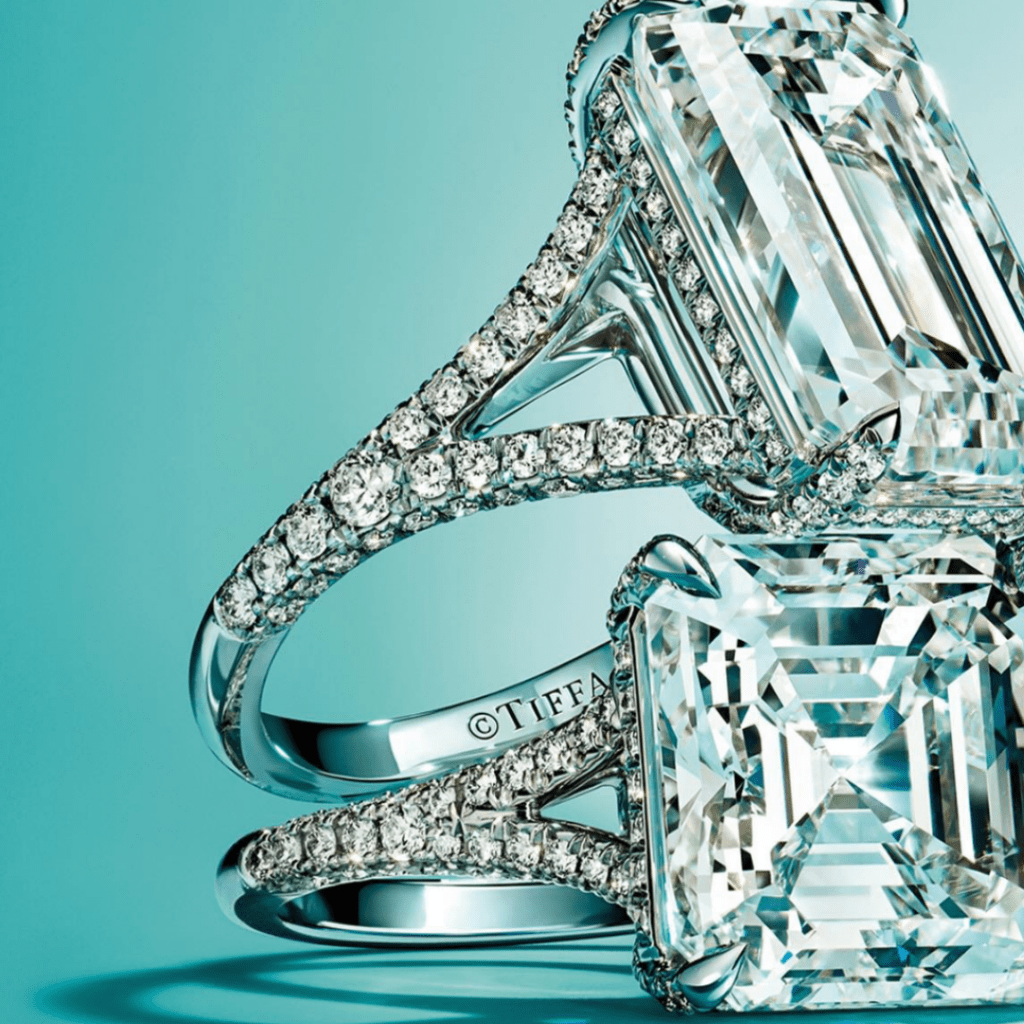
A pawn shop works by providing short-term, collateral-based loans in exchange for personal items of value, such as gold, diamonds, watches, or electronics. The borrower hands over the item, and the pawn shop appraises it based on its condition, market demand, and resale value.
A loan is then issued, usually between 25% and 60% of the item’s assessed value. The borrower receives a pawn ticket outlining the loan amount, interest rate, repayment terms, and the duration of storage.
The borrower has a fixed repayment period of 30 to 90 days to repay the loan with interest. If the loan is repaid on time, the item is returned. If the loan is not repaid, the pawn shop keeps and resells the item without affecting the borrower’s credit or requiring legal action. In Florida, pawn shops operate under Chapter 539, which regulates interest rates, maximum fees, and loan periods.
While pawn shops offer fast cash, they undervalue high-end assets and charge higher rates. Diamond Banc provides expert evaluations, competitive loan-to-value ratios, and significantly lower rates for fine jewelry and watches. Clients benefit from a premium, transparent lending process backed by national industry expertise.
How Do Pawn Shops Authenticate Jewelry?
Pawn shops authenticate jewelry by inspecting key attributes such as metal purity, gemstone authenticity, maker’s marks, craftsmanship quality, and overall condition. The process involves using tools such as jeweler’s loupes, digital scales, metal testers, and diamond testers to verify material integrity and composition.
Core desirability factors include metal type and karat (e.g., 14K or 18K gold, platinum), gemstone clarity and cut, brand or designer origin, and presence of hallmarks or serial numbers. Well-documented items with their original boxes or certificates receive higher credibility and value in authentication.
Craftsmanship plays a significant role. Hand-fabricated pieces with clean solder joints, precise prong work, and era-specific detailing are more likely to be genuine and of higher value. Consistency in stone placement, symmetry, and design execution signals authenticity and skilled production.
Condition is equally important. Jewelry in original, undamaged condition without replaced stones or altered settings holds more value and is easier to verify. Pawn shops also consider wear patterns and signs of prior repairs when evaluating the authenticity and resale potential of items.
Iconic designs from brands like Cartier, Tiffany and Co., or Van Cleef and Arpels feature hallmarked logos, serial numbers, and signature design traits that make verification more reliable. In contrast, generic pieces without identifiers or historical design elements require deeper material analysis and are appraised at a lower value.
What Are The Requirements For A Pawn Shop Loan?
The requirements for a pawn shop loan include providing collateral, presenting valid identification, verifying ownership, and accepting the loan terms outlined in a pawn ticket. These criteria ensure the transaction is legally compliant, traceable, and secured by the pledged item.
The core requirements for a pawn shop loan are:
-
Collateral
Collateral is a valuable item that you offer to the pawn shop as security for the loan. This item can be jewelry, electronics, musical instruments, tools, or other goods of value. The pawn shop appraises the item and holds it until the loan is repaid. If you fail to repay, they legally sell it.
-
Identity Verification
Identity verification is the process of confirming one’s identity using official documents. A valid government-issued photo ID, like a driver’s license or passport, is required. This protects against fraud and helps law enforcement track stolen property.
-
Ownership Proof
Proof of ownership confirms that you’re the legal owner of the item you’re pawning. While not all pawn shops demand a purchase receipt, showing proof of ownership increases your credibility and may help secure a better loan offer.
-
Loan Amount
The loan amount is the sum of money the pawn shop agrees to lend based on the item’s value. Typically, pawn shops loan 25% to 60% of the item’s resale value. This amount varies depending on condition, demand, and how easily the shop resells the item.
-
Pawn Ticket
A pawn ticket is an official receipt documenting the loan agreement. It includes the item’s description, loan amount, interest rate, due date, and terms. This ticket is required to reclaim your item, so keeping it safe is crucial.
-
Repayment
Repayment is the process of returning the borrowed money along with interest to retrieve your item. You usually have 30 to 90 days to repay the full amount. If you don’t repay within the specified time limit, the shop reserves the right to retain and sell your item.
Diamond Banc follows a transparent loan process, offering higher advances and lower rates for luxury jewelry, making it a preferred choice over traditional pawn shops.
What Are The Conditions For Getting A Pawn Shop Loan In Boca Raton?
The conditions for getting a pawn shop loan in Boca Raton include item appraisal, loan offer evaluation, agreement terms, secure collateral storage, and repayment completion. These conditions form a regulated process under Florida’s pawn broking laws, designed to protect both the borrower and lender.
The primary conditions for a pawn shop loan in Boca Raton are:
-
Item Appraisal
It is the process where the pawn shop evaluates the item’s market value. Once you bring in an item (e.g., a watch, phone, or guitar), the shop assesses its condition, brand, and resale value. This step determines how much the shop is willing to lend.
An expert visually inspects and may test the item. High-demand and well-maintained items receive higher appraisals. Negotiate based on comparable prices or bring documentation to prove the item’s worth.
-
Loan Offer
A loan offer means the amount of money offered by the shop based on the appraisal. Usually, you receive 25%–60% of the item’s resale value. This amount is presented as a cash offer or store credit.
After appraisal, the loan amount, interest rate, and duration are verbally or digitally offered. You’re under no obligation to accept. Shop around for better offers or ask for a breakdown of how the amount was determined.
-
Agreement Term
It is a legal contract that outlines the loan’s details and the borrower’s obligations. It includes the loan amount, interest rate, repayment deadline, and fees.
This is commonly recorded on a pawn ticket. You review and sign the agreement; the shop gives you a copy for your records. Always read the fine print. Ask about grace periods or renewal options before signing the agreement.
-
Collateral Storage
Collateral storage means the safekeeping of your pawned item during the loan period. The shop stores your item in a secure, climate-controlled facility to prevent damage or theft.
Once the deal is finalized, your item is tagged and stored until repayment is made. Licensed shops are legally required to safeguard items and return them in their original condition if the loan is repaid on time.
-
Repayment
Repayment is the process of paying back the loan amount, including interest and fees. Repayment typically occurs within 30 to 90 days. Shops may offer extensions or renewals for an added fee. You return to the shop with your pawn ticket and payment.
The item is then returned to you. Missing the repayment deadline means the shop is legally entitled to sell your item. Always communicate in advance if you need more time.
In Boca Raton, clients seeking fair evaluations and secure terms for luxury items choose Diamond Banc for its expert appraisals, lower rates, and discreet handling of high-value assets.

What’s The Role of Interest Rates and APR in Pawning Jewelry?
The role of interest rates and APR in pawning jewelry is to define the total borrowing cost over time, impacting how much a borrower repays to reclaim their item. These financial elements are central to the pawn loan structure and directly impact the loan’s affordability.
The elements of interest and APR in pawning jewelry are:
-
-
-
Interest Rate
-
-
The interest rate in a pawn loan refers to the percentage fee charged on the amount borrowed based on the value of your item. This fee compensates the pawnshop for lending you money and holding your collateral as security.
Rates are typically regulated by state law and may vary depending on the shop, the type of item, the loan amount, and the loan duration. Most pawn shops charge interest between 10% and 25% per month.
Importantly, interest accrues monthly, meaning the amount you owe increases if the loan is not repaid within the agreed-upon time. In some cases, interest can compound, especially if you renew or extend the loan.
-
-
-
APR (Annual Percentage Rate)
-
-
APR, or Annual Percentage Rate, represents the true yearly cost of borrowing, including both interest charges and any extra fees imposed by the pawn shop. While monthly interest rates may seem manageable, the APR reveals the long-term cost.
For example, a 20% monthly interest rate translates to a 240% APR, significantly increasing the cost of borrowing over time. APR offers a more comprehensive view than the monthly interest rate alone, making it an essential figure for borrowers to consider before committing to a pawn loan.
-
-
-
Role in Pawning
-
-
Interest plays a central role in the pawning process. Since pawn loans do not require credit checks, income verification, or a credit score, the shop takes on more risk. Interest acts as the shop’s primary source of income for the loan service and secure storage of your item.
This interest-based model enables fast cash lending without the formalities associated with traditional loans. However, it also means that the cost to retrieve your item depends heavily on the interest rate agreed upon when the loan was issued.
Diamond Banc offers significantly lower monthly rates and transparent APR structures, making it a better choice for pawning fine jewelry compared to traditional pawn shops.
What Factors Influence Pawn Loan Interest Rates?
The factors that influence pawn loan interest rates are loan amount, item value, state regulations, loan term, risk assessment, and handling charges. These variables determine the amount of interest a borrower pays and how a pawn shop evaluates risk and reward for each transaction.
The factors that influence pawn loan interest rates are:
-
-
-
Loan Amount
-
-
The loan amount refers to the total sum of money you borrow from the pawn shop, which is directly tied to the value of your collateral. In general, smaller loans tend to come with higher interest rates because pawn shops need to recover the fixed costs of handling, storing, and managing each item.
On the other hand, larger loans may come with slightly reduced rates since the higher principal generates more interest income for the shop. For example, a $50 loan might carry a 25% interest rate, while a $500 loan may incur only 15%, making the amount borrowed a significant factor in determining your total cost.
-
-
-
Item Value
-
-
The item value is the assessed resale worth of the item you offer as collateral. Pawn shops evaluate the condition, demand, brand, and marketability of an item to determine its potential selling price if it remains unclaimed. Items of higher value, especially those in demand like gold, branded electronics, or luxury watches, receive lower interest rates because they pose less risk to the lender.
Conversely, lower-value or niche items may face higher rates due to uncertainty about resale potential. A valuable, well-maintained item enhances your negotiating power and helps you secure more favorable loan terms.
-
-
-
State Regulations
-
-
State regulations define the legal limits on how much interest a pawn shop charges. Most U.S. states have laws that cap monthly interest rates, ranging between 3% and 25%. These laws also require shops to disclose rates and loan terms.
In some cases, cities and counties may impose additional rules, making the legal environment a significant factor in what pawn shops are legally allowed to offer. This means the location of the pawn shop has a direct effect on your interest rate, regardless of the shop’s internal policies.
-
-
-
Loan Term
-
-
The loan term is the period during which you’re expected to repay the loan. Pawn loans typically last between 30 and 90 days but can sometimes be renewed or extended for a fee. Longer loan terms typically come with higher interest rates, as the pawn shop must hold and store your item for a longer period, increasing their risk and cost.
Opting for a shorter loan term, if possible, reduces your total interest expense, making your loan more affordable in the long run.
-
-
-
Risk Assessment
-
-
Risk assessment refers to how the pawnshop evaluates your likelihood of repaying the loan. Several factors contribute to this, including your history with the shop, the condition and market value of the item, and broader market conditions.
If you’re a first-time borrower or if the item is hard to evaluate or sell, the shop may assign a higher risk level, which results in higher interest rates. However, if you’ve previously borrowed and repaid successfully, you’re more likely to receive discounted rates or better terms due to increased trust.
-
-
-
Handling Charges
-
-
Handling charges are additional fees added to the loan for services like storage, insurance, authentication, cleaning, or repair of the pawned item. These fees are bundled into the total cost of the loan and may not always be itemized, which is why they quietly increase the effective borrowing cost.
While technically separate from the interest rate, these charges affect your overall repayment amount and are sometimes factored into the APR. Always request a detailed breakdown of all charges to avoid hidden costs.
-
-
-
Negotiation & Repeat Customer Advantage
-
-
Being a repeat customer significantly influences your interest rate. Borrowers with a reliable repayment history are rewarded with lower rates, waived fees, or more flexible loan terms.
Additionally, pawn shops may be open to negotiation, especially if you bring in high-value items, offer proof of item value, or compare rates from other local shops. Building a trusted relationship with the shops results in better service and more favorable financial terms over time.
Every borrower has the opportunity to influence their interest rate by understanding these key factors and using them strategically, whether through negotiation, smart item selection, or choosing a shorter loan term.
How Does Monthly Interest Factor Into The Annual APR Of A Pawn Loan?
The monthly interest rate, though seemingly small, compounds over time and significantly increases the Annual Percentage Rate (APR), the true cost of borrowing, as discussed below:
-
-
-
Monthly Interest Rate
-
-
Pawn shops typically advertise a monthly interest rate, such as 3% to 25%, rather than the full annual cost. For example, if a pawn shop charges 3% per month, it might seem manageable.
However, that 3% is applied every month, and when compounded, it adds up to much more than just 36% annually (3% × 12 months). The real cost is higher due to compounding.
-
-
-
Formulas to Know
-
-
Monthly Interest Cost
Formula:
Interest = Principal × Monthly Rate
Example:
$100 loan at 5% monthly = $100 × 0.05 = $5 interest/month
Annual APR (Compounded)
Formula:
APR = (1 + Monthly Rate) ¹² − 1
Example:
Monthly rate of 5% = APR = (1 + 0.05)¹² − 1 ≈ 79.59%
-
-
-
Annual APR Calculation
-
-
The Annual Percentage Rate (APR) calculates the true cost of borrowing over a full year by taking into account both monthly interest and fees. For example:
-
-
- If the monthly interest rate is 3%, the annual APR is not 36%, but approximately 42.58% due to the compounding of interest.
- The formula to calculate compound APR from a monthly rate is:
- APR = (1 + Monthly Interest Rate)¹² − 1
- Example:
- APR = (1 + 0.03)¹² − 1 = 0.4258 or 42.58%
-
This shows that APR is always higher than the simple sum of monthly interest rates, especially when the loan is rolled over or not paid off on time.
-
-
-
APR as a Total Cost
-
-
APR includes not only interest but also fees such as handling, storage, insurance, and processing, making it a more comprehensive measure of your loan cost. It reflects the true annual cost of borrowing and helps avoid surprises when repaying.
If a pawn shop charges extra fees alongside monthly interest, the APR rises dramatically even if the monthly rate appears low.
-
-
-
Comparison Tool
-
-
APR is a useful comparison tool when evaluating different pawn loan offers. Two shops may offer a 10% monthly rate, but if one includes hidden fees, the APR is significantly higher. Knowing the APR lets you compare loans on equal footing, similar to how you’d compare credit cards or personal loans.
-
-
-
The Advice for Borrowers
-
-
Many pawn shops do not display the APR openly, instead quoting monthly rates to make the loan appear more affordable. As a borrower, always ask for the APR or calculate it yourself using the formula above.
This helps you clearly understand the real financial commitment and avoid falling into a cycle of costly renewals or extensions.
Before agreeing to a pawn loan, use the APR to compare offers and evaluate whether it’s worth the cost relative to the item you’re pawning. Diamond Banc discloses both monthly rates and APR, offering lower-cost loans on luxury assets with full transparency to protect client interests.
How Do Fees Affect The APR Of A Pawn Shop Loan?
The fees affect the APR of a pawn shop loan by increasing the total cost of borrowing beyond the base monthly interest, resulting in a significantly higher annual percentage rate. APR (Annual Percentage Rate) reflects both interest and added charges, making it the most accurate way to compare true loan costs.
The fee impacts the APR in pawn loans as:
-
-
-
Storage Fees
-
-
Pawn shops charge a monthly fee for storing valuable items, such as jewelry or watches. A $10 storage fee on a $500 loan adds a 2% monthly cost, which directly contributes to the increase in the APR.
-
-
-
Insurance Fees
-
-
Charges for insuring the pawned item during the loan term are typically mandatory. These can add 1–3% more per month to the overall cost, depending on item value and duration.
-
-
-
Extension Charges
-
-
If the borrower needs more time to repay, additional fees are applied to extend the loan term. These fees are added to the existing balance, further inflating the effective APR.
-
-
-
Handling Fees
-
-
Some shops charge a fixed handling or service fee at the time of the transaction. Even a one-time $20 fee on a short-term loan can drastically affect the APR due to the loan’s short duration.
While a pawn loan may advertise a 15% to 25% monthly interest rate, when all fees are included, the actual APR exceeds 200% annually. Many pawn shops bundle these charges into “interest,” obscuring the true cost.
Borrowers must always calculate the full APR by combining all monthly charges and dividing by the loan amount.
Diamond Banc separates fees from interest, offers lower monthly rates, and provides transparent APR disclosures, giving clients a clear understanding of the total cost of the loan.
What Are The Benefits Of Taking A Pawn Jewelry Loan?
The benefits of taking a pawn jewelry loan include fast cash access, no credit requirements, asset-based security, and minimal financial risk. These loans offer a flexible option for individuals who need short-term liquidity and use personal valuables as collateral.
The core benefits of pawn jewelry loans are
-
-
-
Receive Cash Quickly
-
-
Pawn loans provide immediate cash within minutes after the item is appraised. This speed is ideal for urgent expenses or temporary financial gaps.
-
-
-
Easy Qualification with No Credit Check
-
-
Approval depends solely on the collateral’s value. Lenders do not check credit scores, income, or employment, making it accessible for all financial backgrounds.
-
-
-
Will Not Impact Bankruptcy Protection in the Future
-
-
Pawn loans are non-recourse; failure to repay only results in forfeiting the item, not in legal action or debt collection, thereby preserving bankruptcy and maintaining financial standing.
-
-
-
Rare to Borrow More Than Needed
-
-
The loan amounts are based on the appraised value of the pawned jewelry, encouraging borrowers to borrow only what their item supports, thereby reducing the risk of overleveraging.
-
-
-
May Be Cheaper Than Fees for Credit Cards or Bank Penalties
-
-
When repaid quickly, pawn loan fees may be lower than overdraft penalties or late payment fees on credit cards, especially for small, short-term borrowing needs.
Diamond Banc offers these benefits, along with added advantages such as higher loan-to-value ratios, low monthly rates, and expert handling of fine jewelry, to create a premium and transparent lending experience.
What Are The Risks Of Taking A Pawn Jewelry Loan?
The risks of taking a pawn jewelry loan include high interest rates, short repayment terms, potential loss of the pledged item, and accumulating fees. These risks significantly increase the cost of borrowing and impact the borrower’s assets if not carefully managed.
The main risks of pawn jewelry loans are
-
-
-
High Interest Rates
-
-
Monthly interest ranges from 10% to 25%. If not repaid on time, this can double or triple the original loan amount within a few months, making it a costly borrowing option.
-
-
-
Loan Default
-
-
Failure to repay by the deadline results in losing ownership of the jewelry. The pawn shop sells the item to recover the loan, with no legal obligation to return it.
-
-
-
Loss of Item
-
-
Valuable or sentimental items are at risk if the loan is not redeemed. Unlike traditional loans, there is no option to reclaim the item in the event of default.
-
-
-
May Lead to Repeat Borrowing
-
-
Quick access to cash may encourage dependency on pawn loans. This cycle leads to repeated use, higher cumulative fees, and long-term financial strain.
-
-
-
Pawn Shops Charge Interest and Fees
-
-
Additional costs, such as storage, insurance, and handling fees, are added to the interest, inflating the total repayment amount.
-
-
-
Short Repayment Terms
-
-
Typical loan periods range from 30 to 90 days. This short window increases pressure to repay quickly or risk forfeiture.
Borrowers must weigh these risks carefully. Diamond Banc helps mitigate these risks by offering lower interest rates, transparent terms, and expert support to protect the value and security of high-end jewelry loans.
How Can You Get The Lowest Pawn Loan Interest Rate in Boca Raton?
To get the lowest pawn loan interest rate in Boca Raton, you need to approach the process with preparation, negotiation skills, and a strategic choice of lender. Interest rates at pawn shops in Florida are regulated, but they can still vary significantly, ranging from approximately 10% to as high as 25% per month.
To secure the best possible rate, start by researching local laws and typical shop practices in your area. Understanding that Florida law generally caps monthly pawn loan interest and associated fees gives you a clear upper limit, empowering you during negotiations.
One of the most effective strategies is to have your item professionally appraised before visiting a pawn shop. Bringing documentation of its resale value, such as appraisals, receipts, or recent marketplace comparisons, strengthens your negotiating position.
When you meet with a pawnbroker, confidently use this evidence to justify your request for a higher loan amount at a lower interest rate. Negotiation plays a key role; pawn shops expect you to haggle, and demonstrating knowledge about your item and its marketability leads to a more favorable rate.
Your creditworthiness, although not based on traditional credit scores, remains relevant in the form of your track record with the shop. Repeat borrowers with a history of on-time repayments are rewarded with loyalty perks, including reduced interest rates, waived fees, or priority service. Building a relationship with a pawn shop can lead to long-term savings.
Opt for shorter loan terms when possible. Pawn loans typically last 30 to 90 days, and longer durations lead to higher cumulative interest. Always ask for a detailed fee breakdown, including the Annual Percentage Rate (APR), not just the monthly rate, to understand the true cost of the loan.
Diamond Banc combines low interest rates, professional evaluations, and transparent terms, making it the most reliable option in Boca Raton for cost-effective pawn loans on fine jewelry and luxury timepieces.
How Can You Pawn Your Jewelry Efficiently?
To pawn your jewelry efficiently, start by getting an independent appraisal to understand its true market value. Clean the item to enhance visual appeal and bring any original packaging or documentation. Visit multiple reputable pawn shops and compare offers.
Always negotiate based on gold content, gemstone quality, and brand name. Choose shops licensed and experienced in luxury or vintage jewelry. Read the loan terms carefully, especially interest rates and repayment deadlines. Efficient pawning depends on preparation, documentation, and dealing with reputable lenders.
Why Does Collateral Value Matter for Interest Rates?
Collateral value directly affects pawn loan interest rates because it determines lender risk. Higher-value items offer more security, resulting in lower interest rates and better loan terms. Conversely, low value or questionable authenticity leads to higher APRs to offset risk.
Lenders base interest on how easily they can resell the collateral if you default. A well-appraised, high-value item like designer jewelry or gold pieces gives you better leverage. In short, strong collateral reduces lender risk and borrowing costs.
How Do Short Loan Periods and Early Payoff Reduce Interest?
Short loan periods and early payoff can reduce interest, as pawn loans typically accrue interest daily or monthly. The sooner you repay, the less interest you will accumulate. For example, paying off a 30-day loan in 10 days cuts your total cost by two-thirds.
Some pawn shops even prorate interest or waive fees for early repayment. Always confirm repayment terms in writing. Choosing shorter loan durations and avoiding rollovers helps keep borrowing costs minimal, improving your financial outcome in the pawn process.
Do Pawn Shops Perform Credit Checks?
No. Pawn shops do not perform credit checks. They issue loans based solely on the value of the collateral, making them a practical option for individuals with poor or no credit history. This means your credit score isn’t impacted whether you default or repay.
It’s a non-recourse loan, and if you don’t repay, the shop simply keeps the item. This structure makes pawn loans accessible but emphasizes the importance of collateral quality over creditworthiness.
Can High APR Costs Exceed the Value of Your Item?
Yes. High APR costs can exceed the value of your item if the loan is extended or rolled over multiple times. Pawn loans typically have monthly rates ranging from 10% to 25%, which can compound quickly.
For example, a $1,000 loan at 20% monthly interest becomes $2,400 over 6 months, more than the pawned item’s worth. Always assess the true cost of borrowing and have a clear repayment plan in place. Avoid long-term use of pawn loans unless necessary.
Is It Better to Sell or Pawn Jewelry?
Yes, pawning is better if you want to retain ownership of your jewelry while still accessing quick cash. It allows you to use the item as collateral without permanently giving it up. Pawning is also beneficial if the jewelry holds sentimental or emotional value, as you can reclaim it after repayment.
Unlike selling, which is final, pawning offers flexibility and short-term financial relief. It’s not better if you can’t repay the loan or handle interest costs, but overall, pawning is the better choice for temporary financial needs. If you need to know more about pawn jewelry or selling jewelry, or which option is right for you, Diamond Banc is the best choice to consider.
What’s the Difference between Jewelry Appraisal and Pawn Offer?
A jewelry appraisal estimates retail replacement value for insurance, reflecting what it would cost to replace the item with a similar one. A pawn offer, however, is a loan based on resale value, usually 30 to 60% of the item’s market price.
Appraisals focus on gemstone quality, craftsmanship, and brand, while pawn offers consider resale potential and demand. Therefore, your pawn loan amount is almost always lower than the appraised value, as it’s calculated with lender risk and liquidation value in mind.
What Happens If You Default on a Pawn Loan?
If you default on a pawn loan, you forfeit ownership of the pledged item. The pawn shop then keeps and resells it to recover the loan amount. No debt is sent to collections, and your credit score remains unaffected since no credit check was involved.
However, you lose the jewelry permanently, along with any sentimental or resale value it may hold. Always review the default clause and grace periods in your contract, as some shops offer brief extensions or renewals before final forfeiture.
How to Redeem Your Item from a Pawn Shop?
To redeem your item from a pawn shop, return it before the loan term expires and pay back the principal, plus interest and any applicable fees. Bring your pawn ticket and a valid ID. Some shops offer a grace period or renewal options for an extra fee.
To avoid overpaying, try to redeem early, as interest accumulates over time. If you delay beyond the redemption window, the shop legally owns the item. Timely repayment is crucial to regaining possession without incurring additional costs or losing the item.
Why Should You Choose Diamond Banc Over a Pawn Shop?
Diamond Banc offers higher payouts and more flexible terms than traditional pawn shops. Unlike standard pawnbrokers, they specialize in fine jewelry and luxury items, offering loans based on full market value rather than resale estimates.
They also offer secure storage, discreet transactions, and low-impact credit options, making them ideal for professionals who need quick liquidity. Plus, Diamond Banc’s team includes certified gemologists, ensuring accurate evaluations.
If you seek maximum value, confidentiality, and professional service, Diamond Banc is the superior alternative. So now you are pretty sure why to use Diamond Banc over a pawn shop.
Pawn Shop Boca RatonGet A LoanLocations
Related Posts


 Instagram
 Facebook
 Tiktok
 YouTube