Rolex vs Audemars Piguet: Which Watch Holds Better Resale Value?
 Written By: Mills Menser
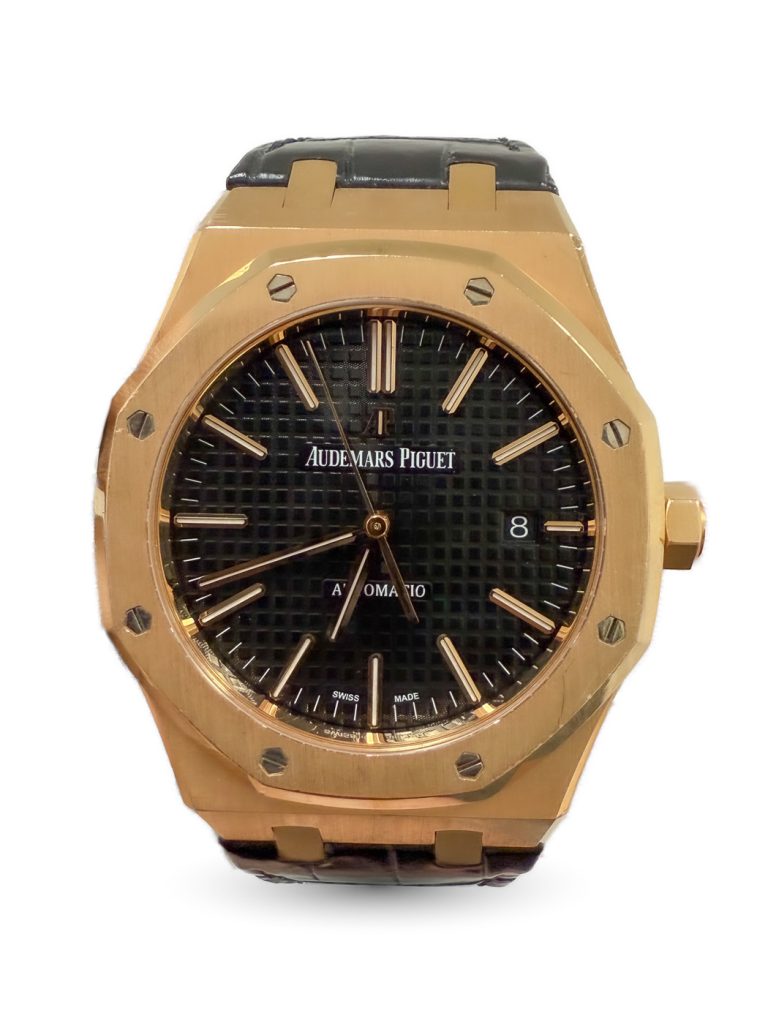
Rolex generally offers better, more stable resale value for most buyers, with high liquidity and lower risk due to broad market demand. While Audemars Piguet (AP) watches, particularly Royal Oak models, can offer higher appreciation and greater exclusivity, they are more volatile and require higher entry costs, making Rolex the safer investment.
Two brands. Two very different watchmaking philosophies. One question that comes up constantly among collectors, investors, and owners looking to access their watch’s value: which holds better on the secondary market?
At Diamond Banc, we evaluate and purchase Rolex and Audemars Piguet watches every day at our offices nationwide. Our team tracks real-time secondary market data and works with sellers and borrowers across the country to unlock the value of luxury timepieces.
Whether you are considering a complimentary watch evaluation or simply want to understand where your watch stands in today’s market, contact us today, and our team will walk you through your options.
How Rolex and Audemars Piguet Compare on the U.S. Secondary Watch Market
Rolex and Audemars Piguet are two of only three watch brands with positive value retention on the secondary market as of 2026, according to Morgan Stanley and WatchCharts. That puts both brands in rare company, but their secondary market positions are not equal in scale or consistency.
That resilience lines up with what’s happening at auction — record-setting 2026 watch auction results have reinforced pricing confidence for exactly these top-tier brands. See our full analysis of what today’s watch auction records could mean for your collection’s value.
Rolex’s Command of the Secondary Market
Rolex commands approximately 34.2% of global secondary market transaction volume, making it the most actively traded luxury watch brand in the world. Secondary prices for Rolex rose 7.9% over the past year, and value retention stands at +6.7%, meaning pre-owned Rolex watches trade at an average premium above retail.
The Daytona, which retails at approximately $16,900, consistently trades on the secondary market at approximately $30,000 or more, a reflection of sustained demand and tightening supply across the four most recent stainless steel references.
Audemars Piguet’s Niche Strength
Audemars Piguet holds roughly 4% of secondary watch market transaction volume, a fraction of Rolex’s share but still exceptionally strong relative to the broader luxury watch universe. According to the same Morgan Stanley data, AP’s overall value retention sits near +0.7%, with secondary prices rising 3.4% over the past year.
The critical distinction is that AP’s value retention is highly model-dependent. The Royal Oak ref. 16202 trades at roughly 25% above retail, while Royal Oak Offshore and Code 11.59 references trade at double-digit discounts. Brand-level averages mask a wide gap between AP’s strongest and weakest references.
Liquidity: Speed and Ease of Sale
Rolex has a clear advantage in liquidity. Sports models like the Submariner and GMT-Master II are among the fastest-moving Swiss luxury watch assets in the U.S. secondary market. Valuations are consistent because the data set is dense and buyers are plentiful nationwide.
For Rolex owners who prefer not to sell outright, a Rolex equity loan offers a collateral-based alternative that preserves ownership. AP watches, particularly high-value Royal Oak references, take longer to transact. Movement complexity and case material variation require specialized authentication, which extends the evaluation process and widens bid-ask spreads during softer market conditions.
The Models That Drive Rolex and Audemars Piguet Resale Value
Not every Rolex outperforms the market, and not every pre-owned Audemars Piguet underperforms. Resale performance comes down to the specific reference, not simply the brand on the dial.
Rolex Models With the Strongest Resale Performance
The references that consistently lead the secondary market for Rolex are:
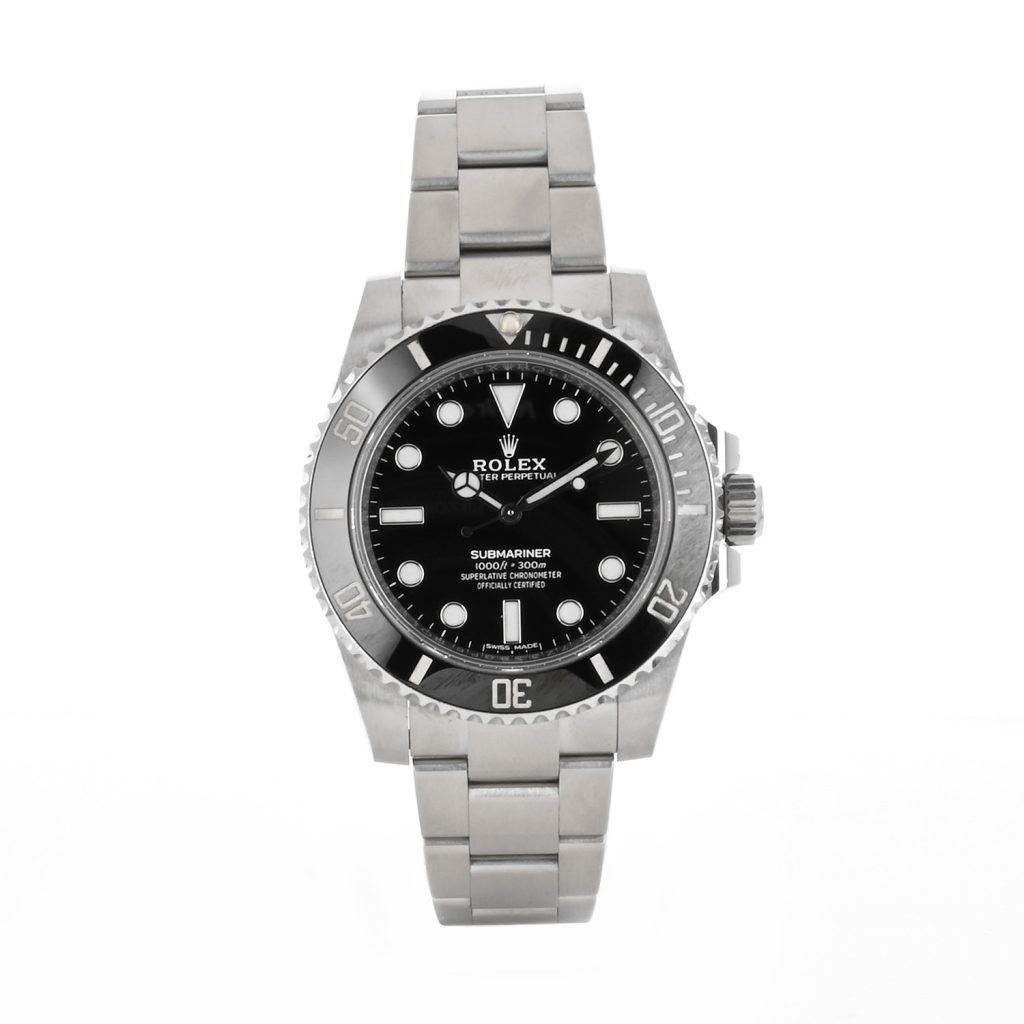
- Submariner (ref. 126610LN, 126610LV): the most recognized and liquid Rolex reference globally
- Daytona (ref. 116500LN, 126500LN): supply has declined over the past year while demand continues to grow
- GMT-Master II (“Batman,” “Pepsi”): strong collector and professional demand with sustained premiums
- Oyster Perpetual: growing secondary market traction as an accessible steel sports reference
Stainless steel references consistently outperform gold and two-tone models in percentage appreciation terms, driven by tighter retail allocations and deeper buyer pools. Owners can find out what their Rolex is worth before approaching any buyer or lender.
Audemars Piguet References That Retain Value
AP’s resale picture concentrates heavily in the Royal Oak family:
- Royal Oak “Jumbo” ref. 16202: the flagship steel Royal Oak; trades at roughly 25% above retail per Morgan Stanley data
- Royal Oak Chronograph: strong collector interest and limited availability
- Royal Oak Perpetual Calendar: commands premiums for its complication rarity
- Royal Oak Offshore: certain discontinued references retain collector premiums, though performance varies by reference and condition
The Code 11.59 collection and entry-level quartz models trade well below retail, making reference selection the single most consequential factor in AP resale performance.
AP Watch Resale Value
Taken on its own, Audemars Piguet’s resale picture is one of concentration rather than broad appreciation. AP holds roughly 4% of secondary watch market transaction volume, and its overall value retention sits near +0.7%, with secondary prices up 3.4% over the past year. That average, though, masks a wide gap between references: the Royal Oak Jumbo ref. 16202 trades at roughly 25% above retail, the Royal Oak Chronograph and certain Perpetual Calendar references hold well, while Royal Oak Offshore and Code 11.59 models trade at double-digit discounts. In practice, an AP watch’s resale value depends far more on which reference it is than on the AP name alone.
How Production Volume Shapes the Market
Rolex produces approximately 1 to 1.2 million watches annually. Audemars Piguet produces roughly 50,000. That production gap of roughly 20 to 1 creates two very different supply dynamics. Rolex’s volume maintains a liquid, well-priced secondary market with consistent buyer demand across references.
AP’s scarcity drives stronger premiums on its most coveted models but creates more price volatility across the broader collection. When a reference falls out of favor at AP, fewer secondary buyers exist to absorb that inventory.
What Affects Resale Value for Rolex and Audemars Piguet
For either brand, the gap between a strong offer and an average offer often comes down to presentation and documentation rather than the watch itself.
Condition and Originality
A watch with original, unpolished components commands a premium over a heavily worn or refinished piece. For Rolex, aftermarket bezels, dials, or bracelets reduce secondary market value by a measurable margin.
For AP, movement authenticity and original bracelet configuration are particularly scrutinized, as Royal Oak bracelets are brand-specific and buyers verify them carefully. Any modification to either brand lowers the offer from a specialist buyer.
Box, Papers, and Service Records
Original box and papers are among the most consistent value-adding factors for both Rolex and Audemars Piguet. Documentation verifies authenticity and production era, increasing buyer confidence and supporting a higher offer.
Service records from authorized watchmakers add meaningful value for older or higher-value references by confirming that original parts were maintained throughout the watch’s ownership history.
Material Composition and Reference Numbers
Stainless steel models command disproportionately high secondary market premiums relative to retail for both brands. Retail allocations for steel sports references are tightly controlled, and collector demand for these models has grown faster than supply.
Gold and platinum references tend to trade closer to or below retail in many cases, as fewer buyers operate in those price ranges and the liquidity window narrows accordingly.
Rolex vs Audemars Piguet as a Watch Investment
Both brands belong in a class of their own. Together with Patek Philippe, they are the only high-volume watch brands with positive value retention in the current secondary market. Rolex, Audemars Piguet, and Patek Philippe collectively account for more than 50% of global secondary market transactions by value. But their investment profiles differ in ways that matter to any owner making a decision about selling or borrowing.
Rolex offers:
- Higher liquidity and faster transaction velocity across more references
- Consistent, broad-based appreciation not concentrated in a handful of models
- A deeper secondary market with more active buyers and tighter bid-ask spreads
- Stronger average performance across the full lineup, not just top references
Audemars Piguet offers:
- Higher upside on specific Royal Oak references when collector demand is concentrated
- Greater exclusivity, with production roughly 20 times lower than Rolex
- Stronger appeal to high-complication collectors and connoisseurs
- More volatility, with performance concentrated in the Royal Oak Jumbo and select steel references
For owners seeking a watch that functions as a liquid, stable-value asset, Rolex is the stronger choice—those ready to act can sell their Rolex to a specialist for same-day payment. For collectors willing to navigate a more reference-specific market, the Royal Oak family remains one of the most desirable groups in the secondary watch world.
Ready to Know What Your Watch Is Worth?
Whether you own a Rolex Submariner, a Royal Oak Jumbo, or any reference in between, the secondary market value of your watch depends on real-time data, not estimates. Both brands deliver strong outcomes for owners who work with specialists who understand the current market.
At Diamond Banc, we buy and lend against Rolex and Audemars Piguet watches nationwide. Whether you are ready to sell your luxury watch or prefer to borrow against it with a luxury watch loan, our team delivers market-based offers backed by real-time secondary market data. For Audemars Piguet owners looking to maximize return over time, our Seller’s Agent consignment service connects your watch with buyers willing to pay full secondary market value. If you own a Rolex, Omega, or Cartier instead, see our comparison of top buyers for those three brands.
Frequently Asked Questions
Rolex holds stronger average resale value across its full lineup, with value retention of approximately +6.7% as of early 2026 per Morgan Stanley and WatchCharts data. Audemars Piguet has overall value retention near +0.7%, but specific references like the Royal Oak ref. 16202 command roughly 25% premiums above retail. For consistent performance across the most models, Rolex leads. For high-upside potential on select references, the AP Royal Oak family is highly competitive.
The Submariner, Daytona, and GMT-Master II in stainless steel lead the secondary market for Rolex. The Daytona retails at approximately $16,900 but trades on the secondary market at approximately $30,000 or more. Supply for these references has tightened over the past year while demand has continued to grow, sustaining strong premiums for owners looking to sell.
The Royal Oak Jumbo ref. 16202 is the AP reference with the strongest secondary market performance, trading at roughly 25% above retail per Morgan Stanley data. The Royal Oak Chronograph and certain Royal Oak Perpetual Calendar references also hold well. The Code 11.59 collection and most Royal Oak Offshore models trade below retail and should not be purchased with resale as a primary consideration.
Audemars Piguet produces approximately 50,000 watches per year. Rolex produces approximately 1 to 1.2 million. That production gap is a primary driver of AP’s exclusivity premiums on desirable references, but it also means the AP secondary market is smaller and less liquid than Rolex’s.
Both brands are among only three watch brands with positive value retention on the secondary market as of 2026, alongside Patek Philippe. Together, Rolex, AP, and Patek account for more than 50% of global secondary market transactions by value. That concentration of buyer demand makes both brands strong long-term holds relative to the broader luxury watch market.
AP watches can be sold through a specialist buyer, but they take longer to transact than Rolex. Royal Oak references require expert authentication of movement and bracelet originality, which extends the evaluation process. High-value AP references often benefit from a consignment approach rather than an immediate sale, allowing time to connect with a buyer willing to pay a full secondary market premium.
Yes. Original box and papers are among the most consistent value-adding factors for both brands. Documentation verifies authenticity and production era, which increases buyer confidence and typically supports a higher offer. Service records from authorized watchmakers also add value, particularly for older or higher-value references where originality is more carefully scrutinized.
According to Morgan Stanley and WatchCharts data from early 2026, Rolex has a value retention of +6.7% and Audemars Piguet has a value retention of approximately +0.7%. Both figures indicate that pre-owned watches from these brands trade above their retail prices on average. In 2025, Rolex secondary prices rose 7.9% year-over-year while AP rose 3.4%, with Rolex delivering roughly double the secondary market appreciation.
Yes. Specialty lenders that focus on luxury assets can extend loans against Audemars Piguet watches, using the watch as collateral. The loan amount is based on the watch’s current secondary market value. Royal Oak references in stainless steel, particularly the ref. 16202, typically support the strongest loan values due to their premium secondary market pricing.
Audemars Piguet belongs to the “Holy Trinity” of Swiss watchmaking alongside Patek Philippe and Vacheron Constantin, a distinction Rolex does not hold. AP is generally regarded as a more exclusive, connoisseur-oriented brand with higher average retail prices and lower production. Rolex is the most globally recognized luxury watch brand by name recognition, commanding prestige across all segments of the global market rather than within a specialized collector community.
Overall, Audemars Piguet’s value retention is modest, sitting near +0.7% according to Morgan Stanley and WatchCharts data, but that brand-level average hides a wide split between references. The Royal Oak Jumbo ref. 16202 trades at roughly 25% above retail, while Royal Oak Offshore and Code 11.59 references trade at double-digit discounts. Whether an individual AP watch holds its value depends heavily on which reference it is, not the brand name alone.
 Instagram
 Facebook
 Tiktok
 YouTube