Rolex vs. Richard Mille Value Retention: Which Luxury Watch Holds Its Worth?
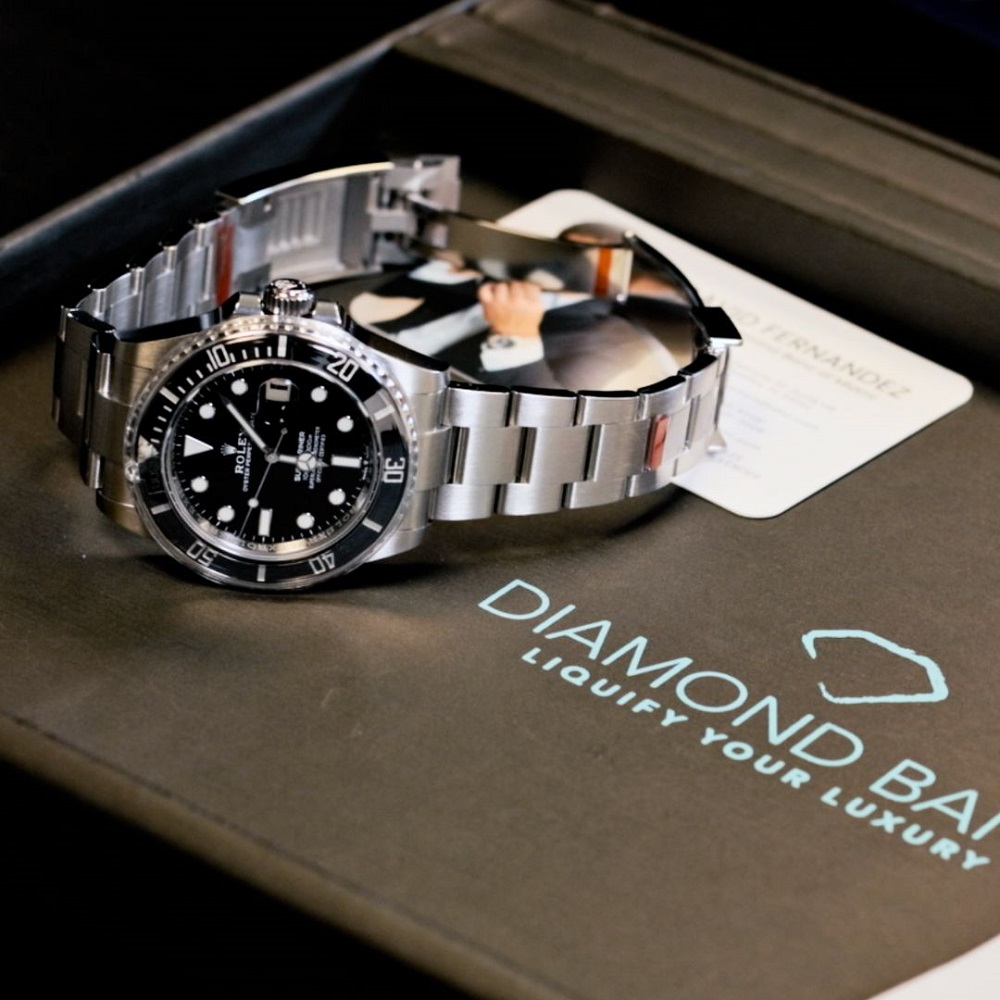
Both Rolex and Richard Mille are top-tier luxury watches, but they excel in different ways: Richard Mille offers higher, rapid appreciation due to extreme scarcity (less than 5,000 pieces annually) and high demand, while Rolex provides safer, consistent, and exceptional long-term value retention driven by iconic heritage and high market liquidity.
When you spend five figures on a Rolex or well into six figures on a Richard Mille, you’re making a financial decision as much as a personal one. The question that follows is practical: how much of that money will still be there when it’s time to sell?
Both brands retain value well, but differently. Rolex offers broad, predictable resale performance backed by the deepest secondary market in luxury watches. Richard Mille delivers higher potential upside on limited references, but with thinner liquidity and more risk.
At Diamond Banc, we buy and lend against luxury timepieces every day. Our team has evaluated thousands of Rolex and Richard Mille watches, and the resale patterns we see firsthand often differ from marketing claims.
Thinking about selling or borrowing against your luxury watch? Get your free quote today.
What Does Value Retention Mean for Luxury Watches?
Value retention measures how closely a watch’s resale price tracks against its original retail cost. A watch at 100% can be resold for what you paid. Above that, it has appreciated. Below, it has depreciated. Both Rolex and Richard Mille perform well here, but the market structures and supply strategies behind each brand have almost nothing in common.
How Well Does Rolex Hold Its Value?
In our experience, Rolex consistently leads the luxury watch market for resale performance. Industry data shows the average Rolex trades at roughly 14% above retail on the secondary market, with 104% average retention across the brand, a figure that places it in rare company among luxury goods.
That average, though, hides real variation.
Where Rolex Resale Value Is Strongest
Stainless steel sport models carry the best numbers. The Cosmograph Daytona (Ref. 116500LN), the GMT-Master II “Pepsi” (Ref. 126710BLRO), and the discontinued Submariner “Hulk” (Ref. 116610LV) have all traded well above retail for years. The Hulk showed roughly 244% retention on resale platforms in 2025, years after Rolex stopped producing it.
Which Rolex Models Depreciate?
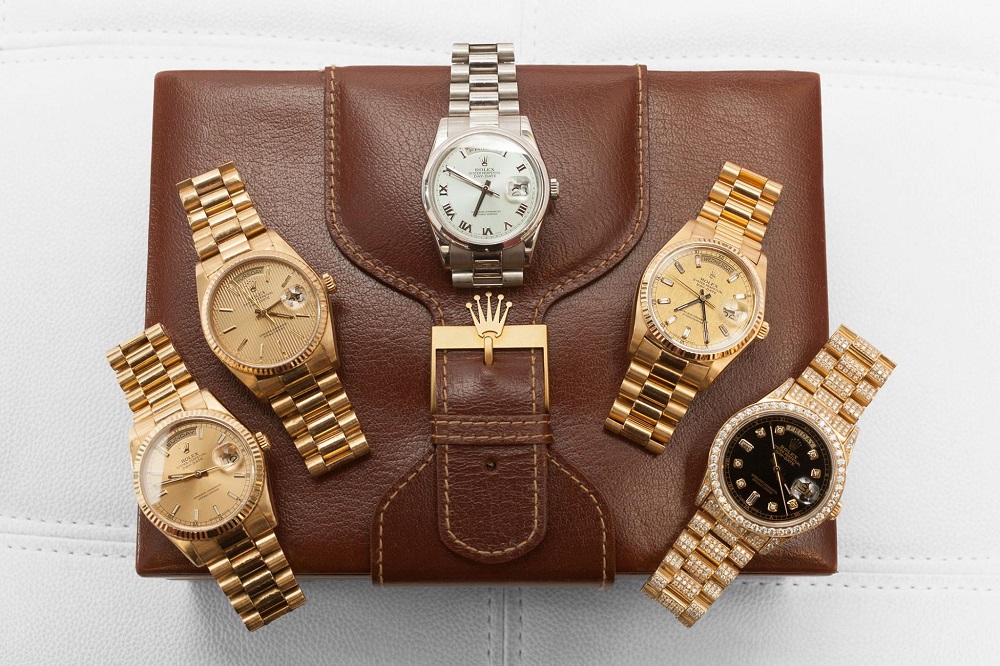
Not every Rolex appreciates. Based on what we see at Diamond Banc, precious metal models and many Datejust configurations tend to sell at 60% to 90% of retail, depending on condition and dial variant. A gold Day-Date behaves nothing like a steel Daytona on the pre-owned market.
What Drives Rolex Retention
Three forces work together. Rolex’s production strategy creates controlled scarcity: roughly 1 million watches per year, but dealer allocation for popular sport references is tightly restricted. Design consistency keeps even vintage models visually current. And the depth of the Rolex resale market provides unmatched liquidity, with desirable references changing hands within days.
Does Richard Mille Hold Its Value?
Richard Mille operates in a different atmosphere entirely. Depending on the reference and material, pre-owned models can range from the mid-five figures to well over six figures, while flagship tourbillons regularly exceed seven figures. Value retention within that hyper-luxury space has been impressive, though harder to track than Rolex’s.
Scarcity and Auction Performance
Roughly 5,500 watches leave the Richard Mille factory each year. That scarcity, paired with collector demand, has pushed many references well above retail. The RM 011 Felipe Massa Flyback Chronograph has seen pre-owned values climb as much as 150% over retail, and the RM 56-01 Sapphire sold for CHF 3,654,000 at auction in Geneva in 2022.
Entry-Level Resilience
Even more accessible pieces, like the RM 010 and RM 67-01, tend to hold their pre-owned value in ways that entry-level offerings from most luxury brands do not.
Where Richard Mille Resale Gets Complicated
The challenge is liquidity. A popular Rolex can sell through dozens of channels in days. Richard Mille’s pre-owned market is far more concentrated: fewer buyers, higher price points, longer timelines. At Diamond Banc, we see this regularly. A client’s Richard Mille appraises well on paper, but realizing that value requires the right buyer network.
The Data Gap
Richard Mille is also absent from major secondary market tracking reports, likely because transaction volumes are too low for meaningful tracking. The market exists, but it looks nothing like Rolex’s transparent resale ecosystem.
Rolex vs Richard Mille: Which Is the Better Investment?
These brands serve different financial purposes.
Rolex functions as a predictable store of value. Buy a stainless steel sport model at or near retail, keep the box and papers, and history suggests you’ll sell at or above what you paid. In our transaction data, documentation and original packaging alone account for a 15% to 20% premium at resale.
Richard Mille is more speculative, but the upside can be extraordinary. A limited reference tied to a collaboration, like the Rafael Nadal RM 35-02 or McLaren F1 RM 50-03, has appreciation potential exceeding most Rolex references. The floor, however, is less certain, and a reference without strong collector demand could take months to move.
The best analogy: Rolex is blue-chip equity. Richard Mille is a venture-capital position.
What To Think About Before Buying or Selling a Luxury Watch
Four factors shape your outcome more than brand name. Understanding each one can be the difference between a strong return and leaving money on the table.
- Reference: Even within Rolex, the resale gap between a Submariner and a Cellini is dramatic. The specific model you own matters more than the logo on the dial.
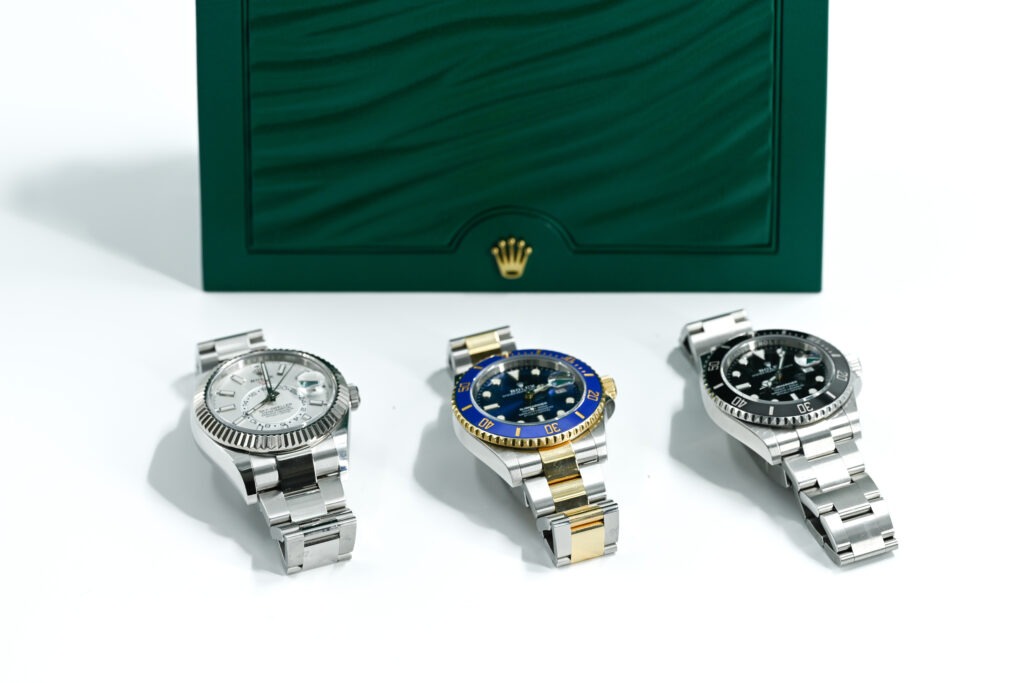
- Condition and Completeness: Original packaging and warranty cards directly affect sale price. A complete set consistently commands a higher return than a watch sold on its own.
- Who You Sell Through: The right channel can swing your return by 20% or more. Not all buyers, dealers, or platforms will offer the same value.
- Timing: The pre-owned watch market moves in cycles. Selling during a demand surge or shortly after a model is discontinued can mean thousands more in your pocket.
Why Working With a Specialist Matters
This is where a specialist makes a measurable difference. At Diamond Banc, our team evaluates luxury timepieces daily. Whether you own a Rolex Daytona or a Richard Mille RM 011, we provide market-informed valuations backed by real transaction data.
We offer outright purchase, jewelry-secured lending, and a Seller’s Agent consignment service designed to maximize your return.
Frequently Asked Questions
Do Rolex watches hold their value?
Yes. Rolex has the strongest value retention in the luxury watch market. Industry data from 2025 shows 104% average retention, and stainless steel sport models like the Daytona and Submariner regularly trade above retail. The specific model matters as much as the brand.
Do Richard Mille watches hold their value?
In most cases, yes. Limited-production references often appreciate above retail, particularly those tied to celebrity or motorsport collaborations. The pre-owned market is less liquid than Rolex’s, however, which can make selling more complex.
Is Rolex or Richard Mille a better investment?
It depends on your risk tolerance. Rolex offers stable resale performance with high liquidity. Richard Mille offers higher potential upside but with a smaller buyer pool. In Diamond Banc’s experience, Rolex functions like blue-chip equity, while Richard Mille is closer to a venture-capital position.
What is the best Rolex to buy for value retention?
Stainless steel sport models perform best. The Cosmograph Daytona (Ref. 116500LN), GMT-Master II “Pepsi” (Ref. 126710BLRO), and discontinued Submariner “Hulk” (Ref. 116610LV) have all shown strong above-retail performance.
Where can I sell a Rolex or Richard Mille for the best price?
Working with a specialist like Diamond Banc typically yields a stronger return than general resale platforms. Specialists provide market-informed valuations and offer multiple options, including outright purchase and consignment.
Do gold Rolex watches hold their value as well as steel models?
Generally, no. Precious metal Rolex models and many Datejust configurations tend to sell at 60% to 90% of retail on the pre-owned market. Stainless steel sport references consistently outperform gold and two-tone models in resale.
How many watches does Richard Mille produce each year?
Roughly 5,500 watches leave the Richard Mille factory annually. That extremely limited output is a key driver of the brand’s strong resale values and collector demand.
Does keeping the original box and papers affect resale value?
Yes, significantly. At Diamond Banc, our transaction data shows that original packaging and documentation alone can account for a 15% to 20% premium at resale for luxury watches.
Why is it harder to sell a Richard Mille than a Rolex?
The Richard Mille pre-owned market has fewer active buyers, higher price points, and longer sale timelines compared to Rolex. Richard Mille is also absent from major secondary market tracking reports, making pricing less transparent and requiring access to the right buyer network.
Can a luxury watch lose value over time?
Yes. Not every luxury watch appreciates. Factors like low collector demand for a specific reference, poor condition, missing documentation, or unfavorable market timing can all lead to depreciation, even for well-known brands like Rolex and Richard Mille.
 Instagram
 Facebook
 Tiktok
 YouTube